
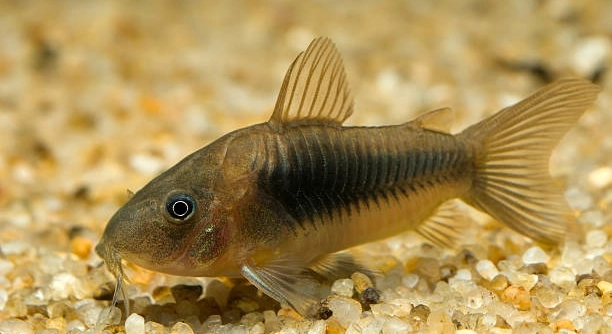
Corydoras catfish are popular aquarium fish known for their peaceful nature and unique appearance. Understanding the factors that influence their growth rate is crucial for their proper care and development.
Several factors can impact the growth rate of Corydoras catfish, including water quality, diet, tank size, and temperature. Maintaining optimal conditions in each of these areas supports healthy growth and ensures the fish reach their full potential.
Adjusting environmental factors can have a lasting effect on your Corydoras’ development and overall well-being. Knowing how to create the best conditions will help foster healthy growth.
Water Quality and Its Role in Growth
The quality of water is crucial for Corydoras catfish growth. These fish thrive in clean, well-maintained tanks, and poor water conditions can slow down their growth significantly. Ammonia, nitrates, and nitrites must be kept at safe levels, as high concentrations can harm your catfish. Regular water changes and filtration are essential to maintain a healthy environment. Water temperature also plays a role in their growth. Corydoras prefer a temperature range of 72°F to 78°F, and consistent temperatures promote steady growth.
Water quality has a direct impact on the health of your fish. Contaminated water increases stress, making it harder for your catfish to grow at a healthy rate. Keeping the tank free from harmful chemicals or imbalances will improve their overall well-being.
Maintaining proper water parameters helps Corydoras grow more effectively and reach their full potential. Keeping track of ammonia levels and pH will ensure their growth is not hindered by water-related issues.
Diet and Nutrition
The diet you provide your Corydoras catfish plays a significant role in their growth rate.
These fish are bottom feeders and prefer a varied diet that includes pellets, frozen food, and occasional live food. A balanced diet ensures they receive the necessary nutrients to support healthy development. Vitamins and minerals are particularly important for growth. Feeding them high-quality food designed for catfish can help meet their nutritional needs.
A poor or inconsistent diet can stunt growth, leading to malnourished fish. Offer a variety of foods to provide essential nutrients and promote healthy growth. Pay attention to their feeding schedule to avoid overfeeding, which can lead to water quality issues.
Feeding them the right foods in the proper amount supports their overall health and helps them grow at a steady pace. Healthy Corydoras are a result of both a balanced diet and proper care.
Tank Size and Space
The size of the tank directly influences how quickly your Corydoras catfish will grow. Smaller tanks limit the space available, leading to stress and stunted growth. Providing ample space allows the fish to swim freely and promotes better health.
A 20-gallon tank is generally the minimum recommended size for a small group of Corydoras. Larger tanks provide more stable water conditions and help maintain a consistent temperature. When fish are confined to smaller spaces, they can become stressed, which hinders their growth. The stress reduces their ability to absorb nutrients efficiently.
More space allows Corydoras to thrive. With room to explore and hide when needed, they can develop naturally. Maintaining a spacious, clean tank encourages healthy growth and ensures the well-being of your catfish in the long run.
Temperature and Its Impact on Growth
The temperature in the tank affects how Corydoras catfish grow.
These fish are sensitive to temperature fluctuations. Maintaining a steady, warm temperature of 72°F to 78°F is essential. A drop or spike in temperature can stress them, slowing their metabolism and growth.
Corydoras thrive in warmer conditions but cannot handle extreme temperatures. When the water temperature is too cold, their immune systems weaken, making them more susceptible to diseases that can impair their growth. Additionally, if the temperature is too high, it can lead to oxygen depletion, affecting their overall health.
By keeping the temperature within the optimal range, you ensure your Corydoras can grow at a healthy rate. Stable water conditions help regulate their body processes, improving their development and longevity.
Water Flow and Filtration
Water flow in the tank can impact the growth of Corydoras catfish. These fish prefer gentle currents to avoid stress.
If the water flow is too strong, it can exhaust the fish, making it harder for them to thrive. A gentle filter or water pump will provide optimal conditions.
A good filtration system ensures clean water, while gentle currents mimic their natural environment. By maintaining steady water flow, you provide the necessary conditions for Corydoras to grow efficiently without the stress of battling strong currents.
Tank Mates and Stress
Corydoras catfish are peaceful but can become stressed by aggressive tank mates.
Aggression from other fish can lead to poor health and stunted growth. It’s important to select tank mates that are non-aggressive and won’t harass your Corydoras. Stress weakens their immune system, making it harder for them to grow properly.
FAQ
What is the ideal water temperature for Corydoras catfish?
Corydoras catfish thrive in water temperatures ranging from 72°F to 78°F (22°C to 26°C). Consistency is key. Sudden changes in temperature can cause stress and slow down growth. Make sure your aquarium heater is reliable, and avoid placing the tank in areas where the temperature fluctuates.
How often should I change the water in my Corydoras tank?
You should change about 25% of the water every two weeks to maintain good water quality. This ensures the removal of waste products, nitrates, and excess nutrients. For tanks with more fish or less filtration, more frequent water changes may be necessary. Regular water changes promote better growth conditions.
Can Corydoras catfish grow in a small tank?
While Corydoras can survive in smaller tanks, their growth will be limited. A 20-gallon tank is the minimum recommended size. Smaller tanks can cause stress, making it difficult for Corydoras to grow fully. Larger tanks provide better water stability and space for them to swim freely.
What should I feed Corydoras catfish for optimal growth?
Feed Corydoras a varied diet to ensure they get all the nutrients needed for healthy growth. High-quality pellets designed for bottom feeders, supplemented with frozen or live foods like bloodworms, brine shrimp, and daphnia, will keep them healthy. Avoid overfeeding, as leftover food can degrade water quality.
Do Corydoras catfish need tank mates?
Corydoras catfish are peaceful fish that thrive in groups. They do well with other non-aggressive species. A group of at least 4-6 Corydoras is ideal for their social behavior. When choosing tank mates, avoid species that may be overly aggressive or territorial, as this can cause stress.
How fast do Corydoras catfish grow?
Corydoras catfish grow at a moderate pace. Depending on the environmental conditions, they can reach full size in about 1 to 2 years. Factors like water quality, temperature, diet, and tank size can all influence their growth rate. With proper care, they can reach about 2 to 3 inches in length.
Do Corydoras catfish need a filter?
Yes, a filter is essential to maintain clean water. Corydoras are sensitive to water quality, and a filter will help keep the water free from excess debris, ammonia, and nitrites. Opt for a gentle filter to avoid strong currents, which can stress the fish.
Can Corydoras live with other bottom dwellers?
Corydoras can live with other bottom dwellers, but care must be taken to choose peaceful tank mates. Avoid species that are territorial or aggressive towards Corydoras. Bottom-dwelling fish like loaches or shrimp can coexist, as long as there’s enough space and no competition for food.
What pH level is best for Corydoras catfish?
Corydoras catfish prefer a slightly acidic to neutral pH, around 6.5 to 7.5. Water that’s too acidic or too alkaline can stress the fish, affecting their growth and overall health. Regular testing of your water’s pH is important to keep it within the ideal range for Corydoras.
How do I reduce stress in my Corydoras tank?
Stress can hinder Corydoras’ growth. To reduce stress, avoid aggressive tank mates, maintain stable water temperature, and ensure the tank has hiding spots for the fish. Keeping the tank clean and providing a suitable environment with gentle filtration will help reduce stress and encourage healthy growth.
What kind of substrate is best for Corydoras catfish?
Corydoras prefer a fine, soft substrate, such as sand or smooth gravel. They often sift through the substrate in search of food. Sharp or large gravel can damage their delicate barbels, leading to injury or infections. A smooth, fine substrate mimics their natural habitat and promotes better health.
Do Corydoras catfish need to be in schools?
Yes, Corydoras catfish are social creatures and feel more secure when kept in groups. A school of 4-6 Corydoras is ideal. They will swim together, interact, and engage in natural behaviors. Keeping them in groups helps reduce stress and improves their overall health and growth rate.
Can Corydoras catfish live without a filter?
Although Corydoras can survive without a filter for short periods, it is not recommended. A filter helps keep the water clean and oxygenated, which is vital for their growth and health. Without proper filtration, the water quality will degrade quickly, leading to stress and potential health problems.
How can I tell if my Corydoras catfish is healthy?
Healthy Corydoras will be active, have clear eyes, and swim confidently. They should not be lethargic or stay hidden for extended periods. A healthy fish will have smooth, intact barbels and fins. Poor water quality or stress can lead to visible signs like faded color or torn fins.
Final Thoughts
Corydoras catfish are resilient and adaptable, but their growth is influenced by various factors that need careful attention. Tank size, water quality, temperature, and a proper diet all play significant roles in ensuring that they grow at a healthy rate. Providing a suitable environment that mimics their natural habitat is essential for their well-being. By understanding these factors, you can create the ideal conditions for Corydoras to thrive and grow to their full potential.
While they may not require complex care, Corydoras do best in tanks with stable, well-maintained conditions. Stress from factors such as poor water quality or inappropriate tank mates can hinder their growth. Offering a peaceful environment with suitable tank mates and ensuring regular maintenance will help keep them happy and healthy. The importance of good water quality and proper filtration cannot be overstated in supporting their growth. Consistent care and attention to their needs will reward you with active and healthy Corydoras.
With the right tank setup and a bit of care, Corydoras catfish can thrive and grow at an optimal rate. Patience is key, as these fish develop slowly but steadily. Keep monitoring water parameters, ensure a proper diet, and provide a stress-free environment for them. By following these guidelines, your Corydoras will have the best chance of growing into healthy, strong fish, contributing to a vibrant and balanced aquarium.

Hello,
If you enjoy the content that we create, please consider saying a "Thank You!" by leaving a tip.
Every little bit helps us continue crafting quality advice that supports the health, happiness, and well-being of pets around the world, for pets of all shapes, sizes, and species.
We really appreciate the kindness and support that you show us!