
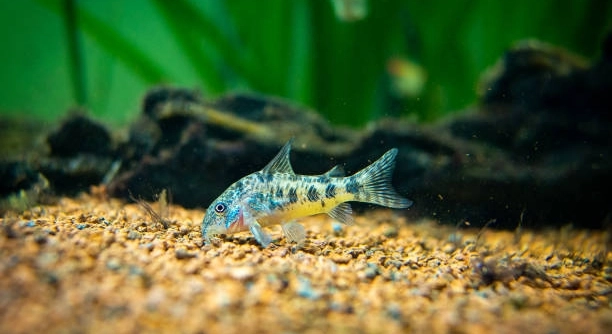
Corydoras catfish are peaceful and hardy creatures, but certain factors can cause them stress. Understanding what these factors are can help ensure they live a healthy, happy life in your aquarium.
Several common stressors can affect Corydoras catfish, including poor water quality, inadequate tank size, aggressive tank mates, high water temperatures, sudden changes in the environment, improper diet, and lack of hiding spaces. These factors can lead to health problems and decreased activity.
By identifying and addressing these stressors, you can create a more comfortable environment for your catfish. This article will cover the main stressors and provide tips on how to prevent them.
Poor Water Quality
Corydoras catfish are highly sensitive to water conditions. If the water quality in their tank isn’t up to par, it can lead to stress and health problems. High levels of ammonia, nitrites, and nitrates, or sudden changes in pH, can affect their well-being. These fish thrive in clean, well-maintained environments. Regular water changes, good filtration, and monitoring the water parameters are essential to keeping them stress-free.
Water quality impacts your fish in many ways. When the tank becomes dirty or the water is unbalanced, Corydoras become more susceptible to diseases. Stress from poor water quality weakens their immune system, leaving them vulnerable to infection. Over time, the lack of cleanliness can even shorten their lifespan.
To keep your Corydoras healthy, invest in a good filtration system and test the water weekly. Aim for a stable temperature range of 72-78°F (22-26°C), and ensure the pH is between 6.0 and 7.5. By taking care of the water, your catfish will stay happy and active.
Inadequate Tank Size
If your tank is too small, it can lead to overcrowding and stress for your Corydoras. A cramped environment limits their movement and can make them feel unsafe. It’s important to provide them with enough space to swim and explore freely.
A tank size of at least 20 gallons is recommended for a small group of Corydoras catfish. Smaller tanks often lead to poor water quality, especially with the extra waste that accumulates quickly. When the fish don’t have enough room, they may hide more often, reducing their activity levels and overall health.
Choosing the right tank size is key to creating a stress-free environment. If you’re keeping multiple fish, give them plenty of space to swim around. Larger tanks are easier to maintain, allowing for better filtration and stable water conditions. This will help your Corydoras thrive and stay active, enjoying a peaceful life in their home.
Aggressive Tank Mates
Corydoras catfish are peaceful creatures and can get stressed if kept with aggressive tank mates. They do best in communities with calm fish that won’t threaten or chase them. Aggression from other fish can cause them to hide, limiting their natural behavior.
When kept with territorial or fast-moving fish, Corydoras may struggle to find their place in the tank. They prefer to stick to the bottom, and aggressive tank mates can take up space and disrupt their activities. Over time, this can lead to anxiety, reduced appetite, and even illness.
To avoid this, choose tank mates that are non-aggressive and peaceful. Avoid species known to nip fins or chase smaller fish. Corydoras do well with other peaceful species like tetras or guppies. Keeping them with friendly companions will reduce stress and allow them to feel more at ease in their environment.
High Water Temperature
High water temperature is another major stress factor for Corydoras. These catfish prefer cool waters, and temperatures that are too warm can lead to breathing difficulties and other health problems. Keeping the temperature stable is essential for their comfort.
The ideal temperature range for Corydoras is between 72°F and 78°F (22°C to 26°C). If the water temperature rises above this range, it can cause stress, leading to erratic behavior and an increased risk of disease. Overheating can also affect the oxygen levels in the water, further stressing the fish.
To maintain the proper temperature, use a reliable aquarium heater and a thermometer. Avoid placing the tank near heat sources like direct sunlight or heaters, as these can cause temperature spikes. Keeping the water cool will ensure your Corydoras stay comfortable and healthy, avoiding the negative effects of high water temperatures.
Sudden Environmental Changes
Corydoras are sensitive to sudden changes in their environment. If the water conditions, tank layout, or lighting change too quickly, it can stress them out. They thrive in stable environments and need gradual adjustments.
Sudden shifts in water temperature, lighting, or even the introduction of new tank mates can cause distress. This can lead to hiding, loss of appetite, or abnormal behavior. Keeping the environment consistent helps them feel secure.
To prevent stress, make any changes to the tank slowly. Introduce new fish gradually, adjust the water temperature slowly, and keep lighting changes to a minimum. This approach helps them adapt without feeling overwhelmed.
Improper Diet
An improper diet can cause stress in Corydoras catfish. These fish are bottom feeders and rely on a balanced diet to stay healthy. Providing them with the right food ensures they are getting the necessary nutrients to thrive.
Corydoras benefit from a varied diet, including sinking pellets, frozen or live food like bloodworms, and occasional vegetable matter. A poor diet lacking essential vitamins and minerals can lead to health problems, like weakened immunity and stress. They may also become sluggish and lose their natural activity levels.
Feeding your Corydoras the right food will keep them healthy and active. Make sure to provide high-quality, nutrient-rich options that meet their specific needs. This will reduce stress and ensure they enjoy a long, healthy life in your aquarium.
Lack of Hiding Spaces
Corydoras catfish need hiding spots in their tank to feel safe. Without proper places to retreat, they can experience stress and may spend more time hiding than interacting with their environment. Hiding spots are essential for their well-being.
Adding decorations like caves, plants, or rocks will create safe areas where they can rest when needed. These spots give Corydoras a sense of security, reducing stress and promoting natural behaviors. Having multiple hiding spaces also allows them to avoid any potential threats from more active tank mates.
Make sure to create a tank layout with plenty of hiding spots. This will give your Corydoras the space they need to relax and feel secure.
FAQ
What is the ideal tank size for Corydoras catfish?
Corydoras catfish thrive in a tank that provides enough space for them to move around comfortably. A minimum of 20 gallons is recommended for a small group. A larger tank gives them more room to swim, keeps the water quality better, and reduces the risk of overcrowding. Corydoras are bottom dwellers and need enough space to explore and find food. If you plan to keep more than a few, consider a larger tank to ensure they aren’t stressed.
Can Corydoras live with other fish?
Yes, Corydoras are peaceful and do well in community tanks. They can live with a variety of fish as long as their tank mates are also peaceful. Avoid keeping them with aggressive or large fish that may bully them. Good tank mates include tetras, guppies, and other small, non-aggressive species. Make sure there are no fish that will outcompete them for food or chase them around.
How often should I change the water in my Corydoras tank?
Water changes are essential to maintaining a healthy tank for Corydoras. A general rule is to change 25-30% of the water once a week. This helps remove waste, toxins, and excess nutrients, ensuring the water stays clean. If you have a smaller tank or higher fish load, you may need to change the water more frequently. Always check water parameters and adjust your cleaning schedule based on the condition of the water.
What temperature do Corydoras catfish prefer?
Corydoras catfish are happiest in cooler water. The ideal temperature range is between 72°F and 78°F (22°C to 26°C). Keeping the water within this range helps prevent stress and allows them to thrive. Water that is too warm can reduce oxygen levels, which stresses them out. Use a reliable aquarium heater to maintain a stable temperature and avoid fluctuations.
How can I tell if my Corydoras is stressed?
Stress in Corydoras can show up in different ways. You may notice them hiding more than usual, swimming erratically, or refusing to eat. They might also become more lethargic or breathe rapidly. Physical signs include clamped fins or pale coloring. If you see these behaviors, check the water quality, temperature, and tank environment. It’s important to address the stressor quickly to prevent long-term health problems.
What kind of food should I feed my Corydoras?
Corydoras are bottom feeders, and they benefit from a varied diet. You can feed them sinking pellets or wafers designed for catfish. They also enjoy frozen or live foods like bloodworms, brine shrimp, or daphnia. Occasionally, you can offer blanched vegetables such as zucchini or peas. A varied diet ensures they get all the essential nutrients they need to stay healthy and active. Avoid overfeeding, as excess food can pollute the water.
Can Corydoras eat plants in the aquarium?
Corydoras are not known to eat plants, but they might nibble on soft-leafed plants occasionally, especially if other food sources are limited. However, they usually prefer sinking pellets and live foods over plants. It’s a good idea to include some hardy plants in the tank for aesthetic purposes, but don’t rely on them as a primary food source for the fish. Keep an eye on plant growth, as Corydoras may dig in the substrate, which can disturb plants.
How do I know if my Corydoras is sick?
Sick Corydoras may show signs such as changes in behavior, loss of appetite, clamped fins, or abnormal swimming patterns. They may also have visible physical signs like lesions, swelling, or damaged fins. If you notice any of these symptoms, it’s important to check the water parameters and see if any environmental factors are affecting them. If the fish’s condition doesn’t improve, consult with an aquarium vet for proper diagnosis and treatment.
Do Corydoras need a filter?
Yes, Corydoras benefit from a good filtration system. While they are hardy fish, they are sensitive to poor water quality, and a filter helps maintain clean, oxygenated water. A strong filter will help remove waste and prevent toxic buildup in the tank. However, be mindful of the current in the tank; Corydoras prefer gentle water movement, so choose a filter that provides good filtration without creating a strong current.
Can I keep different types of Corydoras together?
Yes, you can keep different species of Corydoras together. These fish are social and do well in groups, even if they are different species. As long as the species have similar care needs, they should get along without any problems. Mixing species like the bronze Corydoras with the peppered Corydoras is common and helps provide a more varied and interesting display in the tank.
How long do Corydoras catfish live?
Corydoras catfish have a lifespan of around 5 to 7 years if they are cared for properly. Good water quality, a balanced diet, and a stress-free environment will help them live longer. Some species may live even longer, especially if they are kept in optimal conditions. Regular maintenance of the tank and monitoring their health can help ensure your Corydoras lead a long, happy life.
Do Corydoras catfish lay eggs?
Yes, Corydoras catfish lay eggs, and they are egg layers rather than livebearers. They will scatter their eggs in various places in the tank, often on surfaces like plants, rocks, or tank walls. If you want to breed Corydoras, it’s important to maintain good water conditions and provide plenty of hiding spots for the eggs. The eggs typically hatch in 4-7 days, depending on the temperature.
Can Corydoras live in a tank without a lid?
While Corydoras can live in an open tank without a lid, it’s not ideal. These catfish are known to be curious and may jump out of the tank if they feel threatened. Having a lid or cover on the tank helps prevent them from jumping out and ensures they stay safe inside the aquarium. It’s better to be cautious, especially in tanks with other species that might scare or stress the Corydoras.
Final Thoughts
Corydoras catfish are hardy and peaceful fish, making them an excellent choice for community tanks. However, even these resilient creatures can experience stress if their needs aren’t met. Understanding the factors that cause stress, such as poor water quality, unsuitable tank mates, or improper diets, is crucial for keeping them healthy and happy. By providing a stable and comfortable environment, you can help ensure that your Corydoras thrive and live a long, healthy life.
When setting up your tank, remember that Corydoras do best in well-maintained environments. Clean water, proper filtration, and the right tank size are all essential to preventing stress. It’s also important to provide plenty of hiding spots and choose compatible tank mates. Corydoras are peaceful and prefer a calm, secure environment where they can swim and forage freely. When these basic needs are met, they will be active, social, and healthy.
Ultimately, keeping Corydoras catfish stress-free involves understanding their behavior and natural needs. With a little attention to detail, such as regular water changes, the right temperature, and a balanced diet, your Corydoras will flourish in their aquarium home. By avoiding common stressors and creating a peaceful environment, you can enjoy watching these charming fish for years to come.

Hello,
If you enjoy the content that we create, please consider saying a "Thank You!" by leaving a tip.
Every little bit helps us continue crafting quality advice that supports the health, happiness, and well-being of pets around the world, for pets of all shapes, sizes, and species.
We really appreciate the kindness and support that you show us!