
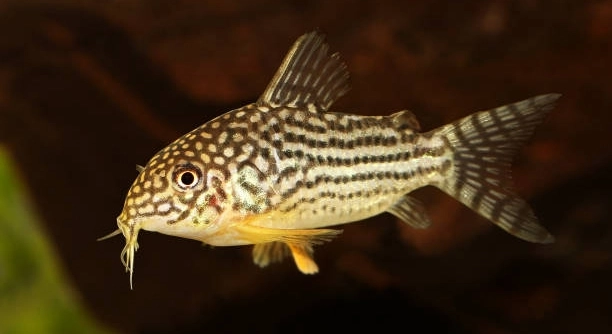
Is your Corydoras catfish acting odd after you moved them to a new tank? You’re not alone in noticing this shift. Many aquarists observe strange behavior during the first few days after a tank transition.
Corydoras catfish often behave differently after a tank move due to stress, water parameter changes, or unfamiliar surroundings. These factors can cause temporary behavioral shifts as the fish acclimate to their new environment and conditions.
Understanding these changes will help you better care for your Corydoras and ease their adjustment. Let’s explore seven common reasons behind this behavior and how to respond.
Stress From the Move
A sudden change in environment can cause stress in Corydoras catfish. These peaceful bottom-dwellers are sensitive to changes, and relocating them—whether to a different tank or even a temporary holding container—can unsettle them. Stress may appear as lethargy, frantic swimming, loss of appetite, or hiding for long periods. The shift in temperature, water chemistry, and physical surroundings all contribute to this behavior. Allowing the fish time to settle in, keeping lighting low at first, and avoiding unnecessary disturbances during the first few days can help ease the transition. Gradual reintroduction to normal lighting and routines can also reduce the impact. If your Corydoras are stressed, avoid adding other tank mates or changing décor too soon. Give them time to adjust before making more changes. Monitor their behavior quietly, and you’ll often see them return to normal activity within a few days as they begin to feel secure again.
Try not to handle or move your fish again shortly after the first transfer. Give them time to rest.
Stress recovery looks different for every fish, but quiet surroundings and consistent care help a lot. Corydoras may return to their playful, active selves once they regain confidence in their new home. Keep feeding simple and routines steady.
Changes in Water Parameters
Even small shifts in temperature, pH, or hardness can affect your Corydoras.
Corydoras thrive in specific water conditions, usually preferring soft, slightly acidic to neutral water. When you move them into a new tank, even if the change seems minor, the water may not match what they were used to. A drop or rise in pH, different levels of hardness, or increased nitrates can trigger a noticeable change in their behavior. They might become less active, breathe rapidly, or hang near the surface. Some may also show signs of distress like rapid darting or staying motionless. It’s important to test the water in both tanks before the move and aim for gradual acclimation if differences exist. Using a drip acclimation method or adding a portion of the old tank’s water to the new one can ease the process. Always condition your water, and allow the new tank to cycle fully to avoid sudden shocks. Keeping things stable is key.
Lack of Hiding Spots
Corydoras need places to hide to feel safe. A tank without plants, caves, or shaded areas can make them feel exposed. This often leads to skittish or frozen behavior, especially after a recent move.
Without proper cover, Corydoras become more anxious and less active. In nature, they rely on plants and crevices to rest and escape from potential threats. A bare tank makes them feel vulnerable. Adding live or artificial plants, driftwood, and small tunnels gives them security and encourages natural behaviors like foraging. Even placing decorations strategically to break line of sight can help. Avoid overly bright lighting until they begin to explore again. Soft lighting and dense corners can make a big difference. Once they feel hidden, Corydoras tend to return to group swimming and feeding routines. Their calm demeanor often depends on how secure they feel in their surroundings.
When a tank lacks shelter, stress can build and affect feeding or movement. You might see your Corydoras freeze in one corner or avoid open spaces entirely. Simple changes, like adding a small cave or a clump of moss, can make the environment feel more natural. Over time, they regain trust in the space and explore more comfortably.
Aggressive or Active Tank Mates
Some fish are too bold or active for Corydoras. Fish that chase or startle them during the day can make them hide or change their behavior. It’s not always physical aggression—just constant activity can be overwhelming.
Corydoras do best with peaceful, calm tank mates. When they’re placed with fast swimmers or fin-nippers, it’s common for them to become withdrawn. Even if there’s no visible damage, the stress adds up. They might avoid feeding zones or shift their schedules, becoming active only at night. Avoid mixing them with species known for erratic behavior. Instead, choose calm fish that occupy different water levels, like small rasboras or tetras. If tank mates are already present, rearranging decorations can reduce territory issues. Providing more hiding areas and monitoring group interactions closely can help reduce stress. Corydoras will feel more confident and act normally once the social pressure is reduced.
Poor Oxygen Levels
Corydoras are sensitive to oxygen changes, especially after a tank move. If oxygen is low, they may rush to the surface often or seem unusually still. Proper aeration helps maintain their comfort and energy levels.
Adding an air stone or adjusting filter flow can improve oxygenation quickly. Warmer water holds less oxygen, so double-check temperature settings.
Lighting Changes
A sudden change in lighting can throw Corydoras off. Bright or prolonged light exposure often causes them to hide more or avoid moving. Their behavior usually improves when the lighting is softened or the duration is reduced.
These fish are used to dim, shaded areas, especially in planted tanks or murky waters. A move to a tank with brighter lighting can feel overwhelming. Try reducing light intensity with floating plants or switching to a lower-watt bulb. Even shifting the schedule to shorter light periods can make them feel more comfortable. If you recently moved them into a tank with bare décor and strong light, they may stay inactive until the environment feels more natural. Providing shaded spots and gradually increasing light can help restore normal activity levels. Once they feel more at ease, they usually resume their playful group swimming behavior without hesitation.
Internal Health Issues
Not all behavior changes come from stress or the environment. Sometimes, internal health problems like parasites or infection cause Corydoras to act differently. Watch for signs like rapid gill movement, bloating, or erratic swimming.
FAQ
Why is my Corydoras hiding all the time after the move?
Corydoras often hide after a tank move due to stress and unfamiliar surroundings. A bare or bright tank without hiding spots can make them feel exposed. They tend to settle down once the tank feels safer. Adding live plants, shaded areas, or caves helps reduce their anxiety and encourages more natural movement. Soft lighting and calm tank mates also make a difference. Let them adjust slowly. It’s common for them to take a few days before returning to normal behavior. Patience and a stable environment usually bring back their playful habits.
Is it normal for Corydoras to stop eating after being moved?
Yes, it’s common. Stress from a tank move can cause a temporary loss of appetite. Changes in water chemistry, lighting, or tank mates can add to the problem. Make sure the water parameters are stable, and keep offering small amounts of food at the same time each day. Avoid overfeeding during this time. Offering sinking wafers or soft foods they enjoy, like bloodworms, can help. If they still don’t eat after a few days, check for signs of illness or aggressive fish that may be chasing them away from food.
Can new tankmates affect my Corydoras’ behavior?
Yes, tankmates have a big influence. Fast, active, or aggressive fish can make Corydoras hide or act differently. Even if there’s no direct aggression, the constant movement can cause stress. It’s best to pair them with peaceful species that don’t compete for the same space. Fish like rasboras, peaceful tetras, and small gouramis usually work well. If the new fish are too bold, try rearranging the tank and adding more hiding spaces to reduce tension. Observation helps—if behavior improves when other fish are calm or out of view, the new tankmates may be too stressful.
Why are my Corydoras swimming to the surface so often?
Corydoras naturally gulp air now and then, but frequent surfacing can mean low oxygen levels. This often happens after a tank move, especially if water temperature is too high or surface agitation is low. Make sure your filter is circulating water well and consider adding an air stone. Warm water holds less oxygen, so keeping the temperature around 72–78°F helps. Monitor their behavior after improving oxygen flow. If they continue to surface constantly, check for signs of illness or water quality issues like high ammonia or nitrite levels.
What water parameters do Corydoras prefer after a move?
Corydoras do best in soft to moderately hard water with a pH between 6.0 and 7.5. The ideal temperature range is 72–78°F. Sudden changes during a move can affect their health. Always acclimate them slowly, especially if the water chemistry is different from their previous tank. Use a reliable test kit to monitor ammonia, nitrite, nitrate, pH, and temperature regularly during the first week. Clean, stable water helps them recover faster and show their usual social and active behavior again. Avoid overfeeding or large water changes in the first few days.
How long does it take for Corydoras to adjust after a tank move?
Most Corydoras begin to adjust within a few days to a week. Some may take longer depending on their age, personality, or the difference between the old and new tanks. Providing consistent lighting, feeding, and water conditions will help. Avoid changing too much at once. If they’re still acting different after a week, review tank conditions and observe their interactions. If everything checks out, give them more time—they usually come around. As long as they’re not showing signs of illness, slow adjustment is normal.
Can internal illness cause behavioral changes after a move?
Yes, internal issues like parasites, bacterial infections, or digestive problems can affect their behavior. If you notice symptoms like bloating, rapid gill movement, or erratic swimming, illness might be the cause. Stress from the move can weaken their immune system, making them more vulnerable. Quarantining new fish before adding them helps prevent this. If illness is suspected, treat the tank with appropriate medication after confirming the issue. Keep feeding light and maintain high water quality during recovery. A healthy Corydoras should swim calmly, eat regularly, and interact with its group.
Final Thoughts
Moving a Corydoras catfish to a new tank can lead to several behavior changes, most of which are linked to stress and environmental adjustments. These fish are sensitive to shifts in water conditions, lighting, tank layout, and social settings. It’s common for them to hide more, eat less, or swim differently after a move. These signs do not always mean something is wrong, but they should not be ignored either. It is important to check all parts of their new setup and make sure the tank is safe, stable, and calm.
Keeping a consistent routine makes a big difference in how fast your Corydoras adjusts. Feed them at regular times, reduce noise or movement around the tank, and avoid unnecessary changes. Give them plenty of hiding spots and calm tankmates. Watch how they act over the course of several days, not just a few hours. Most behavior changes will improve on their own as long as the tank conditions are steady and the fish feels secure. Patience is often the best solution, especially if no signs of illness appear.
Taking time to learn what your Corydoras needs after a tank move helps you catch small problems early. Behavior changes are one of the first signs something isn’t right. Whether it’s a water issue, tankmate stress, or simple fear of a new space, there are steps you can take to make things better. By offering a calm environment, balanced water, and a peaceful group of fish, your Corydoras can return to its active, social nature. Paying attention to the little details now will help you build a more stable tank in the long run.

Hello,
If you enjoy the content that we create, please consider saying a "Thank You!" by leaving a tip.
Every little bit helps us continue crafting quality advice that supports the health, happiness, and well-being of pets around the world, for pets of all shapes, sizes, and species.
We really appreciate the kindness and support that you show us!