
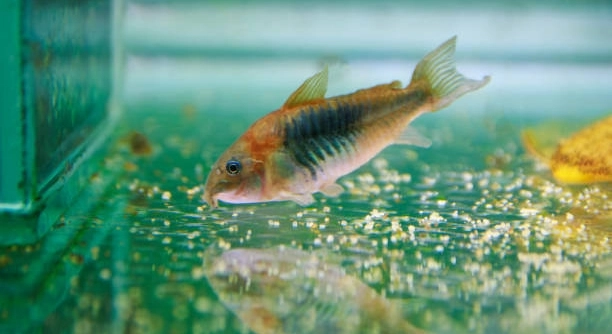
Corydoras catfish are fascinating creatures with unique behaviors that often catch the attention of aquarists. One such behavior involves the flicking of their fins. Understanding this action can help improve their care and environment.
The flicking of fins in Corydoras catfish can result from various factors, including communication, environmental stress, or an attempt to remove debris from their bodies. This behavior may also be linked to maintaining optimal water conditions.
Understanding the reasons behind this behavior will ensure that your Corydoras thrive and remain healthy. Keep reading to learn more about the potential causes and solutions.
Stress or Anxiety in Corydoras Catfish
Corydoras catfish may flick their fins as a reaction to stress or anxiety. This can happen due to sudden changes in their environment, such as temperature fluctuations, poor water quality, or the presence of new tankmates. Stress can cause them to behave in unusual ways, including flicking or darting around the tank. These actions may be a way for them to signal discomfort or fear.
It is important to maintain stable water parameters and a calm tank environment. Proper filtration and regular water changes will help reduce stress for these sensitive fish.
When Corydoras experience stress, they can become more susceptible to diseases. Therefore, addressing stressors promptly can prevent health issues and promote a peaceful environment. Monitoring their behavior and making adjustments to their habitat can improve their overall well-being and reduce unnecessary stress.
Communication Among Corydoras
Another reason why Corydoras catfish may flick their fins is to communicate with one another. These fish are social and often engage in subtle interactions. Fin-flicking can be a form of signaling, helping them coordinate movements or express intentions within their group.
Corydoras are often found in groups, where they rely on different behaviors to interact. When one fish flicks its fins, others may follow or respond in kind. This type of communication is vital for maintaining harmony within the group and ensuring safety from potential threats. The flicking action can also serve as an alert to other fish regarding changes in the environment or possible danger.
By observing the behavior of your Corydoras, you can better understand how they communicate and how to create a more comfortable and connected environment for them. Ensuring your tank is large enough for social interaction and offering plenty of hiding spots will help foster a positive dynamic.
Water Quality Issues
Flicking fins can be a sign that water quality is not up to standard. Corydoras are very sensitive to changes in water conditions, and poor water quality can cause them distress. High levels of ammonia, nitrites, or nitrates, along with improper pH levels, can lead to abnormal behaviors like fin flicking.
To maintain water quality, perform regular water changes and check the water parameters frequently. Investing in a good filtration system can help keep the water clean and stable. Testing the water for ammonia, nitrites, and nitrates is essential to ensure a safe environment for your fish.
If you notice frequent fin flicking, it may be a good idea to test the water immediately. Sometimes the issue can be addressed with a simple water change or by adjusting the filtration system. Regular maintenance of your aquarium’s water will keep your Corydoras healthy and comfortable, reducing any stress caused by poor water conditions.
Parasites and Skin Irritations
Parasites or skin irritations are another common reason why Corydoras flick their fins. External parasites like ich or skin flukes can cause discomfort, leading the fish to try to rub or flick their fins against objects in the tank. This action helps them remove parasites from their skin.
If you suspect parasites, closely examine your fish for any visible signs, such as white spots or lesions. Treatment options vary depending on the type of parasite, but many fish medications can target specific external parasites. It is important to isolate infected fish to prevent the spread of parasites to other tankmates.
Regularly checking the health of your Corydoras and maintaining a clean environment can prevent parasites from becoming a major issue. Keeping the water quality high and avoiding overcrowding will help reduce the chances of skin irritations or parasitic infections, ensuring the well-being of your fish.
Physical Discomfort or Injury
Flicking fins may indicate physical discomfort or injury. Corydoras can injure themselves by bumping into sharp objects or getting caught in tank decorations. These injuries may cause the fish to flick or rub their fins in an attempt to relieve irritation.
Ensure that all decorations in the tank are smooth and free from any sharp edges that could cause harm. Regularly check the tank for hazards, such as broken decorations or rough rocks, that could lead to injury.
Physical discomfort can also arise from poor tank conditions. If the fish’s fins appear torn or damaged, investigate the cause and take immediate action to prevent further injury or infection. Maintaining a safe tank environment will help avoid these issues.
Breeding Behavior
Flicking fins may also be a sign of Corydoras engaging in breeding behavior. Male Corydoras often flick their fins to attract females, demonstrating their readiness to mate. This flicking can be accompanied by other behaviors, such as chasing or nudging the female.
Breeding behavior can be triggered by changes in water temperature or by creating a suitable breeding environment. To encourage this, try replicating the natural conditions of their native habitat. Soft, slightly acidic water and proper hiding spots can increase the likelihood of breeding. Keep the tank environment calm and stress-free to promote healthy reproduction.
Aggression from Tankmates
Tankmates can sometimes provoke Corydoras into flicking their fins. More aggressive species may harass the peaceful Corydoras, causing them to react by flicking or darting. This is often a defensive response to intimidation.
If you notice this behavior, assess the compatibility of your tank’s inhabitants. Corydoras do well with peaceful, non-territorial species. If aggressive tankmates are the issue, consider relocating them or adding more hiding places for the Corydoras to retreat to. Creating a peaceful community tank will help minimize stress and prevent unwanted aggression.
FAQ
Why do Corydoras flick their fins?
Corydoras flick their fins for a variety of reasons, including stress, communication, and to maintain physical comfort. Stress from poor water conditions, temperature changes, or aggressive tankmates can trigger this behavior. They may also flick their fins to communicate with each other, especially during breeding or group interactions. Flicking can also be a sign of physical discomfort from parasites, injury, or irritation.
Is fin flicking a sign of illness in Corydoras?
Fin flicking can sometimes be a sign of illness, particularly if it is accompanied by other symptoms like lethargy, loss of appetite, or visible sores. External parasites, like ich or skin flukes, can cause discomfort, leading the fish to flick or rub their fins. However, flicking can also occur for non-illness-related reasons, such as stress or breeding behavior.
How can I prevent stress in my Corydoras?
To reduce stress in Corydoras, it is essential to maintain stable water conditions. Regular water changes, proper filtration, and monitoring the temperature and pH levels will help create a stable environment. Avoid overcrowding the tank, as too many fish can lead to territorial disputes and stress. Additionally, providing hiding spots and plants can help your Corydoras feel secure and reduce anxiety.
Can aggressive tankmates cause Corydoras to flick their fins?
Yes, aggressive tankmates can cause Corydoras to flick their fins. These catfish are peaceful, bottom-dwelling fish, and more aggressive species may intimidate or harass them. In response, Corydoras may flick their fins defensively. To reduce aggression, consider tankmates that are non-territorial and peaceful. Adding plenty of hiding spaces can also help.
What type of tankmates are best for Corydoras?
Corydoras do well with peaceful, non-aggressive species. Ideal tankmates include small fish like tetras, rasboras, and guppies. It is important to avoid keeping them with larger, more territorial species that might harass them. Additionally, Corydoras are bottom dwellers, so it’s best to choose tankmates that occupy other areas of the tank to minimize conflict.
How often should I change the water for my Corydoras?
Water changes for Corydoras should be done regularly, typically every 1-2 weeks. The frequency may depend on the size of your tank and the number of fish. In tanks with higher fish populations or poor filtration, more frequent water changes may be necessary. A 20-30% water change is recommended to maintain good water quality.
What is the best water temperature for Corydoras?
Corydoras thrive in temperatures between 72°F and 78°F (22°C to 26°C). This range mimics their natural environment and promotes healthy growth and activity. Keeping the water temperature stable is crucial, as sudden fluctuations can cause stress. A reliable aquarium heater can help maintain a consistent temperature.
Do Corydoras need a heavily planted tank?
While Corydoras do not require a heavily planted tank, they benefit from having plenty of hiding spots and places to explore. Plants can provide shelter and security, which helps reduce stress. Live plants also help maintain water quality by absorbing excess nutrients. However, ensure that the plants do not block the fish’s movement or make the tank overcrowded.
How can I tell if my Corydoras is sick?
Signs of illness in Corydoras may include abnormal behavior, such as constant fin flicking, lethargy, loss of appetite, or changes in swimming patterns. Visible symptoms, such as lesions, sores, or white spots on the skin, can also indicate illness. If you notice any of these signs, it is essential to check water quality and consider isolating the sick fish for treatment.
Can Corydoras be kept in a tank without a filter?
While it is technically possible to keep Corydoras in a tank without a filter, it is not recommended. Corydoras are sensitive to poor water quality, and a filter helps maintain clean water by removing debris and harmful substances like ammonia. If you choose to keep a tank without a filter, you will need to perform more frequent water changes to keep the water safe for your fish.
How long do Corydoras live?
Corydoras can live for 5 to 10 years, depending on their care and the quality of their environment. Proper water conditions, a balanced diet, and a peaceful tank environment can help ensure that your Corydoras live a long and healthy life. Regular maintenance, such as water changes and monitoring tank conditions, is also key to their longevity.
Can I keep Corydoras in a small tank?
Corydoras can live in smaller tanks, but the tank should still meet their basic needs. A minimum of 10-20 gallons is recommended for a small group of Corydoras to ensure enough space for them to swim and explore. A larger tank with proper filtration will provide better water quality and help reduce stress.
What should I feed my Corydoras?
Corydoras are omnivores and enjoy a varied diet. They can be fed sinking pellets, algae wafers, and frozen or live foods like bloodworms, brine shrimp, or daphnia. It is important to provide a balanced diet that meets all their nutritional needs. Offering a variety of foods will help keep them healthy and satisfied.
Why do Corydoras swim at the bottom of the tank?
Corydoras are bottom-dwelling fish, meaning they naturally spend most of their time near the substrate, foraging for food. Their whisker-like barbels help them search for food in the substrate. This behavior is normal and part of their natural instincts. Make sure your tank provides enough substrate for them to explore.
Is it normal for Corydoras to be active at night?
Corydoras are crepuscular, meaning they are most active during dawn and dusk. While they may still move around during the night, they generally rest during the darker hours. If your Corydoras are active at night, it may be due to ambient light in the room or water temperature issues.
Final Thoughts
Understanding why Corydoras flick their fins is important for ensuring they stay healthy and happy in your aquarium. This behavior can be caused by a range of factors, such as stress, injury, or even breeding activities. It’s essential to pay close attention to the water quality, temperature, and the general environment of your tank. A stable and safe habitat is key to preventing stress and other issues that could lead to fin flicking. Regular tank maintenance, like water changes and checking for any sharp objects, will help keep your fish comfortable.
Corydoras are relatively low-maintenance fish, but they still require a proper environment and care to thrive. Keeping them with peaceful tankmates, providing plenty of hiding spots, and maintaining good water quality are all important. Understanding their natural behaviors, like the occasional fin flick, can help you avoid unnecessary worry. If you notice excessive flicking or other symptoms of illness, it’s best to assess the situation quickly and take action before it becomes a more serious problem. Healthy fish are active and alert, so any sudden changes in behavior should be taken seriously.
In conclusion, the key to keeping your Corydoras happy lies in creating a stable and peaceful environment. By observing their behavior and making adjustments when necessary, you can ensure that they live a long, healthy life. Regular water checks, proper feeding, and compatible tankmates will all contribute to their well-being. With the right care, your Corydoras can live a stress-free life and continue to provide joy and interest in your aquarium for many years.

Hello,
If you enjoy the content that we create, please consider saying a "Thank You!" by leaving a tip.
Every little bit helps us continue crafting quality advice that supports the health, happiness, and well-being of pets around the world, for pets of all shapes, sizes, and species.
We really appreciate the kindness and support that you show us!