
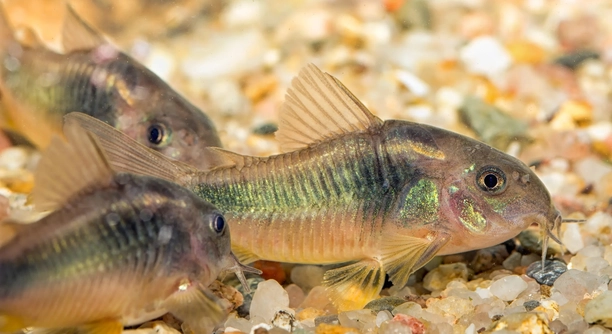
Corydoras catfish are popular aquarium fish known for their peaceful nature and active behaviors. However, like all pets, they require proper care to stay healthy and lively. Ensuring they remain active is essential for their well-being.
Maintaining an active and healthy environment for your Corydoras catfish involves providing a proper diet, suitable water conditions, regular tank maintenance, and enough space for swimming. Regular interaction with tank mates and stimulating their natural instincts can also help promote activity.
These tips will keep your Corydoras catfish happy and active, promoting long-term health. Read on to discover more about how you can create the perfect environment for your fish.
Provide a Balanced Diet
A well-rounded diet is crucial for keeping Corydoras catfish active. They are omnivores, so they benefit from a combination of protein and plant-based foods. Offering a mix of high-quality pellets, frozen or live foods like bloodworms, and occasional vegetable matter will ensure they stay healthy and energized. Overfeeding can lead to water quality issues, so it’s important to provide the right portion size.
Feeding them once or twice a day is enough. Always remove any uneaten food after a few hours to maintain clean water conditions.
The right diet also plays a key role in keeping their immune system strong. Healthy Corydoras catfish are more active and less likely to develop diseases. Be mindful of the water temperature and keep an eye on the condition of the food you offer to prevent any potential issues. Consistent, proper feeding is the first step to an active, thriving catfish.
Keep the Tank Clean
Maintaining clean water is essential for Corydoras catfish health. Regular water changes and proper filtration can prevent the buildup of harmful toxins. Clean water also promotes active behavior by allowing your catfish to thrive in a comfortable environment.
A clean tank prevents stress and keeps your Corydoras swimming happily. Regular maintenance, like cleaning the substrate, is also vital. Cleanliness encourages their natural behaviors, including foraging and socializing with tank mates. Healthy water quality supports long-term well-being.
Provide Ample Swimming Space
Corydoras catfish are active swimmers and need plenty of space to move around. A cramped tank can limit their activity and cause stress. Aim for at least 20 gallons for a small group of Corydoras. More space means more opportunities for swimming, exploring, and interacting with tank mates.
A spacious tank also allows for the installation of various hiding spots and plants, which help mimic their natural environment. Corydoras catfish enjoy exploring and foraging, and having room to do so promotes their health. The more they can swim, the more active they will be.
Moreover, a larger tank helps maintain better water quality. When you have adequate space, waste disperses more evenly, reducing the chances of toxic buildup. A clean environment contributes to their overall health and activity levels. So, always prioritize tank size when setting up your Corydoras habitat.
Maintain Proper Water Temperature
Corydoras thrive in a warm environment, with temperatures between 72-78°F (22-26°C). Water that’s too cold can cause lethargy and weaken their immune system. Maintaining a stable temperature is crucial to keeping them active. A reliable aquarium heater can help regulate the temperature effectively.
Too much fluctuation in temperature can stress out your Corydoras. They prefer consistency, as sudden drops or spikes can cause illness or inactivity. Use a thermometer to check the water regularly, ensuring it stays within the ideal range. Stability promotes energy and activity levels.
Providing the correct temperature also ensures that your catfish’s metabolism works efficiently. In colder water, Corydoras may become sluggish, and their digestive systems slow down. Consistent warmth supports healthy digestion and a more energetic, active catfish.
Add Tank Mates That Encourage Activity
Corydoras catfish are social creatures and thrive in the company of other peaceful fish. Adding tank mates that encourage activity can boost their energy levels. Choose compatible species that swim at similar depths and do not cause stress.
A few examples of good tank mates are peaceful tetras, rasboras, or guppies. These fish swim actively and peacefully, which can stimulate your Corydoras to be more energetic. Having other fish in the tank encourages natural behaviors, like schooling and foraging.
However, avoid aggressive fish that could stress your Corydoras or invade their territory. Properly selected tank mates enhance their environment and activity levels.
Use Substrate for Natural Behavior
Corydoras catfish are bottom dwellers, and they naturally sift through the substrate to find food. Providing a soft, sandy substrate helps them carry out this behavior without injury. It also mimics their natural habitat, encouraging them to remain active and engaged.
When selecting substrate, avoid sharp gravel or rough materials that could harm their sensitive barbels. A fine sand substrate allows them to root around comfortably and safely. It also promotes natural digging and scavenging behaviors, which are vital for their overall health and activity.
A proper substrate will not only improve their behavior but also enhance tank aesthetics by creating a more natural look.
Offer Hiding Spots
Corydoras feel more secure and less stressed when they have places to hide. Small caves, driftwood, and dense plants provide safe spaces where they can retreat when they need rest. Proper hiding spots also reduce stress and help them feel more confident.
Having hiding areas also keeps them active. When they feel secure, they will explore and interact with their environment more frequently. A tank with various hiding spots will encourage them to move around more freely, which boosts their activity levels.
FAQ
How often should I feed my Corydoras catfish?
Corydoras catfish should be fed once or twice a day. Overfeeding can lead to poor water quality, which can negatively affect their health. Only offer as much food as they can consume in a few minutes, and remove any uneaten food to prevent water contamination. Variety is key to providing a balanced diet, so mix different foods like pellets, frozen or live foods, and occasional plant matter to keep them healthy and active.
Can Corydoras catfish live alone?
Corydoras catfish are social fish that do better in groups. Keeping them alone can lead to stress and inactivity. It’s recommended to keep at least three to five Corydoras together. In a group, they feel more secure and are more likely to exhibit their natural behaviors, including swimming and foraging. The presence of other Corydoras also reduces their stress levels, making them more active and healthier.
What water conditions are best for Corydoras catfish?
Corydoras catfish thrive in slightly acidic to neutral water, with a pH range of 6.5 to 7.5. They prefer soft to moderately hard water. Regular water changes are essential to maintain these conditions, as poor water quality can stress the fish and make them less active. Use a reliable filter to keep the water clean and make sure the temperature remains stable, between 72°F and 78°F (22°C to 26°C), to ensure they stay active and healthy.
Do Corydoras catfish need a lot of space?
Yes, Corydoras catfish require enough space to swim and explore. A 20-gallon tank is a good starting point for a small group of Corydoras. Providing ample space allows them to exhibit their natural behaviors, such as foraging and socializing. A larger tank also helps maintain better water quality, which is crucial for their health. Without enough space, Corydoras can become stressed, leading to reduced activity levels and potential health problems.
How can I tell if my Corydoras catfish are stressed?
Stressed Corydoras catfish may display signs such as hiding more than usual, swimming erratically, or rubbing against objects in the tank. Stress can be caused by poor water quality, aggressive tank mates, or inappropriate tank conditions, like incorrect temperature or pH levels. When stressed, Corydoras may become less active and could stop eating. Keeping the tank clean, maintaining proper water conditions, and selecting peaceful tank mates can help reduce stress and keep your Corydoras healthy.
Can I keep Corydoras with shrimp?
Yes, Corydoras catfish can live with shrimp, as long as the shrimp species is peaceful and doesn’t interfere with the catfish’s food. Shrimp, like Amano shrimp or cherry shrimp, are usually safe tank mates for Corydoras. The catfish may occasionally stir up the substrate while foraging, which could disturb the shrimp, but they generally coexist well. Just ensure the shrimp aren’t too small, as Corydoras may accidentally nibble on them while scavenging.
What kind of substrate should I use for Corydoras catfish?
Corydoras catfish prefer a soft, sandy substrate. They naturally sift through the substrate in search of food, and sharp gravel or rough surfaces can injure their sensitive barbels. Sand allows them to carry out this behavior without harm. Additionally, a sandy substrate mimics their natural habitat, making the tank more comfortable and stimulating for them. Avoid coarse gravel or large rocks, as they can cause injury and hinder the catfish’s foraging activities.
How can I encourage Corydoras catfish to breed?
To encourage breeding, it’s important to provide optimal water conditions, including slightly cooler temperatures, around 72°F (22°C), and slightly acidic water with a pH of 6.5-7.0. A varied diet, including live or frozen foods, can also help trigger breeding behavior. Corydoras usually breed after water changes, so simulate the rainy season by performing a large water change with slightly cooler water. Providing plenty of hiding spots, such as plants or caves, will give the breeding pair a safe place to lay their eggs.
Are Corydoras catfish hardy fish?
Corydoras catfish are relatively hardy, especially when kept in appropriate conditions. They can adapt to a range of water parameters, but they do best in stable, well-maintained tanks. Their resilience also extends to temperature changes, but extreme fluctuations can cause stress or illness. Keeping the tank clean, monitoring water parameters, and providing a balanced diet will help ensure your Corydoras remain healthy and active for years to come.
Do Corydoras catfish need a filter?
Yes, Corydoras catfish benefit from a well-maintained filtration system. These fish produce waste, and a filter helps to maintain water quality by removing debris and harmful substances like ammonia and nitrates. A filter also helps circulate the water, ensuring proper oxygenation and keeping the environment fresh. Choose a gentle filter that won’t create strong currents, as Corydoras prefer calm waters. Regular maintenance of the filter is essential to keep your Corydoras’ habitat clean and healthy.
Final Thoughts
Corydoras catfish are relatively easy to care for, making them a popular choice for both beginner and experienced aquarium keepers. These peaceful fish thrive in a tank with proper care, suitable tank mates, and the right water conditions. They are active and social creatures, and keeping them in groups enhances their well-being. With proper attention to their diet, environment, and overall health, Corydoras can live a long and happy life. Understanding their natural behaviors and needs will help you create a habitat that encourages activity and maintains their health.
The key to keeping your Corydoras catfish active and healthy lies in replicating their natural environment as closely as possible. This includes providing a soft substrate for them to forage in, a balanced diet that includes a variety of foods, and suitable tank mates that encourage activity without causing stress. Regular water changes and maintaining stable water conditions are essential for their health. By paying attention to these factors, you can ensure that your Corydoras remain active, vibrant, and free from stress.
By considering the specific needs of your Corydoras catfish, such as their social nature, feeding habits, and preference for hiding spots, you can create an environment that supports their physical and mental well-being. Incorporating these practices into your routine will not only help your Corydoras live a more fulfilling life, but it will also enhance the overall beauty of your aquarium. Their playful and peaceful nature can add a lot of charm to your tank, making them a joy to watch and care for.

Hello,
If you enjoy the content that we create, please consider saying a "Thank You!" by leaving a tip.
Every little bit helps us continue crafting quality advice that supports the health, happiness, and well-being of pets around the world, for pets of all shapes, sizes, and species.
We really appreciate the kindness and support that you show us!