
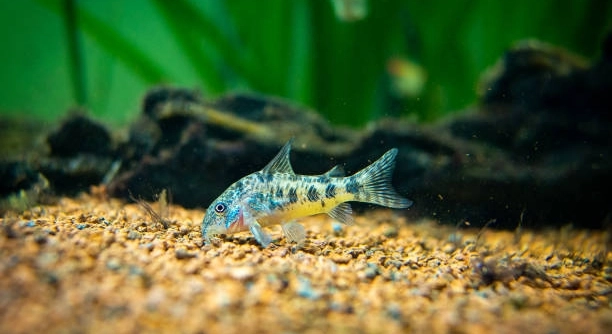
Corydoras catfish are active, social fish that thrive in environments with ample hiding spots. Without proper hiding places, they may become stressed or display signs of discomfort. Ensuring they have enough hiding options promotes better health and well-being.
Corydoras catfish are naturally inclined to seek hiding spots for security. A lack of sufficient shelters can lead to stress, which may result in abnormal behavior such as hiding too much, excessive skittishness, or even a decrease in appetite.
With the right adjustments, you can improve your catfish’s environment. Adding more hiding spots will provide a sense of security and reduce stress, helping them feel more comfortable and happier.
1. Stress from Lack of Hiding Spots
Corydoras catfish are naturally shy creatures. They feel safer when they have places to hide, whether it’s under rocks, plants, or other decorations. Without hiding spots, they can become stressed, which may affect their behavior and overall health. Stress in these fish is often noticeable when they stay in one spot for long periods, swim erratically, or show signs of aggression. If you notice these behaviors, it might be time to adjust their environment.
Inadequate hiding spots lead to more than just a stressed catfish. They can become more susceptible to illness and may stop eating, which can impact their health.
To create a healthier, more comfortable environment, make sure your Corydoras have enough space and places to feel secure. This simple change will help them feel at ease, reducing anxiety and promoting better well-being. Adding decorations like caves or plants can mimic their natural habitat, offering a sense of safety that is essential for their overall happiness.
2. Aggressive Behavior from Competition
Sometimes, Corydoras may feel threatened or compete for space in the tank. A lack of hiding spots can cause increased aggression, especially if multiple fish are vying for the same area. This is particularly common in smaller tanks with limited hiding spaces.
Adding more hiding places allows each fish to claim its own territory, reducing competition and aggression. When each Corydoras feels secure in its own space, they are less likely to fight, leading to a calmer environment. This will result in a healthier, more peaceful tank.
Adding hiding spots such as caves, plants, or even a few rocks can go a long way in preventing territorial disputes. It’s important to provide multiple options to ensure that each Corydoras feels safe and can retreat when needed. By creating a stress-free environment with ample hiding spots, you promote harmony within the tank and improve the quality of life for your fish.
3. Hiding Places Improve Feeding Habits
Corydoras catfish can be shy eaters. Without places to hide, they might not feel comfortable enough to feed regularly. This can lead to weight loss and poor health. Adding hiding spots encourages them to come out and feed without feeling vulnerable.
When Corydoras have hiding spots, they are more likely to feel secure enough to eat. They’ll be less skittish, allowing them to forage and consume food. The presence of these shelters promotes natural feeding behavior, ensuring they receive adequate nutrition.
Providing hiding places can also reduce food competition with other tank mates. Corydoras will feel more comfortable eating at their own pace. A well-fed catfish is a healthy catfish. By adding just a few hiding spots, you can improve your Corydoras’ feeding habits and overall health.
4. Improves Social Behavior
Corydoras catfish are social fish that prefer being in groups. However, they can become stressed if they feel exposed or lack places to hide. More hiding spots allow them to retreat and feel safe while still socializing with others in the tank.
When Corydoras feel secure with plenty of hiding places, they can interact more with their group. They’ll swim around more, play, and engage in social behavior, which is essential for their well-being. With multiple hiding spots, they also feel comfortable in their environment, knowing they can always escape if needed.
Adding plants, rocks, or small caves will help replicate their natural habitat. It gives them a sense of safety while promoting social interaction. Happy and secure Corydoras are more likely to swim in groups and display their natural social behavior.
5. Hiding Spots Reduce Stress-Induced Illness
Stress can weaken a Corydoras catfish’s immune system, making it more prone to illness. If they don’t have a safe space, they may remain stressed for longer periods. Adding hiding spots helps alleviate stress and supports a stronger immune system.
A stressed catfish can show symptoms like faded colors or reduced activity. These signs often stem from feeling exposed or insecure. When Corydoras have hiding spots, they can retreat and reduce anxiety, promoting better health and longevity. Healthy fish are less likely to develop stress-related diseases, helping maintain a thriving tank.
6. Prevents Overcrowding in Popular Hiding Areas
In a tank without enough hiding spots, Corydoras may end up fighting over space, leading to overcrowding. This can make it harder for each fish to feel secure. More hiding spots mean each catfish has a space of its own, reducing the need to compete.
When Corydoras have access to multiple hiding places, they’re less likely to crowd together in one area. Overcrowding can increase stress levels, so it’s essential to provide enough hiding spots for everyone. The result is a healthier, happier group of fish that can enjoy their environment without constant competition.
7. Enhances Breeding Opportunities
Corydoras catfish need a peaceful environment to breed. If they feel threatened or exposed, they may not breed at all. Adequate hiding spots offer them a secure place to lay eggs and care for their offspring, increasing their chances of successful breeding.
When Corydoras feel safe, they are more likely to spawn. A variety of hiding spots helps them find the ideal spot to lay eggs, away from tank mates that might disturb them. If your tank is well-equipped with hiding places, you’re more likely to witness natural breeding behavior and new baby catfish.
FAQ
What types of hiding spots are best for Corydoras catfish?
Corydoras catfish prefer a variety of hiding spots, such as caves, plants, and decorations that mimic their natural habitat. They often seek shelter in dark, secluded areas. Using natural materials like driftwood, rocks, and live plants can create ideal spaces for them to feel secure. The more variety you provide, the more likely they’ll find a spot that suits them. Make sure the hiding places are large enough to accommodate the fish without feeling cramped but also not too open, as they prefer sheltered spaces.
How many hiding spots should I provide for my Corydoras catfish?
It’s a good idea to provide at least one hiding spot per Corydoras catfish in your tank. If you have multiple fish, ensure there are enough spots so that each fish can retreat if needed. A general rule is to have one hiding place for every two fish, but the more the better. Overcrowding hiding spots can cause stress and competition for shelter. Adding extra caves, plants, or rocks will give your fish more options, which can reduce stress and help promote better health.
Can Corydoras catfish live without hiding spots?
While Corydoras catfish technically can survive without hiding spots, they may become stressed and anxious without a secure place to retreat. Stress can negatively affect their health, causing them to hide more frequently, become skittish, or lose their appetite. It’s important to provide hiding spots to ensure they feel safe and comfortable. Without these, they may become more vulnerable to illness, especially if they feel threatened by other tank mates.
Do Corydoras catfish need hiding spots all the time?
Yes, Corydoras catfish need access to hiding spots at all times. They are naturally shy and prefer a tank environment where they can retreat to a safe space when needed. While they may spend a lot of time swimming around the tank, having access to hiding spots is essential for their well-being. When they feel stressed, threatened, or simply need a break, they’ll seek shelter. Ensuring there’s always a hiding spot available will keep them from feeling exposed and help prevent health issues.
How do hiding spots help prevent aggression among Corydoras?
Aggression in Corydoras catfish can arise when multiple fish compete for the same space. Without enough hiding spots, they may feel crowded or stressed, leading to territorial disputes or competition. By adding more hiding places, you give each fish its own space, reducing the likelihood of aggression. The fish will be able to claim their own shelter and feel more secure, leading to a more peaceful tank environment. Less competition for space means less stress and better overall health for your Corydoras.
What materials should I avoid using for hiding spots?
Avoid sharp materials or decorations that could harm your Corydoras catfish. Things like rough rocks, broken ceramic pieces, or sharp-edged plastic decorations can cause injury. Always choose smooth materials that are safe for aquarium use. You also want to avoid materials that might alter the water’s pH or chemistry. Some materials, like untreated wood, can leach harmful substances into the water. Stick to aquarium-safe rocks, plants, caves, or decorations that won’t harm your fish or the water quality.
Can I use artificial plants as hiding spots for Corydoras?
Yes, artificial plants can be used as hiding spots for Corydoras, but it’s important to ensure that they are made of soft, non-abrasive materials. Harsh or sharp artificial plants can injure your fish as they swim through them. Additionally, be sure the artificial plants are large enough to provide proper cover without being too crowded. While real plants offer added benefits like water filtration and oxygenation, artificial plants can serve as suitable alternatives if carefully chosen.
Should I add hiding spots if my Corydoras are acting fine?
Even if your Corydoras are not showing signs of stress, it’s still beneficial to provide hiding spots. Corydoras are naturally shy and enjoy the option of retreating to a safe space when they need it. Having these hiding spots available gives them the opportunity to feel secure, which can reduce stress in the long run. Providing them with hiding places is a proactive way to maintain a peaceful and healthy tank environment, ensuring their well-being even if they aren’t currently showing signs of stress.
What’s the best way to place hiding spots in the tank?
Place hiding spots throughout the tank to ensure that Corydoras have options and aren’t forced to compete for the same space. Avoid clustering all the hiding spots in one corner, as this can create overcrowding. Instead, distribute them evenly throughout the tank, including areas near plants, rocks, and the bottom of the tank where Corydoras naturally feel more secure. Make sure the hiding spots are easily accessible, allowing the fish to enter and exit freely.
Can adding too many hiding spots be harmful?
While adding extra hiding spots generally benefits Corydoras, it’s important not to overcrowd the tank. Too many decorations can reduce swimming space and create a cramped environment. Balance is key. Make sure there’s still enough room for your fish to move around freely. Avoid making the tank feel too cluttered or limiting their swimming area. Providing a comfortable, spacious environment along with sufficient hiding spots will help maintain a healthy and stress-free tank for your Corydoras.
Can Corydoras catfish hide in the substrate?
Yes, Corydoras catfish often burrow in the substrate, especially in fine gravel or sand. They enjoy digging around and will sometimes bury themselves partially in the substrate, which helps them feel secure. Providing a soft, fine substrate is important to ensure they can bury themselves without harming their barbels. A substrate that’s too rough can irritate their sensitive barbels, which they use to explore the tank floor. If you notice your Corydoras burrowing, it’s a good sign they feel comfortable in their environment.
Final Thoughts
Providing hiding spots for your Corydoras catfish is an important part of maintaining a healthy tank environment. These fish are naturally shy and feel most comfortable when they have a safe place to retreat to. Without hiding spots, they can become stressed, which can affect their health and overall well-being. Whether you use caves, plants, or decorations, having enough secure spaces in your tank will help your fish thrive. Giving them the option to hide when they feel threatened or simply need a break can prevent stress-related issues.
A variety of hiding spots will also help to prevent aggression and competition among tank mates. Corydoras are peaceful fish, but without enough space to hide, they can feel crowded or territorial. This can lead to conflicts, which may harm the fish or reduce their lifespan. By offering multiple hiding options, you create a more peaceful and harmonious environment where each fish can feel secure. The more hiding spots available, the less likely the fish will fight over space, which can promote a healthier and more balanced tank.
In the end, adding hiding spots to your tank is a simple but effective way to care for your Corydoras catfish. These small adjustments can have a big impact on their overall health, behavior, and quality of life. While they may not always be visible, these fish will appreciate the option to retreat when needed. The right hiding spots give your Corydoras the comfort they need, allowing them to live a stress-free and happy life in your aquarium.

Hello,
If you enjoy the content that we create, please consider saying a "Thank You!" by leaving a tip.
Every little bit helps us continue crafting quality advice that supports the health, happiness, and well-being of pets around the world, for pets of all shapes, sizes, and species.
We really appreciate the kindness and support that you show us!