
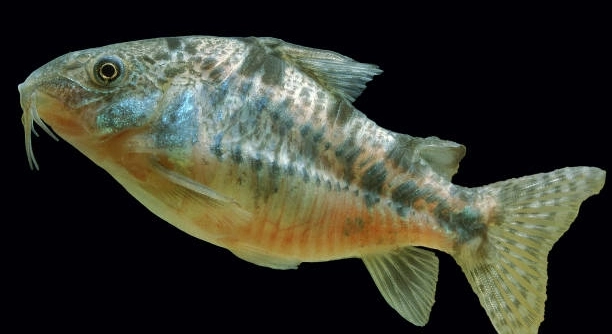
Corydoras catfish are fascinating creatures that thrive in aquariums. However, they sometimes react unpredictably when there are changes in their tank environment. This article explores the factors influencing their behavior and helps you understand why they act differently.
Changes in water temperature, water quality, tank mates, and other environmental factors can cause Corydoras catfish to react in various ways. Their behavior is influenced by stress, comfort, and the need for adaptation to new conditions.
Understanding how these factors affect your Corydoras will help you create a better environment for them. Keep reading to learn more about managing their reactions.
Water Temperature Fluctuations
Corydoras catfish are sensitive to changes in water temperature. Even small shifts can cause them to become stressed or sluggish. If the temperature is too high or low, their behavior may change, leading to hiding or reduced activity. Maintaining a stable temperature between 72-78°F (22-26°C) is ideal for their health and well-being.
Even a few degrees change can be alarming for these fish. Keeping a consistent environment helps them feel safe and comfortable. A heater with a reliable thermostat is essential to avoid sudden temperature changes.
When temperature fluctuations happen, Corydoras may react by staying in one spot, resting more often, or even becoming less responsive. In more extreme cases, they may start showing signs of stress like rapid gill movement or erratic swimming. If you notice such changes, it’s a sign to monitor and adjust the water temperature quickly.
Water Quality Matters
Water quality plays a crucial role in the health of Corydoras catfish. Poor water quality can quickly lead to stress, affecting their behavior and overall health.
Filtration is necessary to keep the water clean and oxygenated. Regular water changes are also vital to prevent toxins from building up in the tank. Test the water frequently to ensure it’s within safe parameters.
Tank Size and Space
Corydoras catfish need plenty of space to move around. A cramped tank can make them feel stressed, leading to unusual behavior. Ensure your tank is large enough to accommodate the fish and provide them with hiding spots.
If your tank is too small, Corydoras may become more skittish, often darting from one area to another. They prefer larger spaces where they can swim comfortably without feeling trapped. A bigger tank reduces stress and helps them stay active, improving their health.
A well-spaced aquarium setup also encourages natural behaviors, like foraging and exploring. When given space, Corydoras are more likely to exhibit their typical playful, social traits. Be mindful of tank mates as well, as overcrowding can further disrupt their behavior.
Lighting Effects
Lighting has a noticeable impact on Corydoras catfish. Too much or too little light can cause them to react differently, sometimes hiding in darker areas of the tank. Keeping the lighting gentle is key to their comfort.
Bright lights might make them feel exposed or stressed. On the other hand, dim lights or sudden changes in lighting can make them lethargic or shy. The goal is to mimic their natural environment, where light levels vary throughout the day. Using a timer to control light duration can help create a stable environment for them.
By regulating the lighting, you can reduce unnecessary stress and allow your Corydoras to feel safe. This will help them interact with their surroundings and their tank mates more naturally.
Tank Mates
Corydoras catfish prefer peaceful tank mates. Aggressive or overly active fish can cause them stress, affecting their behavior. Choosing compatible species ensures a harmonious environment.
A stressed Corydoras may hide more often or act withdrawn. It’s essential to observe their interactions with other fish to avoid conflict. Tank mates should be calm and non-aggressive.
When Corydoras are kept with compatible fish, they thrive. Social fish, such as peaceful tetras or guppies, work well. A calm community tank helps your Corydoras feel safe and reduces stress-related behavior.
Diet and Feeding
Diet plays a key role in Corydoras behavior. Overfeeding or underfeeding can cause discomfort or stress, leading to changes in how they act in the tank.
Corydoras prefer a balanced diet of sinking pellets, frozen foods, and occasional live snacks. If they’re not eating enough, they might show signs of weakness. Overfeeding, however, leads to poor water quality, making them sluggish. It’s important to offer the right portions and variety.
Feeding habits can also affect their interaction with tank mates. Make sure food is evenly distributed so all fish can feed without competition.
FAQ
Why is my Corydoras catfish swimming erratically?
Erratic swimming in Corydoras is often a sign of stress. It could be caused by factors like sudden changes in water temperature, poor water quality, or the presence of aggressive tank mates. Corydoras are sensitive fish, and any environmental change can cause them to behave unpredictably. If you notice this behavior, check the water parameters first, ensuring that the temperature, pH, and hardness are within acceptable ranges. If the tank has aggressive fish, consider relocating them or adjusting the tank environment for a more peaceful setting.
How can I tell if my Corydoras catfish is stressed?
Stressed Corydoras often exhibit signs like rapid gill movement, erratic swimming, or frequent hiding. You may also notice them rubbing against objects or staying at the bottom of the tank more often than usual. Stress can be triggered by poor water conditions, temperature fluctuations, or incompatible tank mates. If you observe these signs, it’s important to assess the tank’s water quality and environment. Ensuring stable, clean water and minimizing disturbances can help alleviate stress.
What should I do if my Corydoras catfish is hiding?
Corydoras are naturally shy and will often seek shelter in darker areas of the tank. However, if they are hiding excessively, it may indicate that something in their environment is causing stress. Check for sudden changes like water quality issues, aggressive tank mates, or disruptions to their space. Make sure they have plenty of hiding places, but if hiding becomes prolonged, consider adjusting the environment. It’s important to ensure they have a safe, calm space to retreat to when needed.
Why do Corydoras catfish sometimes stop eating?
There are several reasons why Corydoras might stop eating. It could be related to water quality, stress from changes in the environment, or competition for food. If they’re in a tank with dominant fish, they might not get enough food. Corydoras can also become picky eaters if their diet isn’t varied enough. Ensure they’re being fed sinking pellets or other appropriate foods, and avoid overfeeding, which can lead to poor water quality. If the problem persists, check the water parameters and consider isolating the fish to reduce stress.
Can Corydoras catfish live with other fish?
Yes, Corydoras are peaceful and make great tank mates for other non-aggressive fish. They tend to do well with tetras, guppies, and other calm species. However, it’s important to avoid keeping them with overly aggressive or fin-nipping fish, as this can cause them stress and alter their behavior. Corydoras prefer to be in groups, so it’s best to keep them with at least a few others of their kind. This ensures they feel comfortable and social in their environment.
What is the ideal tank size for Corydoras catfish?
Corydoras catfish do best in tanks that provide ample space for swimming and hiding. A minimum tank size of 20 gallons is recommended for a small group. The more space they have, the less stressed they will be. When planning your tank, consider both the fish and any other species you might want to keep. Larger tanks are always preferable, as they allow for better water quality control and a more natural environment for your Corydoras.
Why does my Corydoras catfish spend most of its time at the bottom?
Corydoras catfish are bottom dwellers by nature. Spending time at the bottom of the tank is normal behavior. However, if they are staying there more than usual, it could be a sign of stress, poor water conditions, or a lack of food. They may be seeking safety or resting from disturbances. Ensure the substrate is soft to avoid injury and provide a variety of food types to encourage them to explore. Regularly check the water parameters to rule out any environmental causes.
Can Corydoras catfish live in cold water?
Corydoras are tropical fish and require warmer water to thrive. While they can tolerate slightly cooler temperatures, it’s best to maintain a stable water temperature between 72-78°F (22-26°C). Water that is too cold can cause stress and slow down their metabolism. If you live in an area with colder water, using a heater to maintain the right temperature is essential for their health and well-being.
How often should I change the water for my Corydoras catfish tank?
Regular water changes are important for maintaining a healthy environment for Corydoras. Typically, 20-30% of the tank water should be changed every week or two, depending on the tank’s size and the number of fish. Over time, waste buildup can lead to poor water quality, which can stress your fish. Always test the water before changing it to ensure it’s free from harmful chemicals like ammonia and nitrites. Make sure the new water is at the same temperature as the tank to avoid shocking your fish.
Why do Corydoras catfish “play” in the substrate?
Corydoras are known for their playful behavior in the substrate, using their barbels to search for food and explore their surroundings. This is normal and part of their natural foraging behavior. They are bottom-feeding fish, so they often sift through the substrate to find food or simply explore their environment. Providing a soft, fine substrate allows them to perform this behavior without injury. Ensure there are plenty of hiding spots and decorations to encourage their natural behavior.
Are Corydoras catfish sensitive to light?
Yes, Corydoras can be sensitive to bright or sudden changes in lighting. They prefer dimmer conditions, which mimic their natural environment. Harsh lighting can cause them to become stressed, leading to hiding or reduced activity. It’s a good idea to use a gentle, adjustable light to avoid overwhelming them. A consistent day-night cycle with moderate lighting will help them feel secure.
Final Thoughts
Corydoras catfish are sensitive creatures that require specific care to thrive in a tank. Their behavior can be influenced by many factors, including water quality, tank mates, and diet. Understanding these aspects is crucial in ensuring they live a healthy and happy life. While they are generally peaceful, stress from aggressive tank mates or environmental changes can cause them to act differently. By monitoring these factors and maintaining a calm, stable environment, you can help your Corydoras feel secure and enjoy their time in the tank.
Providing your Corydoras with the proper tank size, compatible tank mates, and a varied diet will help them flourish. They thrive in groups, so it’s important to have more than one in the tank. This helps reduce stress and encourages natural behavior. Keeping the water clean and maintaining proper temperature and pH levels are key to their well-being. Regular water changes and observing their behavior will help you detect any potential issues early on. With a little attention and care, Corydoras can become a delightful addition to any aquarium.
In conclusion, knowing why your Corydoras reacts differently to changes in its tank can improve its health and behavior. It’s all about creating a peaceful, stable environment for these bottom-dwelling fish. By following the right practices and addressing stress factors, you can ensure that your Corydoras live a long, healthy life in your aquarium. Whether it’s ensuring the water is clean, choosing the right tank mates, or providing enough hiding spots, these small efforts will make a big difference. Keeping these factors in mind will help you create a thriving aquarium for your Corydoras.

Hello,
If you enjoy the content that we create, please consider saying a "Thank You!" by leaving a tip.
Every little bit helps us continue crafting quality advice that supports the health, happiness, and well-being of pets around the world, for pets of all shapes, sizes, and species.
We really appreciate the kindness and support that you show us!