
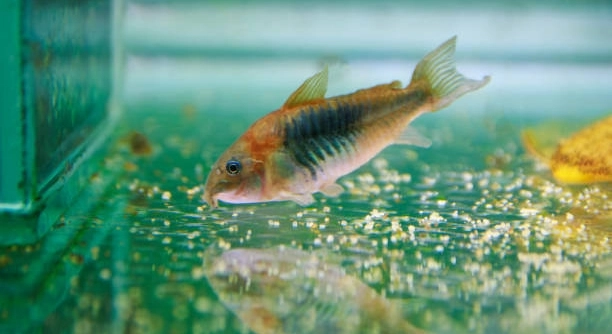
Corydoras catfish are popular aquarium pets known for their playful nature and helpful cleaning habits. However, keeping them healthy requires understanding their specific needs and environment.
To keep Corydoras catfish healthy, it’s essential to maintain water quality, provide a balanced diet, and ensure they have a suitable tank environment. Regular maintenance and monitoring will help prevent common issues and keep your catfish thriving.
By following these simple steps, you can ensure your Corydoras stay active and happy. Keeping an eye on water parameters and tank conditions is a straightforward way to enhance their overall well-being.
Tank Setup and Water Quality
The foundation of a healthy tank for your Corydoras catfish is proper water quality. These fish are sensitive to poor water conditions, so maintaining clean, stable water is essential. They thrive in soft, slightly acidic water with a temperature range of 72-78°F (22-26°C). Regular water changes and using a good filtration system will help keep ammonia and nitrates at safe levels. Make sure the filter flow isn’t too strong, as Corydoras prefer gentle currents.
Always test your water regularly using an aquarium test kit. It’s important to monitor the pH, hardness, and nitrate levels to make adjustments as needed. Dirty water can lead to stress, disease, and reduced lifespans. Clean tanks also prevent algae buildup, which can affect your fish’s health.
Maintaining water quality is more than just a weekly chore. It’s about creating an environment where your Corydoras can feel safe and relaxed. These small but important steps help avoid long-term issues and ensure the best possible living conditions. When done properly, your catfish will be able to thrive and stay active in their tank.
Proper Diet for Corydoras
Corydoras are bottom dwellers and scavengers, often feeding on leftovers in their habitat. However, providing them with a balanced, nutritious diet is crucial for their well-being. They benefit from a mix of sinking pellets, frozen or live foods like bloodworms, and occasional vegetables.
A varied diet helps prevent malnutrition, which can lead to health issues. Overfeeding should be avoided to keep the tank clean. Offering food in small amounts ensures your fish have enough time to find and eat it. The right food will support their immune system and keep them energetic.
A properly balanced diet not only promotes healthy growth but also supports reproduction and immune system strength. A mix of protein, fiber, and vitamins will ensure your Corydoras remain active and avoid digestive problems.
Tank Mates for Corydoras
Corydoras are peaceful fish, which makes them easy to pair with other species. They do well with other non-aggressive fish like tetras, guppies, and small rasboras. Avoid keeping them with large or aggressive fish that might stress them out.
When choosing tank mates, consider the tank’s size and each species’ temperament. Corydoras prefer calm, slower-moving companions. A tank with too many active or territorial fish can make them feel stressed, which impacts their health. Ensuring there’s enough space for everyone is key to keeping the peace.
Adding live plants and hiding spots can also make your Corydoras feel secure. Plants provide shade and cover, while rocks or decorations give them places to explore and rest. With the right environment and careful consideration of tank mates, your Corydoras will feel comfortable and be less prone to stress.
Temperature and Lighting
Corydoras are fairly tolerant of a range of temperatures, but they do best in a stable environment. The water should stay between 72°F and 78°F (22°C-26°C). Any significant temperature changes can cause stress, so using a reliable heater is essential.
Consistent temperatures help prevent sudden fluctuations that could harm your fish. If your tank gets too hot or too cold, Corydoras may become sluggish or more susceptible to diseases. A thermometer is helpful for monitoring the water’s stability.
Corydoras are not particularly sensitive to lighting, but low to moderate light is ideal. Bright lights can stress them out, especially if they don’t have enough hiding spaces. Having dim lighting or using plants to create shaded areas helps them feel more comfortable.
Regular Tank Maintenance
Routine maintenance is necessary for keeping Corydoras healthy. Cleaning the tank regularly, including gravel vacuuming and water changes, prevents waste buildup. Aim for 25-30% water changes each week to maintain good water quality.
Proper filtration and removing uneaten food are also part of the maintenance routine. A clean tank reduces the risk of disease and keeps your fish happy. Without regular upkeep, harmful substances like ammonia can accumulate, stressing your Corydoras and affecting their immune system.
Health Monitoring
Watch for signs of illness in Corydoras, such as lethargy, faded colors, or loss of appetite. These could indicate stress, poor water quality, or disease. Early detection helps prevent further issues.
If you notice unusual behavior, take action quickly by checking water parameters or isolating affected fish. The sooner you address a problem, the better. Keeping a close eye on your catfish allows for quick intervention, reducing the risk of more serious health problems later on.
Tank Size and Space
The size of your tank should be adequate for the number of Corydoras you keep. They do best in groups, so make sure there’s enough space for them to swim comfortably. Overcrowding can lead to stress.
A 20-gallon tank is a good starting point for a small group of Corydoras. More fish require more space to avoid territorial behavior and competition for resources. Having a proper tank size reduces stress and helps keep the water quality stable, which is crucial for the well-being of your Corydoras.
FAQ
How many Corydoras should I keep together?
Corydoras are social fish and thrive in groups. It’s best to keep at least 3-6 Corydoras together. A small group will help reduce stress and encourage natural behavior, such as foraging and schooling. A larger group will allow them to feel more secure and create a more active tank. Keeping them alone can lead to loneliness and possible stress-related health problems. A bigger group also helps improve the chances of breeding in your aquarium.
What size tank do Corydoras need?
The size of the tank depends on how many Corydoras you plan to keep. For a small group of 3-6, a 20-gallon tank is a good minimum. As you increase the number of fish, you’ll need a larger tank to provide adequate space. A 40-gallon tank is suitable for a larger group, while a 75-gallon tank could house multiple species of Corydoras or a community tank with other peaceful fish. The more space they have, the less territorial they’ll be, and it’s easier to maintain water quality.
Can Corydoras live with other fish?
Yes, Corydoras are peaceful and do well with other non-aggressive species. They’re bottom dwellers and spend most of their time near the substrate, so they don’t compete with top or mid-level swimmers. Avoid keeping them with large, aggressive fish that might intimidate or harm them. Peaceful species like neon tetras, guppies, and small rasboras make good tank mates. Additionally, ensuring the tank has enough hiding spots will help Corydoras feel secure.
What should I feed Corydoras catfish?
Corydoras are omnivores and enjoy a varied diet. They need sinking pellets as a base food, as they prefer to forage along the substrate. Supplement their diet with frozen or live foods like bloodworms, brine shrimp, or daphnia. Vegetables like blanched zucchini or spinach can be offered occasionally for added nutrients. It’s important to avoid overfeeding to maintain good water quality, and make sure any uneaten food is removed to prevent decay in the tank.
Do Corydoras need a filter?
Yes, a filter is essential for maintaining water quality. Corydoras are sensitive to poor water conditions, and a good filter will help remove waste, toxins, and excess nutrients from the water. However, make sure the filter’s current is not too strong. Corydoras prefer gentle currents, and a filter with adjustable flow or a sponge filter works best. A well-maintained filter ensures that your Corydoras have access to clean, oxygenated water, which is vital for their health.
What temperature is best for Corydoras?
Corydoras thrive in water temperatures between 72°F and 78°F (22°C to 26°C). Keeping the water within this range helps to avoid stress and encourages normal activity. Sudden temperature fluctuations can be harmful, so a reliable aquarium heater is necessary to maintain stable conditions. It’s also important to monitor the tank’s temperature regularly with an aquarium thermometer, especially during seasonal changes or when adding new equipment to the tank.
How often should I change the water in my Corydoras tank?
Water changes are a vital part of maintaining healthy conditions for Corydoras. Aim to change 25-30% of the water weekly. Regular changes help keep ammonia and nitrate levels in check, preventing harmful toxins from building up in the tank. Use an aquarium vacuum to clean the substrate and remove any debris that may have settled on the bottom. In addition to water changes, test the water regularly to ensure the pH, hardness, and other parameters are within the ideal range for your fish.
Are Corydoras easy to breed?
Breeding Corydoras is possible in a home aquarium, but it requires a bit of preparation. The fish typically breed when the water temperature is slightly increased, and the water quality is optimal. Female Corydoras will lay eggs on surfaces such as plants, glass, or decorations. Male Corydoras will fertilize the eggs shortly after they are laid. The eggs usually hatch in about 4-6 days. If you want to encourage breeding, make sure you have a group of healthy, mature Corydoras in a spacious, well-maintained tank. Additionally, separating the eggs from the adult fish after spawning can help prevent them from being eaten.
Why are my Corydoras staying at the surface?
Corydoras are bottom dwellers, so they should typically stay near the bottom of the tank. If they are consistently staying at the surface, it could be a sign of poor water quality or low oxygen levels. Check the oxygenation in the tank and ensure that the water is clean and within the proper temperature range. Additionally, ensure that your filter is working well and that water parameters, including ammonia, nitrate, and pH levels, are optimal. If problems persist, observe their behavior for other signs of illness, such as faded colors or lethargy.
Final Thoughts
Taking care of Corydoras catfish is not complicated, but it does require attention to detail. By ensuring that their tank environment is clean, well-maintained, and stable, you’ll be providing the foundation for a healthy and happy life for your fish. Water quality is one of the most important factors to monitor regularly, and this involves keeping an eye on temperature, pH, and other water parameters. Consistent water changes, along with proper filtration, will help keep the tank in top condition. When these factors are properly managed, Corydoras thrive, displaying their playful behavior and colorful features.
In addition to maintaining the right water conditions, providing a proper diet is crucial for Corydoras health. Offering a variety of sinking pellets, live foods, and occasional vegetables ensures they get the proper nutrients they need. It’s important not to overfeed, as uneaten food can pollute the water, leading to unhealthy tank conditions. If you pay attention to their feeding habits, you’ll help them avoid digestive issues, contributing to their overall well-being. Remember that a balanced diet is key to keeping your Corydoras strong and active.
Lastly, Corydoras catfish are peaceful creatures that enjoy the company of their own kind, so keeping them in groups of at least three will help them feel secure. Pair them with other gentle, non-aggressive species to create a harmonious tank environment. While they do best in a tank with plenty of hiding spaces and plants, Corydoras are adaptable and do well in many types of setups. As long as you provide the basics—good water, the right tank mates, and a varied diet—your Corydoras will stay healthy and bring life to your aquarium. Taking care of them is not a difficult task but requires regular observation and small adjustments to their environment to keep everything running smoothly.

Hello,
If you enjoy the content that we create, please consider saying a "Thank You!" by leaving a tip.
Every little bit helps us continue crafting quality advice that supports the health, happiness, and well-being of pets around the world, for pets of all shapes, sizes, and species.
We really appreciate the kindness and support that you show us!