
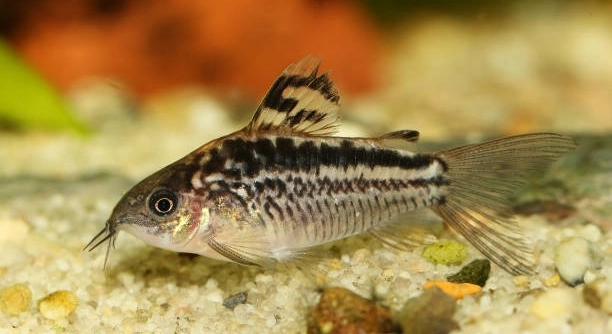
Corydoras catfish are a popular choice for aquarium owners. Their friendly nature and unique appearance make them a great addition to any tank. However, it’s important to know a few things before introducing them into your aquatic environment.
Corydoras catfish are peaceful bottom-dwellers that thrive in groups and require specific care to stay healthy. They need clean water, appropriate tank mates, and a well-maintained environment to flourish. Their diet and tank conditions also play a significant role in their well-being.
Understanding these factors will help ensure that your Corydoras catfish live a long, healthy life. Keep reading to learn the essential points to consider before adding them to your tank.
The Importance of Tank Setup for Corydoras Catfish
Corydoras catfish are sensitive to water quality, so a well-maintained tank is crucial. They require clean, stable water to thrive, as poor conditions can lead to stress and health problems. The ideal water temperature should be between 72°F and 78°F, with a pH level between 6.0 and 7.5. Regular water changes are necessary to maintain a healthy environment. Adding a gentle filter will help keep the water clean without creating strong currents that can stress the fish.
A fine substrate, such as sand, is ideal for Corydoras, as they like to forage along the bottom. Gravel can be too sharp for their sensitive barbels. Make sure there are plenty of hiding spots, like plants or rocks, so they feel secure. These fish enjoy a peaceful environment with no aggressive tank mates, which is essential for their well-being.
When setting up the tank, avoid overcrowding. Overcrowding leads to increased waste and poor water quality, which can harm your fish. A spacious setup with enough hiding spots and soft substrate will create a stress-free environment where Corydoras can thrive.
Tank Mates for Corydoras Catfish
Corydoras are peaceful and social fish, meaning they do well with other calm species. They are non-aggressive and prefer to be in schools of at least three to five individuals. This social behavior helps them feel safe and confident. Avoid housing them with large or overly aggressive fish, as this can cause stress.
Tank mates like tetras, guppies, or small rasboras make great companions for Corydoras. These fish are also peaceful and will not compete for space or food. However, avoid any species that might nip at their fins or disturb their bottom-dwelling habits. Corydoras do not interact much with the upper parts of the tank, so fish that stay near the surface will not interfere with them.
Additionally, make sure the other fish in the tank have similar water requirements. Corydoras prefer a slightly acidic environment, so pairing them with fish that thrive in the same conditions will promote overall tank health. Keep the tank clean and avoid introducing species that may cause harm, ensuring a harmonious tank environment.
Feeding Corydoras Catfish
Corydoras are bottom-feeding scavengers, and their diet should include sinking pellets, algae wafers, and occasionally, frozen or live food like bloodworms or brine shrimp. They will also forage for leftovers in the tank. Feeding them once or twice a day is ideal.
They don’t need a complex diet, but providing a variety of food will help them stay healthy. Overfeeding should be avoided, as it can lead to poor water quality. Excess food left in the tank can decay, causing harmful spikes in ammonia and nitrates.
Feeding them small amounts ensures they have enough time to find the food at the bottom of the tank. Sinking pellets are the most efficient option. When feeding, make sure the food sinks quickly, as Corydoras are not strong swimmers. Avoid floating foods that might end up at the surface, as these can be difficult for them to reach.
Tank Maintenance for Corydoras Catfish
Corydoras are sensitive to dirty water, so regular tank maintenance is key. Frequent water changes, at least once a week, are necessary to keep the tank clean. During water changes, clean the substrate and remove any debris.
Corydoras are sensitive to water conditions, so it’s essential to test for ammonia, nitrates, and pH levels regularly. Water quality impacts their health, and poor water conditions can quickly lead to illness. A reliable filtration system is important, but ensure it doesn’t create too much current. Corydoras prefer calm waters.
Maintaining proper water parameters also helps prevent common diseases. They are prone to infections, especially when stressed. If the water becomes too polluted or the tank setup isn’t ideal, they can develop skin problems or respiratory issues. Keep an eye on their behavior, and if they seem lethargic or have difficulty breathing, consider testing your tank’s water immediately.
Breeding Corydoras Catfish
Breeding Corydoras is possible in a home aquarium, but it requires specific conditions. Provide a breeding tank with clean, soft water and slightly cooler temperatures. Separate males and females until they are ready to mate.
Corydoras lay their eggs on surfaces like plants or rocks. The female can lay up to 100 eggs, and once fertilized, they hatch in 3-5 days. After hatching, the fry will need special care and small food like infusoria or crushed algae wafers.
Ensure the tank is well-maintained during the breeding process to avoid infections. The parents should be removed after the eggs are laid to prevent them from eating the eggs.
Corydoras Catfish Lifespan
Corydoras catfish can live between 5 to 10 years in ideal conditions. Their lifespan depends on factors like water quality, diet, and overall care.
Proper care can lead to long, healthy lives. Regular maintenance and avoiding stress will allow them to reach their full lifespan.
Common Health Issues for Corydoras Catfish
Corydoras are generally hardy but can develop health problems. Common issues include skin infections, fin rot, and internal parasites. Signs of illness may include fading color, difficulty swimming, or lack of appetite.
Addressing water quality and stress is crucial to preventing disease. Keep the tank clean, and ensure all fish are fed properly.
FAQ
What size tank do Corydoras catfish need?
Corydoras are small fish, but they do best in a tank that offers plenty of space to move around. A tank size of at least 20 gallons is recommended for a small group of Corydoras. This provides enough room for them to swim and forage. If you plan to keep more fish with them, you’ll need a larger tank to prevent overcrowding. Too many fish in a small space can lead to poor water quality, which can stress your Corydoras and lead to health problems.
Can Corydoras catfish live alone?
Corydoras are social fish and thrive in groups. It’s recommended to keep them in schools of at least 3 to 5 individuals. Keeping them alone can cause them to feel stressed and insecure. In their natural habitat, Corydoras live in schools for safety and companionship. A small group will help them feel more comfortable and reduce stress.
Do Corydoras catfish eat plants?
Corydoras are not known to eat live plants. They are bottom feeders that primarily consume detritus, small invertebrates, and algae. However, if your tank is very clean and lacking other food sources, they may nibble on plants occasionally, but it’s not their main source of nutrition. Plant-eating fish like snails, shrimp, or certain types of fish might be more likely to damage your plants, but Corydoras are generally harmless to aquatic vegetation.
How often should I feed Corydoras catfish?
Corydoras do best when fed once or twice a day. They are bottom feeders, so they will often forage for leftover food. To avoid overfeeding, you should give them small portions that they can consume within a few minutes. Uneaten food can decay and lead to poor water quality, so be sure to remove any excess food. Feeding them sinking pellets or wafers ensures they can easily access their food.
Do Corydoras need a filter?
Yes, a filter is essential for maintaining good water quality in your Corydoras’ tank. These fish are sensitive to ammonia and nitrite spikes, which can occur if the tank isn’t filtered properly. A filter will help remove waste and debris, keeping the water clean and reducing the risk of disease. However, make sure the filter doesn’t create a strong current, as Corydoras prefer calmer water. A sponge filter is a good choice for smaller tanks or when keeping delicate fish.
Can Corydoras catfish live with other fish?
Yes, Corydoras can live with many other peaceful fish. They generally get along well with other non-aggressive species, such as tetras, guppies, or rasboras. It’s important to avoid pairing them with large or aggressive fish that may harass them. Corydoras prefer to stay near the bottom of the tank, so fish that swim at the top or middle will not interfere with their behavior. Additionally, ensure all tank mates have similar water requirements to prevent stress.
What temperature do Corydoras catfish prefer?
Corydoras catfish prefer a temperature range between 72°F and 78°F (22°C and 25°C). This temperature range mimics their natural environment in South American rivers and ensures they remain active and healthy. Water temperature should be stable and not fluctuate too much, as sudden changes can stress the fish. Using a reliable aquarium heater will help maintain the proper temperature.
Why are my Corydoras catfish swimming at the surface?
If your Corydoras are swimming at the surface, it could indicate a problem with the water quality or temperature. Corydoras are bottom-dwellers and typically stay near the bottom of the tank. If they are swimming at the surface, it might mean they are having trouble breathing due to low oxygen levels, high ammonia, or a lack of filtration. It’s important to check your water parameters, including pH, ammonia, nitrites, and nitrates, and address any issues immediately.
How do I tell if my Corydoras catfish are stressed?
Stressed Corydoras can show signs such as hiding more than usual, reduced activity, loss of appetite, or rapid breathing. They may also display unusual swimming patterns, such as staying near the surface or moving erratically. Stress can be caused by poor water quality, aggressive tank mates, overcrowding, or improper tank conditions. Regular maintenance, proper tank mates, and a stress-free environment can help keep your Corydoras happy and healthy.
Can I keep Corydoras with shrimp?
Corydoras and shrimp can coexist in the same tank, as long as the shrimp are not too small. Shrimp like cherry shrimp or Amano shrimp can get along well with Corydoras. However, it’s important to ensure that the shrimp are not small enough to become potential food for the Corydoras. Corydoras are peaceful and won’t actively hunt the shrimp, but smaller or more vulnerable shrimp could be at risk in the tank.
What should I do if my Corydoras has fin rot?
If you notice signs of fin rot, such as ragged or decaying fins, it’s important to address the issue quickly. Fin rot is usually caused by poor water quality, bacterial infections, or stress. Start by checking the water parameters, performing a water change, and ensuring the tank is properly filtered. If the problem persists, you may need to treat your fish with a mild antibacterial medication. Ensure that the fish are not stressed and that the tank conditions are optimal for recovery.
Do Corydoras catfish need a light on their tank?
Corydoras catfish don’t require bright lighting, as they are naturally adapted to living in darker, murkier waters. However, a low to moderate light level can be beneficial, as it helps plants grow and gives the tank a natural appearance. It’s best to use a timer for the lighting, providing 8 to 12 hours of light per day. Too much light can stress the fish and encourage algae growth, while too little light may affect plant growth. Keep lighting conditions balanced for both your fish and plants.
Final Thoughts
Corydoras catfish are an excellent choice for aquariums, especially for beginners looking for peaceful and low-maintenance fish. These small, bottom-dwelling fish are not only easy to care for but also bring a sense of calm to your tank. They are social creatures and thrive in groups, so it’s important to keep at least three to five Corydoras together. This helps them feel secure and comfortable in their environment. Their simple care requirements make them a popular choice, but it’s still essential to provide them with proper care to ensure they stay healthy and happy.
When it comes to tank setup, Corydoras catfish prefer clean, stable water. They require a gentle filtration system and a soft substrate like sand, which allows them to forage naturally. Regular water changes are important for maintaining water quality, as Corydoras are sensitive to high levels of ammonia or nitrites. The temperature should be kept between 72°F and 78°F, which mimics their natural habitat. Also, avoid overcrowding the tank, as this can lead to poor water quality and increase stress among your fish. A peaceful environment with proper tank mates, such as tetras or guppies, will help reduce stress and create a balanced ecosystem in your tank.
Feeding Corydoras is simple, as they are bottom feeders and will search for food that sinks to the bottom. Sinking pellets or algae wafers are ideal for their diet, and they can also enjoy occasional live or frozen food like bloodworms or brine shrimp. Be mindful of overfeeding, as it can lead to water pollution and stress for the fish. As with any aquarium fish, regular maintenance, such as water testing, cleaning, and monitoring the health of your Corydoras, is key to ensuring their well-being. By following these guidelines, you can enjoy a thriving, peaceful tank with happy Corydoras catfish.

Hello,
If you enjoy the content that we create, please consider saying a "Thank You!" by leaving a tip.
Every little bit helps us continue crafting quality advice that supports the health, happiness, and well-being of pets around the world, for pets of all shapes, sizes, and species.
We really appreciate the kindness and support that you show us!