
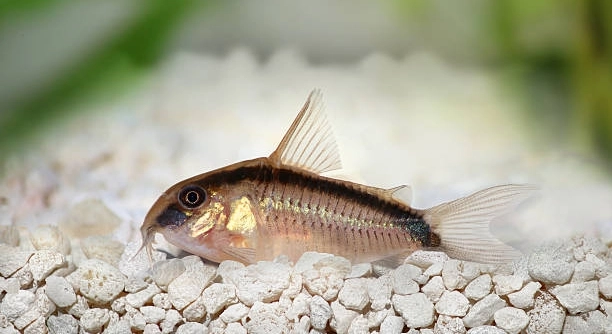
Corydoras catfish are a popular choice for aquarium enthusiasts, known for their peaceful nature and unique charm. However, keeping them healthy requires attention to detail, as they can be susceptible to various diseases.
To prevent diseases in Corydoras catfish, maintaining optimal water quality, a balanced diet, and consistent tank conditions is essential. Regular tank maintenance, proper filtration, and minimizing stress factors play crucial roles in their overall health and disease prevention.
By following simple but effective tips, you can ensure a long and healthy life for your Corydoras catfish. These strategies are key to preventing common illnesses and keeping your fish thriving in a safe environment.
Keeping Water Clean and Balanced
The key to a healthy Corydoras tank starts with clean, well-maintained water. These fish are sensitive to water quality, so regular water changes are crucial. Aim for about 25% of the tank water to be changed every week to maintain ideal conditions. Additionally, monitor parameters like pH, ammonia, nitrites, and nitrates regularly to prevent dangerous imbalances. Corydoras thrive in soft, slightly acidic to neutral water, typically between 6.0 and 7.5 on the pH scale. Make sure your filtration system is strong enough to handle the tank size, but not so powerful that it creates strong currents that could stress the fish.
The importance of clean water cannot be overstated. Consistently checking and adjusting water quality will help you prevent many common issues, from skin infections to respiratory problems, by ensuring that the environment stays stable and healthy for your fish.
For an extra layer of protection, avoid overcrowding your tank. Too many fish in a small space can lead to excessive waste production and poor water quality. It’s better to keep fewer fish and provide them with the best care possible, than to risk their health by overloading the tank.
Provide a Nutritious and Balanced Diet
A healthy diet is essential for Corydoras to stay strong and resist illnesses. Their diet should include high-quality pellets, sinking wafers, and occasional treats like frozen or live foods. Varying their food ensures they get a balanced intake of vitamins, minerals, and proteins.
Feeding them too much can lead to water contamination, so it’s important to offer only as much food as they can consume in a few minutes. Clean up any excess food promptly to avoid it decaying and affecting water quality. It’s essential to provide a varied diet, including algae-based foods, to support their natural foraging behavior.
A well-fed Corydoras is less likely to develop diseases, as a proper diet boosts their immune system. Nutrient deficiencies can weaken them, making them more susceptible to infections and parasites. Therefore, a balanced diet, along with water maintenance, is one of the simplest yet most effective ways to keep your Corydoras in top shape.
Maintain Stable Tank Conditions
Corydoras are sensitive to sudden changes in temperature and water conditions. To keep them healthy, maintain stable water temperatures between 72-78°F. Fluctuations can cause stress, weakening their immune systems and making them more vulnerable to illness. Use a reliable aquarium heater to ensure consistent warmth.
Additionally, it’s important to keep the tank’s lighting gentle. Bright, constant light can stress Corydoras, so it’s best to simulate natural day-night cycles. This helps them feel secure and less stressed. Use a timer to ensure the lights go on and off at regular intervals.
By maintaining consistent temperatures and lighting, you’re helping your fish avoid stress, which is one of the biggest causes of disease. A calm environment allows them to thrive and stay active without the risk of compromised health from extreme changes in their habitat.
Quarantine New Fish
Before adding any new fish to your Corydoras tank, quarantine them for at least two weeks. This prevents the introduction of diseases that new fish might carry without showing visible symptoms. A separate quarantine tank allows you to observe any potential issues closely.
During this period, check for signs of illness, such as discoloration, abnormal behavior, or lesions on the body. If any symptoms appear, treat the new fish immediately before introducing them to your main tank. It’s important to avoid cross-contaminating equipment or water between the quarantine and main tank.
By quarantining new arrivals, you help prevent the spread of diseases to your Corydoras, keeping your tank environment safe and healthy. Taking this precaution will save you from unnecessary stress and potential outbreaks, ensuring all your fish stay in the best condition possible.
Avoid Overcrowding
Overcrowding can lead to poor water quality and increased stress. When there’s not enough space for all the fish, aggression can occur, and filtration becomes less effective. Aim for 1-2 Corydoras per 10 gallons to give them enough room to thrive.
When Corydoras are packed too tightly, their immune systems weaken, making them more prone to diseases. Stress caused by overcrowding also reduces their ability to forage properly and can result in abnormal behavior. Keeping the tank lightly stocked helps maintain the balance and ensures your fish are happy and healthy.
Use Proper Filtration
A good filtration system is crucial for Corydoras health. They produce waste like any fish, and poor filtration can quickly lead to toxic levels of ammonia or nitrites, which can harm them. Choose a filter suitable for your tank size and water flow preferences.
Be sure to clean the filter regularly to keep it functioning well. A clogged filter can be just as harmful as one that is too weak, as it will fail to remove waste and debris efficiently. Clean it with tank water to avoid killing beneficial bacteria.
Treat Diseases Early
If you notice any signs of illness, treat them as soon as possible. The longer a disease goes untreated, the harder it is to manage. Start by isolating the sick fish in a separate tank to avoid spreading the illness.
Look for symptoms such as abnormal swimming, white spots, or faded color. Many fish diseases can be treated with medications available at pet stores. However, make sure to follow the instructions carefully to avoid overdosing, as this can harm your fish further. Early detection is key to preventing outbreaks.
FAQ
What are the common diseases that affect Corydoras catfish?
Corydoras catfish can suffer from a range of diseases, including skin infections, internal parasites, and fungal infections. Some of the most common conditions include ich (white spot disease), fin rot, and dropsy. Ich appears as small white spots on the body, while fin rot can cause the fins to deteriorate and shrink. Dropsy results in swelling and bloating, usually due to internal infections or poor water quality. These issues often arise from stress, poor water conditions, or the introduction of sick fish.
How can I tell if my Corydoras is stressed?
Stress in Corydoras can manifest in several ways. You may notice that they are hiding more than usual, especially in areas with darker corners of the tank. They may also become less active, spend more time at the surface, or swim erratically. Another sign of stress is if they stop eating or begin darting around the tank. It’s important to monitor these behaviors and address the underlying cause, such as poor water quality or aggressive tank mates.
What temperature is best for Corydoras catfish?
Corydoras catfish prefer a stable water temperature between 72°F and 78°F (22°C to 26°C). Temperatures outside this range can stress them, making them more susceptible to disease. It’s important to avoid fluctuations in temperature, so using a reliable aquarium heater is essential to maintain consistent warmth. Corydoras do not tolerate sudden temperature changes well, and extreme heat or cold can cause severe stress and even death.
How often should I clean my Corydoras tank?
Cleaning your Corydoras tank is essential for their health, but it’s important not to overdo it. You should perform a partial water change of about 25% once a week. At the same time, clean the filter and remove any debris or waste from the substrate. This helps keep the water quality high without disturbing the beneficial bacteria in the tank that aid in breaking down waste. Avoid fully cleaning the substrate too often, as it can disrupt the balance of your tank’s ecosystem.
Can I keep Corydoras with other fish?
Yes, Corydoras are peaceful fish and can live harmoniously with many other species, especially those that are not overly aggressive. Ideal tank mates include other peaceful bottom dwellers, small tetras, or livebearers. Avoid keeping them with larger, more aggressive fish that may stress or harm them. Corydoras are also known to be social, so it’s best to keep them in groups of at least three to ensure they feel secure.
What should I feed my Corydoras catfish?
Corydoras are bottom feeders, so their diet should consist mainly of sinking pellets or wafers designed for bottom dwellers. They also enjoy occasional treats like live or frozen foods, including brine shrimp, bloodworms, or daphnia. You can supplement their diet with blanched vegetables like zucchini or spinach. It’s important not to overfeed, as uneaten food can decay and degrade the water quality, leading to health problems. Feed them only what they can eat in a few minutes, and remove any leftovers promptly.
Why is my Corydoras swimming at the surface?
Corydoras are typically bottom dwellers, but if they’re swimming at the surface, it could indicate a water issue. Elevated levels of ammonia or nitrites, or poor oxygenation, can cause them to seek air at the surface. Ensure the water quality is within safe ranges and that the filter is working properly. If the problem persists, you may need to increase aeration in the tank or check for any signs of illness. A Corydoras may also swim at the surface if it’s stressed or frightened.
How do I treat Ich in Corydoras?
Ich (Ichthyophthirius multifiliis) is one of the most common diseases in freshwater fish. It is easily recognizable by white cysts on the body and fins. To treat Ich, raise the water temperature to around 80°F (27°C) to speed up the parasite’s life cycle. Use a commercially available medication designed for treating Ich. Follow the instructions carefully and continue treatment for several days after the spots disappear to ensure the parasite is completely eradicated. During treatment, increase aeration in the tank as higher temperatures can reduce oxygen levels.
Can Corydoras get fin rot?
Yes, Corydoras can get fin rot, which is often caused by poor water quality or bacterial infections. Signs of fin rot include frayed, discolored, or decaying fins. It is often accompanied by a deterioration in the fish’s overall health. To treat fin rot, improve water quality by performing a partial water change and adding antibiotics if necessary. Ensure the water’s temperature is stable and check for any potential tank mates that may be causing stress or injury to the Corydoras.
How do I know if my Corydoras has parasites?
Parasites can be hard to detect early on, but some signs include abnormal behavior like scratching against objects or loss of appetite. External parasites often cause visible signs such as lesions, discoloration, or clamped fins. Internal parasites can lead to bloating, weight loss, or changes in feces. If you suspect your Corydoras has parasites, you may need to treat them with antiparasitic medication. Quarantining sick fish and maintaining high water quality can help prevent parasites from spreading to other fish in the tank.
What size tank is best for Corydoras?
Corydoras are small fish, but they still need plenty of space to thrive. A tank size of at least 20 gallons is recommended for a small group of Corydoras. Larger tanks offer more stable water parameters, which are beneficial for maintaining good health. They prefer having room to swim and hide, so providing plenty of plants and decorations is a good idea. A larger tank also allows you to keep other peaceful species without overcrowding. Make sure the tank has a gentle filtration system to accommodate their needs.
Final Thoughts
Corydoras catfish are hardy and peaceful fish, but like any pet, they require proper care to stay healthy. By focusing on water quality, diet, and tank conditions, you can significantly reduce the risk of diseases. Keeping their environment stable and providing a balanced diet is the first step toward ensuring they thrive. They may be small, but Corydoras need plenty of space, so be mindful of stocking your tank with the right number of fish. Avoid overcrowding and provide a variety of hiding spots and plants for them to feel secure.
Maintaining good water quality is one of the most important aspects of Corydoras care. Regular water changes, proper filtration, and monitoring water parameters can help prevent many common health problems. Additionally, keeping an eye on the tank temperature and lighting will reduce stress, which can make your Corydoras more susceptible to disease. Consistent care and attention will keep your Corydoras active and healthy for years. The more you understand their needs and habits, the better you can prevent issues before they arise.
Lastly, while diseases can happen, early detection and treatment are key to protecting your fish. Quarantining new fish and regularly observing your Corydoras for any changes in behavior or appearance is essential. With proper care, these small fish can live long, happy lives in your aquarium. By following the tips in this article, you’ll be well on your way to preventing diseases and maintaining a healthy tank for your Corydoras. A little effort goes a long way in creating a thriving environment for your fish.

Hello,
If you enjoy the content that we create, please consider saying a "Thank You!" by leaving a tip.
Every little bit helps us continue crafting quality advice that supports the health, happiness, and well-being of pets around the world, for pets of all shapes, sizes, and species.
We really appreciate the kindness and support that you show us!