
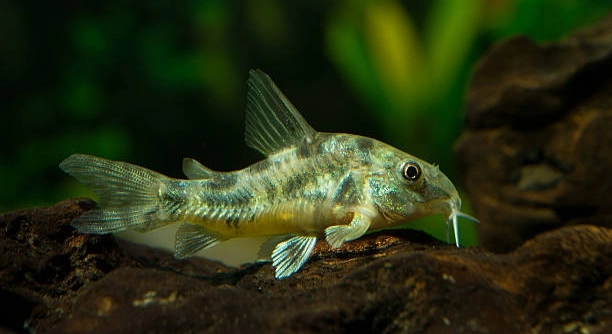
Corydoras catfish are known for their peaceful nature, but sudden skittish behavior can raise concerns for aquarium owners. Identifying the cause of this change is essential for their well-being and overall tank environment.
Several factors could be contributing to your Corydoras catfish’s skittish behavior. Stress from poor water quality, overcrowded tanks, or improper tank mates are common causes. Changes in lighting, temperature fluctuations, or predators nearby may also lead to this response.
Understanding the potential causes will help you manage your catfish’s environment and reduce stress factors effectively.
Poor Water Quality
Water quality is one of the most common reasons behind a Corydoras catfish acting skittish. These fish are sensitive to changes in their environment, and poor water conditions can cause stress. Ammonia, nitrites, and high nitrates can irritate their gills, leading to erratic swimming behavior. Inadequate filtration or lack of water changes can result in these issues. Testing water regularly and maintaining the right parameters, such as pH, temperature, and hardness, is essential. Even small fluctuations can negatively impact your fish, making them feel unsafe and unsettled. Ensure that water changes are performed routinely and that the filter is effective enough to keep the water clean.
Make sure your aquarium has good water circulation, as stagnant water can lead to poor oxygenation, further stressing your fish. Regular maintenance is vital to avoid imbalanced conditions.
When it comes to water quality, you must be proactive. Perform weekly tests and adjust your filtration system as necessary. Cleaning your tank regularly will help prevent any buildup of harmful substances, ensuring your fish stay comfortable and healthy. Keeping water clean will help reduce stress and allow your Corydoras to behave naturally.
Overcrowding
Overcrowding is another factor that can cause Corydoras to feel skittish. If there are too many fish in the tank, it can create a tense atmosphere, especially if the fish do not have enough space to swim freely. Corydoras are small fish that require room to move and explore. If they feel cramped or threatened by other tank mates, they may become more anxious and exhibit erratic swimming patterns. Keep a reasonable number of fish in the tank to avoid this issue.
A good rule of thumb is to ensure your aquarium has enough space for each fish to feel secure. You can calculate the right tank size based on the number of fish you have, aiming for 1 inch of fish per gallon of water.
Tank Mates
The tank mates you choose for your Corydoras can have a significant impact on their behavior. Aggressive or overly active fish can intimidate them, causing skittish movements. It’s essential to pair Corydoras with peaceful species that won’t stress them out. Fish like tetras or guppies are often a good match.
Incompatible tank mates, especially those that chase or nip at the Corydoras, can make them feel threatened. This constant stress will cause them to hide more often or swim erratically when they feel exposed. Choosing tank mates that share similar temperaments and water requirements will help create a peaceful environment.
When selecting tank mates, consider the size and temperament of each species. Avoid large, aggressive fish or those that are too fast-moving. Instead, opt for species that are calm and share similar environmental needs. This will allow your Corydoras to swim confidently and reduce the chances of skittish behavior.
Water Temperature
Temperature fluctuations are another factor that can affect your Corydoras’ behavior. These fish prefer stable temperatures between 72°F and 79°F. Sudden changes in temperature can cause stress, leading to nervous swimming or hiding. Consistent water temperature is crucial for their comfort.
Installing a reliable heater is important to maintain a steady temperature, especially in colder climates. A thermometer should also be in place to monitor the water temperature accurately. If you notice sudden fluctuations, it’s essential to investigate the cause and address it immediately to prevent stress from affecting your fish.
When adjusting the temperature, do it gradually. Sudden shifts can shock the fish and cause them to act skittish. It’s also important to avoid placing the aquarium near windows or vents, where temperature changes can be more abrupt. Keeping the environment stable ensures the fish feel safe and secure.
Predators Nearby
Corydoras are naturally cautious fish, and the presence of potential predators near their tank can cause them to become skittish. Even the sight or scent of larger fish, such as predatory species, can trigger this response. It’s important to keep their tank in a safe, quiet location.
When Corydoras sense potential danger, they often respond by hiding or darting about erratically. To reduce this, place your aquarium away from areas with external threats, like predatory pets. Keeping the tank in a peaceful area will help your Corydoras feel more secure and reduce stress.
Inadequate Hiding Spots
Corydoras need hiding spots in their environment to feel safe. If there aren’t enough places for them to retreat, they may become stressed and skittish. Adding caves or plants can help create these necessary spaces. Providing adequate cover will encourage your fish to swim calmly.
Without hiding spots, Corydoras may become anxious and more easily startled, leading to erratic swimming behavior. Create an environment that allows them to retreat and feel secure when needed. The right decorations and plants can significantly reduce stress and keep your fish comfortable.
FAQ
Why is my Corydoras catfish swimming erratically?
Erratic swimming in Corydoras can be caused by several factors. Poor water quality, temperature fluctuations, and stress from tank mates are common culprits. These fish are sensitive to changes in their environment, and they may swim erratically when they feel threatened or uncomfortable. Check your water parameters and ensure the tank is not overcrowded. Make sure your Corydoras are housed with peaceful tank mates that won’t intimidate them.
How can I calm my Corydoras catfish down?
To calm your Corydoras, you should focus on providing a stable, safe environment. Keep the water clean and well-filtered, with regular water changes. Ensure the water temperature is consistent and falls within the optimal range. Adding hiding spots like caves or plants will give them a place to retreat when they feel stressed. Avoid overcrowding the tank, and make sure the fish are not exposed to aggressive or overly active tank mates.
Do Corydoras catfish prefer being in groups?
Yes, Corydoras are social fish and thrive when kept in groups. Being in a group helps them feel secure and less stressed. Keeping at least six Corydoras together is recommended. A group allows the fish to engage in natural behaviors and minimizes the chances of skittishness due to loneliness or insecurity. A well-stocked group can help reduce stress and improve their overall well-being.
Can Corydoras catfish live with other fish?
Corydoras can live peacefully with many other fish species, provided those species are not overly aggressive. Tetras, guppies, and other small, peaceful fish make excellent tank mates. Avoid keeping Corydoras with large, aggressive fish or those that may nip at their fins. It’s important to ensure all tank mates share similar water temperature and quality requirements to maintain harmony in the tank.
How often should I clean the tank for my Corydoras catfish?
Cleaning the tank regularly is essential to keep your Corydoras healthy and stress-free. Perform a partial water change of about 20-30% every week. This helps remove excess waste and prevent harmful substances from building up. Regularly check and clean the filter to ensure it is functioning properly. Keep the substrate clean, but avoid disturbing it too much, as Corydoras like to forage through it. Regular maintenance is key to maintaining a healthy environment for your fish.
What should I feed my Corydoras catfish?
Corydoras are omnivorous bottom feeders, so they benefit from a varied diet. You can feed them sinking pellets, which they will readily consume off the bottom of the tank. Supplement their diet with live or frozen foods like brine shrimp, bloodworms, and daphnia. It’s also good to offer some plant matter, such as blanched zucchini or spinach. Make sure to feed small amounts to avoid overfeeding, as leftover food can affect water quality.
Can Corydoras catfish live in low-light tanks?
Corydoras are not particularly sensitive to lighting and can live in low-light tanks. However, some indirect light can be beneficial for the plants in the tank and help maintain a natural day-night cycle for your fish. They do not require bright light, but a dimly lit tank is generally preferred to avoid causing stress. Be sure the tank has plenty of hiding spots and areas of refuge where your Corydoras can retreat to feel safe.
How do I know if my Corydoras catfish is sick?
Signs that your Corydoras may be sick include loss of appetite, lethargy, visible lesions, or abnormal swimming behavior. If the fish is constantly hiding or not eating, there may be an underlying health issue. It’s important to monitor their behavior closely and look for any unusual markings or symptoms on their body. If you notice any of these signs, isolate the affected fish and consult an aquatic veterinarian for guidance.
Can Corydoras catfish live with snails?
Corydoras catfish can generally live with snails without issues. Snails can help keep the tank clean by consuming leftover food, and they do not pose a threat to Corydoras. However, some larger species of snails may compete for food, so it’s important to ensure there is enough for both the snails and the fish. Be cautious with snail species that could overrun the tank or consume live plants.
Do Corydoras catfish need a heater in their tank?
Corydoras catfish do best in warm water, typically between 72°F and 79°F. A heater is essential to maintain a stable temperature, especially if the room temperature fluctuates. Avoid placing the heater in a spot that could cause sudden temperature changes. Consistent warmth will keep your Corydoras comfortable and help prevent stress caused by temperature swings.
Why is my Corydoras hiding so much?
Hiding is a natural behavior for Corydoras, especially when they feel stressed or threatened. However, excessive hiding could indicate issues such as poor water quality, incompatible tank mates, or illness. Ensure the tank environment is stable, with good water quality and peaceful tank mates. Provide plenty of hiding spots, but if hiding becomes excessive, further investigation into water conditions and tank dynamics may be necessary.
How do I prevent my Corydoras from becoming skittish again?
To prevent your Corydoras from becoming skittish, maintain a stable, clean, and peaceful environment. Keep the water parameters consistent, avoid overcrowding, and house them with compatible fish. Regular maintenance and appropriate tank decorations that offer hiding spots will also help your Corydoras feel secure. Consistency and a calm atmosphere are key to preventing stress and skittish behavior.
Final Thoughts
Corydoras catfish are peaceful and hardy fish, but they are sensitive to their environment. If they begin acting skittish, it’s usually a sign of stress. Factors like poor water quality, incorrect water temperature, or the presence of aggressive tank mates can all contribute to this behavior. Recognizing and addressing these factors can help restore balance in your aquarium and make your Corydoras feel more secure. With the right care and attention, these fish can thrive in your tank, providing both you and them with a calm and peaceful environment.
Maintaining good water quality is essential for the health and well-being of Corydoras catfish. Regular water changes and consistent filtration will help prevent the buildup of toxins and maintain a stable environment. Ensuring the water temperature is within the appropriate range for Corydoras is also crucial. They thrive in warmer water, so any fluctuations can cause them stress. Additionally, adding hiding spots such as caves or plants will help them feel more secure, reducing the likelihood of skittish behavior. These small adjustments can make a significant difference in how your Corydoras behave.
If you notice persistent skittish behavior, it’s important to observe any other symptoms, such as loss of appetite or unusual swimming patterns. This could indicate underlying health issues, and seeking advice from an aquatic specialist may be necessary. Understanding the natural instincts of Corydoras catfish and providing a stable, peaceful tank environment will help them feel at ease. With the right setup and care, your Corydoras will become more comfortable and confident, allowing you to enjoy their peaceful nature.

Hello,
If you enjoy the content that we create, please consider saying a "Thank You!" by leaving a tip.
Every little bit helps us continue crafting quality advice that supports the health, happiness, and well-being of pets around the world, for pets of all shapes, sizes, and species.
We really appreciate the kindness and support that you show us!