
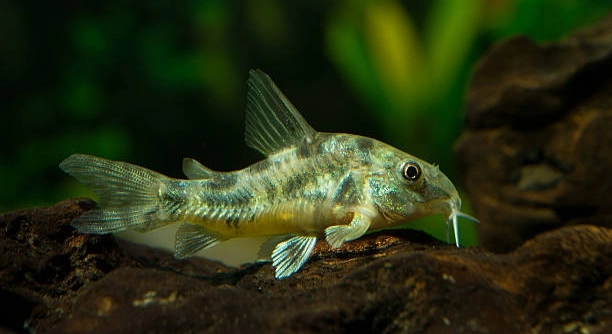
Corydoras catfish are known for their calm nature, but even they can experience stress. Understanding how to help them feel more at ease can improve their overall health and happiness. The right environment is key.
To reduce stress in Corydoras catfish, ensure they have clean, well-oxygenated water and a stable tank environment. Avoid sudden changes in temperature or water parameters. Providing hiding spots and reducing tankmate aggression can also minimize stress.
By addressing these factors, you can improve the well-being of your Corydoras catfish and create a more peaceful aquarium.
Maintain Clean and Stable Water Conditions
The water quality is essential for the well-being of Corydoras catfish. They thrive in clean, well-filtered water with a stable temperature. Use a good filtration system that doesn’t create too strong of a current, as these catfish prefer gentle water flow. Regular water changes are necessary to keep the tank free of waste and harmful chemicals. Make sure the water is free from chlorine or chloramine, which can be toxic to fish. Test the water frequently for ammonia, nitrites, and nitrates to ensure the parameters remain within safe ranges.
Water temperature is another factor to monitor. Corydoras catfish prefer water temperatures between 72°F and 78°F (22°C – 26°C). Sudden temperature shifts can stress them out, so it’s important to avoid drastic changes. A consistent and stable water environment will help them feel secure, reducing stress and improving their overall health. The right water quality can lead to happier, more active fish.
Regular monitoring and adjustments will help maintain a thriving aquarium for your Corydoras. Ensuring the water is optimal is one of the simplest ways to reduce stress.
Provide Hiding Spots
Corydoras catfish are naturally shy and seek refuge when they feel threatened. Providing plenty of hiding spots will help them feel secure. Adding decorations like plants, caves, or rocks can create an environment where they can retreat and rest without fear. This sense of safety reduces stress significantly.
Catfish feel less exposed when they have hiding places to retreat to, especially when they’re introduced to new tankmates or when there’s more activity around the tank. These spaces give them a sense of control over their environment, lowering anxiety.
Avoid Overcrowding
Overcrowding in the tank can cause stress for Corydoras catfish. A cramped space leads to increased competition for food, hiding spots, and territorial disputes. This can elevate stress levels and lead to health problems. Ensure that your tank is properly sized for the number of fish you have.
Corydoras catfish require space to move freely and comfortably. Overcrowding also makes it harder to maintain water quality, as the filtration system will be overworked. Aim for at least 10 gallons of water per Corydoras to allow them to spread out and explore their environment without feeling constantly threatened by their tankmates.
The stress from overcrowding can cause Corydoras to exhibit unusual behavior, such as hiding more frequently or becoming less active. Keeping a manageable fish population ensures that all your fish have the space they need to thrive in a stress-free environment.
Keep Tankmates Peaceful
Corydoras catfish are peaceful and gentle, but aggressive tankmates can make them feel unsafe. Avoid keeping them with overly aggressive fish that might harass or bully them. Choose tankmates that share similar temperaments and aren’t likely to stress out the catfish.
Tankmates should also have similar water parameter needs. Aggressive species can create a tense atmosphere in the tank, leading to constant stress. By choosing calm fish, such as other peaceful bottom dwellers or small, non-aggressive species, your Corydoras will feel more secure and less likely to hide or become anxious. This peaceful environment promotes better health and reduces stress.
Additionally, avoid mixing fish that are too large for the tank or may view Corydoras as prey. A calm, non-threatening community tank helps your Corydoras catfish live more comfortably.
Provide a Proper Diet
A balanced diet is crucial for reducing stress in Corydoras catfish. Offer a mix of high-quality pellets, frozen or live foods like bloodworms, and occasional vegetable matter. This variety ensures they receive the right nutrients to stay healthy and less stressed.
Underfeeding or offering the wrong types of food can contribute to stress. Make sure that food is appropriate for bottom-dwelling fish, as Corydoras are not surface feeders. Providing food that suits their natural habits reduces competition with other tankmates and prevents them from scavenging for less nutritious scraps, which can cause stress.
Keep the Tank Well-Lit
Corydoras catfish prefer dim lighting, as bright lights can stress them out. Use low-intensity lighting or provide shaded areas in the tank to help them feel secure. A tank with a soft light creates a more natural environment for these catfish.
The lighting should mimic their natural habitat, where they experience varying levels of light throughout the day. Avoid sudden bursts of intense light, which may disturb their peaceful nature. Instead, opt for a gentle, consistent lighting schedule to keep stress at bay.
Maintain a Clean Substrate
Keeping the substrate clean is essential for Corydoras catfish. These fish spend a lot of time near the bottom of the tank, where uneaten food and waste can accumulate. Regularly vacuuming the substrate ensures a cleaner environment, which reduces the risk of toxins building up.
Debris in the substrate can create a breeding ground for harmful bacteria, leading to water quality issues and unnecessary stress for the fish. By maintaining a clean substrate, you promote the overall health of the tank, which directly benefits the well-being of your Corydoras.
FAQ
What are the signs that my Corydoras catfish is stressed?
When Corydoras catfish are stressed, they may exhibit several behaviors such as excessive hiding, loss of appetite, or reduced activity. They may also start swimming erratically or in a way that is unusual for their species. Stress can make them more vulnerable to disease, so observing changes in behavior is crucial. Another sign of stress is rapid gill movement, which may indicate poor water quality or insufficient oxygen levels in the tank. If your Corydoras is constantly hiding or showing other signs of distress, it’s time to assess their environment.
How can I prevent stress from overfeeding my Corydoras?
Overfeeding can lead to stress in Corydoras catfish by polluting the water and causing poor water quality. When food is left uneaten, it decomposes and raises ammonia levels, which in turn stresses the fish. To avoid overfeeding, only offer what the fish can consume within a few minutes. Regularly remove any leftover food from the tank to maintain water quality. Additionally, a feeding schedule ensures that your Corydoras receives the right amount of nutrition without excess.
Can Corydoras catfish live with other species?
Corydoras catfish are peaceful and typically do well in community tanks with other non-aggressive fish. However, it’s important to avoid keeping them with species that might harass or bully them. Aggressive tankmates can cause stress, leading to health problems. Choose tankmates that share similar care needs, such as peaceful bottom-dwelling fish or smaller species that won’t disturb your Corydoras. Properly matching species helps create a harmonious environment where everyone can thrive.
What is the best tank size for Corydoras catfish?
Corydoras catfish should have plenty of space to swim and explore. A minimum of 10 gallons of water is recommended for a small group of Corydoras. Larger tanks allow for more movement and reduce stress from overcrowding. Keeping a group of at least three or more catfish is also ideal, as they are social creatures and feel more secure in groups. A well-sized tank also makes it easier to maintain water quality, ensuring that your Corydoras remain healthy and less stressed.
How often should I clean the tank to reduce stress?
Regular tank cleaning is essential for maintaining a stress-free environment for Corydoras. Aim for partial water changes every week or two to keep the water clean and free from waste buildup. In addition, clean the substrate using a gravel vacuum to remove any debris. Over time, accumulated waste can cause spikes in ammonia and nitrite levels, which can be harmful to the fish. Proper filtration is also important to keep the water clean, but regular maintenance helps prevent stress related to poor water conditions.
Can water temperature affect the stress level of Corydoras?
Yes, temperature changes can cause stress in Corydoras catfish. They prefer a stable water temperature between 72°F and 78°F (22°C – 26°C). Sudden fluctuations in temperature can lead to stress and may even make the fish more susceptible to disease. It’s crucial to use a reliable aquarium heater and thermometer to maintain a consistent temperature in the tank. Make sure the temperature doesn’t exceed the recommended range, as too high or low temperatures can affect their overall health and stress levels.
What kind of water conditions do Corydoras prefer?
Corydoras catfish prefer soft, slightly acidic to neutral water. The ideal pH level for Corydoras is between 6.5 and 7.5. It’s also important to maintain good water quality by testing regularly for ammonia, nitrites, and nitrates. If the water conditions fluctuate too much, the catfish can experience stress, so stability is key. Additionally, Corydoras prefer well-oxygenated water, so using a filter with moderate flow and maintaining good aeration will help keep the environment healthy and stress-free.
Can Corydoras catfish live in a tank with a strong filter?
Corydoras catfish prefer gentle water flow, so a strong filter can cause stress. If your filter produces too strong of a current, it might make the tank environment uncomfortable for your catfish. Consider using a filter with an adjustable flow rate or placing a sponge filter in the tank. The goal is to keep the water clean without creating too much turbulence. Corydoras will feel much safer and more relaxed in a calmer environment where they can move around freely without fighting against the current.
Are Corydoras sensitive to lighting?
Yes, Corydoras catfish are sensitive to lighting. They prefer low to moderate lighting, as bright lights can cause them stress. In their natural habitat, Corydoras are used to living in murky waters or areas with limited light. Too much bright light can cause them to hide more often and become less active. Consider using dim lighting or providing shaded areas in the tank to help your Corydoras feel more at ease. A light cycle that mimics their natural day/night rhythm will also benefit their well-being.
Can stress in Corydoras lead to health issues?
Yes, stress can lead to several health problems for Corydoras catfish. Prolonged stress weakens their immune system, making them more susceptible to diseases like bacterial infections, parasites, and fungal growth. Stress can also cause behavioral changes, such as lethargy, loss of appetite, and abnormal swimming patterns. Reducing stress by improving water quality, tank conditions, and keeping the environment stable will help prevent these health issues and ensure your Corydoras remain healthy.
Final Thoughts
Maintaining a stress-free environment for Corydoras catfish is essential for their overall health and well-being. These fish thrive in tanks where water conditions are stable, food is appropriate, and their surroundings are calm. By paying attention to their specific needs, such as providing a proper diet, keeping the tank clean, and controlling the lighting and water flow, you can reduce the chances of stress-related health problems. A stress-free environment not only keeps your Corydoras active and healthy but also ensures they live longer, more comfortable lives in your aquarium.
Stress in Corydoras can arise from various factors, including poor water quality, sudden temperature changes, or inappropriate tankmates. By ensuring a suitable tank size, using the right filtration system, and observing your fish’s behavior, you can spot signs of stress early on. Regular maintenance, such as water changes, substrate cleaning, and monitoring water parameters, is crucial. Corydoras catfish are sensitive to their environment, so any changes—whether in food, water conditions, or tank layout—can have a significant impact on their stress levels. Staying consistent with tank care practices will help minimize stress triggers.
Ultimately, the goal is to create a balanced and harmonious tank environment where Corydoras catfish feel secure and comfortable. This involves understanding their natural behaviors and preferences, which can differ from other fish species. By fostering a peaceful and supportive habitat, you not only improve the quality of life for your Corydoras but also create a thriving community aquarium. Stress reduction is an ongoing process, but with the right approach and care, your Corydoras will flourish and continue to bring joy to your tank for years to come.

Hello,
If you enjoy the content that we create, please consider saying a "Thank You!" by leaving a tip.
Every little bit helps us continue crafting quality advice that supports the health, happiness, and well-being of pets around the world, for pets of all shapes, sizes, and species.
We really appreciate the kindness and support that you show us!