
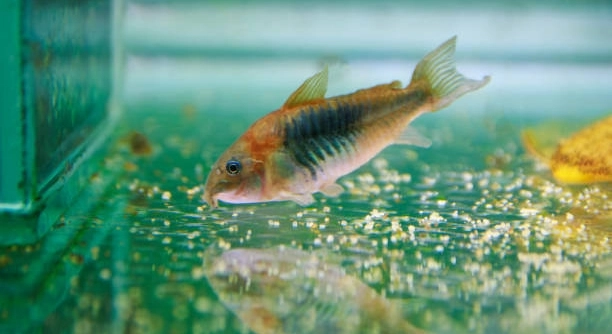
Corydoras catfish are popular aquarium pets, known for their peaceful nature and helpful role in keeping the tank clean. However, these little fish are sensitive to changes in their environment, and stress can affect their health.
Environmental stress can cause various reactions in Corydoras catfish, ranging from changes in behavior to physical symptoms. Recognizing the signs early allows aquarium owners to address the problem and prevent further distress, ensuring a healthier environment for the fish.
Being aware of these signs will help you care for your Corydoras catfish more effectively and maintain a stable aquatic environment for them.
1. Changes in Swimming Patterns
Corydoras catfish are typically active swimmers, moving along the bottom of the tank. However, when stressed, their swimming patterns can change noticeably. You might notice them swimming erratically or staying at the surface more than usual. In some cases, they may also hide more often, avoiding their usual activities. These changes could indicate that something in their environment is affecting their comfort and health.
Stress can result from sudden temperature shifts, poor water quality, or being kept with overly aggressive tankmates. Stress can lead to weakened immune systems, making the fish more susceptible to diseases.
If you notice any of these shifts in behavior, check water parameters like temperature, pH, and ammonia levels. If necessary, adjust the environment accordingly. Healthy swimming behavior is vital for their well-being, so it’s important to address these changes promptly to avoid further issues.
2. Loss of Appetite
A Corydoras catfish that is stressed may show a decreased interest in food. This is a common response to environmental changes, such as water temperature fluctuations or poor tank conditions. If your fish has lost its appetite, it’s a clear indicator of stress.
The lack of appetite could stem from water quality problems or an overcrowded tank. Corydoras are bottom dwellers, and if the tank is too busy or too noisy, they may not feel comfortable enough to eat. To help your fish recover, maintain a calm and clean tank environment. Ensure the water is clean, with proper filtration and regular water changes to improve the conditions. Over time, as the stressors are removed, the catfish should start to eat again.
Maintaining a consistent feeding schedule will also help reduce stress. If the environment remains stable, your Corydoras will return to its usual feeding behavior, helping it regain its strength and health.
3. Fading Color
When Corydoras catfish are stressed, their colors can fade, losing the vibrant hues they typically display. This is often one of the first visible signs of stress. If your fish looks pale or its patterns seem less distinct, something in its environment is likely causing discomfort.
The fading color could be linked to poor water quality or inadequate filtration. High levels of toxins like ammonia or nitrites can negatively affect their health, leading to a dull appearance. If water parameters are off, correct the issues immediately to help restore their natural color.
Sometimes, other stressors such as overcrowding or constant disturbances in the tank can also lead to color changes. In a calm and stable environment, your Corydoras should regain its original color over time. Monitoring the water quality and keeping the tank peaceful will help maintain their vibrant appearance.
4. Gasping for Air
If your Corydoras starts to gasp at the surface, it’s a clear sign that something is wrong. Stress and poor water conditions can lead to oxygen depletion, causing the fish to struggle for air.
This behavior could stem from low oxygen levels in the tank or from an increase in toxins, such as ammonia. Corydoras are bottom dwellers, but they still need oxygenated water to thrive. Make sure your tank is well-ventilated, and check your filtration system to ensure it’s working properly.
Gasping at the surface can also be a sign that the temperature is too high, which reduces the amount of dissolved oxygen in the water. Keep the water temperature in a stable range to avoid stressing the fish. Regular water changes can help refresh the oxygen levels and improve overall tank conditions, allowing your Corydoras to breathe easily again.
5. Excessive Hiding
When Corydoras become stressed, they may spend more time hiding than usual. If your fish is staying in dark corners or underneath decorations, it could be avoiding something in its environment. This behavior often results from discomfort or fear, signaling that it feels unsafe or overwhelmed.
Excessive hiding can also indicate poor water quality, high stress levels from tankmates, or issues with the tank’s layout. Corydoras typically enjoy exploring, so if they’re hiding frequently, it’s important to check the water conditions and the tank’s setup.
Consider adding more hiding spots or rearranging the tank to reduce stress. Sometimes, simply improving the environment can help your Corydoras feel more comfortable and confident to swim freely again.
6. Abnormal Fins or Body Posture
If your Corydoras starts to show signs of abnormal posture, such as swimming with its fins held in an unusual way, it’s likely dealing with stress. These signs can also indicate physical discomfort or illness.
When stressed, Corydoras may exhibit a bent body or altered swimming movements. In some cases, they might even swim upside down or remain motionless at the bottom. These behaviors are often linked to water quality issues, disease, or extreme tank conditions.
To resolve this, test the water quality and ensure everything in the tank is functioning well. Address any changes in behavior promptly to avoid potential health problems. This could include adjusting the water parameters, checking for any parasites, or ensuring that the tank is peaceful.
7. Excessive Scratching
If your Corydoras is constantly rubbing its body against rocks, substrate, or decorations, it may be stressed. This behavior is often a sign that the fish is irritated or trying to relieve discomfort caused by parasites or water issues.
Excessive scratching can be a sign of external parasites like ich or skin irritation due to poor water quality. If this continues, it’s important to act fast and check the water parameters immediately. You may need to perform a water change or treat the fish for parasites to help relieve its discomfort.
FAQ
What causes stress in Corydoras catfish?
Stress in Corydoras catfish can be caused by several factors, including poor water quality, sudden temperature changes, overcrowding, aggressive tankmates, or inadequate tank conditions. These fish are sensitive to changes in their environment, and any disturbances can lead to stress. Monitoring water parameters like pH, ammonia levels, and temperature is crucial to ensure they remain stable. Also, providing plenty of hiding spaces and keeping the tank peaceful will help reduce stress. If the environment isn’t right, your Corydoras may exhibit signs of discomfort or even develop health issues.
How do I fix the water quality in my Corydoras’ tank?
Fixing water quality involves regular maintenance like water changes, checking filtration systems, and testing for harmful substances like ammonia, nitrites, and nitrates. Ensure your tank has adequate filtration to keep the water clean and oxygenated. A filter rated for your tank’s size will help keep water parameters stable. Also, perform 20-30% water changes weekly to prevent toxin buildup. Use a water testing kit to monitor the pH, hardness, and temperature to make sure they are within the ideal range for Corydoras. A stable, clean environment is key to preventing stress.
What temperature should my Corydoras’ tank be?
Corydoras catfish prefer a stable water temperature between 72°F and 78°F (22°C to 26°C). Extreme fluctuations can lead to stress, so it’s important to maintain a consistent temperature. Use a reliable aquarium heater if necessary to keep the tank temperature stable. If the water becomes too warm or too cold, it can weaken the fish’s immune system and lead to stress or health problems. Additionally, always check the temperature regularly with an aquarium thermometer to avoid sudden changes.
Can Corydoras be kept with other fish?
Yes, Corydoras catfish can typically be kept with a variety of peaceful fish species. However, it’s important to avoid aggressive tankmates that may stress them out. Corydoras are bottom-dwellers, so it’s best to pair them with other peaceful fish that occupy different levels of the tank. Good tankmates include tetras, gouramis, and peaceful livebearers. Avoid keeping them with larger or more aggressive fish, as these can cause stress, either by bullying or competing for space. Always ensure your tank is not overcrowded to allow each fish enough space to thrive.
How can I tell if my Corydoras is sick or just stressed?
Stress and sickness in Corydoras can share similar symptoms, but there are key differences. Stress typically manifests as changes in behavior, such as hiding more often, decreased appetite, or changes in swimming patterns. Illness might involve more specific symptoms like abnormal body marks, lesions, bloating, or visible parasites. If your fish is showing signs of both, like fading color and abnormal posture, it’s worth testing the water quality first. If the water conditions are normal, then illness might be the issue, and you should consider consulting an aquarium professional or treating for specific diseases like ich.
What should I do if my Corydoras stops eating?
If your Corydoras has stopped eating, it could be a sign of stress, illness, or poor water quality. First, check the water parameters to make sure they are within the ideal range for your fish. If the conditions are good, consider whether the fish might be stressed by aggressive tankmates or an overcrowded environment. If the fish continues to refuse food for more than a few days, there may be an underlying health issue. Try offering different types of food, such as sinking pellets or live food, and observe if the fish shows any improvement. If the problem persists, it’s best to consult an aquarium specialist.
Why is my Corydoras swimming erratically?
Erratic swimming in Corydoras can be a sign of stress or poor water conditions. If the water temperature is too high or too low, it can cause your fish to behave erratically. Poor water quality, like high ammonia or nitrite levels, can also lead to abnormal swimming. In some cases, fish may swim frantically due to irritation caused by parasites or injury. To address the issue, perform a water test to ensure the water quality is within the appropriate range. If the conditions are good, observe your fish for any other symptoms, like skin lesions or changes in behavior, which may indicate illness.
How often should I perform water changes for my Corydoras tank?
Water changes are essential for maintaining a healthy environment for Corydoras. It’s recommended to change 20-30% of the water every week to keep the water clean and free of toxins. Frequent water changes help prevent the buildup of harmful substances like ammonia and nitrates, which can cause stress or illness in fish. Make sure the water you add is conditioned properly to remove chlorine and other harmful substances. Always test the water before and after a change to ensure it is within the ideal parameters for Corydoras.
Can Corydoras survive in cold water?
Corydoras are tropical fish and thrive in temperatures between 72°F and 78°F (22°C to 26°C). They are not suited for cold water environments, as lower temperatures can weaken their immune systems, making them more susceptible to disease. In colder temperatures, Corydoras may become lethargic, stop eating, or exhibit signs of stress. To prevent this, it’s important to keep their tank at a stable, warmer temperature. If you’re keeping them in a tank without a heater, monitor the temperature closely to ensure it remains within their preferred range.
Is it normal for Corydoras to bury themselves in the substrate?
Yes, it is normal for Corydoras to burrow into the substrate. These catfish are bottom dwellers and enjoy rooting around in the gravel or sand for food. This behavior is a natural part of their feeding process and helps them find small particles or food debris. However, if they are burrowing excessively or appear to be hiding more than usual, it could indicate stress or discomfort. Make sure the substrate is soft enough for them to dig into and that the tank conditions are optimal for their health.
Final Thoughts
Corydoras catfish are resilient and hardy creatures that can thrive in various conditions when given the right environment. However, like all aquarium fish, they are sensitive to changes in their surroundings. Stress can easily impact their health, making it important for aquarium owners to recognize early signs of distress. Whether it’s changes in behavior, color fading, or abnormal swimming patterns, these signs can alert you to potential issues in the tank. By closely monitoring water quality and creating a peaceful environment, you can help your Corydoras remain healthy and stress-free.
Water quality is one of the most critical factors in maintaining a stress-free tank for your Corydoras. Regular water changes, proper filtration, and consistent monitoring of water parameters are essential steps to ensure a stable habitat. Ammonia and nitrite spikes can be harmful to fish, so it’s important to maintain safe levels at all times. Additionally, ensuring the temperature stays within the ideal range for Corydoras will prevent stress caused by temperature fluctuations. A stable environment reduces the likelihood of stress-related behavior and promotes the overall well-being of your fish.
Corydoras are peaceful and social fish that thrive in a calm and well-maintained aquarium. By understanding the signs of stress and knowing how to address them, you can prevent health issues and help your Corydoras live a long, happy life. Regular tank maintenance, appropriate tankmates, and creating a calm environment all contribute to reducing stress levels in these catfish. Paying attention to their behavior and needs will ensure that your Corydoras are content and healthy, making them a great addition to any aquarium.

Hello,
If you enjoy the content that we create, please consider saying a "Thank You!" by leaving a tip.
Every little bit helps us continue crafting quality advice that supports the health, happiness, and well-being of pets around the world, for pets of all shapes, sizes, and species.
We really appreciate the kindness and support that you show us!