
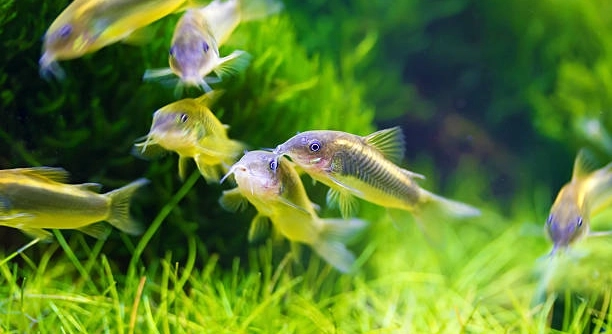
Corydoras catfish are popular aquarium fish due to their peaceful nature, but they are not immune to health problems. If your catfish seems to be consistently ill, understanding the reasons behind their sickness can help improve their well-being.
Several factors contribute to frequent illness in Corydoras catfish, including poor water quality, improper tank conditions, and stress. Additionally, parasites, bacterial infections, and a lack of proper diet can weaken their immune system, leading to health issues.
Identifying the root causes of your Corydoras catfish’s sickness is key to preventing further health problems and ensuring a healthier aquarium environment.
Poor Water Quality
Water quality plays a significant role in the health of Corydoras catfish. These fish are sensitive to changes in their environment, especially in water parameters like pH, ammonia, and nitrite levels. When the water is not properly maintained, it can lead to stress and weaken the immune system of your catfish, making them more prone to illness. High ammonia or nitrite levels are toxic and can cause skin irritation, gill damage, and even death if left unchecked. Keeping the water clean and performing regular water changes is crucial for their health.
Improper filtration or infrequent water changes often result in water quality issues. Investing in a reliable filtration system and testing water regularly can help prevent these problems.
Monitoring your tank’s water quality is essential. A simple water test kit will help ensure your fish are in a safe environment. Adjusting the filtration system and adding live plants can also help maintain better water conditions.
Stress and Overcrowding
Stress is another leading factor in Corydoras catfish sickness. These fish thrive in calm, stable environments, and they can easily become stressed due to overcrowding or aggressive tank mates. When they are placed in tanks that are too small or with too many fish, it can cause constant stress, which weakens their immune system.
A stressed Corydoras catfish is more likely to succumb to infections or parasites. It’s essential to provide enough space for each fish, allowing them to exhibit natural behaviors like foraging and swimming freely. If you notice your catfish hiding more than usual or not interacting with the environment, stress might be the cause.
To reduce stress, it’s important to maintain a proper tank size, avoid overcrowding, and choose peaceful tank mates. These measures will help provide a better living space, improving their overall health and well-being.
Improper Diet
Corydoras catfish need a balanced diet to stay healthy. If their diet lacks necessary nutrients, it can lead to weakened immune systems and susceptibility to illness. Providing a variety of foods like high-quality pellets, frozen foods, and occasional live foods can prevent nutritional deficiencies.
Corydoras rely on a protein-rich diet, but they also need some vegetable matter for optimal health. It’s essential to avoid overfeeding, as leftover food can quickly degrade water quality, leading to potential health issues. Supplementing their diet with sinking tablets or algae wafers ensures they receive the necessary nutrients to thrive.
An imbalanced diet can also lead to digestive issues, making your catfish more prone to infections. Adjusting their feeding routine to include a mix of protein and plant-based food will support their long-term health.
Parasites and Infections
Parasites and infections are common reasons for Corydoras catfish to fall ill. These fish are vulnerable to external parasites like ich or internal parasites if water conditions are poor. Infected fish may display unusual behavior, such as scratching against objects or swimming erratically.
To prevent parasites, quarantining new fish before introducing them to the tank is critical. This will help ensure any potential infections or parasites are caught early and treated. If a Corydoras catfish starts showing signs of illness, treating the entire tank promptly can stop parasites from spreading to healthy fish.
Regularly cleaning the tank and monitoring the fish’s behavior will help detect any signs of parasites. Adding salt baths or medicated treatments can help treat minor parasite infestations before they escalate into serious problems.
Poor Tank Conditions
Tank conditions like temperature fluctuations and improper substrate can harm Corydoras catfish. These fish prefer stable environments, and even slight changes in their surroundings can cause stress. Maintaining a consistent water temperature and choosing the right substrate will improve their health.
Corydoras catfish require a stable tank environment. Avoid placing their tank in direct sunlight or near drafty windows, as temperature swings can weaken their immune system. A soft, sandy substrate is preferred to prevent injury to their delicate barbels.
Regular monitoring of tank temperature and cleaning the substrate will help maintain a healthy environment, reducing the risk of illness.
Lack of Proper Filtration
Proper filtration is essential to maintaining clean water and preventing illness. Corydoras catfish are bottom dwellers, so they are especially sensitive to poor water conditions. A reliable filter helps maintain water quality, ensuring harmful toxins are removed from the tank.
Choosing the right filter for your tank size and fish species is crucial. A filter that is too strong may stress the fish, while one that is too weak may not remove enough waste. Regular filter maintenance, including cleaning and replacing filter media, ensures your tank stays healthy for your catfish.
Tank Mates
Aggressive or incompatible tank mates can negatively affect the health of Corydoras catfish. These fish are peaceful and thrive in calm environments. Aggressive fish can cause stress or physical harm, making Corydoras more susceptible to illness.
It’s important to choose tank mates that are peaceful and have similar water requirements. Avoid housing Corydoras with overly aggressive or territorial species. A peaceful community tank with compatible fish will allow your catfish to thrive without the added stress of aggressive encounters.
FAQ
What is the ideal water temperature for Corydoras catfish?
The ideal water temperature for Corydoras catfish is between 72°F and 78°F (22°C to 25°C). They are sensitive to sudden temperature changes, so it’s important to maintain a stable temperature within this range. Any significant fluctuation can stress the fish, making them more susceptible to illness.
How often should I change the water in my Corydoras tank?
Water changes should be done every 1-2 weeks, depending on the size of the tank and the number of fish. A partial water change of 25-30% is recommended to remove accumulated waste and maintain clean water. Regular water changes help prevent the buildup of harmful toxins like ammonia and nitrites.
Can Corydoras catfish live with other species of fish?
Yes, Corydoras catfish are peaceful and can live with a variety of other species, as long as those species are not aggressive. It’s best to house them with other peaceful bottom dwellers or mid-water swimmers. Avoid keeping them with aggressive or fin-nipping species.
How do I know if my Corydoras catfish is sick?
Signs of illness in Corydoras catfish include lethargy, loss of appetite, abnormal swimming behavior, and visible lesions or abnormal spots on their body. They may also scratch against tank surfaces or exhibit rapid gill movement. If you notice these signs, it’s important to check water quality and consider consulting a vet or aquarium specialist.
What kind of substrate is best for Corydoras catfish?
Corydoras catfish prefer soft, sandy substrates because their delicate barbels can be damaged by sharp or rough gravel. Sand allows them to forage naturally, which is a behavior they enjoy. It also helps to maintain good water circulation and reduces the risk of injury.
Can I feed Corydoras catfish live food?
Yes, Corydoras catfish can be fed live food such as brine shrimp or bloodworms, but it should not make up the entire diet. Live food provides natural stimulation and nutrition, but it’s important to also offer high-quality pellets and vegetable matter to ensure a balanced diet.
Why is my Corydoras catfish hiding all the time?
If your Corydoras catfish is hiding, it could be stressed, sick, or struggling with poor water quality. They are typically peaceful and enjoy socializing, so excessive hiding may indicate that they feel threatened or uncomfortable. Check the water conditions and tank mates to see if there’s any cause for stress.
Do Corydoras catfish need a lot of space?
Corydoras catfish are small fish, but they still need enough space to swim freely. A tank of at least 20 gallons is recommended for a small group of Corydoras. Overcrowding can lead to stress and health problems, so always ensure that your tank is properly sized for the number of fish you have.
How can I prevent parasites in my Corydoras tank?
The best way to prevent parasites in a Corydoras tank is by maintaining good water quality and regularly cleaning the tank. Quarantine new fish before introducing them to avoid transferring any potential parasites. You can also add aquarium salt to the water, which helps to reduce the likelihood of parasitic infections.
Are Corydoras catfish sensitive to light?
Corydoras catfish prefer low to moderate light conditions. Bright lights can stress them, especially if they do not have plenty of hiding places. Using dim lighting or providing shaded areas in the tank will help create a more comfortable environment for your catfish.
Can I use any type of filter for Corydoras catfish?
While Corydoras catfish are adaptable, they do best with a gentle filter that won’t create too much current. A filter that’s too strong can cause stress and make it difficult for them to move around. Choose a filter that matches the size of your tank and provides adequate water circulation without being overly forceful.
Why is my Corydoras catfish swimming upside down?
Swimming upside down can be a sign of swim bladder issues or poor water conditions. Swim bladder problems may be caused by overfeeding, constipation, or stress. If your catfish is swimming upside down for an extended period, check the water parameters and adjust their feeding routine to prevent further issues.
How long do Corydoras catfish live?
Corydoras catfish typically live between 5 to 10 years, depending on the care they receive. Proper tank conditions, water quality, and a balanced diet will help ensure they reach the higher end of their lifespan. Regular health checks and maintaining a stable environment will contribute to their longevity.
Do Corydoras catfish need to be in groups?
Yes, Corydoras catfish are social fish that prefer to be in groups. Keeping at least 3-5 Corydoras together helps reduce stress and allows them to exhibit natural social behaviors. A group also helps make the fish feel more secure, as they are naturally inclined to school.
Can I use aquarium salt for Corydoras catfish?
Aquarium salt can be used in moderation to treat minor health issues like parasites or stress. However, Corydoras catfish are sensitive to salt, so it’s essential to use it sparingly and only when necessary. Always follow the recommended dosage to avoid harming your fish.
What is the best food for Corydoras catfish?
The best food for Corydoras catfish is high-quality sinking pellets that are rich in protein. You can supplement their diet with frozen or live foods, such as bloodworms or brine shrimp. Occasionally offering vegetable matter like blanched spinach or zucchini helps ensure a balanced diet.
Final Thoughts
Corydoras catfish are popular for their peaceful nature and unique bottom-dwelling habits, making them a great addition to many freshwater aquariums. However, they are sensitive creatures that require specific care to stay healthy. Ensuring optimal tank conditions, like stable water temperature, proper filtration, and a safe environment, is crucial for their well-being. These fish thrive in peaceful, well-maintained tanks with proper water quality and good tank mates. Without the right care, Corydoras can easily become stressed or ill, which may lead to more serious health problems over time.
Feeding Corydoras the right diet is another key element in maintaining their health. They are opportunistic feeders that enjoy a variety of foods, but it’s essential to provide them with a balanced diet. Sinking pellets, live foods like brine shrimp, and occasional vegetable matter should form the core of their diet. Overfeeding should be avoided, as it can lead to poor water quality and health issues like swim bladder problems. It’s also important to monitor the water quality regularly and make necessary adjustments to ensure they remain in a stable and clean environment.
Ultimately, Corydoras catfish require a consistent, low-stress environment to thrive. Their peaceful nature and ease of care make them an excellent choice for beginners, but understanding their specific needs is key to their long-term health. By paying attention to tank conditions, water quality, diet, and tank mates, you can ensure that your Corydoras catfish live a long, healthy life. With the right care, these small but resilient fish can be a delightful addition to any aquarium.

Hello,
If you enjoy the content that we create, please consider saying a "Thank You!" by leaving a tip.
Every little bit helps us continue crafting quality advice that supports the health, happiness, and well-being of pets around the world, for pets of all shapes, sizes, and species.
We really appreciate the kindness and support that you show us!