
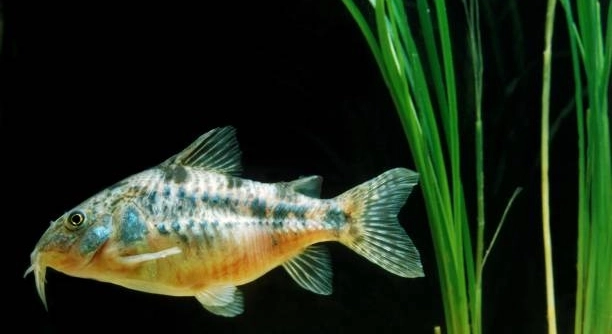
Corydoras catfish are popular aquarium fish known for their playful behavior and helpful cleaning skills. They thrive in tanks with enough space, but sometimes, even the most careful fish keeper may overlook their tank size needs.
When Corydoras catfish need more space, they may show signs like swimming in circles, difficulty finding food, or increased stress. These indicators suggest that the current tank size is no longer suitable for their well-being.
Ensuring your Corydoras catfish has enough room is essential for their health. Understanding these signs will help you create a comfortable environment for them to thrive and grow.
1. Limited Space Affects Your Corydoras’ Behavior
When your Corydoras catfish is confined to a small tank, they may begin to exhibit stress-related behaviors. These fish are active swimmers and need plenty of room to explore and forage. A cramped environment can lead to frustration, which could cause them to act out in ways that seem unusual, like swimming in circles or hiding more often than usual. It can also result in a lack of interaction with their tank mates, which is an important aspect of their natural behavior. This change in activity levels is one of the first signs that they are outgrowing their current space.
If you notice these changes in behavior, it’s time to reconsider their tank size. Providing more room can significantly improve their well-being and reduce stress levels. A larger tank allows your Corydoras to engage with their environment more naturally.
Moving them to a bigger tank will help restore their natural movements and improve their overall health. Additionally, this gives them space to forage for food, which is essential for their diet and helps reduce anxiety. An upgraded tank can also make the environment more suitable for other aquatic plants and animals. This promotes a healthier ecosystem for everyone in the tank.
2. Difficulty Finding Food in a Smaller Tank
A smaller tank often leads to food shortages or difficulty in finding food, especially in more crowded environments.
In cramped tanks, it’s harder for Corydoras to search for food effectively. When the space is limited, they may struggle to access food, leading to malnourishment or stress. Corydoras are bottom feeders, so they prefer to scavenge along the substrate for food. If their area is too small, they might not get enough nourishment, leading to slower growth or weakened immunity. Moving them to a larger tank allows for more room to explore and find food.
3. Aggression Among Tank Mates
In smaller tanks, Corydoras catfish can become territorial. They feel cramped and stressed, which can lead to aggression toward tank mates. This is especially true if there are other bottom feeders in the tank competing for space.
Aggressive behavior is often a sign of frustration due to a lack of space. Corydoras may nip at other fish or hide more often when they feel crowded. This can disrupt the harmony in the tank and lead to a tense environment. In a bigger tank, they have enough room to peacefully coexist with other fish and avoid conflicts.
Providing enough space for each fish reduces the likelihood of aggression and stress. With more room, Corydoras can comfortably establish their territory and explore without feeling threatened by other fish. A larger tank promotes a peaceful and balanced community.
4. Increased Stress and Health Problems
When confined to a small tank, Corydoras may experience stress, which weakens their immune system and makes them more susceptible to diseases.
The stress from overcrowding or a lack of space can make these catfish more vulnerable to infections and parasites. Symptoms of stress may include pale coloration, sluggishness, and labored breathing. When given more space in a larger tank, their immune system gets a chance to recover and function properly. Stress is significantly reduced, leading to healthier fish overall.
A spacious environment allows for better water quality, more hiding spots, and a greater range of movement. This will contribute to their physical and mental well-being, improving their chances of living a longer, healthier life. With better health, Corydoras will thrive and continue to be active in the aquarium.
5. Lack of Proper Oxygen Flow
A small tank can struggle to maintain proper oxygen levels, especially with too many fish. This can lead to poor water quality, which affects the health of Corydoras catfish.
With limited space, the oxygen in the water can quickly deplete, especially in tanks that aren’t well-aerated. In a larger tank, the water has more room to circulate, providing better oxygen flow. Corydoras are more active when they have sufficient oxygen, and a bigger tank promotes better water quality.
Improved oxygen flow helps reduce stress, supports their immune system, and allows them to maintain their energy. This is crucial for their overall health, especially for bottom-dwelling species like Corydoras. They rely on clean, oxygenated water for thriving.
6. Limited Space for Swimming
Corydoras catfish are active swimmers that need room to move around. When confined to a small tank, they can feel restricted.
They may start to swim in repetitive patterns or struggle to find comfortable areas to rest. Providing a larger tank gives them space to explore, forage, and swim freely. This encourages natural behavior and keeps them healthier. A bigger space will also help reduce stress, allowing Corydoras to live a more comfortable and fulfilling life. The change can make a noticeable difference in how they interact with their environment.
7. Growth Limitations
As Corydoras grow, they need more space to accommodate their size. In a small tank, their growth may be stunted.
Crowded conditions restrict their movement and lead to stress. This can interfere with their physical development. When given a larger tank, they can grow more naturally and comfortably.
FAQ
What size tank is ideal for Corydoras catfish?
Corydoras catfish do best in tanks that are at least 20 gallons for a small group of 3-4 fish. If you plan on keeping more Corydoras or other fish in the same tank, you should aim for a larger size, such as 30 gallons or more. A bigger tank offers more room for swimming, better water circulation, and helps maintain overall water quality, which is essential for these bottom-dwelling fish.
Can Corydoras live in a 10-gallon tank?
While Corydoras catfish can technically live in a 10-gallon tank, this size is not ideal for long-term care, especially if you have more than one Corydoras. A 10-gallon tank can quickly become overcrowded, leading to stress and health issues. If you only have one or two fish, they may be able to survive, but you will need to upgrade to a larger tank as they grow. It’s best to start with a tank that allows enough space for movement and water quality control.
How many Corydoras can be kept in a 20-gallon tank?
A 20-gallon tank can comfortably house about 5-6 Corydoras catfish. It’s important to remember that these fish are social creatures and prefer to be kept in groups. The more space available, the better the overall health of the fish, as they will have more room to explore and interact with each other.
Do Corydoras need a lot of swimming space?
Yes, Corydoras catfish need space to swim, although they are bottom-dwellers and prefer to stay near the substrate. They do enjoy swimming in the open water occasionally, especially when they feel secure and relaxed. A tank with plenty of space allows them to engage in natural behavior, reducing stress and promoting better health.
What are the signs that my Corydoras needs more space?
If your Corydoras is constantly swimming in circles, acting stressed, or hiding more than usual, it could be a sign they need more space. They may also start to show signs of aggression toward tank mates, which is a typical reaction to a cramped environment. If you notice any of these behaviors, consider upgrading to a larger tank to provide them with more freedom and reduce stress.
Can I keep Corydoras with other fish in a small tank?
While it’s possible to keep Corydoras with other fish in a small tank, overcrowding can lead to stress and aggression. It’s crucial to consider the tank size and the type of fish you’re keeping. Corydoras do well with peaceful tank mates like tetras, guppies, or other bottom-dwelling fish. Avoid keeping them with aggressive fish or those that may outcompete them for food. Make sure to provide enough space for each fish to avoid territorial issues.
How do I know if the tank water quality is affecting my Corydoras?
Poor water quality can directly impact your Corydoras. If the water is too dirty or contains high levels of toxins like ammonia or nitrates, you may notice changes in behavior, such as sluggishness, rapid gill movement, or pale coloration. If your fish start showing these symptoms, it’s crucial to test the water and perform a water change to improve the conditions. Regular water testing and maintenance are essential for the well-being of your Corydoras.
What is the best substrate for Corydoras catfish?
Corydoras catfish prefer soft, sandy substrates where they can forage naturally. Rough or sharp gravel can injure their delicate barbels. A soft, fine sand or smooth gravel is ideal, as it mimics the natural environment where they would typically live. The substrate should also allow for proper water circulation and not trap debris. This ensures that your Corydoras can keep their barbels clean and free from injury while searching for food.
Can I add plants to a tank with Corydoras catfish?
Yes, you can add plants to a tank with Corydoras. In fact, plants are a great addition because they provide hiding spots and help maintain water quality by absorbing excess nutrients. Just be sure to choose plants that are hardy and can tolerate the movement of the Corydoras as they forage. Avoid plants with sharp edges that could injure the fish. A planted tank can help create a more natural and comfortable environment for your Corydoras.
Why is my Corydoras hiding all the time?
If your Corydoras catfish is hiding more than usual, it could be a sign of stress. They may feel cramped, unsafe, or overwhelmed by poor water quality. Check the water parameters to ensure they are within the appropriate range and consider upgrading to a larger tank if needed. Adding more hiding places or plants may also help your Corydoras feel more secure. However, if the hiding persists, monitor for other signs of illness or discomfort.
Can I keep Corydoras in a tank with strong currents?
Corydoras catfish are bottom dwellers and typically prefer calmer waters. They don’t do well in strong currents, as it can cause them stress and prevent them from foraging comfortably. If your tank has a strong current, consider placing a filter with an adjustable flow rate or using a sponge filter to reduce the water movement. This will ensure your Corydoras can thrive in a more peaceful environment.
How often should I clean the tank for my Corydoras?
Regular tank maintenance is crucial for the health of your Corydoras catfish. Perform partial water changes every week or two, depending on the tank’s size and the number of fish. Clean the substrate using a siphon to remove debris and waste that accumulates at the bottom. Keep the filtration system in good condition, and monitor the water parameters regularly to ensure they remain within the ideal range for Corydoras.
Can I keep Corydoras in a tank without a filter?
While it’s technically possible to keep Corydoras in a tank without a filter, it’s not recommended. Filters help maintain water quality by removing debris, toxins, and excess nutrients. Without a filter, the water in the tank will become dirty more quickly, which can harm your Corydoras. If you must keep them in a tank without a filter, you will need to perform more frequent water changes and monitor the water quality closely to avoid stress or health problems for your fish.
Final Thoughts
Ensuring your Corydoras catfish has enough space to thrive is essential for their health and well-being. These fish are social creatures that enjoy swimming and exploring their environment. If their tank is too small, they can become stressed, which leads to poor health and behavioral changes. A larger tank provides more room for swimming, foraging, and interacting with other fish, all of which are crucial for their happiness. By upgrading to a bigger tank, you create an environment that supports their natural instincts and reduces the likelihood of stress-related issues.
It’s also important to keep in mind the other factors that contribute to the well-being of Corydoras, such as water quality, tank mates, and the substrate. Maintaining clean water and choosing appropriate tank mates will help create a peaceful and comfortable environment. A suitable substrate, like fine sand, is necessary for Corydoras to forage properly without injuring their barbels. By paying attention to these details, you can ensure that your Corydoras have everything they need to live a healthy and active life.
In the end, Corydoras catfish are relatively easy to care for, but they do require proper space and attention to thrive. A larger tank not only benefits their physical health but also enhances their natural behaviors, such as socializing with other fish and foraging for food. With the right environment, these little catfish will reward you with their charming personalities and active presence in your aquarium. If you’ve noticed signs of stress or cramped living conditions, upgrading to a bigger tank is an effective solution to help your Corydoras live a long, healthy life.

Hello,
If you enjoy the content that we create, please consider saying a "Thank You!" by leaving a tip.
Every little bit helps us continue crafting quality advice that supports the health, happiness, and well-being of pets around the world, for pets of all shapes, sizes, and species.
We really appreciate the kindness and support that you show us!