
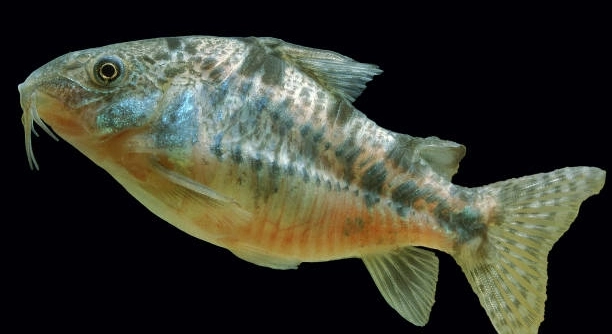
Corydoras catfish are popular aquarium fish known for their peaceful nature and bottom-dwelling habits. However, some owners notice their catfish constantly swimming against the current, which may raise questions about their behavior.
Corydoras catfish may swim against the current due to factors like water conditions, stress, or their natural instincts. They prefer environments with gentle water flow, but if the current is too strong or weak, they may struggle to adjust.
Understanding the reasons behind this behavior can help you provide a better environment for your Corydoras catfish. This article will explore the key factors affecting your catfish’s actions and provide helpful tips to improve their well-being.
Water Flow and Current Strength
Corydoras catfish thrive in slow-moving water, so a strong current can cause them to swim against it. When the water is too fast, they struggle to keep up, and this may force them to fight the current. On the other hand, if the water flow is too weak, they may swim against it in search of better oxygen levels or more stimulating water movement. A gentle, steady current helps these fish feel secure, simulating their natural habitat, where rivers and streams have slower flows.
To fix this issue, adjust the filter settings or add a sponge filter to create a more suitable environment. Ideally, the water should flow slowly and evenly throughout the tank. Check the placement of your filter to ensure it is not creating pockets of strong flow in certain areas. You can also provide some plants or decorations to break up the current, allowing your catfish to swim freely without struggling.
A proper water flow not only makes the catfish feel comfortable but also supports their overall health. If the current is too strong for them, it can lead to exhaustion or stress. Maintaining a stable water flow will make a noticeable difference in their behavior, allowing your catfish to swim naturally.
Tank Temperature and Stress
Water temperature can play a big role in how Corydoras catfish behave.
If the water is too warm or too cold, it can cause stress, making them swim erratically. When the water temperature fluctuates too much, Corydoras may swim against the current as they attempt to find a more comfortable zone. Maintaining a consistent temperature is crucial for keeping these fish calm.
Too high of a temperature can lead to rapid oxygen depletion, which also increases their need to swim against the current in search of more oxygenated water. Ensure your aquarium is equipped with a good heater to keep the temperature stable between 72°F and 78°F. Keep in mind that fluctuating temperatures are not only uncomfortable but can also negatively affect the fish’s immune system.
Stress can result in abnormal swimming patterns, so it’s essential to provide an environment where the fish feel secure and stable. Regular monitoring and making small adjustments to the temperature can help your Corydoras catfish swim happily and peacefully.
Tank Mates and Social Dynamics
Corydoras catfish are social creatures and thrive when kept with other peaceful species. However, the presence of aggressive or overly active tank mates can cause stress, leading them to swim against the current. If they feel threatened or crowded, they may seek calmer, less populated areas of the tank. This behavior is often a sign that the catfish are not comfortable in their environment.
It’s important to select tank mates that complement the calm nature of Corydoras. Avoid species that are overly aggressive, territorial, or too fast-moving. These types of fish can outcompete the Corydoras for space and food, leading to frustration and abnormal swimming behavior. Choosing peaceful and slower-moving fish will create a more balanced and stress-free environment for your catfish.
Consider the size of the tank as well. If the tank is overcrowded with other fish, Corydoras may feel cramped and insecure, which can make them swim against the current more often. A well-planned, peaceful tank setup will allow your Corydoras to feel at ease and swim naturally.
Water Quality and Oxygen Levels
Water quality is a key factor in Corydoras behavior. Poor water conditions, such as high ammonia or nitrate levels, can cause stress, prompting the fish to swim erratically. If the oxygen levels are too low, they may swim against the current in search of more oxygenated water. Regular water changes are essential to keep your catfish healthy and comfortable.
Test your water regularly to ensure that parameters like pH, ammonia, and nitrate levels remain in a safe range. If the water quality deteriorates, it can stress your Corydoras and lead to unusual swimming patterns. Using a good filtration system can also help maintain clear and clean water, promoting the overall well-being of your fish.
Additionally, if oxygen levels are low, consider adding an air stone or adjusting the filter to improve water circulation. Corydoras need a well-oxygenated environment to thrive. Regular maintenance of your aquarium’s water quality will help keep your fish calm and prevent them from swimming against the current.
Tank Size and Space
Corydoras catfish require enough space to swim and explore comfortably. A cramped tank can cause stress, pushing them to swim against the current. If the tank is too small or overcrowded, the catfish will feel trapped and may react by trying to find more space, even if that means swimming against the flow.
To prevent this, make sure the tank is large enough for the number of fish you keep. A tank of at least 20 gallons is ideal for a small group of Corydoras. This will allow them to move around freely and find calmer spots in the aquarium. A larger tank also reduces territorial disputes, providing a more peaceful environment for your fish.
Feeding Habits and Diet
Poor feeding habits can also impact your Corydoras catfish’s behavior. Overfeeding or offering food that is difficult to consume may cause stress. If they struggle to find food or feel underfed, they may swim against the current in search of something to eat. Consistent feeding and offering proper foods can reduce this.
You should feed Corydoras small, sinking pellets or live food, ensuring that they can easily reach the food without stress. Avoid overfeeding, as uneaten food can pollute the tank and contribute to water quality issues. Regular feeding schedules help maintain a balanced routine for your catfish, allowing them to swim peacefully.
Overexposure to Light
Excessive lighting can also stress Corydoras catfish. Bright lights, especially if they’re on for extended periods, may cause anxiety. Catfish are naturally more active during dim lighting and often seek shelter when exposed to bright lights. If the lighting is too intense, it could prompt them to swim in odd patterns.
If you notice this behavior, consider using a timer to regulate light exposure. Offering areas of shade with plants or decorations can provide refuge for your Corydoras, allowing them to feel safe. Light intensity should be balanced to mimic their natural environment, where light levels are typically lower.
FAQ
Why do Corydoras swim against the current?
Corydoras catfish swim against the current for several reasons, mainly related to their environment. If the current is too strong, they may struggle to maintain their position and swim against it. On the other hand, if the water flow is too weak, they may swim in search of better oxygenation or a more comfortable spot. Their natural habitat, slow-moving rivers and streams, encourages them to prefer gentle water flow. When conditions in the aquarium don’t mimic this, they may respond by swimming against the current as a way to find a more suitable environment.
How can I reduce the current in my tank for Corydoras?
To reduce the current, you can adjust your filter settings, lower the water flow, or move the filter placement. Adding a sponge filter can help provide a gentler water flow, ideal for Corydoras. You can also add plants, decorations, or other materials to disrupt the flow and break up strong currents. Ensure that there are areas in the tank where your fish can seek refuge from the current, giving them a peaceful place to rest. Adjusting these elements will allow your Corydoras to swim more naturally.
Can Corydoras live in strong currents?
Corydoras catfish are not suited for strong currents. They are bottom-dwellers and prefer slow-moving water, similar to their natural river habitats. Strong currents can exhaust them, cause stress, and make it difficult for them to swim comfortably. If the flow is too intense, they may swim against it or try to find calmer areas. It’s essential to adjust the current to a gentle flow, as excessive water movement can lead to health issues, including weakened immune systems or fatigue.
What water temperature is best for Corydoras?
Corydoras prefer a water temperature between 72°F and 78°F (22°C to 26°C). Temperatures outside of this range can stress the fish and affect their behavior. Warmer water can cause oxygen levels to drop, making it harder for Corydoras to swim. On the other hand, colder water can slow their metabolism and cause them to become sluggish. Maintaining a stable temperature within this range ensures they remain active and healthy, reducing the chances of them swimming against the current due to discomfort.
How can I keep my Corydoras tank clean?
Regular water changes are essential for maintaining good water quality and keeping your Corydoras healthy. It’s best to change 25-30% of the water every 1-2 weeks, depending on your tank size and stocking level. Additionally, clean your filter regularly to ensure it’s working efficiently. Use a gravel vacuum to remove debris from the bottom of the tank, where Corydoras tend to forage. Avoid overfeeding, as uneaten food can pollute the water and lead to harmful spikes in ammonia and nitrate levels. Keeping the tank clean reduces stress and encourages natural swimming patterns.
Can Corydoras survive with other fish?
Corydoras are peaceful fish that do well with other calm, non-aggressive species. They are bottom dwellers and prefer not to compete for space with fast swimmers or territorial fish. Avoid pairing them with aggressive species like cichlids or fish that might chase them around the tank. A community tank with gentle species like tetras, guppies, or other Corydoras makes a great environment for them to thrive in. Always ensure the tank is spacious enough to accommodate all its inhabitants without overcrowding.
Do Corydoras need a lot of oxygen?
Yes, Corydoras need oxygen-rich water to stay healthy. Although they are bottom dwellers, they still require proper oxygenation. If oxygen levels are too low, Corydoras may swim against the current in search of better water circulation. You can improve oxygen levels by adding an air stone, adjusting your filter, or ensuring proper tank maintenance. Regular water changes also help maintain higher oxygen levels, keeping your Corydoras active and comfortable.
What is the best diet for Corydoras catfish?
Corydoras are omnivores and require a balanced diet that includes both plant-based and animal-based foods. The best food for them includes sinking pellets, live or frozen foods like bloodworms or brine shrimp, and occasional vegetable matter like blanched spinach or zucchini. Ensure the food is small enough for them to easily consume, as Corydoras have small mouths. Avoid overfeeding, as excess food can pollute the water and lead to health issues. Feeding them a varied diet will support their health and keep them active, reducing the likelihood of stress-induced behavior like swimming against the current.
Why are my Corydoras swimming at the top of the tank?
Corydoras are bottom dwellers, so swimming at the top is not typical behavior. If your catfish are consistently swimming near the surface, it may indicate an issue with the water quality, such as low oxygen levels or high ammonia. In these cases, they may be seeking oxygen at the surface. Another possibility is a temperature issue, where the water is too warm, causing the fish to seek cooler areas near the surface. Ensure the water conditions are optimal and that your filter is functioning well to prevent this behavior.
Can Corydoras live in low-light tanks?
Corydoras do not require bright lights and actually prefer low-light conditions. In the wild, they are found in areas with softer lighting, such as under the canopy of trees or in shaded riverbeds. Bright lights can stress them, causing them to hide or swim erratically. Using dim lighting or providing shaded areas with plants can help mimic their natural environment and reduce stress. If you use artificial lighting, try to keep it on for around 8-10 hours a day to avoid overexposure.
Final Thoughts
Corydoras catfish are relatively low-maintenance fish that make great additions to any peaceful aquarium. However, their behavior, particularly swimming against the current, can be a sign of discomfort or stress. Understanding the causes behind this behavior is essential for providing a better environment for your fish. Factors such as water flow, temperature, tank mates, and water quality all play significant roles in determining how your Corydoras feel in their tank. By making the necessary adjustments to these elements, you can create a more comfortable and stable environment for your catfish.
Ensuring proper water flow is perhaps the most important factor. Corydoras are used to gentle currents in the wild, and a strong or weak flow can cause them to act out. Adjusting your filter or adding plants and decorations to break up the current can help reduce their stress. Additionally, keeping the water temperature stable between 72°F and 78°F ensures that your Corydoras remain comfortable and active. Water quality also plays a big part in their well-being. Regular water changes and testing the water for proper parameters can prevent harmful conditions from affecting your catfish. A well-maintained tank will support their health and keep them from swimming against the current due to poor water conditions.
In addition to these environmental factors, it’s important to choose the right tank mates for your Corydoras. Aggressive or fast-moving fish can intimidate or outcompete them for space, food, and oxygen, leading to stress. Choosing peaceful, slower fish helps create a harmonious tank environment where your Corydoras can thrive. With the right care and attention to their needs, your Corydoras will be able to swim freely and naturally without the need to fight against the current.

Hello,
If you enjoy the content that we create, please consider saying a "Thank You!" by leaving a tip.
Every little bit helps us continue crafting quality advice that supports the health, happiness, and well-being of pets around the world, for pets of all shapes, sizes, and species.
We really appreciate the kindness and support that you show us!