
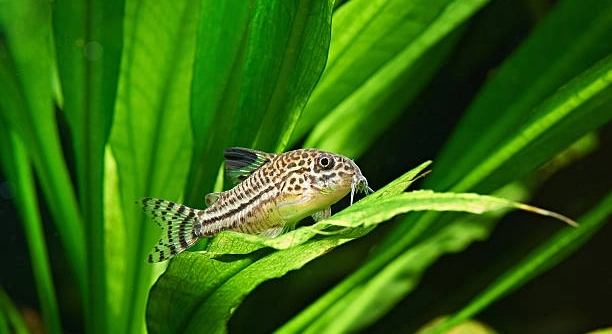
Corydoras catfish are popular aquarium pets, known for their peaceful nature and bottom-dwelling habits. Their behavior can be fascinating, yet often misunderstood by hobbyists. If you’re looking to understand these fish better, keep reading.
Corydoras catfish exhibit unique behaviors such as forming schools, foraging for food in the substrate, and displaying various social interactions. These behaviors help them stay safe, communicate with each other, and thrive in their environment.
There’s a lot more to discover about Corydoras than their calm, friendly nature. Exploring their daily habits will give you a deeper understanding of these charming fish.
Corydoras and Their Social Behavior
Corydoras catfish are highly social creatures, and their behavior reflects this. They are often found swimming in schools, which is their natural way of staying safe. Being part of a group helps them avoid predators and find food more efficiently. These fish tend to form close-knit bonds with their fellow tank mates, and often, you’ll see them sticking together, moving in a synchronized pattern. In an aquarium, they may even seem to communicate with one another through subtle body language or a series of movements.
Their social nature isn’t just about safety; Corydoras also enjoy interacting with each other. In a community tank, these fish are typically peaceful and get along well with other species. However, they do tend to stick with other Corydoras or similarly calm fish, where they can form their group structure.
Having multiple Corydoras in the same tank can promote a sense of security for each fish, which leads to better overall health and less stress. The presence of tank mates is essential to their well-being. Keeping a school of Corydoras in your tank creates a more natural environment for them, making them feel safer and more relaxed. This behavior is not just a preference; it is vital for their happiness and longevity.
Corydoras and Feeding Habits
Corydoras are bottom feeders, and their feeding behavior plays a key role in maintaining the tank environment. They use their barbels to sift through the substrate, looking for tiny bits of food. This constant foraging helps keep the tank clean by consuming uneaten food and waste.
When feeding your Corydoras, make sure to provide sinking pellets or foods that settle at the bottom. These fish prefer to eat food that reaches the substrate, where they naturally search for meals. However, it’s important to avoid overfeeding, as leftovers can lead to water quality issues.
Corydoras are opportunistic feeders, so they may also scavenge for small invertebrates and algae on the tank floor. They’re not picky eaters, but a balanced diet of sinking pellets, freeze-dried worms, and occasional fresh foods can help maintain their health. Feeding them properly ensures that they stay active and engaged, mimicking their natural instincts while providing the right nutrients. Regular feeding schedules can also prevent them from becoming too stressed or undernourished.
Corydoras’ Need for Clean Water
Corydoras catfish are sensitive to water quality. They rely on clean, well-maintained water to stay healthy. Poor water conditions can lead to stress, which affects their behavior and overall health. Regular water changes and proper filtration are crucial to keeping your Corydoras thriving.
These fish produce a fair amount of waste, so the tank needs to be cleaned regularly. It’s important to monitor ammonia, nitrate, and nitrite levels to prevent toxic buildup. Low oxygen levels or improper pH can also harm Corydoras. A good filtration system will keep the water moving, ensuring they have enough oxygen to stay active.
Additionally, Corydoras are more prone to illness in dirty or stagnant water. If the tank isn’t cleaned often, they may develop skin infections or other issues. Keeping the water clean not only ensures their well-being but also encourages natural behaviors like foraging and interacting with other fish. Investing in a quality filter and monitoring your water parameters regularly is key.
Corydoras and Their Interaction with Substrate
The substrate in your aquarium is more than just decoration; it’s crucial to Corydoras’ behavior. These fish spend a lot of time on the bottom of the tank, sifting through the substrate to find food. They are known for their constant digging and exploring, which helps them feel more secure.
Corydoras prefer soft, fine sand or smooth gravel. Rough materials can injure their delicate barbels, which they use for foraging. Sand is ideal, as it allows them to dig without hurting themselves. A soft substrate also promotes their natural instinct to search for food by mimicking their natural habitat.
The type of substrate can also affect the water quality. Fine sand helps prevent waste from building up, which is crucial for maintaining the cleanliness of the tank. It also gives Corydoras a place to hide and feel safe, which is important for their overall well-being. A properly chosen substrate encourages natural behavior and promotes a healthy environment for these bottom-dwelling fish.
Corydoras’ Preference for Low Lighting
Corydoras catfish are sensitive to light. In the wild, they tend to thrive in darker, shaded areas. In your aquarium, bright lighting can cause stress, making them more hesitant to swim or explore. Dim or soft lighting is best for keeping them comfortable and relaxed.
While Corydoras can adapt to a variety of lighting conditions, they do prefer tanks with lower light levels. This environment mimics their natural habitat, where they often hide in plants or other structures to stay out of direct light. Using a gentle light source will encourage them to behave more naturally.
A good way to simulate their natural environment is to add plants and decorations that provide shaded spots in the tank. This gives them places to retreat to when they need a break from the light. Reduced lighting not only helps with their comfort but also prevents unnecessary stress.
Corydoras’ Breeding Behavior
Corydoras catfish are peaceful fish, but during breeding, they can display interesting behaviors. They may perform a mating dance, where the male chases the female around the tank. The male will then guide her to a flat surface, where she will lay her eggs.
Breeding Corydoras in an aquarium requires careful attention to water conditions. Lower temperatures and slightly acidic water can trigger their breeding cycle. The fish will likely spawn in groups, with several males competing for a female’s attention. Once the eggs are laid, both parents typically avoid them, allowing them to hatch on their own.
Though they breed in groups, Corydoras are not aggressive during mating. Their behavior is generally calm, even during these moments of reproductive activity. The male and female work together to ensure successful fertilization, making it a fascinating process to observe in the aquarium.
Corydoras’ Playful Interactions
Corydoras catfish have a playful side, often seen interacting with their tank mates. They may engage in friendly chasing or even “play” by pushing objects around. This behavior can be seen especially when they are well-fed and their environment is stable.
Their playful interactions are a sign of a healthy, happy fish. Corydoras enjoy engaging with their surroundings, whether it’s by swimming in groups or exploring new objects in their tank. When they have a stable social structure and comfortable living conditions, these fish become more active and playful.
FAQ
Do Corydoras catfish need a lot of space?
Corydoras do not require large tanks, but they do need enough space to swim and explore. A 20-gallon tank is typically suitable for a small group. The more space available, the more natural their behavior will be. Too small of a tank can lead to stress and aggression. However, they prefer swimming in schools, so it’s better to have a few Corydoras rather than just one. A school of at least four to six will help them feel secure and encourage natural interactions.
Can Corydoras catfish live with other fish?
Yes, Corydoras are peaceful fish and can live with most other species, especially those that are calm. Avoid keeping them with aggressive or very large fish that may view them as prey. Corydoras thrive best in a community tank with similarly peaceful species. They are bottom dwellers, so they typically avoid interaction with other fish that occupy higher water levels. Just make sure their tank mates are not overly territorial.
What do Corydoras eat?
Corydoras are omnivores and enjoy a varied diet. They primarily eat sinking pellets, algae wafers, and small invertebrates. In addition to their main food, they may also forage for small pieces of leftover food or organic matter found on the substrate. Corydoras will benefit from occasional treats like bloodworms, daphnia, or brine shrimp. They also help keep your tank clean by scavenging any uneaten food.
Do Corydoras catfish need plants in their tank?
While Corydoras don’t rely on plants for food, they do benefit from the presence of live plants. Plants provide shelter and hiding spots, which make Corydoras feel more secure. Additionally, plants can help improve water quality by absorbing nitrates. Having plants also helps mimic their natural habitat, where they can hide among vegetation and feel protected.
Are Corydoras catfish active all the time?
Corydoras are most active during the evening and early morning. During the day, they tend to rest or hide in shaded areas, especially if the tank is brightly lit. At night, you will see them actively foraging, digging, and interacting with other fish. Their activity levels depend on water conditions, tank setup, and whether they are kept in groups. A well-lit tank with hiding places will encourage them to be more active during the night.
How often should I feed my Corydoras?
You should feed your Corydoras once or twice a day, depending on their activity level. Overfeeding can lead to poor water quality and health issues, so only provide the amount of food they can consume in a few minutes. Ensure that sinking pellets or food that reaches the bottom is available, as Corydoras prefer to forage on the substrate. Be sure to remove any uneaten food to prevent waste buildup.
How can I tell if my Corydoras is stressed?
Signs of stress in Corydoras include hiding too much, swimming erratically, or rubbing against objects in the tank. Stress can also cause them to lose their color, become more lethargic, or stop eating. The most common causes of stress are poor water quality, inadequate tank mates, or unsuitable tank conditions. If your Corydoras are exhibiting these behaviors, it’s important to check the water parameters, lighting, and tank setup to ensure they are in a comfortable environment.
How long do Corydoras catfish live?
Corydoras can live for 5 to 10 years when kept in proper conditions. Their lifespan depends on water quality, tank conditions, and diet. Regular maintenance, such as water changes and monitoring tank parameters, can help ensure that they live a long, healthy life. Corydoras also need to be kept in a peaceful environment to avoid stress, which can shorten their lifespan.
Do Corydoras catfish breed easily?
Corydoras can breed in captivity, but it requires certain conditions to encourage them. Lower water temperatures, slightly acidic water, and clean, well-maintained conditions can trigger their breeding behavior. Corydoras usually lay eggs on flat surfaces, such as leaves or tank decorations. After spawning, the eggs hatch in about 3 to 4 days. While breeding can happen in community tanks, it’s more successful in species-specific tanks where conditions are carefully controlled.
Can Corydoras catfish be kept alone?
Corydoras are social fish and should not be kept alone. A lone Corydoras may become stressed, which can lead to health issues. It’s best to keep them in groups of at least four to six, as they naturally form schools in the wild. A group provides a sense of security, helps them feel comfortable, and encourages natural behaviors. Without tank mates, Corydoras may become more shy and less active.
Are Corydoras catfish hardy fish?
Yes, Corydoras catfish are considered hardy fish, making them a great option for beginner aquarium keepers. They can adapt to a variety of water conditions, though they do best in stable environments. However, they are still susceptible to poor water quality and diseases if not cared for properly. Regular water changes and monitoring water parameters are essential to maintaining their health. Corydoras are also fairly resistant to many common fish diseases when kept in good conditions.
Final Thoughts
Corydoras catfish are a great choice for aquarium enthusiasts who want to add peaceful and interesting fish to their tanks. Their calm demeanor, social behavior, and bottom-feeding habits make them unique and enjoyable to watch. They thrive in well-maintained tanks with clean water, suitable tank mates, and a peaceful environment. By understanding their basic needs and behaviors, you can create a comfortable habitat that keeps them healthy and active. Regular tank maintenance, appropriate lighting, and providing food that suits their bottom-dwelling nature are essential to ensuring they live long and healthy lives.
Keeping a group of Corydoras in your tank not only enhances their well-being but also contributes to the overall health of your aquarium. These fish are social creatures and do best in schools of at least four or more. Their natural behavior, like foraging through the substrate and interacting with other fish, can make your tank feel more lively. By adding plants, hiding spots, and maintaining a proper substrate, you can mimic their natural environment, encouraging them to display their most comfortable and natural behaviors. Watching them interact with each other and their environment can be a rewarding experience.
In conclusion, Corydoras catfish are hardy and low-maintenance fish that are perfect for beginners and experienced aquarium keepers alike. They are friendly, easy to care for, and bring a unique charm to any tank. By providing them with the right environment, you can ensure that these fish will thrive and enjoy a peaceful, active life in your aquarium. Whether you’re interested in their social behaviors, feeding habits, or simple companionship, Corydoras are a wonderful addition to any tank. With a little care and attention, they can bring years of enjoyment.

Hello,
If you enjoy the content that we create, please consider saying a "Thank You!" by leaving a tip.
Every little bit helps us continue crafting quality advice that supports the health, happiness, and well-being of pets around the world, for pets of all shapes, sizes, and species.
We really appreciate the kindness and support that you show us!