
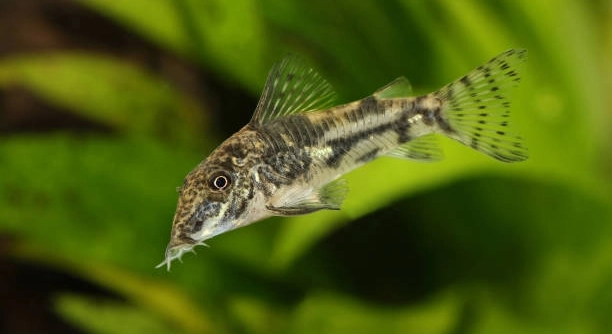
Corydoras catfish are peaceful and popular aquarium pets, but their health and well-being depend on a number of factors, including water movement. Understanding their needs can help keep them comfortable and thriving in your aquarium.
Corydoras catfish may require more water movement if they seem lethargic or exhibit abnormal behavior, such as gasping at the surface. Ensuring proper water flow is vital for their oxygen levels, digestion, and overall health.
Observing these signs will help you create a better environment for your fish. Knowing when to adjust the water flow can improve your catfish’s quality of life and prevent unnecessary stress.
How Water Movement Affects Corydoras Catfish
Corydoras catfish are bottom dwellers that thrive in calm waters, but they still need some water movement to stay healthy. When the water is too still, it can affect their breathing and digestion, making them feel sluggish. Their gills are designed to filter oxygen from moving water, so low oxygen levels can cause them to gasp for air at the surface. They also rely on water currents to help move food particles around the tank. Without a sufficient flow, they might not be able to find and eat enough food, which can weaken their immune system. A slight current can encourage them to swim more, keeping them active and healthy.
Adding a filter or an air stone can improve water movement. However, it’s essential not to create too strong a current, as Corydoras catfish are not suited for high water speeds. Instead, aim for a gentle movement that mimics their natural environment. A consistent, mild current will help them thrive and maintain their energy levels.
By adjusting water movement, you support the catfish’s need for oxygen, food, and exercise. Balancing the current properly also helps reduce stress, which can lead to a happier, healthier aquarium environment for all your fish.
Signs of Low Water Movement
If you notice your Corydoras catfish are behaving differently, it might be because of low water movement.
When water movement is insufficient, Corydoras can show signs like gasping at the surface, staying in one spot, or moving sluggishly. These changes can affect their overall health. It’s important to make adjustments to restore balance.
Why Too Much Water Movement Can Be Harmful
Excessive water movement can stress your Corydoras catfish. They are not built for strong currents and may struggle to find a comfortable spot in the tank. Constantly battling strong water flow can wear them out, leading to increased stress and poor health. It’s essential to find the right balance for your catfish.
Too much current can make it hard for Corydoras to forage and breathe properly. They may spend more time hiding to escape the strong flow. This lack of activity can cause them to become less social and may even affect their eating habits. If the water is too strong, they might be unable to move freely or access food, which could lead to malnutrition over time.
A high current can also increase the chances of injury to your catfish. They could accidentally collide with decorations or the tank walls while trying to swim. To prevent this, use a filter with adjustable flow or add baffles to diffuse the current, creating a calmer environment for your fish.
How to Improve Water Movement
Increasing water movement in your aquarium can be done easily with a few changes.
Start by adjusting the filter flow rate. Many filters have settings that allow you to control how fast the water moves. This is a simple way to give your Corydoras more oxygen without overwhelming them. Adding an air stone can also help create gentle water movement by producing small bubbles that rise to the surface.
Consider using a sponge filter to boost oxygen levels while keeping the flow gentle. Sponge filters are ideal for tanks with sensitive fish like Corydoras because they provide mild water circulation. If you need more water movement, use a circulation pump with an adjustable flow setting, but ensure it doesn’t create a strong current. Always check how your fish respond to these changes. If they seem stressed or restless, it’s time to lower the flow again.
Adjusting Tank Decorations for Better Flow
Tank decorations can affect water movement. Placing decorations in certain spots may block water flow or create dead zones.
If you notice areas of the tank with stagnant water, try rearranging decorations. Move rocks, plants, or ornaments to improve water circulation. This helps create a more even flow throughout the tank and ensures your Corydoras have better access to oxygen and food. Keep an eye on the current after adjustments to see if your fish respond more positively.
Adding Live Plants to Enhance Movement
Live plants can help increase water movement in your tank.
Plants create natural water flow by disrupting the surface tension and encouraging movement. Their roots also help to aerate the water, providing a more balanced environment. Opt for plants that don’t grow too thick or dense, as they may obstruct the flow. Some plants, like java moss or elodea, work well in this regard.
FAQ
What happens if my Corydoras catfish has too little water movement?
When there is not enough water movement, Corydoras catfish can struggle to breathe properly. They rely on water flow to bring oxygen to their gills. Without it, they may start gasping at the surface or remain motionless at the bottom. Low water movement also impacts their ability to find food, as the current helps to carry small particles to them. Over time, insufficient movement can lead to stress, weakened immune systems, and poor overall health.
Can Corydoras live in a tank with strong water currents?
Corydoras catfish are not suited to tanks with strong currents. Their bodies are built for bottom-dwelling in calm waters, so a strong flow can be overwhelming and stressful. They may find it difficult to swim or search for food in strong currents. However, if your tank has a current that is too strong, it’s essential to adjust the water movement using filters or baffles to make it gentler.
How do I know if the water movement in my tank is just right?
You can tell the water movement is ideal if your Corydoras are swimming actively but not fighting the current. If they seem to swim with ease, stay in the middle of the tank, or rest comfortably near the bottom, the water flow is likely balanced. They should also be actively foraging and not gasping for air at the surface. If they show any signs of stress or lethargy, it may be a sign that the current is too strong or too weak.
Can I use an air pump to increase water movement for my Corydoras?
Yes, an air pump can help increase water movement in your tank. By attaching an air stone or sponge filter to the air pump, you can create a mild current that will boost oxygen levels. However, it’s essential to ensure the air pump’s output is not too powerful for your Corydoras. A gentle movement is sufficient, as strong currents can be harmful. Observe your fish’s behavior to ensure they are comfortable with the flow.
Is it necessary to use a filter with adjustable water flow?
Using a filter with adjustable flow is highly recommended for tanks with Corydoras catfish. It allows you to control the water movement and avoid extremes. Adjustable filters enable you to set the current to a moderate speed that’s ideal for your fish, ensuring they receive enough oxygen without being overwhelmed. Regularly monitor the fish’s behavior to make sure the flow remains balanced.
How do I prevent dead spots in my aquarium?
Dead spots are areas of the tank where water circulation is minimal or stagnant. To avoid them, ensure that your filter is placed in a position where it can circulate water evenly throughout the tank. Additionally, you can rearrange decorations or use powerheads to help distribute the water flow more evenly. Periodically check these spots to ensure there’s no buildup of debris or excess waste, as it could harm your fish.
Should I add live plants to improve water movement for my Corydoras?
Live plants can indeed help improve water movement in your aquarium. As the plants grow, their leaves and stems break up water flow and create subtle currents, which can improve oxygenation. Plants also help filter the water by absorbing excess nutrients. However, ensure the plants don’t become too dense, as this could impede water flow. Opt for plants like java moss or hornwort that work well in gentle currents.
What size tank is ideal for Corydoras catfish?
Corydoras catfish thrive in tanks that are at least 20 gallons. A larger tank provides better space for water circulation and reduces the chances of strong currents causing stress. The tank should have a gentle filter system that won’t overwhelm the fish. A well-planted tank with plenty of hiding spots is ideal for their comfort and well-being.
Can Corydoras catfish tolerate changes in water movement over time?
Corydoras can adapt to moderate changes in water movement, but sudden shifts in the current can stress them. Gradual adjustments are key. If you need to change the water flow, do it slowly over several days to allow your Corydoras to adjust. Keeping the current consistent will help your catfish feel secure and comfortable in their environment.
How do I check if my Corydoras are getting enough oxygen?
One way to check if your Corydoras are getting enough oxygen is by observing their behavior. If they are frequently near the surface gasping for air, this is a sign that the water may not have enough oxygen. You may also notice that they are sluggish or spend too much time in one area. If you see these signs, it’s a good idea to increase water movement or improve aeration in the tank.
Final Thoughts
Proper water movement is crucial for the health and well-being of your Corydoras catfish. These fish are naturally found in calm waters, but they still need some level of water movement to thrive. A balance is key—too little movement can lead to low oxygen levels and poor water quality, while too much current can cause stress and make it difficult for your fish to feed or swim comfortably. By understanding the needs of your Corydoras, you can create a better environment that supports their health and happiness.
Adjusting the water flow in your tank is not difficult, but it requires attention to detail. Begin by observing your Corydoras’ behavior. If they seem lethargic, are gasping at the surface, or appear to be struggling with the current, it’s a sign that something needs to change. On the other hand, if the current is too strong and your fish seem stressed or hide more often, that’s also an indication that the flow is not suitable. Small changes, like adjusting your filter or adding a sponge filter, can make a big difference in the water movement without overwhelming the fish.
Maintaining the right water flow will improve the overall health of your Corydoras catfish and reduce the risk of stress-related issues. Regularly check the current and ensure your aquarium setup is well-suited for your fish. You can also experiment with different decorations or plants to enhance the water flow naturally. Ultimately, a balanced and consistent water movement will lead to a more comfortable and enjoyable environment for your Corydoras, allowing them to thrive in your aquarium for years to come.

Hello,
If you enjoy the content that we create, please consider saying a "Thank You!" by leaving a tip.
Every little bit helps us continue crafting quality advice that supports the health, happiness, and well-being of pets around the world, for pets of all shapes, sizes, and species.
We really appreciate the kindness and support that you show us!