
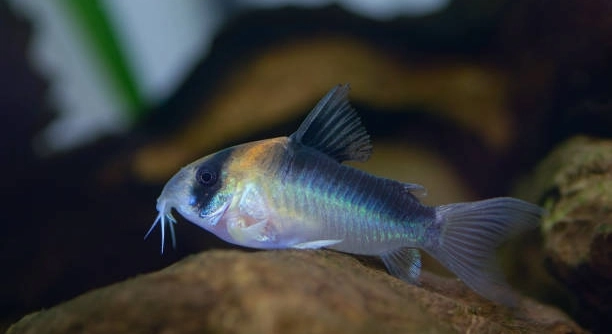
Corydoras catfish are beloved for their peaceful nature and unique appearance, but you might notice their barbels shortening over time. This issue can be concerning, as it may indicate underlying health problems. Understanding the cause is essential.
The shortening of barbels in Corydoras catfish is often caused by poor water conditions, insufficient nutrition, or physical damage. These fish rely on their barbels to detect food, and any alteration can affect their overall well-being.
Taking action to resolve this issue involves addressing water quality, dietary habits, and providing a suitable environment. Understanding the problem will help ensure your fish remain healthy and active in their aquatic home.
Poor Water Conditions Can Affect Your Fish’s Health
Water quality is crucial for Corydoras catfish, as they are sensitive to changes in their environment. High levels of ammonia, nitrites, and nitrates in the water can irritate their barbels, leading to them shortening. The barbels help these fish locate food and navigate their surroundings, so any damage or irritation can affect their behavior and health. It’s important to regularly test your tank’s water for harmful substances and make adjustments as needed. A clean, well-maintained tank will keep your catfish healthy and prevent barbel issues. Ensure your aquarium has proper filtration and do regular water changes.
A proper filter and frequent water changes help maintain the right conditions for your catfish. Clean water reduces stress, allowing them to thrive. A consistent schedule of maintenance will lead to better overall fish health and prevent further complications.
If your Corydoras catfish’s barbels are shortening, it’s likely due to water quality issues. Regular testing and maintenance should help avoid this problem. Keep a close eye on your fish’s behavior, as poor water quality can cause stress, affecting their health.
Poor Diet Can Lead to Barbel Damage
A lack of essential nutrients in your Corydoras catfish’s diet can directly affect their barbel health. If their diet is lacking in important vitamins and minerals, their barbels may weaken and shrink over time. Make sure to provide a varied diet rich in protein, and occasionally supplement it with live foods.
Corydoras catfish are bottom feeders, so they often rely on sinking pellets or food that reaches the substrate. Offering a variety of foods such as algae wafers, frozen foods, and occasional live worms will help them stay healthy. These catfish also need specific vitamins, particularly Vitamin C, to maintain their immune system and skin health. Without proper nutrition, their barbels can shorten or even develop lesions.
To avoid these issues, ensure you are feeding your Corydoras a balanced diet that meets their nutritional needs. Offering high-quality, varied foods can support the growth and maintenance of their barbels and improve overall health.
Physical Injury Can Impact Barbels
If your Corydoras catfish experiences physical damage, it could lead to shortened or even missing barbels. Injuries often occur from rough handling or aggressive tank mates. If your fish is frequently bumping into objects or being chased, this can cause harm to their delicate barbels.
Injury to the barbels can also happen when the fish get stuck in tight spaces or hit sharp decorations in the tank. Over time, these injuries might lead to their barbels being shortened or damaged. Always ensure the tank environment is free from any sharp objects and that no aggressive fish are present.
Stress Can Be a Factor
Stress is another significant factor that affects your Corydoras catfish. When these fish are stressed, their immune system weakens, making them more susceptible to diseases and physical damage. Stress can also directly impact their barbels, causing them to shrink or become damaged.
It’s important to keep your Corydoras in a peaceful, stable environment. Ensure they are not stressed by sudden changes in water temperature, inconsistent feeding schedules, or tank mate aggression. The calmer the environment, the healthier the catfish, leading to better care for their barbels.
FAQ
Why are my Corydoras catfish’s barbels shortening?
Barbel shortening in Corydoras catfish can result from several factors, including poor water conditions, lack of proper nutrition, physical injury, or stress. Ammonia, nitrite, and nitrate buildup in the tank can irritate the barbels, causing them to shrink over time. Additionally, an unbalanced diet lacking essential nutrients may weaken the barbels. Injury from tank decorations or aggressive tank mates can also be a cause. Lastly, stress due to a poor environment or sudden changes can weaken your fish’s immune system, leading to damaged barbels. Addressing the underlying cause is crucial for restoring their health.
How can I improve water conditions for my Corydoras catfish?
To improve water conditions, regularly test your tank’s water for ammonia, nitrites, and nitrates. These harmful substances should be kept at safe levels: ammonia and nitrites should always be zero, and nitrates should be under 20 ppm. Invest in a high-quality filter that ensures proper water circulation and filtration. Perform regular water changes, about 25-30% every week, to remove excess waste and toxins. Maintaining a stable water temperature and pH is also important, as Corydoras are sensitive to drastic changes. Keeping the tank clean and performing routine water checks will support their overall well-being.
What should I feed my Corydoras catfish to prevent barbel issues?
A varied and balanced diet is key to preventing barbel issues in Corydoras catfish. High-quality sinking pellets, which reach the bottom where Corydoras feed, should be a staple. Supplement with live or frozen foods like brine shrimp, bloodworms, and daphnia. These provide essential protein and help maintain healthy barbels. You can also offer algae wafers, which are beneficial for digestion and overall health. Ensure the food is appropriately sized for their small mouths, and feed them in moderation. A diverse diet ensures they receive all the necessary vitamins and minerals for healthy growth and barbels.
Can aggressive tank mates cause barbel damage?
Yes, aggressive tank mates can cause damage to your Corydoras catfish’s barbels. Corydoras are peaceful fish and can easily become stressed or injured if housed with overly aggressive species. Tank mates that chase, nip, or bully them can lead to physical harm, including barbel shortening. If your Corydoras are showing signs of injury or stress, it’s important to evaluate their tank mates and separate them from any fish that may be causing harm. Maintaining a peaceful tank environment is crucial for the health of your catfish.
How often should I perform water changes for Corydoras catfish?
Water changes are essential for maintaining a healthy environment for Corydoras catfish. It’s recommended to change about 25-30% of the water each week. This helps remove waste buildup and keeps harmful substances like ammonia and nitrates at safe levels. Frequent water changes are especially important if your tank is densely populated. Be sure to use a water conditioner to neutralize any chlorine or chloramine in tap water before adding it to the tank. Keep in mind that consistency is key; sudden changes in water parameters can stress your fish and affect their health.
Can Corydoras catfish recover from damaged barbels?
Corydoras catfish can recover from damaged barbels if the underlying cause is addressed. The barbels may regrow, but it can take time. Improving water quality, providing a nutritious diet, and eliminating stressors are essential steps for recovery. If the barbels are severely damaged or if the fish is suffering from an infection, additional treatment may be needed. Regular monitoring of the fish’s health and environment will help ensure proper recovery. Keep in mind that damaged barbels might not fully regenerate to their original length, but with proper care, your Corydoras can live a healthy life.
How can I reduce stress in my Corydoras catfish?
Reducing stress in Corydoras catfish involves providing a stable and peaceful environment. Avoid sudden changes in water temperature, pH, and other water parameters. Keep the tank free of aggressive or territorial fish that may bully your Corydoras. Adding hiding spots such as caves or plants can give them a sense of security. Corydoras also appreciate a soft substrate like sand, which prevents injury to their barbels. Maintaining a consistent feeding schedule and minimizing loud noises or vibrations near the tank can also help keep them calm and stress-free.
What are the signs of a malnourished Corydoras catfish?
Malnourished Corydoras catfish may show several signs of poor health. These include shortened or damaged barbels, lethargy, and a lack of appetite. Their colors may fade, and they may become weaker or more prone to illness. If your Corydoras appears thin or frail, it’s likely not getting enough nutrition. A malnourished fish may also have difficulty swimming properly. To remedy this, offer a varied diet with high-quality foods that provide essential nutrients. Regular feeding of protein-rich foods and supplements can help restore their health and strength.
Can Corydoras catfish live without barbels?
While Corydoras catfish can technically live without their barbels, they rely heavily on these sensory organs to detect food and navigate their environment. Without barbels, they may struggle to find food and may become more vulnerable to stress. Missing or damaged barbels can also impact their overall quality of life. While they may survive without them, it’s essential to address the cause of barbel damage to prevent further issues. Ensuring the fish has proper care, including a suitable diet and stress-free environment, will help them adapt and thrive without barbels.
Are Corydoras catfish sensitive to changes in water temperature?
Yes, Corydoras catfish are sensitive to changes in water temperature. Sudden fluctuations can stress them out, making them more prone to diseases and barbel damage. Ideally, the water temperature should be kept between 72-78°F (22-26°C). It’s important to use a reliable heater to maintain a stable temperature. Rapid temperature changes, even by just a few degrees, can cause distress. Corydoras may stop eating or exhibit abnormal behavior when stressed by temperature swings. Regularly monitor the tank temperature and make gradual adjustments if necessary to maintain a stable environment.
Final Thoughts
Corydoras catfish are sensitive creatures, and their barbels play a crucial role in their overall health and survival. Shortening or damage to their barbels is a sign that something in their environment may not be ideal. It is important to identify the cause of the issue quickly so that the fish can recover and continue to thrive in the tank. Whether the cause is poor water conditions, improper diet, or injury, addressing it will help ensure the well-being of your fish.
To keep your Corydoras healthy, maintaining a clean and stable environment is essential. Regular water changes, appropriate filtration, and consistent water parameters are key factors that will help prevent issues with their barbels. Additionally, providing a balanced diet rich in protein and essential nutrients is crucial for their growth and overall health. With proper care, Corydoras can live long and happy lives, and their barbels can remain in good condition.
Lastly, understanding and monitoring the behaviors and needs of your Corydoras catfish will help prevent many common health problems. Stress, injury, or poor water quality can affect their health in various ways, but with the right approach, many issues can be prevented or reversed. Keeping your Corydoras in a peaceful tank with suitable tank mates and giving them the care they need will go a long way in ensuring their happiness and well-being.

Hello,
If you enjoy the content that we create, please consider saying a "Thank You!" by leaving a tip.
Every little bit helps us continue crafting quality advice that supports the health, happiness, and well-being of pets around the world, for pets of all shapes, sizes, and species.
We really appreciate the kindness and support that you show us!