
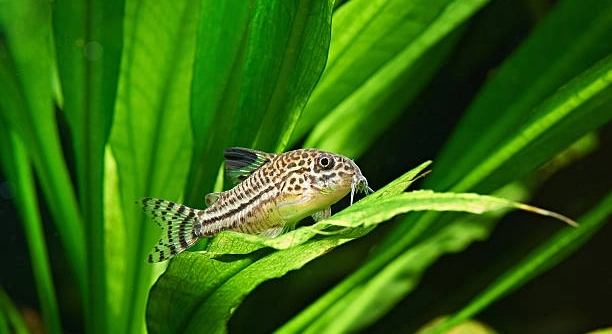
Corydoras catfish are popular for their peaceful nature and unique appearance. As an aquarium enthusiast, you might wonder whether these fish can thrive in a brackish tank. Understanding their needs is key to keeping them healthy.
Corydoras catfish are typically freshwater fish and are not suited for brackish water conditions. While they can tolerate slightly salty water for short periods, prolonged exposure can lead to stress and health issues. Maintaining their ideal environment is essential.
With this in mind, it’s important to learn the proper care requirements for Corydoras catfish. Keeping these factors in check will ensure they live a long, healthy life in your aquarium.
What is Brackish Water?
Brackish water is a mix of fresh and saltwater, commonly found in areas like estuaries or coastal regions where rivers meet the ocean. The salinity level of brackish water falls between that of freshwater and seawater. While many aquatic species thrive in brackish conditions, not all fish are equipped to handle this type of environment. Corydoras catfish, in particular, are not naturally found in brackish waters. They are adapted to live in freshwater, with soft, acidic water being their preferred habitat. Prolonged exposure to brackish water can cause stress and illness for Corydoras, leading to shorter lifespans. For aquarium owners, understanding the difference in water types is essential for the health of the fish.
It’s important to know that most freshwater species are sensitive to changes in water salinity. If you’re thinking about adding Corydoras to a brackish tank, be mindful of their natural habitat and its conditions.
Maintaining the right water conditions is crucial when caring for Corydoras catfish. Freshwater is their optimal environment, and slight variations in salinity can harm their overall well-being. Keep in mind that saltwater can lead to unnecessary stress and health complications for them.
Why Corydoras Can’t Live in Brackish Water
Corydoras catfish are adapted to live in freshwater environments where the water is soft, slightly acidic, and low in salinity. These conditions help keep their delicate gills and skin healthy. When exposed to brackish water, their bodies struggle to maintain the balance of salt and water within. This can lead to dehydration, weakened immune systems, and increased vulnerability to diseases. The salt in brackish water disrupts their natural bodily functions, causing stress that may affect their behavior and appetite.
In a brackish tank, where salinity fluctuates, Corydoras become more vulnerable to health issues. The key to keeping them healthy is to replicate the freshwater conditions they need. While they can survive in slightly salty water for short periods, it’s not an ideal long-term solution. Keeping their habitat consistent and stable will promote their health and happiness. Avoiding brackish water ensures they have the best environment for thriving.
Understanding these points is critical in making informed decisions about tank setups. In a brackish tank, the fish will face constant stress that affects their overall well-being. Adjusting salinity can result in slower growth or more frequent illnesses, making it necessary to reconsider adding Corydoras catfish to such tanks.
How to Care for Corydoras Catfish in Freshwater
Corydoras catfish thrive in freshwater, where water parameters like pH, hardness, and temperature are stable. For the best care, maintain a temperature range between 72°F to 78°F, with slightly acidic to neutral water (pH 6.0 to 7.5).
Regular water changes are essential to keep the tank clean and free from toxins. Keep the water soft and slightly acidic, mimicking the natural freshwater habitats of Corydoras. Using a good filtration system is important to maintain water quality while keeping water movement gentle, as these fish prefer calmer waters. Keep a watchful eye on any signs of stress or illness, such as changes in behavior or physical appearance.
Additionally, ensure that the tank has plenty of hiding spots. Corydoras are bottom dwellers and feel safer with caves, plants, or decorations where they can retreat. A soft substrate, like sand, is preferred to avoid damage to their sensitive barbels. With the right care, Corydoras can live up to 5 years or longer in a well-maintained freshwater aquarium.
Why pH and Hardness Matter for Corydoras
Corydoras are sensitive to changes in pH and hardness levels. Maintaining stable conditions is essential for their health. A soft, slightly acidic environment helps prevent stress and illness, as sudden changes can cause them to become disoriented and weak.
For Corydoras, the ideal water hardness should be between 2-15 dGH (degrees of general hardness). Too hard or too soft water can affect their gill function, leading to respiratory issues. Similarly, a neutral or slightly acidic pH is crucial. A pH level between 6.0 and 7.5 will ensure they remain comfortable. Dramatic shifts in pH levels can result in slow growth, skin irritation, and even death.
To maintain the right balance, use water conditioners designed for freshwater aquariums. Regularly test the water parameters with reliable testing kits to avoid dangerous fluctuations. If the pH or hardness drifts out of the optimal range, adjust it carefully to avoid stressing the fish. Keeping the water stable and well-monitored will allow Corydoras to thrive.
Feeding Corydoras Catfish
Corydoras are bottom-feeding fish, which means they will consume food that sinks to the bottom of the tank. Their diet should include high-quality sinking pellets, which provide the necessary nutrients for healthy growth. Avoid overfeeding to keep the water clean.
They also enjoy occasional treats, such as frozen or live foods like bloodworms, brine shrimp, or daphnia. Be sure to supplement their diet with plant-based foods like algae wafers or blanched vegetables. This variety helps meet their nutritional needs. Overfeeding can lead to poor water quality, so feed small portions that they can consume in a few minutes.
Feeding Corydoras regularly with a balanced diet will ensure they stay healthy and active. Their sensitive barbels will also be less likely to become damaged when they’re well-nourished and not searching for food in dirty water. Maintaining good feeding habits promotes longevity.
Tankmates for Corydoras
Corydoras are peaceful fish that do well in community tanks with other non-aggressive species. Avoid keeping them with large, aggressive fish that might stress them out. Suitable tankmates include small, peaceful fish like tetras, guppies, and rasboras.
It’s best to keep Corydoras in groups of at least 3-5 to reduce stress and encourage natural behavior. They enjoy the company of their own kind and will be more active when they feel secure. In a well-planned community tank, Corydoras will help keep the substrate clean by scavenging leftover food.
When selecting tankmates, consider the water temperature, pH, and other care needs of potential species. Keep the environment balanced to prevent conflict and promote a harmonious tank.
Tank Size and Setup for Corydoras
Corydoras prefer larger tanks with plenty of space to swim. A tank size of at least 20 gallons is recommended for a small group of these fish. A larger tank helps maintain stable water conditions, which is essential for their well-being.
Corydoras are bottom dwellers, so ensure the substrate is soft, like fine sand, to protect their sensitive barbels. Provide plenty of hiding spots and gentle filtration. They appreciate plants and caves where they can seek shelter. A gentle current is preferred, so avoid powerful water pumps or filters.
FAQ
Can Corydoras catfish survive in saltwater?
No, Corydoras catfish cannot survive in saltwater. They are freshwater fish and are not adapted to tolerate the high salinity of saltwater. While they can tolerate slight salt concentrations in short periods, it is not suitable for their long-term health. If you plan to keep Corydoras, stick to a freshwater tank with stable, slightly acidic water for the best results.
How often should I feed Corydoras catfish?
Feed Corydoras catfish once or twice a day, offering small amounts of food that they can consume in a few minutes. Overfeeding can pollute the water and lead to health problems. A balanced diet should include high-quality sinking pellets, as well as occasional treats like bloodworms or brine shrimp. Always ensure they have enough food, but don’t leave excess in the tank to avoid water contamination.
Can Corydoras catfish live alone?
Corydoras catfish should be kept in groups of at least 3-5 individuals. They are social creatures and thrive in groups. Keeping them alone can cause stress, which affects their health and behavior. In a group, Corydoras feel secure and will display natural behaviors like foraging and schooling. Always provide company to make sure they remain active and healthy.
What water temperature is best for Corydoras catfish?
Corydoras catfish prefer a temperature range of 72°F to 78°F. Staying within this range ensures they remain comfortable and healthy. Temperatures outside of this range can cause stress and lead to health problems. Maintain a stable water temperature using an aquarium heater, especially in colder climates or during seasonal changes.
Can Corydoras catfish live with other fish?
Yes, Corydoras catfish can live peacefully with other non-aggressive fish. They are calm and social, making them excellent community tank residents. Suitable tankmates include small tetras, guppies, and rasboras. Avoid keeping them with larger or more aggressive fish that might cause stress or harm.
Do Corydoras catfish need a lot of space?
Corydoras catfish do best in tanks that offer plenty of space to swim and forage. A minimum tank size of 20 gallons is recommended for a small group. Larger tanks provide better water stability and reduce stress. Additionally, Corydoras are bottom dwellers, so a larger tank offers more area for them to explore and find food.
What type of substrate is best for Corydoras catfish?
Corydoras catfish require a soft substrate, such as fine sand, to protect their sensitive barbels. Gravel or rough substrates can cause injury to their barbels, leading to infections or damage. The sand allows them to sift through it while scavenging for food without harming themselves. Avoid sharp or jagged substrates in their tank.
How can I tell if my Corydoras catfish is stressed?
Signs of stress in Corydoras catfish include reduced activity, hiding excessively, rapid breathing, or rubbing against objects in the tank. If they are swimming erratically or staying near the water surface, it may indicate that the water conditions need adjustment. Stress can be caused by poor water quality, aggressive tankmates, or sudden changes in water parameters.
What kind of filtration do Corydoras catfish need?
Corydoras catfish require gentle filtration. A filter that creates too strong of a current can stress them out, as they prefer calm waters. A sponge filter or a gentle power filter is ideal for keeping the water clean without disturbing the fish. Regular water changes are also essential to maintain water quality.
Can Corydoras catfish breed in a tank?
Yes, Corydoras catfish can breed in a tank under the right conditions. To encourage breeding, ensure that the water is clean, stable, and slightly cooler than usual (around 68°F to 72°F). Corydoras will spawn when they feel comfortable. During the breeding process, the female will lay eggs, which can be collected and raised in a separate tank.
How long do Corydoras catfish live?
Corydoras catfish typically live for 5 to 7 years when cared for properly. Their lifespan can vary depending on water quality, tank conditions, and diet. By maintaining a stable environment and ensuring they have proper care, you can help extend their life expectancy. Regular water changes and a balanced diet are key to their longevity.
Do Corydoras catfish need a light cycle?
Yes, Corydoras catfish benefit from a regular light cycle. A consistent day and night cycle of about 12 hours of light and 12 hours of darkness helps maintain their natural behavior patterns. They are not overly sensitive to light, but having a light source in the tank promotes healthy growth for plants and helps the fish maintain a rhythm.
Are Corydoras catfish nocturnal?
Yes, Corydoras catfish are mostly nocturnal. They tend to be more active during the evening and night, foraging along the tank’s bottom for food. During the day, they may rest or hide in caves or plants. Providing a dark, quiet space during the day helps them feel secure and encourages more natural behavior.
Final Thoughts
Corydoras catfish are a great addition to any freshwater tank. Their peaceful nature and bottom-dwelling habits make them compatible with most community fish. These catfish are easy to care for as long as their basic needs are met, including appropriate tank size, water conditions, and feeding schedules. They can live for several years when provided with proper care, making them a long-term companion in your aquarium.
While Corydoras are low-maintenance, there are a few key factors to consider to keep them healthy. They thrive in stable environments with clean, soft water and a gentle current. The tank should have plenty of hiding spots and soft substrate like fine sand to protect their sensitive barbels. Feeding them a balanced diet, including sinking pellets and occasional treats like bloodworms, is essential for their well-being. It is also important not to overfeed, as this can lead to water quality issues.
Overall, Corydoras catfish are a perfect choice for anyone looking for a peaceful and active bottom-dwelling fish. Their friendly and social behavior makes them enjoyable to watch, and their simple care requirements make them a suitable option for beginners. By following the proper care guidelines, you can ensure your Corydoras will remain healthy and happy in your aquarium for many years.

Hello,
If you enjoy the content that we create, please consider saying a "Thank You!" by leaving a tip.
Every little bit helps us continue crafting quality advice that supports the health, happiness, and well-being of pets around the world, for pets of all shapes, sizes, and species.
We really appreciate the kindness and support that you show us!