
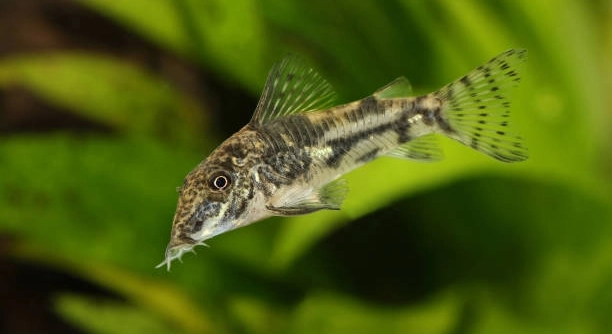
Corydoras catfish are a popular choice for community tanks, known for their peaceful nature and bottom-dwelling habits. They can coexist with various other species, but the success of such a setup depends on choosing compatible tank mates.
Corydoras catfish generally thrive in community tanks, provided the other species are peaceful and not overly aggressive. They do well with other non-predatory fish and are best kept with slow-moving, peaceful tank mates.
Choosing the right companions can make a significant difference in creating a harmonious tank environment. Understanding the best tank mates will ensure your corydoras feel safe and comfortable in the community setup.
Best Tank Mates for Corydoras Catfish
When selecting tank mates for Corydoras catfish, it is important to focus on peaceful species that won’t pose a threat. These fish are bottom dwellers and prefer calm environments with minimal competition for food. Smaller fish that swim in the mid-to-upper levels of the tank are ideal, as they won’t disturb the corydoras. Good companions include tetras, guppies, and rasboras, which share similar water conditions and temperaments. Avoid aggressive or large fish that may nip at the corydoras’ delicate fins or bully them for space. Also, consider the activity levels of other fish. Corydoras do well with species that are not overly energetic, as this may stress them out.
Corydoras are peaceful by nature and often form shoals in their tanks. They are best kept with species that have similar temperaments and requirements, making sure not to overcrowd the tank.
A stable tank environment is essential for Corydoras, so ensuring compatibility with other species can lead to a thriving community. Tank mates like the peaceful neon tetras or calm zebra danios are perfect, as they share similar swimming zones. The main consideration is creating a balanced environment where all species can coexist peacefully. To avoid unnecessary stress, you should also make sure the water parameters such as temperature and pH are suitable for the chosen tank mates. Mixing too many different species can result in competition, so aim for a manageable number of compatible fish to maintain harmony in the tank.
Fish to Avoid with Corydoras
Certain fish are not suitable companions for Corydoras catfish. Larger or more aggressive species can cause stress or even harm to these peaceful fish. For instance, cichlids and larger barb species should be avoided as they tend to be territorial or predatory.
Aggressive species can disrupt the calm nature of a community tank. Fish such as larger tetras or fast-swimming species might push the corydoras aside during feeding or disturb them with erratic movements. Even seemingly harmless fish, like goldfish, can be problematic due to their larger size and the fact that they may outcompete the corydoras for food. Another factor to consider is water temperature and compatibility with tank conditions. Fish requiring different water conditions could lead to health issues for Corydoras. When choosing tank mates, it is important to ensure that all species have similar care needs to prevent any unnecessary stress on your corydoras.
Tank Setup for Corydoras
Corydoras catfish thrive in well-planted tanks with soft substrates like fine sand. They prefer a tank with plenty of hiding spaces, which can be provided by rocks, plants, and decorations. Maintaining good water quality is essential for their well-being.
The tank should be kept clean and well-filtered to avoid the build-up of debris. Corydoras are sensitive to poor water conditions, so water changes should be regular. Since these fish are bottom dwellers, avoid using sharp substrate material, as it could damage their delicate barbels. A gentle filter is recommended to avoid strong currents that may stress them. Adding plants like Java ferns or anubias can also provide both hiding spaces and oxygenation for the tank.
A well-maintained, peaceful environment is key to the health of Corydoras. These fish are social and enjoy swimming in groups. Providing a calm, safe space helps them feel secure and reduces stress. Tanks with soft, fine sand also mimic their natural habitat, ensuring they are comfortable and can forage for food without issues.
Feeding Corydoras in a Community Tank
Corydoras are omnivores, enjoying a diet of both plant-based and protein-rich foods. In a community tank, they will scavenger the substrate for leftover food, but it’s still important to provide a balanced diet.
These fish typically enjoy sinking pellets, frozen or live foods like brine shrimp, and occasional vegetable matter such as blanched zucchini or peas. Make sure they are getting enough food, as some more dominant species in the tank may outcompete them. It is best to feed Corydoras in the evening or when the other fish are less active, so they can forage peacefully. A varied diet helps ensure they get all the necessary nutrients, contributing to their overall health.
Corydoras will naturally forage for food on the bottom of the tank but will still benefit from targeted feedings. This ensures that they get their fair share of nutrients. Also, keep in mind that overfeeding can lead to water quality issues, so monitor how much food is consumed by all tank inhabitants. Regularly check that all fish, including the Corydoras, are getting their fair portion of food, as competition can affect their feeding habits.
Water Conditions for Corydoras
Corydoras catfish prefer slightly acidic to neutral water, with a pH level between 6.5 and 7.5. Temperature should range from 72°F to 78°F (22°C to 26°C) to maintain optimal health. Proper water quality is crucial for their long-term well-being.
Regular water changes are essential to remove toxins and maintain balance in the tank. Corydoras are sensitive to poor water conditions, so it’s important to monitor ammonia, nitrite, and nitrate levels closely. A good filtration system can help maintain a stable environment. Test the water frequently to ensure it stays within the ideal range.
Consistent water conditions are vital to keep Corydoras happy. If the water quality fluctuates too much, it could lead to stress and disease. Be mindful of any chemical treatments that may harm them, as they are more sensitive than other species. Maintaining stable water parameters will help your Corydoras thrive in a community tank.
Tank Size for Corydoras
Corydoras do best in tanks with a minimum of 20 gallons, providing enough space for them to swim and forage. A larger tank ensures a more stable environment and better conditions for all tank mates.
A 20-gallon tank allows the corydoras to form a small shoal and establish their own space. The larger the tank, the easier it is to maintain stable water conditions, which is essential for these delicate fish. With proper filtration and regular maintenance, a tank of this size can support a variety of compatible species.
Common Health Issues in Corydoras
Corydoras catfish can be prone to a few common health issues. These include skin infections, fin rot, and parasites like ich. Maintaining good water quality and a balanced diet can help prevent these problems.
If a Corydoras shows signs of illness, such as faded colors or abnormal swimming patterns, it’s important to address the issue quickly. Quarantining sick fish and adjusting tank conditions can help prevent the spread of disease. Regular water changes, proper filtration, and monitoring the health of all tank mates will reduce the risk of health issues in your Corydoras.
FAQ
Can Corydoras live with goldfish?
Corydoras are not ideal tank mates for goldfish. Goldfish are larger, faster, and may outcompete Corydoras for food, causing stress. Additionally, goldfish prefer cooler water temperatures, while Corydoras thrive in warmer water. The differences in their care needs make it difficult for them to coexist peacefully in the same tank.
What is the best substrate for Corydoras?
Corydoras prefer soft, fine-gravel or sand substrates. Sharp or rough substrates can injure their delicate barbels, which they use to forage for food. Sand mimics their natural habitat and is gentle on their sensitive barbels. Make sure the sand is fine enough to prevent damage to the fish.
How many Corydoras should be kept together?
Corydoras are social fish and thrive in groups. It’s best to keep at least five or more in a tank to help them feel secure. Smaller groups may cause stress, as Corydoras like to interact with their own species. A group will also encourage natural behaviors and improve their overall health.
What do Corydoras eat in the wild?
In the wild, Corydoras are omnivores and scavenge for food on the bottom of rivers and streams. They feed on small invertebrates, detritus, algae, and plant matter. In captivity, their diet should include sinking pellets, frozen or live foods like brine shrimp, and occasional vegetables like peas or zucchini.
Can Corydoras eat live food?
Yes, Corydoras can eat live foods such as brine shrimp, daphnia, and bloodworms. Live food provides important nutrients and stimulation for their hunting instincts. However, it’s essential to ensure the live food is properly sourced to avoid introducing parasites or disease into the tank. Moderation is key to avoid overfeeding.
How long do Corydoras live?
Corydoras catfish typically live between 5 and 10 years, depending on their care and environment. With proper water conditions, a balanced diet, and good tank maintenance, they can live to their full lifespan. Regular health checks and maintaining water quality are important to ensure their longevity.
Do Corydoras need a filter?
Yes, Corydoras require a filter to maintain water quality. A good filtration system removes excess waste, uneaten food, and toxins that can build up. However, the filter should have a gentle flow, as strong currents may stress the Corydoras. A sponge filter is often recommended for tanks housing these fish.
What is the ideal temperature for Corydoras?
The ideal temperature range for Corydoras is between 72°F and 78°F (22°C to 26°C). Keeping the water within this range helps them stay healthy and active. Temperature fluctuations can cause stress and make them more susceptible to diseases. Using a reliable heater and thermometer will help maintain consistent conditions.
Can Corydoras live with shrimp?
Yes, Corydoras can live with shrimp, such as cherry or ghost shrimp, as long as the shrimp are not too small and can avoid being eaten. Corydoras are not aggressive toward shrimp but may occasionally nibble on them if they’re too small. It’s important to ensure the shrimp have places to hide and feel safe.
How do I know if my Corydoras are stressed?
Signs of stress in Corydoras include abnormal swimming behavior, such as erratic movements or staying at the surface, fading colors, or hiding constantly. Stress can be caused by poor water quality, aggressive tank mates, or improper tank conditions. Addressing the source of stress is crucial to prevent health problems.
Can Corydoras breed in a community tank?
Breeding Corydoras in a community tank is possible, though it may be more difficult due to the presence of other fish. To encourage breeding, provide a tank with stable water conditions and a suitable substrate. Corydoras typically breed when water temperature and conditions are optimal, but they may need privacy to successfully spawn.
Why are my Corydoras not eating?
If your Corydoras are not eating, it could be due to stress, water quality issues, or illness. Ensure that the water parameters are correct and the tank environment is peaceful. Corydoras may also stop eating if there’s a dominance issue with other fish in the tank. Checking for health problems is essential if the behavior continues.
Are Corydoras good for beginners?
Corydoras are generally considered beginner-friendly due to their peaceful nature and easy care requirements. They adapt well to a variety of water conditions and can coexist with many other species. However, it’s important to monitor water quality regularly and ensure they have compatible tank mates. A well-maintained tank will help them thrive.
Do Corydoras need a lid on their tank?
While Corydoras are not known for jumping, it’s always a good idea to have a lid on the tank, especially if you have more active or jump-prone species in the community. Having a lid will help maintain humidity and prevent accidental escapes. It’s also helpful in maintaining water temperature and preventing contamination.
Can Corydoras live in low-light tanks?
Yes, Corydoras can live in low-light tanks. They are bottom-dwelling fish and don’t rely on high light levels for their activities. However, it’s important to ensure there is adequate lighting for plant growth and tank maintenance. Low light is also beneficial for creating a peaceful environment for these fish.
Why are my Corydoras scratching against objects?
If your Corydoras are scratching against objects, it could be a sign of skin irritation, parasites, or an external infection. Scratching is often associated with problems like ich or velvet. It’s important to quarantine the affected fish and treat them as soon as possible. Monitoring water quality and checking for possible disease outbreaks is essential.
What is the best filter for a Corydoras tank?
The best filter for a Corydoras tank is one that provides gentle water flow. Sponge filters are commonly used in tanks with Corydoras, as they provide filtration without creating strong currents. External or hang-on-back filters can also work, as long as they are not too powerful. Always ensure the filter meets the tank’s size and stocking needs.
How often should I change the water for my Corydoras tank?
Water changes should be done regularly to keep the tank environment stable. For a Corydoras tank, aim to change 25-30% of the water every week. This helps remove waste, excess nutrients, and toxins. Monitor water parameters like ammonia, nitrites, and nitrates to determine if more frequent changes are necessary.
Final Thoughts
Corydoras catfish can be a great addition to a community tank. These peaceful and hardy fish are easy to care for, making them suitable for both beginner and experienced fishkeepers. Their gentle nature allows them to live well with many other species, provided the right tank conditions are maintained. When keeping Corydoras, it’s essential to focus on water quality, proper tank mates, and a suitable diet. With a little attention to detail, these fish can live a long, healthy life in a well-kept tank.
While Corydoras are easy to care for, it is important to remember their specific needs. They thrive in groups, so it’s best to keep them in schools of at least five or more. They also prefer a soft, fine substrate like sand, which is gentle on their barbels. Maintaining a consistent water temperature between 72°F and 78°F is important, as well as keeping the water clean with regular filter maintenance and water changes. If you provide these conditions, your Corydoras will be happy and healthy.
In conclusion, Corydoras catfish make wonderful companions in a community tank, provided their basic needs are met. They are low-maintenance, peaceful, and adapt well to various tank environments. By choosing compatible tank mates, ensuring good water quality, and feeding them a balanced diet, you can enjoy these beautiful fish for many years. Regular care and monitoring will help avoid common problems, ensuring your Corydoras and the rest of your tank’s inhabitants thrive together.

Hello,
If you enjoy the content that we create, please consider saying a "Thank You!" by leaving a tip.
Every little bit helps us continue crafting quality advice that supports the health, happiness, and well-being of pets around the world, for pets of all shapes, sizes, and species.
We really appreciate the kindness and support that you show us!