
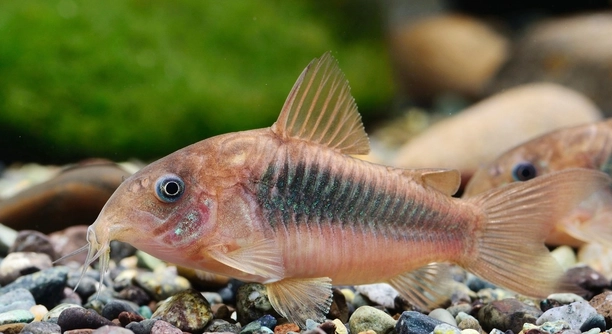
Corydoras catfish are a popular choice for freshwater aquariums, known for their peaceful nature. However, if your catfish starts flashing, it could be a sign of an underlying issue affecting their health.
Flashing in Corydoras catfish typically occurs due to irritation or discomfort, often caused by external parasites, poor water quality, or stress. It’s important to monitor the water conditions and overall environment to prevent further issues.
By understanding the potential causes of flashing, you can quickly address any problems your catfish might be facing and ensure their well-being.
Poor Water Quality
When the water quality in your tank is poor, it can stress your Corydoras catfish. Water that’s too acidic, too alkaline, or has high levels of ammonia can irritate your fish, leading to flashing. These fish are sensitive to changes in their environment. If the tank is not cleaned regularly, waste and debris can build up, further impacting water quality. Fluctuations in temperature or salinity can also cause discomfort, making the catfish rub against surfaces in an attempt to relieve the irritation.
Maintaining good water quality is essential for the health of your catfish. A regular water change schedule, along with the use of a good filtration system, can help keep harmful substances in check. Testing the water parameters regularly and adjusting as necessary will prevent many common issues.
A simple water test kit can help you keep track of ammonia, nitrites, nitrates, and pH levels. Keeping these in check will ensure your Corydoras remain healthy and happy, reducing the chances of them flashing in distress.
External Parasites
External parasites, such as ich, are another common reason for flashing behavior in Corydoras catfish. These tiny organisms attach to the fish’s skin and gills, causing discomfort. As the parasites irritate the fish, they may swim erratically and rub themselves against tank decorations or substrate to relieve the itching sensation.
If your catfish has external parasites, you may notice visible signs like white spots on their skin or fins. Infected fish may become lethargic and may even lose their appetite. Treatment typically involves using a medication designed to treat parasitic infections. These medications can be found at most pet stores or online, but be sure to follow the instructions carefully to avoid further harm to your fish.
The key to preventing external parasites is ensuring the fish and tank are kept in a clean, healthy environment. By isolating new fish and properly quarantining them, you can help avoid introducing parasites into your tank.
Stress from Tankmates
Aggression from other fish in the tank can cause stress to your Corydoras catfish. If they are constantly chased or bullied, they might start flashing. This behavior often occurs when more aggressive species are kept with peaceful fish, causing discomfort and panic.
To reduce stress, try separating aggressive fish or adding more hiding spots for your Corydoras. Plants, rocks, and decorations offer them a place to escape from constant attention. A tank with peaceful companions and plenty of space will help keep your catfish calm. If aggression persists, it may be necessary to rearrange the tank or remove certain fish.
Adding more Corydoras to the tank can also help, as they are social creatures. The presence of other Corydoras can reduce stress, as these fish feel more comfortable when surrounded by their own kind. A peaceful environment goes a long way in keeping your fish healthy.
Water Temperature Fluctuations
Temperature changes in the water can be another trigger for flashing in Corydoras catfish. These fish thrive in stable conditions and can become stressed when the water temperature fluctuates too much.
If the temperature drops or rises suddenly, the catfish may exhibit flashing behavior. It can also weaken their immune system, leaving them vulnerable to diseases. A reliable aquarium heater and thermometer can help maintain a consistent temperature.
Make sure to monitor the temperature closely, especially during seasonal changes. Corydoras catfish prefer water in the range of 72-78°F (22-26°C). If the tank temperature consistently drifts outside this range, it may cause distress and encourage flashing. Adjusting the heater settings can help stabilize the environment for your fish.
Overcrowding
When there are too many fish in a tank, the water quality suffers, and fish can become stressed. Corydoras catfish are particularly sensitive to overcrowding, which can lead to flashing behavior as they try to escape the discomfort.
To prevent overcrowding, be mindful of your tank’s capacity. Aim for one inch of fish per gallon to avoid overcrowding. Regular water changes and proper filtration will help maintain the tank’s health, but keeping a balanced fish-to-water ratio is key.
Improper Diet
An improper diet can cause digestive issues, leading to discomfort. If Corydoras don’t get the right food, they might flash in response to internal stress.
Make sure your Corydoras are fed a balanced diet of high-quality sinking pellets, along with occasional treats like bloodworms. Avoid overfeeding, as uneaten food can pollute the water and worsen tank conditions.
High Nitrate Levels
High nitrate levels can cause irritation to your catfish, triggering flashing behavior. Nitrates build up from decaying food, fish waste, and poor water circulation.
Regular water changes are crucial for keeping nitrate levels in check. Test your water frequently and aim for nitrate levels below 20 ppm. Consider adding live plants to help absorb excess nitrates and improve the overall water quality.
FAQ
Why is my Corydoras catfish flashing?
Flashing is often a sign of irritation or stress. Common causes include poor water quality, external parasites, stress from tankmates, or temperature fluctuations. Corydoras catfish are sensitive creatures, so even minor changes in their environment can lead to flashing.
How can I tell if my Corydoras has external parasites?
External parasites like ich can be identified by white spots appearing on your fish’s skin and fins. If your Corydoras is rubbing its body against objects or swimming erratically, parasites may be the cause.
What is the ideal water temperature for Corydoras catfish?
Corydoras catfish thrive in a temperature range of 72-78°F (22-26°C). Sudden changes in temperature can stress them, leading to flashing. Ensure that your tank maintains a steady temperature, using a reliable aquarium heater.
Can Corydoras catfish be kept with other species?
Yes, but they do best in peaceful tank setups. Avoid keeping them with aggressive fish, as this can lead to stress and flashing. Consider tankmates like other peaceful catfish, small tetras, or shrimp.
Is overfeeding my Corydoras a problem?
Overfeeding can lead to poor water quality, which in turn can cause stress and health issues for your Corydoras. Uneaten food can decay, polluting the tank and creating an environment where parasites and bacteria can thrive. Feed your fish small amounts that they can consume within a few minutes.
How often should I change the water in my Corydoras tank?
Performing a 25-30% water change every week is a good rule of thumb for keeping the water quality high. This helps prevent the buildup of ammonia, nitrates, and other harmful substances that could cause your Corydoras to flash.
Do Corydoras catfish need a filter?
Yes, Corydoras catfish need a filter to maintain water quality. A good filter helps remove debris, waste, and harmful chemicals, ensuring your fish live in a healthy environment. Make sure to choose a filter with an appropriate flow rate for your tank size.
How can I reduce stress in my Corydoras catfish?
To reduce stress, provide plenty of hiding spots like plants, rocks, and caves where your Corydoras can retreat if needed. Avoid keeping them with aggressive fish, and maintain stable water conditions. Keep the tank clean and avoid overcrowding.
What are some signs of poor water quality?
Signs of poor water quality include cloudy water, strong odors, or the appearance of algae. Fish may also behave erratically, with Corydoras flashing or rubbing against objects. Regular water testing can help you monitor ammonia, nitrite, and nitrate levels.
Can flashing be caused by too many tankmates?
Yes, overcrowding can lead to stress, which may cause flashing. If there isn’t enough space or hiding spots, fish may feel threatened and begin rubbing themselves on tank surfaces. Ensure that you do not exceed the recommended stocking level for your tank size.
Should I treat flashing with medication?
Before using medication, it’s important to identify the root cause of the flashing. If it’s due to parasites, medication may be necessary. However, if the cause is poor water quality or stress, fixing the environment will likely resolve the issue without the need for medication.
How can I tell if my Corydoras are stressed?
Stressed Corydoras may flash, hide more than usual, or swim erratically. They may also refuse food or exhibit unusual behavior, such as rubbing against the substrate. Monitoring the water parameters and tank conditions can help identify stressors.
Are Corydoras sensitive to water pH?
Yes, Corydoras catfish are sensitive to changes in water pH. They prefer slightly acidic to neutral water with a pH range of 6.5-7.5. Test the water regularly and adjust the pH if needed to avoid stress and health issues.
Can flashing be a sign of injury?
Yes, flashing can sometimes be a sign of injury. If your fish has been nipped or scratched by tankmates or sharp objects in the tank, they might flash to relieve discomfort. Inspect your fish for any visible wounds or signs of injury.
What should I do if my Corydoras continues flashing?
If flashing persists, examine the water quality, check for parasites, and ensure there are no aggressive tankmates. If the behavior continues after addressing these factors, consider consulting a veterinarian with experience in fish health for further advice.
Final Thoughts
Corydoras catfish flashing is a behavior that should not be ignored, as it often signals stress or discomfort. There are various factors that can lead to flashing, including poor water quality, temperature fluctuations, overcrowding, and even aggressive tankmates. Understanding the cause of this behavior is key to resolving it and ensuring your fish remain healthy. By paying attention to the conditions in the tank and making necessary adjustments, you can create a stable environment where your Corydoras feel safe and comfortable.
One of the most important steps in addressing flashing behavior is improving the water quality. Regular water changes, proper filtration, and monitoring water parameters such as ammonia, nitrites, and nitrates can make a significant difference. Maintaining a consistent water temperature and avoiding sudden fluctuations is also essential. Corydoras are sensitive to these changes, so providing a stable environment is crucial to their well-being. Additionally, testing the water regularly will help you identify any potential issues before they become major problems.
Along with water quality, the tank’s environment plays a major role in the health of your Corydoras catfish. Avoid overcrowding, as this leads to stress and can trigger flashing. Providing enough hiding spots, plants, and decorations will help your fish feel secure. Keeping them with peaceful tankmates is also essential, as aggressive fish can cause stress that leads to flashing. By making these adjustments and regularly monitoring your fish’s behavior, you can keep your Corydoras catfish healthy and free from unnecessary stress.

Hello,
If you enjoy the content that we create, please consider saying a "Thank You!" by leaving a tip.
Every little bit helps us continue crafting quality advice that supports the health, happiness, and well-being of pets around the world, for pets of all shapes, sizes, and species.
We really appreciate the kindness and support that you show us!