
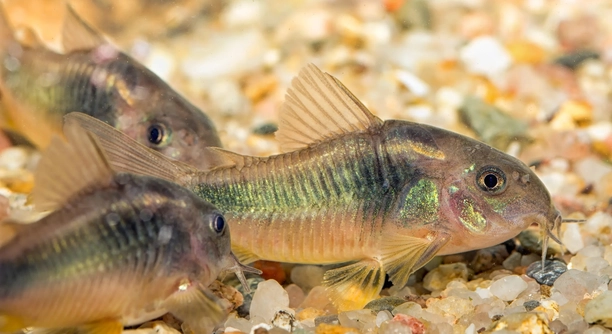
Corydoras catfish are known for their playful and energetic nature. If you’ve noticed your fish acting sluggish, it may be due to a variety of factors. Understanding why they’re lethargic can help improve their well-being.
Several factors may contribute to lethargy in Corydoras catfish, including poor water quality, temperature fluctuations, stress, and inadequate diet. These issues can disrupt their normal behavior, leading to signs of fatigue and inactivity. Identifying the cause is crucial.
There are several reasons behind lethargy, and recognizing the signs early can help restore your fish to health. Let’s take a closer look at what might be affecting your Corydoras catfish.
Poor Water Quality
The most common cause of lethargy in Corydoras catfish is poor water quality. These fish are sensitive to changes in their environment, especially high levels of ammonia, nitrites, or nitrates. If the water isn’t kept clean, it can cause stress and reduce the fish’s energy. Regular water changes and a good filtration system are essential for maintaining a healthy tank.
Water testing kits are readily available, so you can monitor ammonia, nitrite, and nitrate levels. If any of these elements are too high, you should immediately perform water changes and test again. Make sure to clean the filter regularly and keep the water temperature stable.
If water quality is the issue, resolving it quickly can help your Corydoras catfish bounce back. Consider adding plants and providing enough filtration for a balanced, healthy environment. Taking steps to prevent poor water conditions can keep your fish active and vibrant.
Temperature Fluctuations
Temperature fluctuations can stress Corydoras catfish, especially if the tank is not consistently warm. The ideal range for these fish is between 72°F to 78°F. When the temperature is too low or too high, they can become sluggish and inactive.
A reliable heater can help maintain a stable environment. Make sure your tank is equipped with a thermometer to monitor the water temperature regularly. Keeping a consistent temperature will help your fish stay healthy and active.
Stress
Stress can make Corydoras catfish lethargic. Common stressors include overcrowding, aggression from tank mates, and sudden changes in the environment. When fish feel threatened, they tend to hide and reduce their activity levels.
Overcrowding increases stress because it limits the fish’s ability to move freely. If your Corydoras are constantly being chased or competing for space, it can affect their health. Make sure the tank is large enough and that the other fish are peaceful.
A good rule of thumb is to provide one gallon of water per inch of fish. If necessary, consider rehoming any aggressive tank mates. Reducing stress will encourage your fish to be more active and lively.
Poor Diet
A poor diet can also lead to lethargy in Corydoras catfish. These fish need a well-rounded diet, including sinking pellets, frozen or live foods, and occasional vegetables. Without proper nutrition, they lack the energy to stay active.
A lack of variety can make your fish less interested in eating, which can result in poor health. Offering a balanced diet helps boost their immune system and energy levels. Aim to feed your Corydoras small portions multiple times a week to prevent overeating and maintain their health.
If your fish are not eating, try offering different types of food or adjusting feeding times. Poor feeding habits often contribute to lethargy, so ensuring proper nutrition is key to keeping them lively.
Inadequate Tank Size
Corydoras catfish need enough space to swim and explore. A small tank can restrict their movement, leading to stress and lethargy. These fish thrive in groups and need space to feel comfortable.
Make sure the tank is large enough to accommodate them. For a small group, a 20-gallon tank is ideal. Overcrowding can quickly lead to sluggish behavior as the fish don’t have room to move freely. Larger tanks also help maintain better water quality, which can further support their health.
Illness
Fish diseases can cause lethargy in Corydoras catfish. Common issues include parasitic infections, bacterial problems, and fungal growth. Symptoms include decreased activity, loss of appetite, and visible changes in their appearance.
If you suspect an illness, it’s important to isolate the affected fish to prevent spreading. Regular water changes and proper filtration are vital for disease prevention. Quarantining new fish before adding them to the tank is also a good practice to avoid introducing harmful pathogens. Ensuring a clean environment helps keep your fish healthy and active.
Water Chemistry
Corydoras catfish are sensitive to changes in water chemistry. Fluctuations in pH, hardness, and alkalinity can stress them, leading to lethargy. Maintaining stable water parameters is crucial for their health.
Test your water regularly and adjust as needed. The ideal pH for Corydoras is between 6.0 and 7.5, with soft to moderately hard water. If you notice any sudden changes in behavior, check the water conditions. Stable water chemistry creates an environment where your fish can thrive and remain active.
FAQ
Why is my Corydoras catfish sitting at the bottom of the tank?
Corydoras catfish naturally spend time near the bottom of the tank, but if they are staying there more than usual, it could be due to stress, poor water quality, or an illness. If your fish seems lethargic and unresponsive, it’s a sign that something might be wrong. Check your water parameters and make sure your fish aren’t stressed by aggressive tank mates or inadequate space. Sometimes, poor nutrition or an infected tank environment can also cause them to behave this way.
How can I help my Corydoras catfish become more active?
The best way to encourage activity in your Corydoras catfish is to maintain a clean and stable environment. Regular water changes, proper filtration, and appropriate tank size can help reduce stress and promote healthy behavior. Also, ensure they’re receiving a balanced diet with a mix of sinking pellets, live or frozen foods, and occasional vegetables. If the lethargy persists, it could be a sign of illness, and you should consider isolating the fish and treating it in a quarantine tank.
Can Corydoras catfish get depressed?
While it’s not common for fish to get “depressed” in the human sense, Corydoras can show signs of stress that might resemble depression, such as lethargy and disinterest in their surroundings. This can be caused by poor water quality, overcrowding, aggressive tank mates, or a lack of stimulation. Make sure your tank environment is suitable, with enough hiding places, good water conditions, and peaceful companions. If they are in a small or stressed environment, it may take some time for them to feel comfortable and active again.
What should I do if my Corydoras catfish isn’t eating?
If your Corydoras catfish stops eating, it may be a sign of illness, poor water quality, or stress. First, check the water parameters and make sure the conditions are ideal. If the water is clean and the temperature is stable, consider offering a variety of foods to entice them, such as different types of sinking pellets, frozen foods like brine shrimp, or even blanched vegetables. If they continue not eating, isolating the fish in a quarantine tank may be necessary for observation and treatment.
How can I tell if my Corydoras catfish is sick?
Sick Corydoras catfish often show signs like lethargy, loss of appetite, and changes in appearance. Look for abnormal swimming patterns, such as floating near the surface or staying in one spot. They may also have discolored or damaged fins, lesions, or swollen areas. If you notice any of these symptoms, it’s essential to isolate the fish and assess the water quality. Consulting with an aquarium specialist or veterinarian might be necessary for proper treatment.
Can Corydoras catfish live with other fish?
Yes, Corydoras catfish are generally peaceful and do well in community tanks. They thrive with other non-aggressive fish, such as tetras, gouramis, and peaceful barbs. However, avoid keeping them with larger or aggressive species that might stress them out or bully them. Corydoras are bottom dwellers, so ensure there’s enough space and hiding spots for all the tank’s inhabitants.
How often should I feed my Corydoras catfish?
Corydoras catfish should be fed small amounts of food once or twice a day. Overfeeding can lead to poor water quality and health issues. These fish are bottom feeders, so provide sinking pellets that they can forage for. Occasionally offer them frozen or live foods like brine shrimp or bloodworms to ensure a balanced diet. Feeding them a variety of foods will help maintain their energy and health.
What temperature is best for Corydoras catfish?
The ideal temperature for Corydoras catfish is between 72°F and 78°F. Maintaining a consistent temperature within this range is important for their overall health. Fluctuations outside this range can stress the fish and make them more susceptible to disease. Invest in a reliable aquarium heater and thermometer to ensure stable water conditions for your fish.
Do Corydoras catfish need a filter?
Yes, Corydoras catfish require a filtration system to keep the water clean and well-oxygenated. While these fish prefer slightly lower water flow, having a filter is crucial for maintaining water quality. A gentle filter will help remove waste and debris without creating strong currents, which can stress your Corydoras. Regular maintenance of the filter is essential to keep the water clean and free of harmful toxins.
Can Corydoras catfish live in saltwater?
No, Corydoras catfish are freshwater fish and cannot survive in saltwater. They are adapted to live in environments with low salinity, such as rivers and streams. Introducing them to saltwater can cause stress, dehydration, and eventually death. Always make sure your Corydoras are kept in a properly maintained freshwater aquarium with stable water conditions.
Final Thoughts
Corydoras catfish are peaceful and hardy fish that can thrive in a well-maintained aquarium. However, when they act lethargic, it’s important to consider several factors that might be affecting their behavior. The most common causes of lethargy include poor water quality, stress from overcrowding or aggressive tank mates, inadequate diet, and illness. By addressing these factors, you can help ensure your Corydoras remain active and healthy.
Maintaining good water quality is essential for the health of your Corydoras catfish. Regular water changes, proper filtration, and monitoring of key water parameters like pH, hardness, and temperature are crucial. If the water quality is poor, your fish may become stressed, which can lead to lethargy. Similarly, ensuring that your tank is large enough and free from aggressive tank mates will provide your Corydoras with a stress-free environment, allowing them to behave more naturally. Always check your tank’s conditions regularly and make adjustments as needed.
A balanced diet is another key factor in keeping your Corydoras healthy and active. These fish are bottom feeders and require a varied diet, including sinking pellets, frozen foods, and occasional vegetables. Offering them different types of food will encourage healthy eating habits and prevent malnutrition. If you notice that your fish are not eating, consider adjusting their diet or isolating them for further observation. By taking proactive measures to ensure their environment and diet are optimal, you can improve your Corydoras’ chances of staying active and thriving in your aquarium.

Hello,
If you enjoy the content that we create, please consider saying a "Thank You!" by leaving a tip.
Every little bit helps us continue crafting quality advice that supports the health, happiness, and well-being of pets around the world, for pets of all shapes, sizes, and species.
We really appreciate the kindness and support that you show us!