
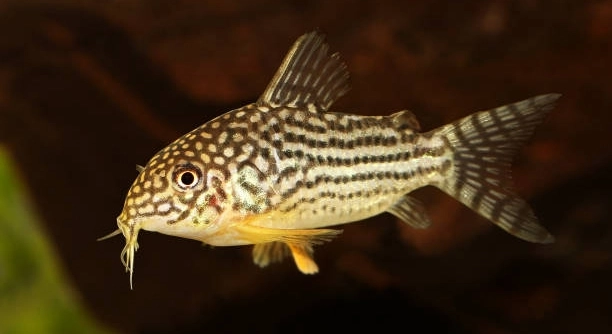
Is your Corydoras catfish acting skittish every time you approach the tank or try to interact with it at feeding time?
Corydoras catfish often exhibit fear due to environmental stress, lack of proper hiding spots, abrupt movements, or insufficient acclimation. These sensitive fish require consistent care, stable conditions, and gentle interactions to feel secure around their human caretakers.
Understanding the specific reasons behind their fear can help you create a more peaceful, safe, and stress-free space for your Corydoras.
1. Sudden Movements Can Startle Them
Corydoras catfish are naturally cautious and respond quickly to movement. If you’re approaching the tank too quickly or moving your hands around too much, they might interpret this as a threat. Their instinct is to dart away and hide, which can make them appear scared of you. Since they’re bottom dwellers, they often rely on their surroundings to feel protected, and any disturbance can break that sense of safety. To help, approach the tank slowly and avoid tapping on the glass or reaching in without warning. Even small movements can feel large and sudden from their perspective.
Keep your routine calm and quiet around their tank. It helps them feel safer.
Over time, consistent calm behavior allows them to associate your presence with food and comfort, not stress. They begin to recognize your pattern, which helps them adjust and feel less afraid. Stick to slow movements and avoid surprises.
2. Not Enough Hiding Spots
A bare tank can leave Corydoras exposed and uneasy. These fish need places to retreat, especially when they feel overwhelmed or threatened. Without caves, plants, or shaded corners, they may stay hidden or act skittish whenever you’re near. A lack of hiding spots keeps their stress levels high, which affects their overall behavior and health. Adding decorations like driftwood, live or silk plants, and rock tunnels gives them a sense of security. When fish feel they have an escape option, they actually become more visible and confident. This might seem backward, but it’s true—they hide less when they know they can hide if needed. The key is to provide plenty of shelter while leaving open areas for swimming. Spread the cover across the tank to avoid crowding one space. Once they know they have safe zones, you’ll notice your Corydoras acting more relaxed, curious, and social, even when you’re nearby.
3. They Haven’t Fully Acclimated Yet
New Corydoras often need time to adjust to their surroundings. If they were recently added to your tank, they may still be unsure about their environment and your presence.
Acclimating to a new home can take several days or even weeks for some Corydoras. During this time, it’s important to keep the lighting low, the water parameters stable, and the area around the tank quiet. Avoid frequent changes or loud noises that could startle them. Let them explore the tank at their own pace. They’ll become more confident once they know the tank is a safe space. Avoid hovering too close or tapping the glass. These actions may seem harmless but can delay their comfort level. Be patient, and you’ll see gradual changes as they settle in.
As your Corydoras become familiar with the tank layout and routine, they’ll likely show more interest in exploring and foraging. You might notice them swimming together in small groups or resting calmly along the bottom. These are signs they feel secure. Continued gentle behavior from you helps reinforce their trust. Feeding at consistent times also helps them associate your presence with something positive. With steady care, they’ll become more social and less likely to flee when you come close.
4. Tank Mates Are Too Aggressive
Aggressive or fast-swimming tank mates can make Corydoras feel unsafe. When chased or bullied, they may hide often or avoid areas of the tank where those fish are active.
Corydoras do best with peaceful tank mates that won’t compete for space or food too aggressively. Fish like barbs, large tetras, or cichlids can intimidate them, especially during feeding times. This tension can make your Corydoras associate stress with your presence—especially if they expect to be chased once food is added. Make sure you’re choosing compatible species that match their calm nature. Watch their interactions closely and separate any problematic fish if needed. A relaxed tank environment goes a long way toward helping your Corydoras feel comfortable and less fearful over time.
Try offering food in different areas of the tank or feeding the aggressive fish first so your Corydoras can eat peacefully. Adding more plants or barriers can help reduce direct interactions with more active species. If necessary, rearrange the tank slightly to disrupt territorial behavior. Pay attention to how your Corydoras act throughout the day—do they stay hidden even when it’s quiet? If so, the tank dynamics may be off. Creating a balanced community will give your Corydoras the confidence to be more active and social.
5. The Lighting Is Too Bright
Bright lighting can make Corydoras feel exposed and uncomfortable. These bottom dwellers prefer dim or shaded environments, and harsh lighting can cause them to retreat or stay hidden for long periods of time.
Use floating plants or low-intensity bulbs to create a softer look. Shaded areas help reduce stress.
6. You’re Feeding Them at the Wrong Time
Corydoras are more active in the early morning or evening. If you’re feeding them at a time when they feel stressed or exposed, they may avoid eating altogether. Try offering food when the lights are low or off. Observe their response and adjust your schedule based on when they seem most relaxed. Offering food in smaller portions more frequently can help reduce pressure at mealtime. If they associate your presence with calm, quiet feeding times, they’ll become more comfortable. Consistency and timing play a big role in helping them feel secure during feeding routines.
7. Your Tank Setup Isn’t Right for Them
Sharp gravel, fast water flow, or an open tank layout can all make Corydoras uncomfortable. Soft sand, gentle filtration, and plenty of shelter help mimic their natural environment. Small changes can make a big difference.
FAQ
Why is my Corydoras always hiding?
Corydoras are naturally shy, especially in unfamiliar or stressful environments. If they’re hiding all the time, it could mean they don’t feel safe. Bright lights, aggressive tank mates, or a lack of shelter can make them retreat more often. Try dimming the lights, adding live plants or decorations, and making sure the other fish in your tank aren’t bothering them. Some Corydoras also hide when they’re adjusting to a new tank. Give them time and space to settle. When the environment feels secure, they’ll come out more often to explore and forage.
How can I help my Corydoras feel more comfortable around me?
Avoid sudden movements near the tank and keep noise to a minimum. Feed them gently and consistently at the same time each day. Over time, they’ll start associating your presence with food and comfort instead of fear. Make sure their habitat includes soft substrate and plenty of hiding places. If your Corydoras don’t feel exposed, they’ll be more willing to interact when you’re nearby. Patience is important. Some fish may take weeks to feel safe enough to be active around people.
Do Corydoras recognize their owners?
Corydoras aren’t as interactive as dogs or cats, but they can recognize patterns. Over time, they learn to associate your presence with feeding or calm behavior. If you’re consistent, gentle, and create a peaceful environment, they’ll become more relaxed when you’re near the tank. Some may even swim closer when you approach, especially during feeding time. While they likely don’t recognize you as an individual the way mammals might, they can recognize a routine and feel safer with it.
Why do my Corydoras dart to the surface suddenly?
Corydoras have a special ability to gulp air from the surface due to their labyrinth organ. It’s normal for them to dart up occasionally. However, frequent trips to the surface could mean the oxygen level in your tank is too low. Check your filtration and make sure there’s enough surface agitation. Also, monitor the water temperature—warmer water holds less oxygen. A few surface gulps each day is fine, but if it becomes excessive, it may be a sign of poor water quality or stress.
How many Corydoras should I keep together?
Corydoras are social fish and do best in groups of at least six. In smaller groups, they tend to be more nervous and stay hidden. When kept in a larger group, they interact more, forage together, and display natural behaviors. A proper group helps them feel safer and more confident. If you’re only keeping two or three, consider adding more of the same species to make them feel more secure. The larger the group (within reason), the happier and more active they tend to be.
Can tank decor affect their behavior?
Yes, it can. A bare tank or one with sharp decorations can make them nervous or even injure them. Corydoras prefer a soft sand substrate, smooth surfaces, and shaded hiding spots. Use live plants, driftwood, or caves to create areas where they can retreat when needed. A well-structured tank layout provides safety and reduces stress. When they feel safe, you’ll see more relaxed, natural behavior. They’ll come out during the day, sift through the sand, and interact more with their group.
Is it okay if my Corydoras are active mostly at night?
Yes, that’s normal. Corydoras tend to be more active in the evening or when the lights are low. If your lighting is too bright during the day, they may stay hidden until it feels safe to come out. You can adjust the lighting schedule or add floating plants to create dimmer areas in the tank. Once they feel more comfortable and the lighting suits them, they may become active earlier in the day. Each fish has its own rhythm, and some stay more nocturnal regardless of tank setup.
What signs show that my Corydoras are stressed?
Stress in Corydoras can show up as hiding more than usual, erratic swimming, a loss of appetite, or rapid breathing. You might also notice them rubbing against objects or darting quickly when you walk by. Check your water parameters first—poor water quality is one of the biggest causes of stress. Make sure the temperature, pH, and ammonia levels are stable. Also, observe their tank mates for signs of aggression. Even peaceful fish can become territorial. Creating a calm, predictable environment helps reduce stress and keeps your Corydoras healthy.
Final Thoughts
Corydoras catfish are gentle, peaceful fish that thrive when they feel secure in their environment. If your Corydoras seems afraid of you, it’s often not about you personally but about how they’re experiencing their surroundings. Loud noises, quick movements, bright lights, or aggressive tank mates can all add to their stress. They’re small, bottom-dwelling fish that prefer calm, stable settings. Providing a soft substrate, plenty of hiding spots, and keeping them in a group of at least six helps them feel safe. These simple adjustments can make a big difference in their daily behavior.
Watching how your Corydoras responds to its environment can help you figure out what needs to be improved. If they hide often, swim frantically, or dart away when you approach, it’s a sign they’re not fully comfortable yet. But with some patience and consistency, they can become more confident and even learn to associate your presence with positive things, like feeding time. Adding plants, adjusting lighting, and avoiding sudden tank maintenance during active hours can all help reduce their fear. Over time, they will start coming out more, swimming in groups, and showing their curious nature.
Caring for Corydoras is mostly about creating a calm and balanced tank. They don’t need fancy setups or expensive equipment. What matters most is water quality, social comfort, and a safe layout. If your Corydoras are acting scared, it’s not a failure—it’s just feedback. Use it as a chance to tweak your setup and learn more about their natural behaviors. The more you observe and understand what helps them feel relaxed, the more rewarding your experience will be. A calm Corydoras group is active, playful, and easy to watch. Once they trust their surroundings, they can become one of the most enjoyable fish to keep.

Hello,
If you enjoy the content that we create, please consider saying a "Thank You!" by leaving a tip.
Every little bit helps us continue crafting quality advice that supports the health, happiness, and well-being of pets around the world, for pets of all shapes, sizes, and species.
We really appreciate the kindness and support that you show us!