
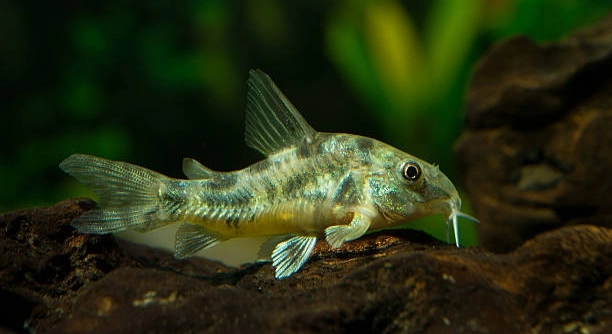
Corydoras catfish are known for their peaceful and playful nature. However, if you notice your catfish sticking to the glass, it could indicate an underlying issue. Understanding the reasons behind this behavior can help improve their well-being.
There are several potential causes for your Corydoras catfish sticking to the glass, including poor water quality, stress, or even hunger. These factors can cause discomfort, leading the fish to seek out different surfaces in the tank.
Addressing the root cause will not only help your Corydoras feel more at ease but also maintain a healthier environment for them.
Poor Water Quality
If the water in your tank is not up to standard, your Corydoras catfish will likely seek out more stable areas, such as the glass. Poor water quality can lead to a lack of oxygen, high levels of toxins, or even fluctuating temperatures. These factors contribute to your fish feeling stressed and uncomfortable. To prevent this, regularly check the water parameters, including pH, ammonia, nitrite, and nitrate levels. Regular water changes are essential to maintaining a clean and healthy tank environment.
Ensuring that your aquarium’s water is at optimal levels is crucial for your catfish’s health and behavior. Keep a consistent water change routine to avoid water degradation.
If you are unsure of the water quality, invest in a reliable water testing kit. Regular testing can help you spot problems early on. Cleaning your tank and maintaining equipment such as filters will further ensure the water remains healthy for your Corydoras catfish.
Stress from Tank Mates
Stress can also come from the other fish in the tank. Aggressive or overly active tank mates might cause your Corydoras to seek shelter on the glass, where they feel more secure.
In some cases, territorial fish may chase or nip at your Corydoras, which leads to the catfish retreating to the tank glass. This behavior may be a sign that your fish are not comfortable with their current environment. Consider rearranging your tank or separating aggressive species from the more peaceful Corydoras.
Adjusting the tank layout and ensuring that there are enough hiding spots for your catfish can help reduce stress. Using plants or decorations to create areas of refuge can also calm your fish.
Hunger
If your Corydoras catfish is sticking to the glass, it could be a sign that they are hungry. Corydoras are bottom-dwelling fish that primarily search for food on the tank floor. If food is scarce or hard to find, they may look for alternative feeding spots, such as the glass.
To address this, ensure your fish are getting enough food. Use sinking pellets or tablets that are suitable for Corydoras to ensure they can access the food. It’s also a good idea to feed them small amounts throughout the day to keep them satisfied.
Overfeeding can also lead to waste buildup, which affects water quality. Balance their food intake to avoid water issues while ensuring they are getting adequate nutrition. If the problem persists, you may want to check your tank’s cleaning routine to keep the environment optimal for your Corydoras.
Water Temperature
Corydoras catfish thrive in specific water temperatures, typically between 72°F and 78°F. If the temperature falls outside this range, they might seek areas where they can feel more comfortable, like the glass. Cold water can slow their metabolism, making them appear less active and more likely to stick to surfaces.
Check your tank’s heater to ensure it’s working correctly. You can also use a thermometer to monitor the water temperature, as fluctuations can cause stress. Inconsistent temperatures can cause your Corydoras to act erratically, and sticking to the glass might be a coping mechanism.
Maintaining a stable temperature is essential for their overall health. Use a reliable aquarium heater and avoid placing the tank in areas with drafts or extreme temperatures. Keeping the water within the recommended range will allow your Corydoras to stay active and reduce the likelihood of them clinging to the glass.
Illness or Injury
If your Corydoras catfish is sticking to the glass, it could be a sign of illness or injury. Fish may resort to unusual behavior, such as staying near the glass, when they are feeling unwell.
Look for signs of illness such as abnormal swimming, lesions, or changes in their fins. If you notice any of these symptoms, isolate the sick fish to prevent potential spread and consult a vet with experience in fish care.
Injuries can also cause discomfort, leading the fish to find areas that may offer more support or security. Assess the tank environment for sharp objects or rough edges that could cause harm to your Corydoras.
Tank Size
A tank that’s too small can make your Corydoras feel cramped, leading to stress. If the fish cannot move freely, they may stick to the glass in search of more space.
Ensure your tank is spacious enough for your fish to explore. Corydoras are active swimmers and need room to roam. Providing a tank with ample space will reduce their stress and promote natural behavior.
A larger tank also allows for better water circulation and filtration, which benefits the overall health of the fish. If your Corydoras are struggling with space, upgrading to a bigger tank may solve the issue and improve their well-being.
Lack of Proper Substrate
Corydoras are bottom feeders and rely on the substrate to search for food. Without the proper substrate, such as sand or fine gravel, they may feel uncomfortable and stick to the glass.
Make sure your tank has a soft, fine substrate that allows the Corydoras to root around safely. Rough gravel or rocks can damage their sensitive barbels, causing stress and abnormal behavior.
Choosing the right substrate for your Corydoras not only improves their comfort but also supports their natural feeding habits. This small adjustment can make a significant difference in their behavior and overall health.
FAQ
Why is my Corydoras catfish sticking to the glass?
Corydoras catfish might stick to the glass for several reasons, such as poor water quality, stress, hunger, or temperature fluctuations. If the water quality is low, the fish may feel uncomfortable and seek stable areas like the glass. Stress from aggressive tank mates or inadequate space can also cause this behavior. Additionally, if your Corydoras are hungry, they may look for food on the glass. Ensuring clean water, proper tank mates, and appropriate food can help address the issue.
How can I improve water quality for my Corydoras?
To improve water quality, regularly test the water for ammonia, nitrites, nitrates, and pH levels. Perform regular water changes (about 25-30% every week) to keep the water fresh. Ensure your filter is working effectively, and avoid overfeeding, which can lead to waste buildup. Consider using a quality aquarium vacuum to remove debris from the substrate. Keeping the water clean will help your Corydoras feel more at ease.
What is the best water temperature for Corydoras catfish?
Corydoras thrive in water temperatures between 72°F and 78°F. If the water is too cold or too hot, it can cause stress, leading them to stick to the glass. Use an aquarium thermometer to monitor the water temperature, and consider investing in a reliable aquarium heater to maintain a stable environment. Avoid placing the tank in areas with extreme temperature fluctuations, such as near windows or air conditioning vents.
How much space do Corydoras catfish need?
Corydoras are active swimmers and need adequate space to explore. A tank of at least 20 gallons is recommended for a small group of Corydoras. A larger tank is preferable if you have multiple fish. Providing enough space allows them to feel secure, reduces stress, and prevents overcrowding, which can negatively affect their health. Make sure the tank has ample hiding spots and areas to explore to keep your fish comfortable.
Can Corydoras live with other fish?
Yes, Corydoras are peaceful fish and can live with a variety of other species. However, avoid housing them with aggressive or overly active fish, as they might stress out your Corydoras. Species like tetras, guppies, and peaceful rasboras are good tank mates. Ensure that all fish in the tank are compatible in terms of temperament and water requirements. Avoid aggressive species that could chase or nip at your Corydoras, as this will cause them to retreat to the glass.
Why is my Corydoras acting lethargic?
Lethargy in Corydoras could be a sign of illness, poor water quality, or inappropriate water temperature. If the fish seems weak or inactive, check the water conditions immediately. Test for ammonia, nitrites, and pH levels. Make sure the tank’s temperature is within the optimal range. If the fish’s behavior doesn’t improve after addressing these factors, it could be a sign of illness, and you may need to consult a vet.
What should I feed my Corydoras?
Corydoras are bottom feeders and primarily eat sinking pellets, wafers, or algae-based foods. It’s important to feed them food that sinks to the bottom of the tank, as they are not surface feeders. You can also supplement their diet with live or frozen foods like bloodworms, brine shrimp, or daphnia. Make sure to avoid overfeeding, as uneaten food can lead to water quality issues. Provide a balanced diet to maintain their health.
How often should I feed my Corydoras?
Feed your Corydoras small amounts of food 1-2 times a day. Overfeeding can lead to water contamination, which negatively affects both water quality and the fish. Monitor how much food is consumed within a few minutes, and remove any leftover food to avoid waste buildup. Adjust the feeding schedule based on your fish’s activity and appetite. Regular feeding intervals will help keep your Corydoras healthy and active.
Can Corydoras live without a filter?
Corydoras can survive without a filter, but it is not recommended. Filters help maintain water quality by removing toxins and debris, which is crucial for the health of your fish. Without a filter, you would need to perform frequent water changes (at least 50% per week) to ensure the water remains clean. A good filter helps circulate the water and provides the necessary oxygen, both of which are important for Corydoras’ well-being. For optimal conditions, it’s best to have a filter in place.
Do Corydoras need a specific substrate?
Yes, Corydoras need a soft substrate, such as fine sand or smooth gravel, to avoid injuring their barbels. They rely on their barbels to search for food on the tank floor, and rough gravel or sharp objects can cause damage. Sand is the most ideal substrate, as it allows them to root around without any risk of injury. Providing the right substrate helps your Corydoras feel comfortable and supports their natural behavior.
Why are my Corydoras hiding all the time?
Corydoras may hide if they feel stressed, threatened, or uncomfortable. Factors like aggressive tank mates, poor water quality, or inadequate space can cause them to retreat. Ensure your tank is well-maintained with clean water, proper temperature, and a peaceful environment. Adding hiding spots and rearranging decorations can help your fish feel more secure. If hiding persists, check for any signs of illness or injury.
Final Thoughts
Understanding why your Corydoras catfish may be sticking to the glass is crucial in ensuring their well-being. Several factors, including water quality, temperature, space, and the presence of other fish, can contribute to this behavior. By addressing these issues, you can help create a more comfortable environment for your fish. Regular water changes, proper filtration, and maintaining the right tank temperature can alleviate many of the common causes of stress. Additionally, ensuring your tank is adequately sized for the number of fish you have will help them feel more secure and reduce unwanted behavior like sticking to the glass.
In addition to environmental factors, diet and tank mates play important roles in the overall health of your Corydoras. Providing them with a balanced diet of sinking pellets, live foods, or frozen options will ensure they get the nutrients they need to thrive. Tank mates should be peaceful and compatible with Corydoras’ temperament to avoid unnecessary stress. Avoid aggressive or overly active fish, as these can cause anxiety, leading to abnormal behavior. By choosing the right fish companions and feeding your Corydoras properly, you create a more peaceful and stable environment that promotes healthy and natural behavior.
Finally, attention to small details like substrate and tank setup can have a significant impact on how your Corydoras behave. Offering a soft substrate like fine sand allows them to engage in their natural bottom-feeding behavior without risk of injury. Providing plenty of hiding spots and places to explore will make them feel safe and comfortable in their home. With a little care and attention to their needs, you can ensure your Corydoras remain healthy, active, and content, free from unnecessary stress and discomfort.

Hello,
If you enjoy the content that we create, please consider saying a "Thank You!" by leaving a tip.
Every little bit helps us continue crafting quality advice that supports the health, happiness, and well-being of pets around the world, for pets of all shapes, sizes, and species.
We really appreciate the kindness and support that you show us!