
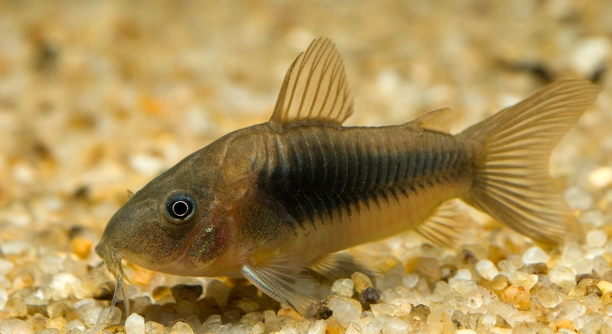
Corydoras catfish are popular for their peaceful nature and unique behaviors. If you’re considering breeding them, recognizing the signs that they’re ready to reproduce can make the process much smoother. Understanding these signals is key.
Corydoras catfish typically show signs of readiness to breed through behaviors such as increased activity, the presence of spawning tubes in females, and males chasing females. Additionally, they may exhibit a preference for specific substrates where eggs can be laid.
These signs are just the beginning. Recognizing them will help ensure that the breeding process is successful for your Corydoras catfish.
Observing Increased Activity
When your Corydoras catfish are ready to breed, you’ll likely notice a surge in their activity. This behavior is a clear indication that they are preparing to spawn. Males often become more active, swimming around the tank, chasing females, and engaging in rapid movements. This behavior is especially noticeable during the daytime, with fish displaying a sense of urgency. Increased swimming can be a sign that they are trying to attract a mate and prepare the environment for breeding. They may also show signs of territoriality as they seek out the perfect spot for spawning.
It’s important to remember that this increase in activity is usually temporary, lasting only as long as the breeding period. Afterward, the catfish return to their normal, calm behavior.
By observing their actions closely, you can get an early sense of when your Corydoras are ready to breed. Increased activity is one of the most reliable indicators to look out for.
Spotting Female Corydoras Preparing to Spawn
The presence of visible spawning tubes is a strong sign that the female Corydoras catfish is getting ready to breed.
Female Corydoras, when ready, will develop and protrude their spawning tubes, signaling their preparedness. This physical change is visible when they swim through the tank and is often accompanied by the chasing behavior of males. When this happens, it’s a good indication that the female is capable of laying eggs soon. Males will pursue the female closely, sometimes nudging her toward potential spawning sites. The physical readiness of the female is essential in identifying when the breeding process can begin.
When observing your female Corydoras, keep an eye out for the appearance of these tubes. This sign is often the last physical clue before actual spawning.
Increased Male Aggression
As the breeding season approaches, male Corydoras often display heightened aggression. They may chase after females more vigorously than usual. This aggression is meant to encourage the female to select him as her mate. The males may also become more territorial, defending areas they believe are suitable for spawning.
This aggression isn’t harmful but rather part of their natural behavior during mating season. Males may sometimes fight among themselves, especially when vying for the attention of a single female. It’s a clear signal that breeding conditions are right.
It’s important to monitor these behaviors closely. While some aggression is expected, any signs of injury should be addressed immediately. This heightened male competition usually subsides once the female selects a mate and prepares to spawn.
Preferred Substrate for Spawning
Corydoras catfish often prefer specific substrates when ready to breed. They tend to choose smooth, flat surfaces for laying eggs. Substrates like clean gravel, flat rocks, or even plant leaves are often selected for their ability to hold the eggs in place.
Having these surfaces readily available in the tank can encourage your Corydoras to breed successfully. You may notice that the fish spend more time near the substrate during the breeding process, inspecting areas for suitable spots to lay eggs. Proper substrate selection is essential to ensure the eggs are not easily disturbed or washed away.
Once eggs are laid on the substrate, males will follow the females closely, fertilizing them. Ensuring the right environment can increase the chances of successful breeding and egg hatching.
Changes in Behavior of the Female
When the female Corydoras is ready to breed, her behavior will shift noticeably. She may appear more reserved or start swimming close to the substrate, examining potential egg-laying sites. This is a clear sign that she is preparing to spawn.
She may also become more selective about her interactions with the males. While she’s likely still pursued by the males, her behavior will show that she’s searching for a suitable environment to lay her eggs. The shift in her swimming patterns is an important sign of readiness.
Paying attention to how the female interacts with her environment is crucial. She’s actively preparing for the next steps in the breeding process.
Male Courtship Rituals
Male Corydoras engage in various courtship rituals to attract females. This can include chasing, nipping, or even nudging the female. They often attempt to lead the female to a suitable spawning site by swimming in front of her and nudging her toward the substrate.
This courtship behavior can last for several hours or even days before the female finally selects a mate and lays her eggs. The males are highly persistent during this time, showing off their strength and stamina.
Understanding these behaviors will help you identify when your male Corydoras is trying to attract a mate.
Temperature Fluctuations
Corydoras catfish are sensitive to changes in water temperature, which plays a role in triggering breeding behavior. Slight increases in temperature, typically around 2–3°F above normal, can encourage your fish to begin the breeding process.
A temperature increase mimics the natural seasonal changes that stimulate spawning. Be mindful of the temperature changes, as this can help trigger readiness in both males and females. If you notice that the temperature is rising and behavior changes follow, this may be a good sign that breeding is near.
Keeping track of water temperature ensures that you provide the best conditions for breeding.
FAQ
How can I tell if my Corydoras catfish are ready to breed?
The most obvious signs that your Corydoras are ready to breed are increased activity, visible spawning tubes on females, and aggressive male behavior. Males often chase females, and the females will start swimming closer to the substrate to inspect areas for laying eggs. Watching these behaviors closely can give you a good idea that the breeding process is about to begin.
How do I prepare my aquarium for breeding Corydoras catfish?
To prepare your aquarium for breeding, ensure the water temperature is slightly increased, around 2–3°F above normal. Provide a clean, smooth substrate, like gravel or flat rocks, to give the fish a place to lay their eggs. You can also add some plants or aquarium decorations to help create a comfortable environment. Ensure that the water quality is high, with clean filtration and stable pH levels, to support the breeding process.
What temperature should the water be for Corydoras breeding?
Corydoras catfish typically breed when the water temperature is between 74–80°F. A slight increase in temperature, around 2–3°F above normal, can help trigger breeding behavior. It’s important to maintain stable water temperature and not make drastic changes, as that can stress the fish and hinder breeding.
Do Corydoras need a mate to breed?
Yes, Corydoras catfish generally require a male and female to breed. Males court females through a series of ritualistic behaviors, like chasing and nudging, to encourage egg-laying. A single pair is sufficient, but having a few males and females in the tank increases the chances of successful breeding.
How long does it take for Corydoras eggs to hatch?
Corydoras eggs typically hatch within 3 to 6 days, depending on water temperature and conditions. Warmer temperatures can speed up the hatching process, while cooler temperatures may cause a slight delay. Once the eggs hatch, the fry will swim freely and begin to look for food.
What should I do after Corydoras lay eggs?
Once the eggs are laid, you can choose to leave them in the tank with the parents or remove them to a separate breeding tank. If left with the parents, they will usually protect the eggs until they hatch. If you choose to remove the eggs, place them in a separate tank with similar water conditions and ensure proper filtration. Make sure to keep the water clean to avoid any fungus growth on the eggs.
Can Corydoras breed without a temperature change?
While temperature changes are commonly used to trigger breeding, Corydoras can still breed in stable water conditions if they feel comfortable and well-fed. If the tank is consistently clean, and the fish are healthy, breeding may occur naturally, although the likelihood of spawning increases with slight temperature fluctuations.
How can I ensure the best conditions for Corydoras breeding?
To provide the best conditions for breeding, focus on maintaining stable water temperature, high water quality, and the proper substrate. You should also provide plenty of hiding spots for the fish, like plants or rocks, and ensure that the tank is not overcrowded. A well-balanced diet with occasional live food can also encourage breeding behaviors.
Do Corydoras catfish lay eggs on plants?
Yes, Corydoras may lay their eggs on plants, especially those with large, flat leaves. However, they are more likely to choose smooth substrates like rocks or aquarium glass. Adding live plants to the tank can offer more breeding options and encourage the fish to spawn.
How many eggs do Corydoras lay at once?
Corydoras catfish can lay anywhere from 20 to 100 eggs at once, depending on the size of the female and her health. Eggs are usually laid in batches over a period of time, and multiple spawning sessions can take place. After laying, the female will guard the eggs while males fertilize them.
Should I remove the Corydoras parents after spawning?
It’s not necessary to remove the parents immediately after spawning, but some breeders prefer to do so to avoid the risk of the adults eating the eggs or fry. If you leave the parents in the tank, they will often help protect the eggs, but it’s important to monitor them closely to ensure they don’t become too aggressive or damage the eggs.
Final Thoughts
Breeding Corydoras catfish can be a rewarding experience for aquarium enthusiasts. Recognizing the signs that your fish are ready to breed, such as increased male aggression, changes in female behavior, and the right environmental conditions, can make all the difference. By closely observing your fish and understanding their natural patterns, you can better support them through the breeding process. Ensuring that the tank environment is suitable, with the right substrate, temperature, and water quality, is crucial for successful breeding.
Once the breeding process begins, it is important to keep a watchful eye on the eggs and fry. The eggs typically hatch within a few days, and the young fry will need specific care to thrive. If you choose to leave the eggs in the main tank, make sure the water quality remains optimal. In some cases, moving the eggs to a separate breeding tank may be beneficial to reduce the risk of predation or fungus growth. Providing a safe, clean environment is key to ensuring the survival of the fry and helping them grow into healthy adults.
The breeding behavior of Corydoras catfish is fascinating and provides a glimpse into their natural reproductive habits. While it does require some attention and care, the process can be relatively simple once you understand what your fish need. By ensuring the proper conditions and being attentive to the changes in your fish’s behavior, you can enjoy watching new generations of Corydoras grow and thrive in your aquarium. Breeding these fish is not only about expanding your tank’s population but also about gaining a deeper appreciation for the natural life cycles of these peaceful and charming creatures.

Hello,
If you enjoy the content that we create, please consider saying a "Thank You!" by leaving a tip.
Every little bit helps us continue crafting quality advice that supports the health, happiness, and well-being of pets around the world, for pets of all shapes, sizes, and species.
We really appreciate the kindness and support that you show us!