
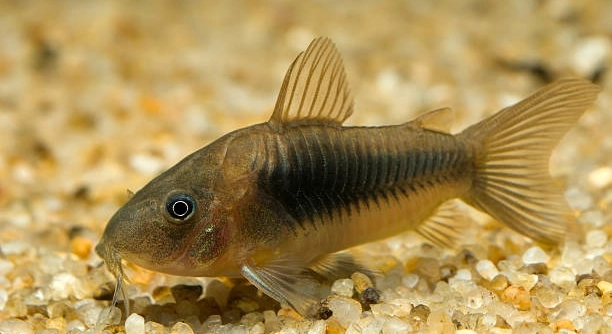
Corydoras catfish are known for their peaceful nature, but stress can affect their health and behavior. Identifying the signs early can help prevent more serious issues and ensure they thrive in their environment.
Corydoras catfish exhibit signs of stress through behaviors like hiding, rapid gill movement, or abnormal swimming patterns. Factors such as poor water quality, incorrect tank mates, or improper temperature can trigger these responses. Identifying the stressors is key to resolution.
Stress can be managed with simple adjustments. Monitoring water quality and temperature, ensuring proper tank conditions, and offering suitable tank mates will help alleviate stress and improve your catfish’s well-being.
Common Stress Triggers for Corydoras Catfish
Poor water quality is one of the most common causes of stress in Corydoras catfish. These fish are sensitive to changes in their environment, especially fluctuations in pH levels, ammonia, or nitrate concentrations. Keeping the water clean and stable is essential for their well-being. Regular water changes and a proper filtration system are necessary to maintain a healthy habitat.
Tank mates play a crucial role in the comfort of Corydoras catfish. Aggressive or overly active fish can cause stress, especially if the Corydoras feel threatened or cannot find a safe space to hide. It’s essential to choose peaceful companions, as a tank full of aggressive species can lead to constant stress and anxiety for your fish.
Maintaining the right water temperature also contributes to stress reduction. Corydoras catfish thrive in temperatures between 72-78°F (22-26°C). Sudden temperature changes can trigger stress responses, affecting their appetite and activity levels. Ensure the tank’s temperature is consistent by using a reliable heater, especially during colder months.
Signs of Stress in Corydoras Catfish
Look for behavioral changes to spot when your Corydoras catfish is stressed. Excessive hiding, swimming near the water’s surface, or unusual darting are all signs of discomfort.
Physical symptoms like faded color, rapid breathing, or clamped fins can also indicate stress. These visual clues should prompt immediate action to address the underlying issue.
A Corydoras catfish under stress may display changes in eating habits or appear lethargic. They might avoid food or stop swimming altogether. If not addressed quickly, these behaviors can lead to more severe health problems, such as weakened immune systems or infections.
The key is to assess their environment for potential stressors. Clean, stable water, suitable tank mates, and proper temperatures are critical. If these issues are resolved promptly, the stress should subside, and your catfish will regain its usual behavior.
Water Quality and Filtration
Water quality directly affects the health of your Corydoras catfish. Ammonia, nitrites, and nitrates can build up quickly if not properly filtered, leading to stress and illness. A reliable filtration system is a must for keeping these levels in check.
Regular water changes are necessary to prevent harmful chemicals from accumulating in the tank. You should aim to change 25-30% of the water every week. Use water testing kits to monitor ammonia, nitrate, and pH levels. In addition, invest in a high-quality filter that is suitable for the size of your aquarium. This ensures that the water remains clean and clear, reducing the risk of your catfish becoming stressed.
Water temperature is equally important for maintaining a healthy environment. Sudden shifts in temperature can stress your catfish and even lead to illness. Installing a reliable heater and thermometer will help maintain a consistent temperature within the ideal range of 72-78°F (22-26°C), ensuring your Corydoras remain comfortable.
Proper Tank Mates
Tank mates can either help or harm your Corydoras catfish’s well-being. Aggressive species can stress them out, leading to a decline in health. Ensure that any fish placed with your Corydoras are peaceful and of a similar size.
Some larger or more territorial fish, like cichlids, may bully Corydoras, causing them to hide constantly. Corydoras thrive in peaceful environments and prefer tank mates that don’t outcompete them for food or space. Avoid housing them with overly aggressive fish, as this will only increase their stress levels.
Choosing compatible fish for your Corydoras is key to a peaceful tank. Species such as guppies, tetras, or other non-aggressive bottom-dwellers work well with Corydoras. Not only does this reduce stress, but it also creates a harmonious tank environment. A careful selection of tank mates is essential to keep your Corydoras healthy and stress-free.
Tank Size and Space
Corydoras catfish need ample space to feel secure. A tank that’s too small can increase stress due to overcrowding, limited hiding spots, and poor water quality. A 20-gallon tank is ideal for a small group of Corydoras.
A larger tank allows more freedom for swimming and exploration. It also helps maintain stable water conditions. Corydoras are bottom-dwellers, so a tank with plenty of open space at the bottom is essential for their comfort. Adding some plants or decorations can provide hiding spots, giving them a sense of security.
Feeding and Diet
A well-balanced diet contributes to your Corydoras catfish’s overall health and reduces stress. Offer a variety of food, including sinking pellets, frozen or live foods, and occasional vegetable matter.
Corydoras are scavengers, so they appreciate a diet that mimics their natural feeding habits. Offering high-quality, protein-rich food ensures they stay healthy and active. Avoid overfeeding, as excess food can pollute the water, leading to poor water quality and additional stress.
Lighting Conditions
Bright, intense lighting can stress Corydoras, as they prefer dimmer environments. Using low to moderate lighting will make them feel more comfortable and reduce anxiety.
Provide some shaded areas in the tank using plants or decorations. This gives your catfish the option to retreat and relax when they feel overwhelmed by the light.
FAQ
How do I know if my Corydoras catfish is stressed?
Stress in Corydoras can be identified through certain behaviors. If your catfish is hiding excessively, swimming erratically, or staying near the water’s surface, it could be a sign of stress. Other physical signs include rapid gill movement, loss of color, or clamped fins. These signs suggest the need for a change in their environment.
Can Corydoras live with other fish?
Yes, Corydoras can live with other peaceful fish, but it’s important to choose tank mates wisely. They thrive with species that aren’t aggressive or overly active. Fish like tetras, guppies, and peaceful species of rasboras are good options. Avoid aggressive or territorial fish, as they can stress out Corydoras.
What size tank does a Corydoras need?
Corydoras need at least a 20-gallon tank if kept in small groups. A larger tank provides more swimming space, helps maintain better water quality, and gives the fish more room to spread out. A spacious tank reduces the likelihood of stress due to overcrowding.
How often should I change the water in my Corydoras tank?
Water changes are essential for keeping Corydoras healthy. It’s recommended to change 25-30% of the water every week. Regular changes help maintain stable water quality and prevent harmful toxins like ammonia and nitrates from building up. Always use a water conditioner to treat tap water before adding it to the tank.
What is the ideal water temperature for Corydoras?
Corydoras catfish prefer a water temperature between 72-78°F (22-26°C). If the temperature fluctuates too much, it can cause stress and even illness. It’s important to keep the tank temperature consistent, so a reliable heater and thermometer should be used to monitor it regularly.
Can Corydoras live in cold water?
Corydoras are tropical fish, meaning they require warmer water temperatures. They should not be kept in cold water environments. Temperatures below 72°F (22°C) can cause stress, weaken their immune system, and increase the risk of disease. Always ensure the water is within their preferred temperature range.
How do I set up a tank for Corydoras catfish?
To set up a proper tank for Corydoras, choose a tank that is at least 20 gallons and has a good filtration system. Corydoras prefer soft, slightly acidic water, so you may need to adjust the pH with appropriate water treatments. Add a soft substrate like fine gravel or sand, as Corydoras like to sift through it. Include hiding spots and plants for security. Be sure to avoid sharp decorations that could injure their sensitive barbels.
Do Corydoras catfish need a filter?
Yes, Corydoras require a filter to maintain clean water. They produce waste that can quickly degrade water quality, so a good filtration system is essential to keep the tank environment healthy. Choose a filter that provides gentle water flow, as Corydoras don’t do well with strong currents.
How long do Corydoras catfish live?
Corydoras catfish typically live for 5 to 7 years with proper care. Ensuring they have a stable and stress-free environment can extend their lifespan. Good water quality, proper diet, and compatible tank mates will contribute to their longevity.
What do Corydoras catfish eat?
Corydoras are omnivores and thrive on a varied diet. They enjoy sinking pellets, frozen or live foods like bloodworms and brine shrimp, and occasional vegetable matter like blanched zucchini or spinach. A balanced diet will help them maintain good health and reduce stress.
Can Corydoras survive in low-oxygen tanks?
No, Corydoras need well-oxygenated water. They naturally live in environments with high oxygen levels, so it’s crucial to maintain proper aeration in the tank. Use an air pump or ensure the filter provides adequate surface agitation to keep oxygen levels high.
How do I reduce stress for my Corydoras?
To reduce stress, ensure your Corydoras have a stable, clean environment with appropriate water temperature and pH. Avoid sudden changes in water conditions and be careful when adding new fish to the tank. Provide plenty of hiding spots and choose peaceful tank mates. Consistent feeding times and a varied diet also help maintain their health and reduce stress.
Are Corydoras active at night?
Corydoras are primarily nocturnal. They tend to be more active during the night or when the light levels are low. It’s normal for them to hide during the day and come out to explore at night. This behavior is typical and not a sign of stress.
Why is my Corydoras not eating?
If your Corydoras isn’t eating, it could be stressed or unwell. Check the water quality, temperature, and tank mates to ensure the environment is comfortable. Illnesses like parasites or infections can also cause a loss of appetite. If the problem persists, consider consulting a vet who specializes in fish health.
Final Thoughts
Keeping Corydoras catfish healthy and stress-free requires attention to their environment and overall well-being. They are sensitive to water quality, so regular maintenance is essential. A reliable filtration system, along with regular water changes, will help keep harmful toxins in check. Monitoring water parameters like pH, ammonia, and nitrate levels can prevent many common issues that lead to stress or illness. It’s important to remember that Corydoras thrive in stable conditions, so keeping their environment consistent will help avoid sudden changes that might cause discomfort.
Tank size and tank mates play a big role in reducing stress. Corydoras are peaceful bottom-dwellers that do best in spacious tanks. A 20-gallon tank is a good minimum size, but larger tanks are even better. When selecting tank mates, opt for peaceful species that won’t compete with them for space or food. Aggressive or territorial fish can make Corydoras feel unsafe, so always choose companions that suit their calm nature. With enough space and the right environment, your Corydoras will feel secure and happy.
Lastly, providing the right diet and lighting can further reduce stress. Corydoras are scavengers, so they enjoy a variety of foods, including sinking pellets, frozen foods, and vegetables. Offering a balanced diet will keep them healthy and active. Lighting should also be considered, as bright or intense lights can make them anxious. Lower lighting and plenty of hiding spots will help them feel more at ease. By taking the time to care for these aspects of their tank, you will ensure your Corydoras live a long, stress-free life.

Hello,
If you enjoy the content that we create, please consider saying a "Thank You!" by leaving a tip.
Every little bit helps us continue crafting quality advice that supports the health, happiness, and well-being of pets around the world, for pets of all shapes, sizes, and species.
We really appreciate the kindness and support that you show us!