
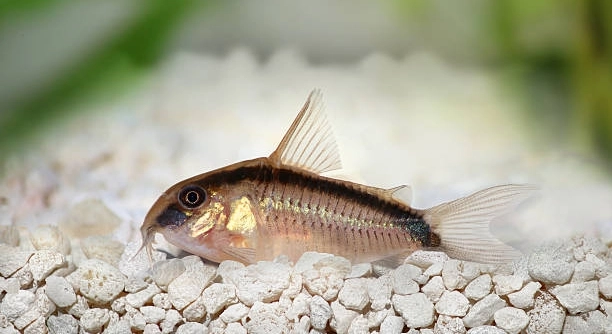
Corydoras catfish are popular aquarium fish known for their peaceful nature and active behavior. Understanding their growth process is key to providing the best care for them as they mature. This article explores their growth stages and full maturity.
Corydoras catfish typically reach full growth between 1 and 2 years of age. They grow in stages, starting as fry and progressing through juvenile stages before reaching their adult size. Their growth rate may depend on factors like diet and environment.
Tracking their growth stages and knowing when they are fully grown helps maintain proper care and tank setup.
The Growth Stages of a Corydoras Catfish
Corydoras catfish go through several stages as they grow from tiny fry into full-sized adults. At birth, they are small, translucent, and very delicate. As they grow, their color and markings become more defined. By the time they reach about three months old, they begin to develop their adult patterns. From this point, they transition into juvenile stages where their growth slows. These stages are largely influenced by the conditions in their tank, including the quality of water, temperature, and diet. A well-maintained environment helps speed up their growth and ensures they develop into healthy adults.
Though Corydoras are small fish, they require a lot of care during their early stages. Proper feeding and maintaining ideal water conditions help them grow quickly and stay healthy. If their environment is not optimal, their growth could be stunted.
As they near their first year, you will see noticeable changes in size and behavior. They will become more active, and their color will become more vibrant, signaling their approach to full maturity.
Factors That Affect Growth Rates
Water quality plays a significant role in how quickly Corydoras grow. High ammonia levels or low oxygen can hinder their development. It’s important to regularly change the water and monitor the parameters.
A balanced diet also supports their growth. Corydoras thrive on protein-rich foods such as sinking pellets, bloodworms, and brine shrimp. When fed appropriately, their growth rate increases. Tankmates can also affect their development. If the tank is overcrowded or the fish are stressed, Corydoras may not grow at their full potential.
Lastly, genetics matter. Some Corydoras species grow faster than others, and individual fish may grow at slightly different rates. Nonetheless, with the right care, most Corydoras will reach maturity within two years.
Feeding Your Corydoras Catfish for Proper Growth
Corydoras catfish require a diet that is high in protein and nutrients. They are bottom feeders, so sinking pellets are ideal. It’s important to offer them variety, including live foods like brine shrimp or bloodworms, along with occasional vegetables like zucchini. Overfeeding can lead to water quality problems, so be sure to feed them in moderation.
Feeding your Corydoras regularly helps them grow at a steady rate. They prefer smaller meals throughout the day. In nature, they are scavengers, constantly foraging, so mimicking this feeding schedule can keep them healthy and active. Always remove any uneaten food to maintain water quality.
If you notice your Corydoras aren’t growing as expected, reassess their diet and feeding routine. An inadequate diet can slow their growth, and not providing the right food can also lead to health issues like malnutrition. Always aim for a balanced diet that supports all their nutritional needs.
Water Quality and Its Impact on Growth
Water quality affects Corydoras’ growth rate more than many realize. They are sensitive to poor water conditions, which can stress them and hinder their development. Regular water changes and filtration are crucial to maintaining a healthy tank environment.
High levels of ammonia, nitrites, or nitrates can slow their growth or cause stunted development. Proper water parameters should include a pH of around 6.5 to 7.5, a temperature between 72-78°F, and low to moderate hardness. Testing the water regularly ensures these levels stay within safe ranges. Poor water quality can lead to illness, affecting their overall health and growth.
Additionally, Corydoras thrive in tanks with good water circulation. Ensure there are no areas where waste and debris accumulate, as stagnant water can also disrupt their growth process. Providing an environment with optimal water conditions accelerates their development into healthy, fully-grown fish.
Tank Size and Space for Growth
Corydoras catfish thrive in spacious tanks with plenty of room to move around. A minimum tank size of 20 gallons is recommended for a small group. Overcrowding can cause stress and stunted growth, affecting their overall well-being.
A larger tank allows for better water quality control and reduces the chances of aggression or competition for food. Providing hiding spots and places to explore also helps them feel secure, which promotes better growth. The more space they have, the healthier and more active they will be.
Tankmates and Their Effect on Growth
Corydoras are peaceful fish but can be negatively affected by aggressive tankmates. Competing for food or space can lead to stress, hindering their growth. They thrive in community tanks with similarly peaceful fish.
When selecting tankmates, ensure they are compatible in size and temperament. Aggressive species may bully Corydoras, preventing them from eating properly. Stress can also suppress their immune system, leaving them vulnerable to disease. Choosing calm, non-competitive fish will ensure a stress-free environment, allowing Corydoras to reach their full growth potential.
Temperature and Its Role in Growth
Temperature directly influences the metabolic rate of Corydoras catfish. Keeping the water within the optimal range of 72-78°F encourages steady growth. If the water is too cold, their metabolism slows, which can stunt growth.
At lower temperatures, Corydoras may become lethargic and eat less. Maintaining consistent temperature levels ensures they are active and continue to grow. A tank heater is necessary to regulate the temperature, especially in cooler climates. Sudden changes in temperature should be avoided, as this can cause stress and disrupt their growth process.
FAQ
What is the average size of a fully grown Corydoras catfish?
Fully grown Corydoras catfish typically reach around 2 to 3 inches in length, depending on the species. Some larger species, like the Corydoras aeneus, can grow up to 4 inches. Their size is influenced by the conditions in the tank, including water quality, diet, and tank size. A well-maintained environment with proper care can help them reach their maximum size.
How fast do Corydoras catfish grow?
Corydoras catfish grow steadily during their first year. They begin as tiny fry, and by three months, they are roughly an inch long. By the end of their first year, they will typically reach around 2 inches. The second year of growth sees them reach their full adult size. Factors such as water quality, diet, and temperature can impact their growth rate. In ideal conditions, Corydoras catfish can grow faster.
How long does it take for Corydoras catfish to reach full maturity?
Corydoras catfish typically reach full maturity between 1.5 to 2 years of age. They go through several growth stages, starting from fry to juvenile and finally to adult. By the time they hit their second year, they will be fully grown, although some species may take longer to mature fully. Growth rate depends on factors like diet, water quality, and tank size.
Can Corydoras catfish grow bigger in larger tanks?
Yes, Corydoras catfish can grow larger in more spacious tanks. A bigger tank gives them more space to swim and more stable water conditions. In smaller tanks, growth may be stunted due to overcrowding or poor water quality. Larger tanks also allow for better filtration and water circulation, which contribute to healthier fish and faster growth.
What is the ideal water temperature for Corydoras catfish growth?
Corydoras catfish thrive in water temperatures between 72°F and 78°F. Keeping the water in this range promotes proper metabolic function and supports healthy growth. If the temperature is too low, their metabolism slows down, and they may become lethargic. On the other hand, excessively high temperatures can stress the fish and affect their health. Maintaining a consistent temperature is essential for optimal growth.
What do Corydoras catfish eat to grow properly?
Corydoras catfish are omnivores and require a diet rich in protein to grow properly. They should be fed a combination of sinking pellets, bloodworms, brine shrimp, and occasionally vegetables like zucchini or spinach. It’s important to offer them a varied diet to ensure they get all the necessary nutrients. Overfeeding should be avoided, as it can affect water quality and overall health.
Are Corydoras catfish slow growers?
Corydoras catfish are not particularly slow growers, but their growth can be slow if conditions are not ideal. In their first year, they grow steadily, and by the end of their second year, they reach full size. However, if they are kept in a poor environment with inadequate food or poor water conditions, their growth rate can slow down. Proper care is essential for them to grow at their full potential.
Can Corydoras catfish grow in small tanks?
While Corydoras catfish can survive in small tanks, they do not grow as well. Small tanks often lead to poor water quality, which can hinder growth. They need space to swim and explore, which is essential for their physical and mental health. A minimum of 20 gallons is recommended for a small group of Corydoras. In a larger tank, they will have more room to grow and thrive.
Do Corydoras catfish grow faster with good water quality?
Yes, Corydoras catfish grow faster in optimal water conditions. Clean, well-filtered water with stable parameters (such as pH, temperature, and hardness) allows them to thrive and grow at a steady pace. Poor water quality, on the other hand, can stress them, leading to slow growth or health issues. Regular water changes and good filtration are essential for their growth.
Can Corydoras catfish live with other fish while growing?
Corydoras catfish are peaceful fish and generally do well in community tanks. They can live with other peaceful species while growing, as long as the tankmates are not overly aggressive or territorial. Avoid aggressive fish that might stress them out or compete for food. A peaceful tank environment will help Corydoras grow properly.
How do I know if my Corydoras catfish is fully grown?
Corydoras catfish are considered fully grown when they reach their species’ typical size, usually around 2-3 inches in length. Their body shape will become more robust, and their coloration will be fully developed. At full maturity, they will display adult behavior, such as establishing a feeding routine and interacting more confidently with their environment.
What environmental factors affect Corydoras catfish growth?
Several environmental factors affect Corydoras catfish growth. Water quality is the most important factor, as poor water conditions can stunt their growth. Temperature also plays a role, as water that is too cold or too hot can slow down their metabolism. Proper filtration and tank size also ensure they have enough space to grow and stay healthy. Lastly, a good diet is essential to fuel their growth.
Can Corydoras catfish grow in low-light conditions?
Corydoras catfish are not particularly sensitive to light levels, as they are bottom dwellers. However, they do need some light to regulate their day-night cycles. Low light will not hinder their growth, but it is important to ensure they still have a suitable environment to thrive in. Consistent lighting helps maintain a natural rhythm for them, but they do not require intense lighting to grow.
How often should I feed my Corydoras catfish for optimal growth?
Feeding your Corydoras catfish 2-3 times a day is ideal for promoting optimal growth. You can offer small portions of food at different times to mimic their natural foraging behavior. It’s essential to ensure that any uneaten food is removed after a few hours to prevent water pollution and maintain water quality. Overfeeding can lead to health problems, so always aim for moderation.
Will Corydoras catfish continue to grow after they reach 2 years old?
Corydoras catfish typically reach their full adult size by the time they are 2 years old. After this age, they will no longer grow significantly. However, they may still gain weight or bulk up slightly as they age. Their growth slows down considerably after reaching maturity, and the focus should shift to maintaining their health and well-being.
Can Corydoras catfish grow in tanks without proper filtration?
Corydoras catfish can survive in tanks without proper filtration, but they won’t thrive. Poor filtration leads to poor water quality, which can stunt their growth and lead to health problems. Regular water changes become even more crucial in tanks without filtration. Using a filter ensures that the water stays clean and oxygenated, promoting steady growth and overall health for your Corydoras.
Final Thoughts
Understanding the growth process of Corydoras catfish is essential for providing the right care. These small, peaceful fish typically grow to around 2-3 inches in length, but the time it takes to reach full size depends on various factors like water quality, temperature, and diet. With proper care, Corydoras catfish can reach their adult size within 1.5 to 2 years. While they are not particularly fast growers, a stable environment with clean water, the right temperature, and a balanced diet can ensure they grow at a healthy rate. For those keeping these fish in a tank, it’s important to be patient, as their growth will follow a natural pace, but the key is to avoid factors that can stunt their development, such as poor water conditions or overcrowding.
Maintaining the right conditions for your Corydoras catfish can also impact their overall well-being. A clean tank, proper filtration, and a varied diet are all essential for their growth and health. Corydoras are omnivores and benefit from a mix of protein-rich foods and occasional vegetables. Regular feeding with quality food ensures they receive the necessary nutrients to grow properly. Additionally, providing a tank large enough for them to swim comfortably is crucial. Even though they can survive in smaller tanks, a larger environment allows them to grow to their full potential. Overcrowding can lead to stress and limit their growth, so it’s best to keep them in an appropriately sized tank with peaceful tankmates.
In conclusion, growing a Corydoras catfish to its full size requires attention to detail and commitment to maintaining an ideal environment. Although they reach maturity by the age of 2, ensuring that water quality, temperature, and diet are consistently monitored will contribute to their overall development. A stable environment, combined with proper care, will allow them to live healthily and comfortably for many years. Whether you are a beginner or an experienced fish keeper, understanding the specific needs of Corydoras will help you provide the best care for these charming and peaceful aquarium fish.

Hello,
If you enjoy the content that we create, please consider saying a "Thank You!" by leaving a tip.
Every little bit helps us continue crafting quality advice that supports the health, happiness, and well-being of pets around the world, for pets of all shapes, sizes, and species.
We really appreciate the kindness and support that you show us!