
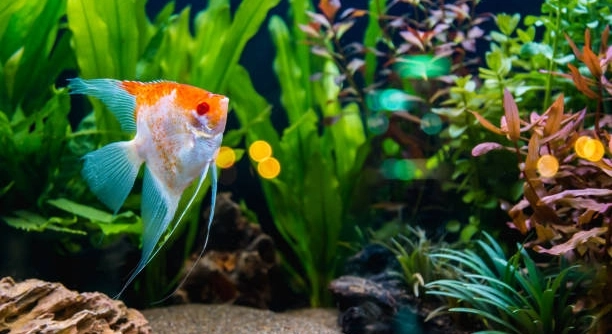
Aggression in angelfish can be a frustrating issue for aquarium owners. These beautiful creatures, known for their calm demeanor, sometimes display behavior that can disrupt a peaceful tank environment. Understanding how to manage this is key.
Aggression in angelfish is often due to territorial disputes, overcrowding, or an imbalance in the tank’s environment. To reduce aggression, ensure proper tank size, water conditions, and avoid placing incompatible fish together. Proper feeding and introducing angelfish gradually can also help.
By addressing these key factors, you can help maintain a peaceful atmosphere for your angelfish. These simple steps can prevent unnecessary aggression and contribute to a happier, healthier aquarium environment.
Proper Tank Size
Angelfish require space to thrive, and overcrowding can quickly lead to stress and aggression. These fish can grow up to six inches long, so a tank that’s too small will make them feel confined and more likely to act out. Ideally, an angelfish should have at least 20 gallons of water for themselves, with an additional 10 gallons for each extra fish. A larger tank helps maintain water quality and ensures they have enough room to establish their own territories.
When setting up the tank, keep in mind that angelfish are territorial, especially during breeding. Providing ample space reduces conflict between fish. Consider adding plants and decorations to create hiding spots, which will give angelfish places to retreat if they feel threatened. This will help them feel more secure and reduce aggression.
In addition to space, make sure there are no sharp objects or overcrowded areas in the tank that might make fish feel trapped. These adjustments, along with the right tank size, go a long way in keeping angelfish peaceful and happy.
Water Conditions
The water quality in your tank plays a huge role in the well-being of your angelfish. Poor water conditions, like high ammonia or nitrite levels, can lead to stress and aggression. Regular water changes are essential, and keeping the tank’s pH, temperature, and hardness within the ideal range will help calm your angelfish.
Angelfish prefer water temperatures between 76°F and 82°F. Keeping the water clean and stable helps reduce stress, which in turn decreases the likelihood of aggressive behavior. Angelfish are more likely to get agitated in fluctuating or poor-quality water.
Maintaining proper water conditions and testing regularly can prevent aggression related to stress or poor health. This ensures a peaceful and healthy environment for all fish in the tank.
Avoid Aggressive Tankmates
When choosing tankmates for your angelfish, be mindful of their temperament. Some fish are more aggressive and may provoke your angelfish, leading to stress or fights. It’s best to pair angelfish with peaceful species that won’t compete aggressively for space or food.
Angelfish do well with other calm, non-territorial fish. Avoid pairing them with fin-nippers or overly territorial species like cichlids. Fish like tetras, catfish, and peaceful gouramis make good tankmates for angelfish. Before adding any new fish, research their compatibility to avoid potential aggression.
It’s also important to monitor interactions between fish closely. Even the most peaceful fish can become territorial if their space is threatened, especially when they are trying to establish a home. Maintaining balance by choosing compatible tankmates helps reduce stress and aggression in your angelfish.
Proper Feeding
Overfeeding or underfeeding can cause stress, leading to aggression. Angelfish need a balanced diet, including flakes, pellets, and occasional live or frozen foods. Overfeeding can lead to water quality issues and aggression between fish fighting for food.
Feed your angelfish small portions twice a day, ensuring that they finish their food quickly. This reduces waste in the tank, keeping water quality in check. Avoid leaving uneaten food at the bottom, as it can decompose and harm water conditions, leading to more stress and territorial behavior.
A proper feeding routine can help prevent fighting over food and minimize competition. The right amount of food promotes health, reduces stress, and discourages aggressive behaviors. By feeding at the right times and quantities, you can create a calm, stable environment for your angelfish.
Introduce Angelfish Slowly
When adding new fish to your tank, it’s crucial to introduce them slowly to avoid aggression. Sudden changes or the introduction of unfamiliar fish can cause stress and territorial disputes. Take your time and allow your angelfish to adjust.
Introduce new angelfish gradually by placing them in a separate quarantine tank for a few days. This gives them time to acclimate without feeling threatened. Once they seem comfortable, you can release them into the main tank. The slow introduction helps reduce territorial aggression, giving both the new and existing fish a chance to settle.
By introducing angelfish carefully, you reduce the risk of aggression and allow your fish to adjust to one another peacefully.
Decorations and Hiding Spots
Adding plants and decorations can help minimize aggression in angelfish. By providing areas for your fish to hide and establish their own space, you can create a more peaceful environment.
Angelfish like to have their own territories. By adding caves, plants, and driftwood, you give them places to retreat when they feel threatened. This prevents overcrowding in one area of the tank and reduces the likelihood of aggression. Keeping the tank enriched with these features makes angelfish feel more secure and calm.
Tank Maintenance
Regular tank maintenance is essential for reducing aggression. Dirty or overcrowded tanks can stress angelfish, making them more likely to act out. Clean your tank regularly and check for any signs of illness or stress.
Maintaining water quality and cleaning the tank’s equipment helps keep your fish in a relaxed state. Regular water changes, vacuuming the substrate, and checking filters ensure that your angelfish stay healthy. By paying attention to the tank’s condition, you reduce stress and aggression among your fish.
FAQ
What causes aggression in angelfish?
Aggression in angelfish can be caused by several factors. The most common cause is territorial disputes, especially in a small tank or when breeding. Angelfish are naturally territorial and will defend their space, which can lead to aggressive behavior. Overcrowding, poor water quality, and incompatible tankmates are also major contributors. When angelfish feel stressed due to these factors, they may act aggressively to establish dominance. Poor nutrition can also trigger aggression, as hungry or underfed fish are more likely to fight for food.
How can I tell if my angelfish is being aggressive?
Aggressive angelfish may display several behaviors. They may chase or nip at other fish, especially if they are trying to establish dominance. During these episodes, their fins may be flared, and they might swim erratically or engage in direct confrontation. Angelfish may also “charge” at each other, showing signs of aggression when defending territory or food. Additionally, you may notice physical damage to other fish, such as torn fins or missing scales. If aggression is severe, angelfish might become isolated or hide in corners of the tank.
Can angelfish live with other fish?
Yes, angelfish can live with other fish, but choosing compatible tankmates is essential. They generally do well with peaceful species such as tetras, corydoras, and peaceful gouramis. However, avoid aggressive or territorial fish like large cichlids, which may trigger stress or aggression in your angelfish. Fin-nipping species should also be avoided, as they can irritate angelfish and provoke defensive behavior. Always consider the size and temperament of any new fish before introducing them to ensure a peaceful tank environment.
How do I prevent angelfish from being aggressive?
To prevent aggression, it’s important to ensure your angelfish have plenty of space, with at least 20 gallons of water for a single fish. Avoid overcrowding, and maintain good water quality by performing regular water changes. Make sure your tank has enough hiding spots like plants or decorations, which allow angelfish to retreat if they feel threatened. Choose compatible tankmates that are calm and non-territorial. Additionally, feed your angelfish properly, ensuring they are not hungry or competing for food. Finally, introduce new fish slowly to allow for acclimatization and reduce territorial conflicts.
What tank size do angelfish need?
Angelfish require a minimum of 20 gallons of water for one fish. For each additional angelfish, you should add 10 more gallons. A larger tank provides more space for the fish to establish their territories, reducing the likelihood of aggression. In a smaller tank, angelfish may feel cramped and stressed, leading to territorial disputes. The extra space helps ensure that each fish can live comfortably and peacefully. Also, larger tanks provide more room for plants and decorations, which can help reduce aggression by offering hiding spots.
Can angelfish live with other angelfish?
Angelfish can live together, but they may become aggressive towards each other, especially if they are both males or during breeding periods. Female angelfish tend to be less aggressive, but males often compete for territory or mates. When keeping multiple angelfish, it’s important to have a larger tank with plenty of hiding spots and territories to reduce stress and aggression. Ideally, keep them in pairs or in groups, but always monitor their behavior to ensure there are no fights. If aggression persists, consider rearranging tank decorations to break up established territories.
How can I stop angelfish from fighting?
To stop angelfish from fighting, ensure the tank is large enough and well-decorated with plants and hiding places. Avoid overcrowding and provide separate territories for each fish. You can also rearrange tank decorations to break up established territories and prevent territorial disputes. When introducing new angelfish, do so slowly and carefully. If fighting persists, remove the more aggressive fish and place them in a separate tank until they calm down. In some cases, adding more hiding spots or live plants can help ease tensions by giving each fish more space.
How often should I feed angelfish?
Angelfish should be fed twice a day, offering small portions of food. Overfeeding can lead to water quality issues and aggression. Make sure to feed them only what they can consume in a few minutes to prevent uneaten food from polluting the tank. A balanced diet is essential for maintaining their health and reducing stress, which can lead to aggressive behavior. Vary their food by offering flakes, pellets, and occasional live or frozen foods, which will ensure they get all the necessary nutrients.
Can angelfish be trained to stop aggression?
While it’s difficult to train angelfish to stop aggression entirely, you can reduce it by ensuring proper tank conditions. Keeping the tank clean, providing enough space, and feeding regularly can help minimize stress and aggressive behavior. Angelfish may also become less aggressive if they are accustomed to their environment and tankmates. However, some level of aggression is natural, especially during breeding periods. Training an angelfish not to fight isn’t a guaranteed solution, but by following best practices in tank setup and maintenance, you can create an environment that encourages peaceful behavior.
Do angelfish need to be in schools?
Angelfish do not need to be in schools, as they are more solitary by nature. However, they can benefit from having other fish around, as long as the tank is large enough to accommodate everyone. They can be kept singly, in pairs, or in groups, but in larger tanks, it’s easier to avoid territorial aggression. Keep in mind that angelfish may become more aggressive if housed with other males, as they can fight over territory or mates. Therefore, if you want to keep multiple angelfish together, make sure to provide ample space and plenty of hiding spots.
Final Thoughts
Angelfish are beautiful and peaceful creatures, but like all fish, they can become aggressive under certain conditions. Understanding what causes aggression and how to prevent it can help you maintain a calm and healthy aquarium. Key factors like tank size, water quality, and tankmate compatibility play a significant role in reducing stress and aggression in angelfish. By ensuring that your tank is spacious, clean, and well-maintained, you create an environment where your angelfish can thrive without the need to defend their space constantly.
Another important aspect of preventing aggression is the careful selection of tankmates. Angelfish can get along with many other peaceful species, but certain fish may cause stress or trigger aggression. It’s crucial to research the fish you plan to add and make sure they are compatible with your angelfish. Choosing the right companions can help prevent territorial disputes and reduce the likelihood of fighting. Additionally, introducing new fish slowly and providing hiding spots can make the transition easier for everyone in the tank.
Finally, regular observation and maintenance are essential in ensuring your angelfish remain peaceful. Pay attention to any signs of aggression and take action quickly if necessary. This might mean rearranging the tank, removing overly aggressive fish, or adding more hiding places. Proper feeding is also important, as hunger can sometimes lead to aggressive behavior. By staying on top of these factors and making adjustments when needed, you can create a stable and peaceful environment where your angelfish can live happily without unnecessary aggression.

Hello,
If you enjoy the content that we create, please consider saying a "Thank You!" by leaving a tip.
Every little bit helps us continue crafting quality advice that supports the health, happiness, and well-being of pets around the world, for pets of all shapes, sizes, and species.
We really appreciate the kindness and support that you show us!