
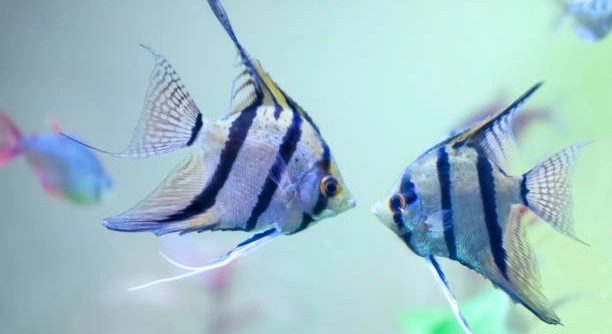
Angelfish tanks are a beautiful addition to any home aquarium, but maintaining a stable environment is crucial for their health. A few key practices can help ensure your tank stays balanced and your fish thrive.
Keeping an angelfish tank stable involves monitoring water quality, maintaining proper filtration, and maintaining consistent temperatures. Regular water changes, proper tank size, and a balanced diet for your fish also play essential roles in tank stability.
By focusing on these factors, you can create a healthier environment for your angelfish. Understanding these practices is key to long-term success.
Monitor Water Quality Regularly
Maintaining clean water is the foundation of a healthy angelfish tank. Regular testing of water parameters such as pH, ammonia, nitrite, and nitrate levels is crucial. These factors directly influence the well-being of your fish. Water should be changed weekly to remove excess waste and maintain proper water quality. A stable pH range between 6.5 and 7.5 is ideal for angelfish. If your water is too acidic or alkaline, it could stress your fish and lead to health issues. Investing in a reliable water test kit is essential for keeping track of these parameters.
To ensure water quality, invest in a high-quality filtration system that can handle the size of your tank. Filtered water not only keeps the tank clean but also helps maintain healthy oxygen levels, which is vital for fish health.
Consistency is key. Skipping water changes or neglecting water testing can cause rapid deterioration in water quality. Regular monitoring helps prevent such problems, ensuring your fish stay healthy and your tank remains in top condition.
Temperature Stability
Angelfish require stable water temperatures between 75°F and 82°F (24°C – 28°C). Fluctuations in temperature can stress your fish, making them more susceptible to disease.
A heater is necessary to maintain this temperature range. Choose a reliable heater and check it regularly to ensure it’s functioning properly. Temperature stability is as important as water quality. Without it, your angelfish may experience health complications or reduced life expectancy.
Use a Proper Filtration System
A reliable filtration system is essential for maintaining a stable environment. It helps keep the water clean by removing waste, uneaten food, and toxins that build up over time. Ensure your filter is rated for the size of your tank to avoid overloading.
A good filter promotes water movement, which angelfish need to thrive. It also helps oxygenate the water, providing your fish with the necessary oxygen levels. Make sure to clean the filter regularly to avoid clogging, which can reduce efficiency.
Filters come in different types, such as hang-on-back, canister, or sponge filters. Choose the one that best suits your tank size and fish needs. A quality filter reduces the need for frequent water changes and helps maintain a stable environment.
Avoid Overcrowding
Overcrowding a tank can lead to increased waste production, stressing the fish and affecting water quality. Keeping a balanced number of fish is essential for a stable tank. Avoid adding too many fish to your aquarium.
Angelfish need space to swim comfortably. A crowded tank makes it difficult to maintain water quality and can lead to aggression among fish. Ensure your tank is large enough to accommodate your angelfish and any other tank mates.
Before adding new fish, consider the adult size of all species in the tank. A larger tank will give your fish the room they need to swim freely, reducing stress and the likelihood of disease outbreaks.
Maintain Consistent Lighting
Angelfish thrive in natural light cycles, but too much light can lead to algae growth. Keep the lighting on for 10-12 hours a day.
A timer for the aquarium light can help maintain a consistent light schedule. Overexposure to light can stress your fish, while insufficient light may affect their color and activity levels.
To reduce the risk of algae growth, ensure your tank has sufficient plant life to balance the light. Regularly clean the tank to remove any excess algae.
Provide a Balanced Diet
A healthy diet is critical for angelfish to maintain vibrant colors and good health. Feed them a variety of high-quality food such as flakes, pellets, and occasional live foods.
Overfeeding can lead to water quality issues. Offer small portions that your fish can consume within a few minutes. Remove any uneaten food promptly to prevent it from decaying.
Varied nutrition supports their immune system, promoting healthy growth and longevity. Different food types provide essential nutrients, helping angelfish stay active and vibrant.
Control Water Flow
Angelfish are native to slow-moving waters, so strong currents can cause them stress.
Ensure the filter’s flow rate is appropriate for their needs. Too strong a current may lead to exhaustion or disorientation. Use a filter with adjustable flow if possible to keep the water movement gentle.
FAQ
How often should I change the water in my angelfish tank?
Water changes are essential for maintaining a healthy environment for your angelfish. It is recommended to change 20-30% of the water weekly. This helps remove toxins, waste, and excess nutrients, which can cause algae growth and poor water quality. Regular water changes also help maintain stable pH and other water parameters. If you have a larger tank or a well-functioning filtration system, you may be able to reduce the frequency slightly. However, regular maintenance is key to keeping the tank clean and your fish healthy.
What temperature should the water be for angelfish?
Angelfish thrive in a water temperature range between 75°F and 82°F (24°C – 28°C). This temperature range mimics their natural tropical environment. It’s crucial to maintain a stable temperature, as drastic changes can cause stress and make your fish more susceptible to illness. Use a reliable aquarium heater to regulate the water temperature and ensure it remains consistent. Always check the temperature regularly with a thermometer to avoid fluctuations.
Can I keep angelfish with other fish?
Yes, angelfish can coexist with many other species, but it’s important to choose tank mates that can tolerate similar water conditions and temperatures. Avoid keeping angelfish with small or fin-nipping fish that may stress or harm them. Peaceful community fish like tetras, gouramis, and corydoras make great tank mates. However, avoid keeping angelfish with overly aggressive species, as angelfish can become territorial, especially during breeding.
What should I feed my angelfish?
A well-balanced diet is crucial for your angelfish’s health. Feed them high-quality flake or pellet food specifically designed for angelfish. Supplement their diet with occasional live or frozen foods like brine shrimp, daphnia, or bloodworms to keep them active and healthy. Avoid overfeeding, as uneaten food can lead to poor water quality. Provide small portions that they can finish in a few minutes. A varied diet helps maintain their color, activity level, and immune system.
How can I reduce algae growth in my angelfish tank?
Algae growth is a common issue in aquariums, but there are steps you can take to control it. First, limit the amount of light the tank receives. Reduce the light cycle to 10-12 hours a day and avoid placing the tank in direct sunlight. Additionally, maintaining proper filtration and performing regular water changes will help remove excess nutrients that algae thrive on. Adding live plants to the tank can also help compete with algae for nutrients, reducing its growth. Finally, consider using algae-eating fish or snails to assist with control.
What size tank do angelfish need?
Angelfish require a tank of at least 20 gallons for a single fish. However, if you plan to keep more than one angelfish or other species, a larger tank is recommended. A 30-55 gallon tank provides ample space for angelfish to swim and establish territories. In a smaller tank, they may become stressed, and maintaining stable water parameters can be more challenging. Providing enough space for swimming and hiding spots helps reduce aggression and promotes overall well-being.
Do angelfish need a filter?
Yes, angelfish need a filter to maintain good water quality. A filter removes waste, debris, and excess nutrients, preventing the buildup of harmful toxins such as ammonia and nitrites. It also helps oxygenate the water, which is important for your fish’s health. Be sure to choose a filter that is appropriate for the size of your tank. A filter with adjustable flow can be ideal, as it allows you to control the current in the tank, keeping it suitable for angelfish.
Why are my angelfish staying at the bottom of the tank?
If your angelfish are staying at the bottom of the tank, it could indicate a problem with the water quality, temperature, or tank conditions. Check the water parameters to ensure they’re within the optimal range for angelfish. Stress from overcrowding, inadequate hiding spots, or aggressive tank mates can also cause them to stay at the bottom. Additionally, illness or injury can cause fish to behave differently. Monitor your fish closely for any signs of disease or distress and address any issues promptly.
Can angelfish survive without a heater?
Angelfish are tropical fish and require a heater to maintain a consistent water temperature between 75°F and 82°F. Without a heater, the temperature may fluctuate, which can cause stress and make them more vulnerable to disease. If you live in a cooler climate, it is especially important to use a reliable aquarium heater to ensure your angelfish remain healthy. Always check the temperature regularly to make sure it stays within the ideal range.
What are the signs of stress in angelfish?
Stress in angelfish can manifest in several ways. Common signs include hiding more than usual, lack of appetite, faded coloration, and unusual swimming behavior. Angelfish may also become more aggressive or lethargic when stressed. Poor water quality, sudden temperature changes, overcrowding, and aggressive tank mates are all factors that can contribute to stress. Regularly monitoring water quality, maintaining a proper tank size, and ensuring a peaceful environment can help prevent stress and promote a healthy, happy angelfish.
Final Thoughts
Maintaining a stable angelfish tank is essential for their overall health and well-being. With proper water conditions, a suitable filtration system, and careful attention to their diet, angelfish can thrive in a balanced environment. Regular water changes and monitoring tank parameters ensure that any issues can be addressed before they become significant problems. Ensuring the fish are not overcrowded and have enough space to swim freely helps reduce stress and aggression, allowing them to live longer and healthier lives.
Choosing the right tank mates is another important factor. Angelfish are peaceful but can become territorial, especially during breeding periods. Ensuring that they share the tank with compatible fish can reduce conflict and improve their quality of life. It is essential to keep an eye on their behavior and adjust tank conditions as needed. Even if your tank appears fine, small changes in water quality or temperature can cause stress or illness. Understanding your angelfish’s needs is key to preventing problems from arising and ensuring a stable environment.
By following these simple guidelines, you can create a peaceful and thriving tank for your angelfish. The combination of the right tank size, regular maintenance, and careful observation of their behavior can go a long way in keeping them healthy. A stable tank doesn’t require constant attention, but consistent care is needed to ensure that all conditions remain ideal. Providing the right environment for your angelfish not only ensures their happiness but also creates a visually stunning aquarium for you to enjoy.

Hello,
If you enjoy the content that we create, please consider saying a "Thank You!" by leaving a tip.
Every little bit helps us continue crafting quality advice that supports the health, happiness, and well-being of pets around the world, for pets of all shapes, sizes, and species.
We really appreciate the kindness and support that you show us!