
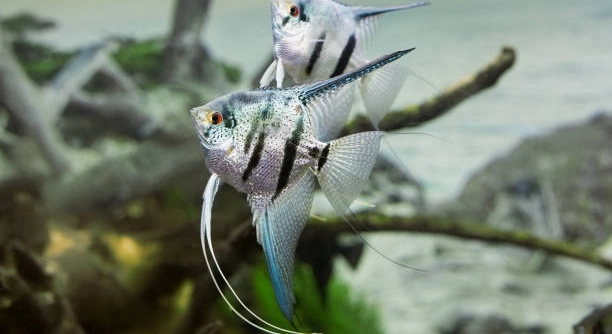
Is your angelfish not growing as quickly as you expected, leaving you unsure about what might be going wrong in their tank?
Angelfish growth rate is most commonly affected by factors such as water quality, tank size, nutrition, tank mates, stress, genetics, and lighting. Identifying and adjusting these elements can help promote healthier and faster growth.
From water changes to feeding habits, there are several important details to consider if you want your angelfish to reach their full potential.
Poor Water Quality
Water quality plays a huge role in how well your angelfish grow. Dirty or unbalanced water can easily slow down their development and even lead to sickness. Regular water changes, testing, and the right filtration are necessary. Ammonia, nitrite, and nitrate levels should be kept in check, as high levels will negatively affect your fish. You should also monitor pH and temperature consistently. When the water isn’t clean or stable, angelfish use more energy trying to survive rather than growing. That can lead to slower development, stunted growth, and lower overall health. Clean, stable water makes everything easier for them.
A well-maintained tank allows angelfish to focus their energy on growing rather than reacting to stressful changes in their environment.
To improve your angelfish’s water quality, start with small but regular water changes. Try changing 25% of the water weekly and use a dechlorinator. Test your water with a reliable test kit, especially for ammonia, nitrites, and nitrates. Keep ammonia and nitrites at zero, and nitrates under 20 ppm. Maintain a steady temperature between 78°F and 82°F, and keep pH between 6.8 and 7.8. Cleaning your filter media monthly and vacuuming the substrate helps reduce waste buildup. These steps keep the tank healthy and promote steady angelfish growth.
Inadequate Tank Size
A small tank limits how much your angelfish can grow. They need space to swim, explore, and feel comfortable.
Angelfish grow best in tanks that offer plenty of room. A tank that is too small can restrict their movement and cause stress. Most angelfish need at least 20 gallons for one, but if you have a pair or a small group, 30 gallons or more is better. Crowded conditions make fish compete for oxygen, space, and food. This constant pressure can slow their growth and impact their behavior. Angelfish are territorial and need space to claim their area. If the tank is too tight, they may become aggressive or withdrawn. Bigger tanks also help maintain more stable water conditions, which supports healthy growth. When your fish feel secure and have enough room to swim, they are much more likely to thrive and grow as expected.
Poor Nutrition
Feeding your angelfish low-quality or unbalanced food can keep them from growing properly. They need a mix of proteins, vitamins, and minerals to stay healthy and grow at the right pace.
Angelfish need a varied diet that includes high-protein flakes or pellets, along with frozen or live foods like brine shrimp or bloodworms. Feeding only one type of food, especially low-quality flakes, won’t give them everything they need. Nutritional gaps can lead to poor growth, weaker immune systems, and faded colors. It’s important to feed small amounts two to three times a day and remove uneaten food to avoid polluting the water. Overfeeding is also a problem, as it can cause bloating and water quality issues. Providing the right balance supports better development and helps your angelfish stay strong and active.
Try switching up their meals every few days to include different food sources. Frozen foods can be rotated with high-quality pellets, while occasional live treats keep them stimulated and healthy. Always check the ingredient list on fish food—look for whole fish or shrimp as the first ingredient, and avoid foods with too many fillers. By giving them a well-rounded diet, you’re helping them grow properly without putting stress on their system or the tank environment.
Stress from Tank Mates
Stress can quietly slow your angelfish’s growth. Aggressive or overly active tank mates make it hard for them to eat, rest, and feel safe.
Angelfish prefer peaceful surroundings. When they share a tank with nippy or fast-moving fish like barbs or danios, they often hide or stay near corners, reducing their activity. This affects how much they eat and their willingness to explore, both of which are tied to healthy growth. Angelfish are semi-aggressive and do best with calm, slow-moving companions. If they’re constantly stressed by other fish, their immune system can weaken, leaving them more prone to disease and poor development.
Choose tank mates like corydoras, platies, or peaceful tetras that won’t compete or fight for space. Watch how your angelfish behave during feeding and swimming times. If they seem skittish or are avoiding areas of the tank, it might be time to rehome some of their tank mates. You can also try adding more hiding spots or rearranging decorations to reduce tension. A calm tank lets your angelfish relax, eat more freely, and grow steadily without feeling threatened all the time.
Genetics
Some angelfish grow slower than others because of their genetics. Even in the best conditions, fish with slower-growing genes will take longer to reach full size compared to others from stronger lines.
If your angelfish came from a breeder who focused on color over health or size, growth may be limited.
Inconsistent Lighting
Angelfish do best with a regular light cycle. A stable day and night rhythm helps regulate their eating habits, behavior, and overall development. When lighting is too dim, too harsh, or changes too often, it can confuse their natural patterns. Aim for 10–12 hours of consistent light daily using a gentle aquarium light. Avoid placing the tank in direct sunlight or under very bright room lights. A timer can help maintain a steady schedule, which supports healthier activity levels and more predictable growth. Keeping lighting predictable is a small detail that can make a big difference for your angelfish’s well-being.
Overcrowding
Too many fish in one tank leads to constant competition for food and space. This causes stress and reduces the chances for weaker angelfish to grow properly.
FAQ
What is the ideal tank size for angelfish?
Angelfish thrive best in tanks that are at least 20 gallons for one fish. If you plan to keep a pair or a small group, you’ll need a 30-gallon tank or more. This gives them enough room to swim comfortably and helps maintain stable water conditions. A larger tank also allows for better filtration and more space for any tank mates.
How often should I change the water in my angelfish tank?
To keep the water quality high, perform a 25-30% water change weekly. This prevents the build-up of harmful chemicals like ammonia and nitrates, which can stunt growth and cause stress. Regular water changes also help maintain proper pH and temperature levels, which are essential for your angelfish’s growth.
Can angelfish live with other fish?
Yes, angelfish can live with other fish, but they do best with peaceful, slow-moving tank mates. Avoid keeping them with aggressive or fin-nipping species like barbs, as they can stress out your angelfish. Compatible tank mates include corydoras, platies, peaceful tetras, and other similarly sized, non-aggressive fish.
How do I know if my angelfish is stressed?
Stressed angelfish often exhibit behaviors like hiding, reduced appetite, or swimming erratically. They may also become more territorial or stop eating altogether. If you notice any of these signs, consider checking for stressors like poor water quality, aggressive tank mates, or insufficient hiding spots. Addressing these issues will help your fish feel more secure and grow more easily.
What should I feed my angelfish to help them grow?
To promote healthy growth, feed your angelfish a varied diet that includes high-quality pellets or flakes along with frozen or live foods like brine shrimp, bloodworms, or daphnia. A balanced diet that includes both plant and animal matter ensures they get all the nutrients they need for healthy development.
How can I tell if my angelfish is growing at a normal rate?
If your angelfish is eating well, swimming actively, and showing vibrant colors, it’s likely growing at a healthy rate. They should be gaining weight and size over time, with noticeable increases every few weeks. Slow or stunted growth could be a sign of underlying issues such as poor water quality or inadequate nutrition.
What temperature should the water be for angelfish?
Angelfish prefer warm water between 78°F and 82°F (25-28°C). Maintaining a steady temperature within this range is important for their overall health and growth. Use an aquarium heater to regulate the water temperature, and avoid sudden fluctuations, as temperature changes can cause stress and slow down growth.
Can I overfeed my angelfish?
Yes, overfeeding is a common mistake and can cause poor water quality and health issues in your angelfish. Feed them small amounts two to three times a day, and remove any uneaten food after a few minutes. Overfeeding leads to excess waste, which can pollute the tank and stress your fish, ultimately affecting their growth.
How can I improve the growth of my angelfish?
To boost growth, focus on providing a clean, spacious environment, proper nutrition, and a stable tank setup. Regular water changes, adequate filtration, and a consistent feeding schedule will help your angelfish thrive. Be mindful of stress factors, including aggressive tank mates and poor water quality, which can stunt growth.
Are angelfish sensitive to water conditions?
Yes, angelfish are sensitive to water conditions. Fluctuations in pH, temperature, and ammonia/nitrate levels can cause stress and slow down their growth. It’s essential to maintain stable water parameters within the recommended ranges to ensure your fish stay healthy and grow properly. Regular water testing and monitoring are crucial for long-term success.
What lighting is best for angelfish?
Angelfish require a consistent light cycle to stay healthy. Aim for 10-12 hours of light each day, followed by a period of darkness to mimic their natural environment. Too much light can cause algae growth, while too little light can confuse their circadian rhythm. Use a gentle aquarium light and avoid direct sunlight on the tank.
Can angelfish live in a planted tank?
Yes, angelfish can live in a planted tank, and they often enjoy the additional cover provided by plants. Live plants offer hiding spots and create a more natural environment for your fish. Just ensure that the plants are not too dense, which could restrict swimming space or make feeding difficult for your angelfish.
How do I reduce aggression in angelfish?
Angelfish can become territorial, especially when breeding. To reduce aggression, make sure they have plenty of space and hiding spots in the tank. Adding tank mates that are non-aggressive or spreading out the fish population can help reduce territorial disputes. Monitor the behavior closely and rearrange decorations if aggression becomes problematic.
How long does it take for angelfish to reach full size?
On average, angelfish can reach full size in about 12 to 18 months. However, this varies based on factors like genetics, tank conditions, and nutrition. In a healthy, well-maintained tank, they should grow steadily, with noticeable size increases over time. Ensure that your angelfish receive proper care to support healthy growth.
Final Thoughts
Angelfish are beautiful and delicate creatures that require a little extra attention to grow well. Their growth rate depends on several factors, such as water quality, tank size, food, and the right tank mates. Small changes in your tank environment can make a big difference in how quickly your angelfish develop. By keeping the water clean, maintaining the right temperature, and offering a balanced diet, you can give your angelfish the best chance to thrive.
Stress is one of the most common issues that can slow down an angelfish’s growth. It’s important to create a peaceful environment for them by choosing the right tank mates and avoiding overcrowding. Aggressive or overly active fish can cause stress, making it harder for your angelfish to grow at the proper rate. Likewise, a tank that’s too small or lacks hiding spots can lead to stress and hinder their development. Ensuring your angelfish have enough space and a stress-free environment is crucial for healthy growth.
In the end, growing healthy angelfish takes a little patience and consistency. If you focus on providing a balanced environment with good water quality, proper nutrition, and a calm atmosphere, your angelfish will have the best chance to grow strong and vibrant. It’s not just about fixing one thing but paying attention to the small details and making adjustments as needed. With the right care, you’ll be able to enjoy watching your angelfish grow and flourish over time.

Hello,
If you enjoy the content that we create, please consider saying a "Thank You!" by leaving a tip.
Every little bit helps us continue crafting quality advice that supports the health, happiness, and well-being of pets around the world, for pets of all shapes, sizes, and species.
We really appreciate the kindness and support that you show us!