
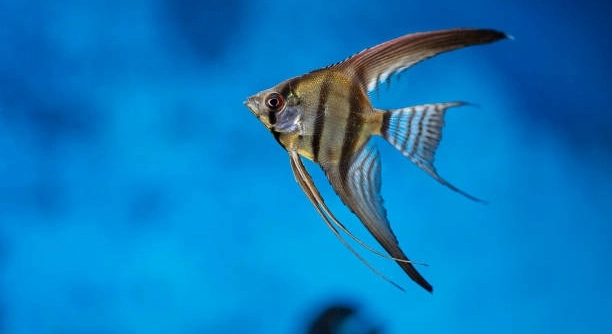
Angelfish are known for their graceful nature and vibrant appearance, but sometimes, they may seem more aggressive in the morning. This behavior can puzzle many aquarium owners, leaving them wondering about the cause behind it.
There are several possible explanations for this aggression. These include factors like territorial behavior, hunger, lighting conditions, and stress, all of which can affect your angelfish’s mood. Additionally, their natural instincts and social structure may contribute to this pattern.
Understanding these potential causes can help you improve the environment for your angelfish. By addressing these factors, you can reduce their aggression and foster a more peaceful aquarium environment.
Territorial Behavior in Angelfish
Angelfish can become aggressive due to territorial instincts. In the wild, they defend their space and resources, which they often carry into captivity. Early in the morning, when the aquarium is quieter, angelfish may become more territorial. They may aggressively chase away other fish or even their reflection.
Aggressive behavior often intensifies when there are other fish in the tank that they perceive as competitors. Providing plenty of hiding spots can ease some of this tension by allowing each fish to retreat to their own space.
If your angelfish is showing territorial aggression, it’s helpful to rearrange the tank decorations occasionally. This disrupts their sense of ownership over certain areas and can lead to less frequent aggressive displays. Additionally, ensuring there’s enough space for all the fish to thrive can minimize territorial disputes. Fish that feel crowded or threatened may act out, especially in the morning when they’re more active after a night of rest.
Hunger and Feeding Habits
Feeding habits play a significant role in morning aggression. Angelfish, like many species, are hungry after fasting overnight.
When they see food in the tank, their natural instinct to compete for resources can trigger aggression. It’s not unusual for angelfish to exhibit dominant behavior when feeding time arrives, even if the tank is large enough. They may chase other fish away, trying to get the first bite. Ensuring a consistent feeding schedule can help reduce this behavior.
You can also feed them in separate locations or add food gradually. This gives all the fish a chance to feed without engaging in aggressive competition. Over time, they may associate feeding time with less stress, leading to a more peaceful aquarium environment.
Lighting Conditions and Morning Aggression
Angelfish are sensitive to lighting, and changes in light intensity can affect their behavior. Bright lighting can make them feel more exposed, triggering defensive or aggressive actions. This is especially true during the morning when they first encounter the light after a night of darkness.
Fish often react strongly to lighting changes, and it can lead to heightened aggression. The bright lights that flood the tank in the morning signal the start of their active period. This shift in lighting can make them feel the need to establish dominance. The aggression may be aimed at their tank mates or perceived threats, such as their own reflection.
If you notice your angelfish are more aggressive in the morning, consider using a dimmer light or adjusting the timing of when the lights come on. A gradual transition from dark to light can reduce the stress caused by sudden exposure. By carefully managing the lighting, you can help calm your fish and prevent aggression.
Stress and Environmental Changes
Stress is a major factor that can lead to aggressive behavior in angelfish. Environmental changes, such as adding new fish or altering the tank’s temperature, can increase stress levels. This stress often manifests in morning aggression when the fish are more alert and active.
Any changes to the tank’s water parameters, like fluctuations in temperature or pH, can create discomfort for the angelfish. In response, they may act aggressively towards other fish or even their environment. Stress can also be caused by overcrowding, poor water quality, or sudden changes in routine. Even minor disruptions can trigger defensive behaviors.
To minimize stress, it’s important to maintain stable tank conditions. Regular water changes and monitoring of the tank’s environment can help create a more comfortable space for your fish. Ensuring your angelfish feel secure and are not stressed will help reduce aggressive behavior, especially during the morning.
Breeding Behavior in Angelfish
Angelfish become aggressive during breeding periods. In the morning, they may be more focused on guarding potential spawning sites, which can increase their territorial behavior. This aggression is often directed at other fish or tank mates.
When angelfish are ready to breed, they can become more protective and territorial. The presence of a mate can trigger this behavior, as they attempt to protect the breeding area. This morning aggression may not last long but can be more intense during their breeding cycle.
Water Quality and Its Impact on Behavior
Water quality is crucial for maintaining peaceful behavior in angelfish. Poor water quality can make them uncomfortable, which may lead to aggression. When fish are stressed from poor conditions, they are more likely to act out.
If water quality is not properly maintained, it can lead to discomfort and irritability in your angelfish. They may become aggressive towards other tank mates or objects in the tank. It’s important to regularly test the water for ammonia, nitrites, and nitrates to keep levels safe. Healthy water conditions are essential for reducing aggression and maintaining overall fish health.
Social Hierarchy and Dominance
Angelfish are naturally social creatures, but they establish a social hierarchy in their tank. The morning aggression may be linked to dominance struggles, especially in tanks with multiple angelfish. A dominant fish may assert control early in the day.
Social dynamics play a significant role in how angelfish behave. When there are multiple angelfish in a tank, one will often emerge as the dominant individual. Morning aggression can be the result of these power struggles. The dominant angelfish may chase or display aggression towards others to maintain its position. To reduce these struggles, provide enough space for each angelfish and ensure there are plenty of hiding places to reduce stress.
FAQ
Why are my angelfish more aggressive in the morning?
Angelfish often display heightened aggression in the morning due to factors such as territorial behavior, hunger, lighting conditions, and the natural shift in their active periods. After a long night, they may be more alert and active, which triggers their instincts to protect their space or compete for food. Additionally, angelfish are often more focused on defending their territory in the early morning when the tank is quieter. This aggression usually settles once the fish adjust to their environment for the day.
Can I reduce morning aggression in my angelfish?
Yes, there are several ways to reduce morning aggression. One of the most effective methods is to provide more space for the fish. Ensuring the tank has enough hiding spots, decorations, and separate areas for different fish helps reduce territorial disputes. Additionally, keeping the lighting consistent and using a gradual light increase in the morning can minimize stress. Regular water changes and maintaining a clean environment also contribute to the fish’s overall comfort, which can reduce aggressive behavior.
Does feeding time affect angelfish aggression?
Yes, feeding time can significantly influence aggression. Angelfish are often hungrier after fasting overnight, and the sight of food can trigger competitive behavior. To reduce aggression during feeding, you can feed them in separate areas or spread the food out across the tank. This gives each fish a chance to feed without feeling threatened by others. A consistent feeding schedule also helps establish routine, reducing the stress that might otherwise lead to aggressive behavior.
How does water quality affect angelfish aggression?
Poor water quality can cause discomfort and stress in angelfish, leading to increased aggression. Angelfish are sensitive to changes in their environment, and when water conditions are suboptimal, they may act out. High levels of ammonia, nitrites, or nitrates, as well as inconsistent water temperature or pH, can make the fish feel unsafe. Keeping the water clean through regular testing and maintenance will help reduce the likelihood of aggression. Healthy water promotes better behavior and overall well-being for your fish.
Can I stop my angelfish from becoming aggressive when breeding?
Breeding behavior is natural for angelfish, and aggression is often part of their territorial instincts during this time. While you can’t completely prevent aggression during breeding, providing more space, adding more hiding places, and separating the breeding pair from other fish can help reduce stress. You can also try to control their environment, ensuring they feel secure in their space. It’s important to remember that while aggression can be unsettling, it is typically short-lived and tied to the breeding cycle.
How does lighting affect angelfish aggression?
Lighting plays a significant role in angelfish behavior. Bright lighting can cause stress, as angelfish may feel exposed and vulnerable. In the morning, when the lights first come on, angelfish might react by becoming more aggressive, especially if the transition from dark to light is abrupt. A gradual increase in lighting or using a dimmer light can help alleviate this stress. By controlling the lighting schedule and intensity, you can reduce morning aggression and create a more comfortable environment for your fish.
Is territorial aggression normal for angelfish?
Yes, territorial aggression is a normal behavior for angelfish. In the wild, they establish territories and defend them from other fish. This behavior carries over into captivity, especially when angelfish are placed in tanks with other fish. Morning aggression is often linked to territorial defense, as angelfish may be more alert after a night’s rest. To minimize territorial aggression, make sure there are enough hiding spots and space for each fish to feel secure. It’s also important to avoid overcrowding, as this can escalate territorial disputes.
Can social hierarchy cause aggression in angelfish?
Yes, social hierarchy can contribute to aggression in angelfish. In a tank with multiple angelfish, one fish will usually become dominant. The dominant angelfish may display aggressive behavior to assert its position, particularly in the morning when it is more active. The subordinates may experience aggression as they are pushed out of preferred areas or fed last. Providing enough space, decorations, and hiding spots for all the fish can help reduce the power struggles and give each fish its own territory.
What role does stress play in angelfish aggression?
Stress plays a significant role in aggression in angelfish. Fish that feel stressed are more likely to display aggressive behavior. Stress can be caused by various factors, including poor water quality, overcrowding, sudden changes in the tank environment, or incompatible tank mates. When angelfish are stressed, their natural instinct is to protect themselves and their territory, leading to more aggressive interactions. Reducing stress by maintaining stable water conditions and providing a calm, secure environment can help minimize aggression.
How can I tell if my angelfish are stressed?
Stressed angelfish often show signs such as erratic swimming, hiding frequently, or clamping their fins. They may also exhibit aggressive behavior towards other fish or show a loss of appetite. If the water quality is poor, the fish may appear lethargic or have difficulty breathing. Observing your angelfish carefully can help you identify early signs of stress. By addressing environmental factors such as water quality and tank conditions, you can alleviate stress and reduce aggressive behavior.
Do angelfish become less aggressive as they age?
As angelfish mature, they may become less aggressive in some cases, especially if they have established their territory and social hierarchy. However, some level of aggression is typical throughout their lives, particularly during breeding seasons or if they feel their territory is threatened. Over time, with proper tank management and social balance, the aggression may subside. To minimize aggression, ensure that the tank has enough space, hiding spots, and properly sized tank mates for the angelfish to live harmoniously.
Can overcrowding cause aggression in angelfish?
Yes, overcrowding can cause stress, leading to aggression in angelfish. When there are too many fish in a tank, each one feels the pressure to establish its own territory. This can lead to more frequent and intense aggressive behavior, especially during feeding times or in the morning when they are most active. To avoid overcrowding, ensure your tank is appropriately sized for the number of fish you have. By providing enough space, you can help reduce the stress that often triggers aggression.
Final Thoughts
Angelfish aggression in the morning can be caused by a variety of factors. Territorial behavior, hunger, and natural instincts are the primary reasons why they might act aggressively. This is a common pattern seen in many species, and while it can be concerning, it’s typically not something to worry about in the long term. Understanding why your angelfish act this way can help you manage their behavior and ensure they stay healthy. By knowing the triggers, you can create a more peaceful environment for both your fish and yourself.
One of the best ways to reduce morning aggression is to make sure your angelfish feel secure in their space. Providing enough hiding spots, creating separate territories, and maintaining a clean tank can help minimize stress. Consistent water quality and lighting conditions also play a significant role in reducing aggression. By making these adjustments, you can help prevent unnecessary conflicts and keep your angelfish calm. In some cases, it may also be helpful to avoid adding new fish or making significant changes to the tank during their active periods, as this can increase stress and aggression.
While some aggression is natural, especially during breeding, there are many strategies to manage it effectively. Keeping the tank well-maintained, providing ample space, and addressing any social dynamics between the fish will go a long way in reducing morning aggression. With these steps, your angelfish can live comfortably, and you can enjoy watching them without worrying about constant conflicts.

Hello,
If you enjoy the content that we create, please consider saying a "Thank You!" by leaving a tip.
Every little bit helps us continue crafting quality advice that supports the health, happiness, and well-being of pets around the world, for pets of all shapes, sizes, and species.
We really appreciate the kindness and support that you show us!