
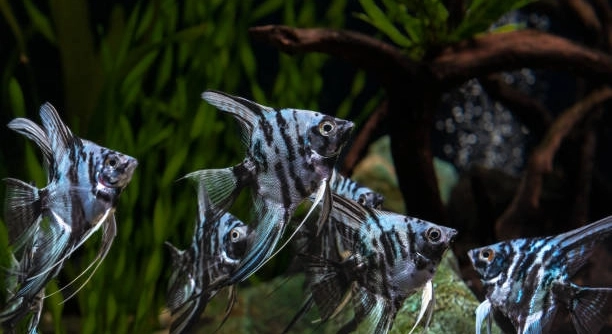
If your angelfish is acting sluggish, it could be a sign that something isn’t quite right. Angelfish are typically active and curious, so any change in behavior is worth investigating. Let’s explore some common reasons behind this issue.
The main causes of lethargy in angelfish often include poor water quality, incorrect water temperature, inadequate diet, stress, or underlying health issues. Identifying and addressing these factors can help restore your fish to its usual energetic state.
Making sure your angelfish is in the best environment is essential for their well-being. Understanding the reasons behind their lethargy can lead to effective solutions that keep them happy and healthy.
Poor Water Quality
Water quality is the most common reason why your angelfish might be acting lethargic. If the tank’s water is not properly filtered or maintained, your fish can easily become stressed. Angelfish are sensitive to changes in their environment, so poor water conditions can affect their health in many ways. Ammonia, nitrites, and nitrates build up in the tank, creating toxins that harm the fish. If the water is too dirty, it can lead to a weakened immune system, making the angelfish more susceptible to disease.
To fix this issue, test the water regularly to make sure the levels of ammonia, nitrites, and nitrates are in the safe range. Perform water changes as needed and make sure the tank filter is working properly. You may also want to add live plants, as they help absorb excess nutrients, improving water quality. Keeping the tank clean will help your angelfish feel comfortable and active again.
Maintaining stable water conditions is essential. Test kits and routine water changes are the easiest ways to ensure your fish’s environment is safe.
Incorrect Water Temperature
Angelfish are tropical fish, and they thrive in water temperatures between 76°F and 82°F (24°C to 28°C). If the water temperature drops too low or rises too high, your angelfish may become sluggish and stressed. Cold water slows down their metabolism, making them less active, while hot water can cause them to become overwhelmed and weak. Both extremes can impact their health, leading to lethargy and other issues.
Investing in a reliable aquarium heater and thermometer will allow you to maintain a consistent temperature. Avoid placing the tank near drafts or heat sources, as this can cause fluctuations. A stable temperature will help your angelfish stay active and healthy, reducing stress and the risk of illness.
A consistent water temperature ensures your angelfish stays active and happy. You can adjust the heater or move the tank to regulate it better.
Poor Diet
A poor diet can lead to lethargy in angelfish. If they are not getting the right balance of nutrients, they may lack energy and become sluggish. Angelfish need a variety of foods, including high-quality flakes, pellets, and occasional live or frozen foods, like brine shrimp or bloodworms.
Feeding them only one type of food can lead to deficiencies in important vitamins and minerals, affecting their health. Angelfish are omnivores, so they need both plant and animal-based foods for a balanced diet. Overfeeding can also lead to uneaten food decomposing in the tank, which affects water quality.
To improve their diet, rotate between different food types, ensuring they receive all essential nutrients. Avoid overfeeding, as excess food can pollute the water and stress the fish. A healthy, varied diet will keep your angelfish energetic and vibrant.
Stress
Stress is another common reason for lethargy. Angelfish are sensitive to changes in their surroundings, and stress can arise from various sources, like tankmates, lighting, or sudden changes in water conditions. Aggressive fish or overcrowding can make them feel unsafe, leading to a lack of energy.
Make sure your angelfish has peaceful tankmates that aren’t too aggressive. Keep the number of fish appropriate for the tank size, as overcrowding can cause stress. Inadequate hiding spaces can also make your fish feel vulnerable, so consider adding plants or decorations where they can retreat.
To reduce stress, aim for a peaceful tank environment with proper care routines. This will allow your angelfish to feel secure, reducing their lethargy. A calm and stable environment is key for their health.
Illness or Disease
Illness is a common reason for lethargy in angelfish. Bacterial, fungal, or parasitic infections can make your fish act sluggish, lose their appetite, or hide more than usual. Look for signs like spots, lesions, or changes in their fins or gills.
If you notice these symptoms, it’s best to quarantine the sick fish to prevent the spread of infection. Research the specific disease to find out the right treatment, which may include antibiotics or antifungal medications. Prompt treatment can help your angelfish recover and regain their energy.
Improper Tank Setup
An improper tank setup can cause stress and lethargy in angelfish. A tank that’s too small or lacks appropriate filtration can lead to poor water quality and lower oxygen levels. Angelfish need a minimum of 30 gallons to thrive.
Ensure your tank is big enough for your fish, with proper filtration to keep water clean and oxygenated. Add live plants for natural filtration and a more stimulating environment. A well-set-up tank will help your angelfish feel comfortable and active.
Overcrowding
Overcrowding your tank can lead to stress, poor water quality, and lack of space for angelfish to swim. If there are too many fish in the tank, the angelfish may feel cramped and their behavior could change.
Maintaining an appropriate fish-to-water ratio is key to preventing overcrowding. Make sure there’s enough space for each fish to swim freely. Reducing the number of fish can also improve water quality, helping your angelfish feel less stressed and more energetic.
FAQ
Why is my angelfish staying at the bottom of the tank?
Angelfish that stay at the bottom of the tank may be experiencing stress, illness, or poor water quality. If the tank’s water conditions aren’t ideal, your fish might feel weak or lethargic, leading them to stay near the bottom. A sudden drop in temperature or lack of oxygen could also cause them to seek shelter in lower parts of the tank. Additionally, aggressive tankmates can make your angelfish feel unsafe, causing them to hide more. Check the water quality, temperature, and ensure your fish has enough hiding spots or peaceful tankmates to prevent this behavior.
How can I improve my angelfish’s appetite?
If your angelfish is not eating, it may be due to stress, poor water quality, or illness. Start by addressing any environmental issues, like making sure the water is clean and within the right temperature range. Offer a variety of high-quality food, such as flakes, pellets, or live/frozen foods like brine shrimp or bloodworms, to entice your fish. If the problem persists for several days, it could be a sign of illness, and you may need to quarantine the fish and treat it with the appropriate medication.
How do I know if my angelfish is stressed?
Stressed angelfish often display certain behaviors such as hiding, swimming erratically, or staying at the bottom of the tank. They might also refuse food, show rapid gill movement, or even exhibit faded colors. Stress in angelfish can result from poor water conditions, aggressive tankmates, or overcrowding. By ensuring the water quality is balanced, providing adequate hiding spots, and selecting peaceful tankmates, you can reduce the risk of stress and keep your angelfish happy and active.
Is it normal for angelfish to swim upside down?
Swimming upside down is not normal behavior for angelfish and can indicate a problem. This could be a sign of swim bladder disorder, which can be caused by overfeeding, constipation, or an underlying illness. If your angelfish is exhibiting this behavior, try feeding smaller portions, offering a variety of food, and ensuring the water conditions are ideal. If the issue persists, it’s best to consult a veterinarian or an expert in aquatic health for further advice and treatment.
Can I put other fish with angelfish?
Yes, you can keep other fish with angelfish, but it’s important to choose compatible tankmates. Angelfish can be semi-aggressive, especially when breeding or defending territory. It’s best to pair them with peaceful fish that won’t stress them out or compete for food. Good tankmates for angelfish include other peaceful community fish, such as tetras, gouramis, or peaceful bottom dwellers like corydoras catfish. Avoid small fish that might become a target or fin-nippers, like some species of barbs or bettas.
How often should I feed my angelfish?
You should feed your angelfish once or twice a day, giving them only as much food as they can consume in about 2-3 minutes. Overfeeding can lead to water quality issues, which will stress the fish. Offering a variety of foods, including flakes, pellets, and occasional live or frozen foods, will ensure they get all the nutrients they need. If you notice uneaten food floating around, remove it immediately to avoid polluting the water.
How can I prevent disease in my angelfish?
The best way to prevent disease in your angelfish is by maintaining a clean and stable tank environment. Regular water changes, proper filtration, and keeping the water temperature within the right range are essential. Quarantine new fish before adding them to your tank to avoid introducing pathogens. Additionally, feeding your angelfish a balanced diet and keeping their stress levels low will help boost their immune system, making them less prone to infections. Monitoring your fish regularly for signs of illness will allow you to act quickly if any problems arise.
Why is my angelfish’s color fading?
Fading color in angelfish can be a sign of stress, poor diet, or health issues. Stress from aggressive tankmates, overcrowding, or poor water conditions can cause your fish to lose their vibrant colors. Additionally, a lack of proper nutrition, such as missing essential vitamins or minerals, can lead to pale or dull coloring. Ensuring that your angelfish has a varied diet, a stable tank environment, and peaceful tankmates will help bring back its natural vibrancy.
How can I improve the water quality in my tank?
To improve water quality, ensure your tank has a good filtration system that can handle the size of the tank and the number of fish. Regular water changes—about 25-30% every 1-2 weeks—are crucial to removing toxins like ammonia, nitrites, and nitrates. Test the water regularly to check pH, ammonia, nitrite, and nitrate levels, and adjust accordingly. Adding live plants can also help improve water quality by absorbing excess nutrients. Make sure your tank is not overcrowded, as this can strain the filter and lead to poor water conditions.
How long do angelfish live?
Angelfish typically live for 10-12 years in a well-maintained aquarium. Factors like water quality, diet, tankmates, and overall care can influence their lifespan. Providing a stable environment, proper nutrition, and regular maintenance will help ensure your angelfish live a long, healthy life. Keeping an eye on their behavior and health will allow you to catch any potential issues early, helping to extend their life.
Final Thoughts
Lethargy in angelfish can be concerning, but it’s usually a sign that something in their environment needs attention. Whether it’s poor water quality, incorrect temperature, stress, or illness, addressing these issues early can help your angelfish recover quickly. Regular water testing, maintaining a proper diet, and creating a peaceful environment are the best ways to ensure your angelfish stay healthy and active. By monitoring their behavior and making necessary adjustments, you can prevent problems before they become serious.
It’s important to be proactive when caring for your angelfish. Regularly check water quality, maintain a stable temperature, and offer a varied diet. This will help prevent issues like lethargy from arising in the first place. In addition to water changes and feeding routines, keeping an eye on their tankmates and overall tank setup will also go a long way in reducing stress. Keeping things consistent helps your angelfish thrive and ensures they stay vibrant and active for years.
If your angelfish remains lethargic despite addressing common causes like water quality and stress, it might be time to consult an expert or a veterinarian specializing in fish care. Illnesses and diseases can often cause subtle changes in behavior, and the sooner they are treated, the better the chances of recovery. With proper care and attention, angelfish can live long and healthy lives, providing joy and beauty to your aquarium.

Hello,
If you enjoy the content that we create, please consider saying a "Thank You!" by leaving a tip.
Every little bit helps us continue crafting quality advice that supports the health, happiness, and well-being of pets around the world, for pets of all shapes, sizes, and species.
We really appreciate the kindness and support that you show us!