
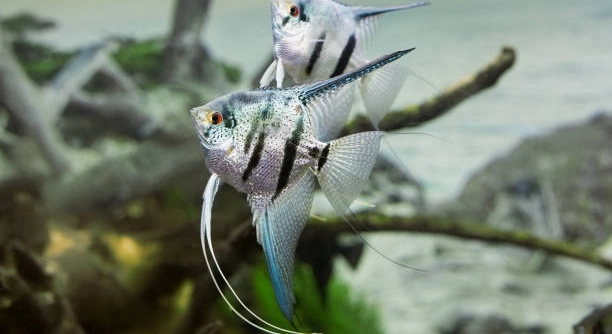
Angelfish are known for their beauty and calm nature, but sometimes they can display aggressive behavior, especially when interacting with their reflection. This behavior can be surprising and concerning for many fish owners.
Angelfish act aggressively toward their reflection due to territorial instincts, stress, or confusion. The reflection may trigger them to defend their space, thinking it’s another fish, or it may be a sign of environmental issues affecting their well-being.
Understanding the reasons behind this behavior can help you address the situation and improve your angelfish’s environment. Let’s explore the seven possible causes and how you can handle them.
Territorial Instincts and Reflection
Angelfish are naturally territorial creatures. When they see their reflection in the tank, they might mistake it for another angelfish intruding on their space. This is especially common when the fish feel their territory is threatened. They may display aggressive behaviors like chasing, flaring their fins, or even attempting to nip at the reflection. These instincts are normal in the wild, as fish are often protective of their home and resources.
However, when this behavior is triggered by a reflection, it can cause unnecessary stress. Angelfish might become overly aggressive, leading to exhaustion or even injury. If your angelfish constantly sees its reflection, it may develop unhealthy habits that affect its overall well-being.
One way to reduce this is to rearrange the decorations in the tank or cover the area where the reflection appears. If the fish is unable to see its reflection, it can reduce territorial aggression and help maintain peace within the tank.
Stress and Environmental Factors
Stress can also play a major role in aggressive behavior. Angelfish thrive in stable, clean environments, and any disruptions can cause them to become more easily agitated. Poor water quality, sudden temperature changes, or overcrowding in the tank can trigger stress, which might amplify aggressive tendencies. When an angelfish feels stressed, it may mistake its reflection as a threat, leading to excessive aggression.
To avoid this, make sure the water quality is consistently monitored and maintain a proper balance of fish in the tank. Regular water changes and keeping the tank clean can help reduce stress. Creating a comfortable environment with plenty of hiding spots can also help the angelfish feel more secure.
By making sure your angelfish’s environment is ideal, you’ll be less likely to see aggressive behavior triggered by stress. This is especially important if you want your fish to remain calm and happy. The combination of stable water conditions and proper tank setup plays a significant role in minimizing any issues with reflections or aggression.
Lack of Space in the Tank
Angelfish need plenty of space to swim around and establish their territories. If the tank is too small or overcrowded, they may become stressed and defensive. This can result in aggressive behavior toward their reflection, as the fish feels cramped and threatened.
When an angelfish has limited space, it often perceives its reflection as another competitor for resources or territory. A small tank can prevent your fish from getting enough exercise or settling into a comfortable area, making it more prone to reacting aggressively. Ensuring that your angelfish has enough room can reduce this behavior.
A general rule of thumb is to provide at least 20 gallons of water for each angelfish. This gives them room to explore and claim a territory without feeling too stressed. A larger tank with proper filtration and enough space can help your angelfish live a happier, more relaxed life.
Poor Tank Maintenance
Dirty water is one of the leading causes of stress in fish. When the tank is not properly cleaned, it can lead to poor water quality, which in turn can cause angelfish to become agitated. This can trigger aggression, especially toward their reflection.
Maintaining good water quality involves regular water changes, cleaning the substrate, and ensuring proper filtration. When angelfish are exposed to ammonia, nitrites, or other pollutants, they may start acting aggressively due to the stress. Keeping the tank clean not only helps reduce aggression but also promotes overall health for your fish.
Additionally, regular testing of water parameters like pH, hardness, and temperature is crucial. If any of these levels are off, it can lead to discomfort for your angelfish. Keeping the water clean and balanced will help create a stable environment where your angelfish feel secure, reducing the likelihood of aggressive behavior.
Mating Behavior
Angelfish can become aggressive during mating seasons. If they see their reflection, they may interpret it as a rival competing for a mate. This can trigger defensive and aggressive behaviors toward the image in the glass.
Mating rituals are a natural part of angelfish life. During this time, they can be very protective and territorial, which often leads to an increase in aggression. If there are no real threats around, the reflection serves as the next best target. It’s important to monitor the tank during breeding periods.
To prevent this, consider adding more hiding spaces or visual barriers, which can reduce the chances of them seeing their reflection. This may help lessen any territorial disputes, keeping your fish calm.
Overfeeding
Overfeeding can contribute to tank issues that lead to aggression. Excess food left in the tank can decay, affecting water quality and causing stress for your angelfish. This stress might prompt them to act aggressively, even toward their reflection.
Overfeeding can lead to more than just poor water quality—it can create a messy environment, which makes your angelfish feel uncomfortable and unsafe. They may lash out due to the stress of living in a polluted tank. Proper feeding amounts, along with regular cleaning, can reduce this problem significantly.
Lack of Visual Barriers
Angelfish thrive in environments with plenty of visual barriers, such as plants, rocks, or decorations. Without these barriers, they can constantly see their reflection in the tank. This constant exposure might trigger aggression, as they believe the reflection is an intruder.
Providing hiding spots and plant coverage can create a more comfortable environment. When angelfish feel that their space is secured by these barriers, they are less likely to focus on reflections and more likely to engage in peaceful behavior.
FAQ
Why does my angelfish act aggressively toward its reflection?
Angelfish are territorial by nature, and when they see their reflection, they might mistake it for another fish invading their space. This can cause them to act defensively. This behavior is especially common in tanks where the angelfish feels the need to protect its territory or breeding space. Other factors like stress, poor water quality, or overcrowding can also contribute to this aggressive behavior. The key is to identify the root cause and address it, whether through environmental adjustments or better tank care.
Can my angelfish hurt itself from aggression toward its reflection?
Yes, excessive aggression toward a reflection can stress your angelfish, leading to physical damage like fin injuries, exhaustion, or even a weakened immune system. Constantly fighting a reflection can also result in mental stress that can affect the fish’s overall health. To prevent injury, you should work on minimizing their exposure to reflections or stressors in the tank. This can be achieved by rearranging decorations or adding visual barriers to hide the reflection.
How can I stop my angelfish from attacking its reflection?
One of the simplest ways to stop your angelfish from attacking its reflection is by reducing the visibility of the reflection. You can do this by rearranging the tank’s decorations, placing plants or other structures that block the reflection. Alternatively, using a tank background can help reduce the amount of visible light, which often causes reflections. You can also try covering the sides of the tank with paper or cloth temporarily until the behavior improves.
Is it bad if my angelfish is constantly attacking its reflection?
Constant aggression toward a reflection can be stressful for your angelfish. Over time, it can lead to physical harm and overall poor health. Stress from this behavior can also make your fish more susceptible to diseases. If you notice this behavior persisting, it’s crucial to address the issue. Keep in mind that while territoriality is normal, excessive stress from aggression can be harmful in the long run.
Can other fish in the tank be affected by an angelfish’s aggression?
Yes, other fish in the tank can be affected by an angelfish’s aggressive behavior, especially if the angelfish is constantly attacking its reflection. The stress caused by the angelfish’s behavior can spread to other fish, making them anxious or even more territorial. Additionally, if the angelfish gets overly stressed, it might direct its aggression toward the other tank mates. It’s important to maintain a peaceful environment and observe the behavior of all fish in the tank to ensure harmony.
Should I remove the reflection from the tank completely?
It’s not necessary to remove the reflection entirely, but you can reduce its visibility. Rather than covering the entire tank or removing the glass, you can try simple tricks like adding more decorations or using a background. This will help reduce the angelfish’s exposure to the reflection while still allowing the tank to be visually appealing. You might also consider using opaque materials to cover the sides of the tank temporarily to break the line of sight.
How often should I clean my tank to prevent aggression?
Regular tank cleaning is essential to avoid stress-related aggression. Aim to perform partial water changes every week, removing excess debris and checking water quality. Cleaning the substrate, checking the filter, and monitoring the water parameters—such as temperature, pH, and ammonia levels—are all crucial for keeping the environment stable. Poor water quality is a common cause of stress, so maintaining cleanliness can reduce the chances of your angelfish becoming aggressive, either toward its reflection or other fish.
Can lighting affect my angelfish’s aggression toward its reflection?
Yes, lighting plays a significant role in creating reflections in the tank. If your tank has direct light shining on it, this can increase the chances of your angelfish seeing its reflection. Try using diffuse lighting or positioning your tank away from bright light sources to minimize reflections. Changing the light schedule so it’s not too bright at all times can also help. By reducing the lighting, you can create a more relaxed environment for your angelfish.
Can adding more angelfish help with aggressive behavior?
Adding more angelfish can help in certain situations, but it’s not always the best solution. If the aggression is directed toward a reflection and not other fish, adding more angelfish could escalate territorial issues, leading to more conflict. However, if you have a male and female angelfish, introducing another one of the opposite sex might help with breeding behavior rather than territorial aggression. Always ensure that the tank is large enough and that the water conditions are ideal before introducing more fish.
Are there any long-term effects of aggressive behavior in angelfish?
Long-term aggression can lead to several issues, including physical harm, stress, and weakened immune function. Chronic stress can also lower an angelfish’s lifespan and make it more susceptible to diseases. It’s important to address aggressive behaviors early by adjusting the environment and ensuring that all aspects of tank care are optimal. A happy, healthy angelfish is less likely to display aggressive behaviors, so maintaining a balanced environment is key to avoiding long-term problems.
Final Thoughts
Angelfish are beautiful and peaceful creatures, but their aggressive behavior toward their reflection can be unsettling for aquarium owners. Understanding the root causes of this behavior is the first step in resolving it. Territorial instincts, stress, poor tank conditions, or even mating instincts can all lead to the fish acting aggressively toward its own reflection. Recognizing these factors allows you to make the necessary adjustments to create a more peaceful environment for your angelfish.
The good news is that there are many ways to reduce or eliminate aggressive behavior. Rearranging the tank’s decorations or adding plants can help block the reflection, so your angelfish doesn’t feel the need to protect its space from an imaginary intruder. Improving water quality, avoiding overcrowding, and providing more space can also alleviate stress and make your fish feel safer. These simple changes can go a long way in promoting a healthier, more relaxed environment for your angelfish and other tank inhabitants.
Taking these steps ensures that your angelfish not only stops attacking its reflection but also improves its overall health and happiness. Regular maintenance, like cleaning the tank and monitoring the water parameters, is key in preventing stress. While it may take some time to see changes, creating a well-balanced, stable environment is the most effective solution. Your angelfish will thrive, and you’ll be able to enjoy watching their graceful movements without the concern of aggression.

Hello,
If you enjoy the content that we create, please consider saying a "Thank You!" by leaving a tip.
Every little bit helps us continue crafting quality advice that supports the health, happiness, and well-being of pets around the world, for pets of all shapes, sizes, and species.
We really appreciate the kindness and support that you show us!