
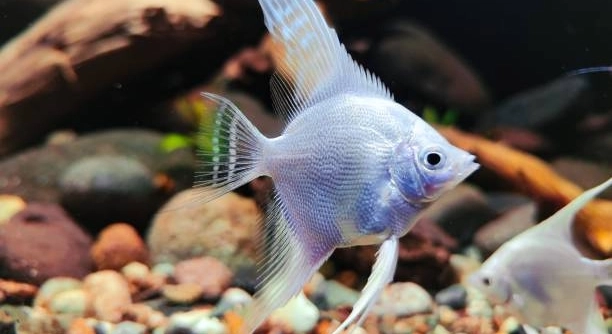
Angelfish are beautiful and delicate creatures that can sometimes experience bloating. This condition can be uncomfortable for them and alarming for fish owners. Understanding the causes of bloating can help prevent and manage it more effectively.
Bloating in angelfish is often caused by factors like overfeeding, poor water quality, or internal infections. Stress, an improper diet, and certain parasites can also contribute to this issue, affecting the fish’s overall health and well-being.
By understanding the causes of bloating, you can keep your angelfish healthy and happy. We will go over the key factors that might be affecting your fish and provide tips on how to prevent bloating from occurring.
Overfeeding Angelfish
Angelfish are sensitive eaters, and overfeeding is one of the most common causes of bloating. When fish are fed too much food, they struggle to digest it properly. This results in undigested food accumulating in their stomachs, leading to bloating. Over time, it can cause health problems, including internal organ damage. This can be especially true for angelfish, who are more likely to eat past their limits when food is readily available. Bloating from overfeeding also affects their behavior, making them lethargic and less active in the tank.
A good practice is to feed angelfish only as much as they can consume in a few minutes. This helps prevent overeating and promotes better digestion. The goal is to maintain a balanced feeding schedule to avoid excessive food buildup in their system.
Another factor to consider is the type of food being offered. Some foods, particularly those high in fiber or rough texture, may contribute to bloating when consumed in large quantities. High-protein foods can also be problematic, especially if fed in excess. To reduce bloating risks, provide a variety of foods in controlled amounts, and avoid overfeeding at any time.
Poor Water Quality
Poor water quality is a key factor in bloating. If the water conditions are not ideal, it can stress your angelfish and affect their digestive system. The buildup of ammonia, nitrites, and nitrates can harm the fish, causing various health issues, including bloating.
When the water in the tank becomes polluted, it weakens the fish’s immune system. This makes them more prone to infections that can lead to bloating. Regular water changes and proper filtration are necessary to maintain good water quality. Additionally, check for appropriate water temperature and pH levels to ensure the angelfish remain comfortable. Keeping the tank clean and testing the water regularly will help avoid these problems.
Staying on top of water quality is one of the easiest ways to prevent bloating. Regular maintenance of the tank, such as cleaning the substrate and ensuring the filter is functioning properly, can significantly reduce health issues.
Stress and Anxiety
Stress is another major factor contributing to bloating in angelfish. A sudden change in their environment or interactions with other fish can cause them to become stressed. When fish are anxious, their digestive systems can become affected, leading to bloating.
Angelfish may become stressed due to a variety of factors, such as being in a tank that is too small or overcrowded. Poor tankmates or aggressive fish can also create anxiety. When angelfish feel threatened, their bodies may react by slowing down digestion, which results in bloating.
In addition to the physical impacts, stress lowers their immune response. This can make the fish more vulnerable to diseases, further complicating bloating. Keeping the tank environment peaceful, with compatible fish and plenty of space, can help minimize stress and reduce the risk of bloating.
Internal Infections
Internal infections are another cause of bloating. When angelfish get bacterial or parasitic infections, their stomachs may expand due to the infection. These conditions often require medical treatment to manage properly.
The most common internal infections include swim bladder disease and bacterial infections that affect digestion. Both can cause bloating, along with symptoms like lethargy and loss of appetite. If an angelfish is showing these signs, it’s important to act quickly and isolate the fish to avoid spreading the infection.
To help prevent internal infections, maintain good water quality and monitor the health of the fish closely. Treating infections early can stop them from progressing into more serious issues like bloating or organ damage. Using medicated food or water treatments is often necessary to address these concerns effectively.
Poor Diet
A poor diet can contribute to bloating in angelfish. If they aren’t receiving the right balance of nutrients, their digestive system may struggle to process food properly. This can lead to excess food in their stomachs, causing bloating.
Feeding angelfish too much of the same type of food, especially if it’s low in nutritional value, can cause digestive issues. Foods that are too rich in fillers or lack essential vitamins can lead to digestive problems. Offering a varied diet of high-quality flakes, pellets, and occasional live foods helps prevent this issue.
Overcrowded Tank
An overcrowded tank can also cause bloating in angelfish. When fish are packed too closely together, it creates stress, limits space for movement, and can lead to digestive issues. The more fish in a tank, the harder it becomes to maintain proper water quality.
Overcrowding increases waste, which leads to poor water quality. This, in turn, adds stress and may cause digestive issues that contribute to bloating. It’s essential to keep the fish population at a manageable level, ensuring the angelfish have plenty of space and less environmental stress.
Medications and Treatments
Medications and treatments used to treat other conditions may also cause bloating in angelfish. Some treatments can affect their digestive system, leading to gas buildup or water retention.
While necessary for treating certain illnesses, medications can disrupt the digestive process. If your angelfish are undergoing treatment, it’s important to monitor their health closely. If bloating occurs after starting treatment, adjust the dosage or consult a vet for an alternative.
FAQ
How do I know if my angelfish is bloated?
A bloated angelfish typically shows visible signs of swelling in the abdomen. You may notice their stomach looking unusually large, and in severe cases, the fish might appear to have trouble swimming or moving. Other signs to watch for include a loss of appetite, lethargy, or unusual swimming patterns. If your fish is showing any of these symptoms, it could be a sign of bloating.
It’s important to pay attention to any behavioral changes as well. A normally active angelfish may seem sluggish or hide more than usual. This can indicate discomfort or stress, often associated with bloating. Observing your fish closely will help you spot bloating early.
What should I do if my angelfish is bloated?
If you notice that your angelfish is bloated, the first step is to check the water quality. Ensure that ammonia, nitrites, and nitrates are at safe levels. If the water conditions are poor, perform a water change and clean the tank. If water quality isn’t the issue, consider reducing their food intake or switching to a different type of food.
You should also isolate the fish in a separate quarantine tank if possible. This will prevent stress from tankmates and allow you to monitor the bloating more closely. In more severe cases, you might need to treat the fish with appropriate medications or consult with a vet for a more accurate diagnosis and treatment.
Can bloating be a sign of a more serious illness?
Yes, bloating in angelfish can sometimes be a symptom of a more serious condition, such as internal infections, parasites, or even organ failure. It’s especially concerning if the bloating is accompanied by other symptoms like lethargy, swimming difficulty, or discoloration.
If you suspect a more serious illness, it’s best to seek the advice of a professional. A vet specializing in fish health can offer the right diagnosis and treatment plan. Some conditions, such as internal parasites, can require specific treatments to resolve the issue and prevent further complications.
How can I prevent bloating in my angelfish?
To prevent bloating in your angelfish, start by maintaining proper tank conditions. This includes regular water changes, testing water parameters, and using a quality filtration system. Ensure that your angelfish have enough space to swim and aren’t living in an overcrowded tank.
Feeding is also important. Avoid overfeeding your angelfish, and make sure you’re offering them a balanced diet that includes various types of food. Remove any uneaten food after a few minutes to prevent it from decomposing in the tank, which can lead to water quality issues.
What is the best diet for preventing bloating in angelfish?
A varied diet is essential for preventing bloating in angelfish. High-quality flake or pellet foods should be the staple of their diet, supplemented with live or frozen foods like brine shrimp, daphnia, or bloodworms. Offering a mix of proteins and fiber will help with digestion and reduce the risk of bloating.
Avoid feeding them too much of any one food, especially high-fat options, as this can cause digestive problems. Make sure to feed only as much as your fish can eat in a few minutes. Regular, balanced feeding routines are key to their overall health and preventing bloating.
Can bloating be caused by stress in angelfish?
Yes, stress is a common cause of bloating in angelfish. Stress can come from various factors such as poor water quality, overcrowding, or aggressive tankmates. When an angelfish is stressed, its digestive system may become impaired, leading to bloating. Stress also weakens their immune system, making them more susceptible to infections.
To minimize stress, ensure that your tank has enough space for the fish to move freely. Provide hiding spots and maintain a peaceful environment. Regular water changes and avoiding aggressive fish can also help reduce stress levels in your angelfish.
Can bloating be caused by a parasite in angelfish?
Yes, parasites are one of the potential causes of bloating in angelfish. Internal parasites like tapeworms or roundworms can infect the digestive tract, leading to swelling or bloating. Parasites can also cause other symptoms, such as abnormal swimming, loss of appetite, and weight loss.
If you suspect parasites, you may need to treat the fish with medicated food or water treatments. It’s important to isolate the affected fish to prevent the spread of the parasites to other fish in the tank. A veterinarian can help confirm the presence of parasites and recommend the best course of treatment.
Is it possible for bloating to resolve on its own?
In some cases, bloating may resolve on its own if it’s caused by minor factors like overfeeding or temporary stress. Reducing food intake, improving water quality, and giving your fish some time to recover might be all that’s needed for the bloating to subside.
However, if the bloating persists for several days or is accompanied by other concerning symptoms, it’s important to take action. Consult a vet or treat the fish for any underlying issues to prevent further complications. Early intervention can make a big difference in recovery.
Should I avoid feeding my angelfish for a while if they’re bloated?
Yes, temporarily withholding food from your angelfish may help them recover from bloating, especially if the bloating is due to overfeeding or indigestion. Give them a break from food for a day or two to allow their digestive system to rest and recover.
After that, resume feeding with smaller portions and monitor their condition. Make sure the food you’re offering is appropriate for their digestive needs. If bloating continues despite withholding food, it may indicate a more serious issue that requires medical attention.
Final Thoughts
Bloating in angelfish is a common issue that can often be managed with simple changes in their environment or diet. While it can be alarming to see your fish experiencing discomfort, understanding the potential causes of bloating is the first step in addressing the problem. Many times, bloating can be traced back to overfeeding, poor water quality, or stress. By paying attention to these factors and making necessary adjustments, you can help reduce the chances of bloating occurring in the first place.
If your angelfish does become bloated, it’s important to act quickly to determine the cause. Start by checking the water quality and making sure it’s clean and well-maintained. Fish are sensitive to changes in water conditions, and poor water quality can lead to various health issues, including bloating. Additionally, controlling the amount and type of food you provide is crucial. Overfeeding is a common mistake, but reducing food portions and providing a balanced diet can help prevent digestive problems.
Lastly, while bloating can sometimes resolve on its own, it’s always better to monitor your angelfish closely and take action if the condition persists. If bloating is accompanied by other symptoms, such as lethargy or unusual swimming, it may be a sign of a more serious underlying condition, such as an infection or parasites. In these cases, isolating the fish and seeking medical advice can make a big difference in their recovery. Keeping a close eye on your angelfish’s health and maintaining a balanced, stress-free environment will ensure that your fish thrive and remain happy in their home.

Hello,
If you enjoy the content that we create, please consider saying a "Thank You!" by leaving a tip.
Every little bit helps us continue crafting quality advice that supports the health, happiness, and well-being of pets around the world, for pets of all shapes, sizes, and species.
We really appreciate the kindness and support that you show us!