
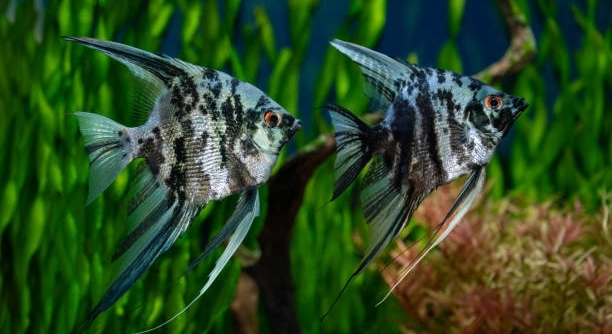
Angelfish are known for their unique behaviors, but one action that might raise questions is their habit of blowing sand around. This intriguing behavior can be puzzling for aquarium owners who are unsure of its cause.
Angelfish blow sand around primarily for reasons related to foraging, territory marking, or even to reduce stress. It can also be linked to water conditions, substrate choice, and their natural instincts. Understanding these factors is key to managing this behavior.
Recognizing these behaviors will help you better understand your angelfish’s actions. Exploring possible causes can lead to improvements in their environment and overall health.
Foraging Behavior and Natural Instincts
Angelfish are naturally inclined to forage for food. In their natural environment, they dig around substrates to find tiny organisms. This instinct often carries over to aquarium settings, where they may blow sand or gravel in an attempt to uncover hidden food particles. It’s simply part of their feeding habits, not a sign of distress or abnormal behavior. The sand-blowing action mimics the search for sustenance in the wild, making it a natural instinct rather than a reaction to anything unusual.
While it might seem excessive at times, this behavior is typically harmless and can even help in keeping their tank environment more active. It’s also a sign that your angelfish is engaged with its surroundings and comfortable within its habitat.
In some cases, angelfish may also use the sand-blowing technique to disturb the tank’s substrate, creating a more comfortable resting area. This behavior can be seen in many fish species that naturally rearrange their surroundings for protection and comfort.
Tank Conditions and Environment
Aquarium setup plays a big role in an angelfish’s behavior.
Water conditions, such as temperature and pH, directly influence their comfort.
Angelfish may blow sand around when the tank’s environment isn’t quite to their liking. Changes in water chemistry or temperature fluctuations can cause them to display unusual behaviors, including blowing sand. Keeping the water within the recommended parameters helps to minimize unnecessary stress, which in turn reduces sand-blowing.
Angelfish are sensitive creatures, and even subtle changes in their habitat can trigger a variety of reactions. If the sand-blowing occurs more frequently after a water change or a tank disturbance, it’s likely a response to stress. Ensuring consistent water quality is crucial for their well-being and helps reduce unwanted behavior.
Substrate Choice and Aquascaping
The type of substrate in your tank can affect your angelfish’s behavior.
If the substrate is too fine or too coarse, it may encourage angelfish to blow sand around. Fine sand or gravel allows them to sift through it more easily, making it tempting to dig and move. On the other hand, larger gravel or rocks can discourage this. Consider using a medium-sized substrate to help minimize unnecessary sand-blowing.
Substrate choice is also important for maintaining healthy water conditions. Some materials, like crushed coral, can increase water hardness, which may affect the fish’s behavior. Choosing a substrate that matches your angelfish’s natural habitat and water preferences will promote more stable behavior.
In aquascaping, be mindful of how decorations or plant placement may influence the fish. Too many obstacles in the tank can make them feel confined, which may lead to stress-induced behaviors like sand-blowing. A balanced aquascaping design provides enough open space for the fish to explore without feeling overcrowded.
Territorial Behavior and Space
Angelfish are territorial and may mark their space in the tank.
When angelfish feel their territory is being encroached upon, they may blow sand around to assert dominance or create boundaries. This behavior is common during breeding seasons or when tank mates intrude on their space. They will use sand and substrate manipulation to create clear markers of their domain.
Angelfish also use this behavior to establish territories before spawning. This can sometimes lead to frequent sand-blowing as they prepare nesting sites or defend their chosen area. It’s a natural instinct to ensure their space is suitable for their needs.
To reduce territorial behavior, it helps to ensure there’s plenty of space in the tank for each angelfish. If you have multiple angelfish or other fish species in the same tank, consider providing several hiding spots or visual barriers to reduce conflicts.
Stress and Anxiety
Stress can lead to odd behaviors in angelfish.
Changes in their environment, such as loud noises, overcrowding, or aggressive tank mates, can cause anxiety. When stressed, angelfish may start blowing sand around as a way to cope. It’s an instinctive reaction to feel more comfortable in their environment.
The more stressful the tank conditions, the more likely they are to engage in sand-blowing. Keeping the tank peaceful, avoiding rapid changes, and offering plenty of hiding spots can help reduce their stress levels.
Feeding Habits
Feeding habits play a role in sand-blowing behavior.
If your angelfish is not getting enough food, it may blow sand around in search of hidden particles. This behavior can be particularly common in tanks where food doesn’t settle evenly or where there’s an inadequate feeding schedule.
Providing a consistent feeding routine, as well as varying the types of food, can help minimize this behavior. Be mindful of the amount and type of food used, as this affects their feeding habits and behavior.
Water Quality
Water quality impacts the behavior of your angelfish.
Unstable or poor water quality can lead to discomfort and stress, causing sand-blowing. Ensure regular water changes and monitor parameters like pH, ammonia, and nitrate levels to keep your angelfish comfortable.
FAQ
Why does my angelfish blow sand around?
Angelfish blow sand around as part of their natural foraging and territorial behavior. They may be searching for food, marking territory, or even rearranging their environment to make themselves more comfortable. It’s a natural instinct that doesn’t typically signal a problem, although it may be influenced by the tank’s environment or water conditions.
How can I stop my angelfish from blowing sand?
To reduce sand-blowing, ensure your angelfish have enough space and a comfortable environment. Consider adjusting the type of substrate to one that is harder to move or adding decorations that limit the area where they can dig. Additionally, monitor water quality and temperature to reduce stress.
Is sand-blowing a sign of stress in angelfish?
Yes, sand-blowing can sometimes be a sign of stress. Changes in the environment, such as fluctuations in water parameters, overcrowding, or aggressive tank mates, can make angelfish feel anxious. This stress can lead them to engage in behaviors like blowing sand. Maintaining stable tank conditions can help prevent this.
Can I change the substrate to reduce sand-blowing?
Yes, changing the substrate can help reduce sand-blowing. Larger gravel or smooth stones can be harder for angelfish to move, minimizing the need to sift through it. However, be mindful that some fish prefer finer sand, so balance the substrate choice with the needs of your aquarium’s inhabitants.
Does blowing sand affect my tank’s water quality?
Blowing sand itself doesn’t directly affect water quality, but the movement of sand can stir up debris and particles, which may affect the filtration system. If sand is disturbed too much, it can cloud the water or clog filters. Regular maintenance, such as cleaning the substrate and ensuring your filter is working properly, will keep the water clean.
What other behaviors might indicate stress in angelfish?
Other signs of stress in angelfish include lethargy, loss of appetite, faded colors, or abnormal swimming patterns. If you notice any of these symptoms alongside sand-blowing, it’s a good idea to check your water conditions and tank environment. Proper care and a stable habitat can help reduce these stress-related behaviors.
Can angelfish blow sand during breeding?
Yes, angelfish may blow sand around when they are preparing for breeding. They often rearrange their environment to create a suitable nesting site. This includes blowing sand or gravel to create a smooth surface for laying eggs. This is a normal behavior during their breeding process.
How often should I clean the substrate in my angelfish tank?
Cleaning the substrate should be done regularly to remove any debris that may accumulate, especially in tanks with fine sand. A good rule of thumb is to clean the substrate every 1-2 weeks, depending on how much waste is produced. A vacuum that reaches the substrate helps remove waste without disturbing the sand too much.
Are there any fish that won’t blow sand around?
Some fish species are less likely to blow sand around, especially those that are more sedentary or do not have the instinct to forage in the substrate. Fish like tetras, guppies, and certain types of catfish are less likely to exhibit sand-blowing behaviors compared to more active species like angelfish.
Do angelfish need to blow sand to stay healthy?
Blowing sand is not necessary for an angelfish’s health. It is a natural behavior, but it doesn’t directly contribute to their physical well-being. However, having a substrate they can interact with does provide mental stimulation, which is important for their overall happiness.
Is sand-blowing harmful to my angelfish?
Generally, sand-blowing is not harmful to the angelfish, as it’s a natural behavior. However, if they are constantly moving the sand and it’s leading to stress or poor water conditions, it may be worth addressing any tank issues. Regular water quality checks and proper tank maintenance can prevent potential problems.
Should I worry if my angelfish is blowing a lot of sand?
If the sand-blowing is excessive, it could indicate that something is wrong with the tank conditions, such as water quality or tank mate conflicts. Observe your angelfish for any other signs of stress or discomfort, and adjust the tank environment accordingly. If it continues, consider changing the substrate or reducing potential stressors.
Can angelfish blow sand if they are not fed enough?
Yes, angelfish that are underfed may blow sand around in search of food. They may instinctively dig or sift through the sand to find hidden food particles. Ensuring they are fed adequately with a balanced diet can help reduce this behavior.
Does sand-blowing help angelfish with their natural instincts?
Yes, sand-blowing allows angelfish to engage with their natural instincts. In the wild, they use this behavior to search for food, protect their territory, or prepare for spawning. Mimicking these behaviors in the tank helps to keep them active and mentally stimulated.
Final Thoughts
Angelfish blowing sand is a natural behavior. While it may seem unusual or even disruptive, it typically isn’t a cause for concern. This behavior is often linked to their instincts, such as foraging, marking territory, or preparing for breeding. Understanding why your angelfish engages in this behavior can help you manage it better and maintain a healthy aquarium environment.
If the sand-blowing becomes excessive or seems linked to stress, it’s important to evaluate your tank conditions. Poor water quality, overcrowding, or aggressive tank mates can all lead to stress, causing your angelfish to act out in different ways, including blowing sand. Maintaining stable water parameters, ensuring the tank isn’t overcrowded, and providing adequate hiding spots for all tank inhabitants can help reduce stress levels. Additionally, providing proper feeding routines and substrate can minimize the chances of excessive sand-blowing.
Overall, sand-blowing in angelfish is usually not harmful. It’s part of their natural behavior and is a sign that they are interacting with their environment. However, if you notice that the behavior is causing problems in your tank, such as cloudy water or filter clogging, it may be worth reassessing the tank setup. With proper care, your angelfish can continue to live happily while engaging in their natural behaviors.

Hello,
If you enjoy the content that we create, please consider saying a "Thank You!" by leaving a tip.
Every little bit helps us continue crafting quality advice that supports the health, happiness, and well-being of pets around the world, for pets of all shapes, sizes, and species.
We really appreciate the kindness and support that you show us!