
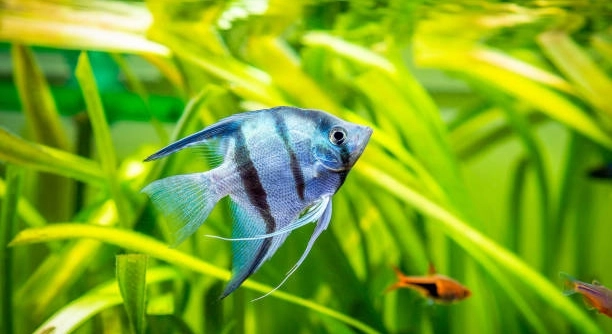
Angelfish are often adored for their beautiful, graceful appearance, but when they refuse to eat their fry, it can be puzzling. Understanding why this behavior occurs is key to maintaining a healthy, thriving aquarium.
There are several reasons why an angelfish might not eat its fry, ranging from stress, improper water conditions, or even environmental factors that influence the fish’s natural instincts. A variety of behaviors, such as overprotectiveness or lack of experience, can also contribute to this issue.
By exploring these possible causes, you’ll gain a better understanding of your angelfish’s behavior and how to encourage healthy fry care.
Stress and Anxiety from Environmental Changes
When angelfish experience stress or anxiety, they may not behave the way we expect, particularly when it comes to caring for their fry. Changes in the tank environment, like sudden shifts in temperature or water parameters, can cause the fish to act erratically. The introduction of new tank mates, loud noises, or even over-crowdedness can also lead to heightened stress levels.
If your angelfish is constantly feeling stressed, it may not feel comfortable enough to focus on caring for its fry. Instead, the fish may retreat into a corner, hide, or even neglect its young. It’s important to maintain a stable and peaceful environment to support the health of both the adult fish and their offspring.
Keeping the tank in ideal conditions will help minimize stress. Regularly monitor the water temperature, pH levels, and ensure there’s enough space for the fish to swim freely. Creating a calm and safe environment promotes healthier, happier fish, leading to better fry care.
Lack of Parental Experience
Angelfish, especially first-time parents, may not know how to care for their fry. Inexperienced fish might feel overwhelmed, unsure of how to protect their young. This is often the case with new breeders who may not have developed the instincts needed to care for fry properly.
Inexperienced angelfish may ignore the fry completely or accidentally harm them. This could be due to their lack of understanding or simply not being accustomed to the responsibility of parenthood. In these situations, the fry may not receive the protection and care they need.
To help with this, try keeping the environment as calm and stable as possible. The angelfish may need time to learn and grow into their role as parents. It’s a process of trial and error, so be patient and allow the fish the space they need to adjust.
Improper Water Conditions
Water quality plays a significant role in angelfish behavior, including fry care. Poor water conditions, like incorrect pH levels, high ammonia, or nitrate levels, can stress the angelfish and make them less likely to tend to their fry. When the water is unhealthy, the fish may focus more on their own survival rather than caring for the young.
Keeping the water clean and stable is essential for both the adult fish and their fry. Regular water changes, maintaining proper filtration, and testing water parameters regularly will help prevent problems that may arise from poor water quality. Healthy, clean water provides a safer environment for both parents and fry, allowing the angelfish to be more attentive to their offspring.
Angelfish are sensitive to water changes, and when they are uncomfortable, they may neglect their fry. Properly maintaining the tank ensures that both the fish and their fry are more likely to thrive.
Poor Nutrition
If an angelfish is not getting the proper nutrients, it may not have the energy to care for its fry. A lack of essential vitamins and minerals can weaken the fish, affecting its instincts and behaviors. Providing a balanced, high-quality diet is vital for their health and fry-rearing abilities.
Angelfish require a mix of protein, vitamins, and minerals to stay strong. Poor nutrition can cause stress, reduce their immune system, and make them less likely to care for their fry. A varied diet, including high-quality pellets, frozen foods, and occasional live foods, helps ensure the fish remains healthy and able to protect its offspring.
If your angelfish is not eating properly, consider adjusting the food variety and portion sizes. You can also try feeding them smaller, more frequent meals to stimulate their appetite. A well-fed angelfish will be in better condition to tend to its fry, giving them the best chance of survival.
Tank Overcrowding
Overcrowding the tank with too many fish can lead to competition for resources and cause stress for your angelfish. When there is a lack of space, angelfish can become agitated and more focused on defending their territory than caring for their young.
If your tank is too crowded, the angelfish might feel the need to protect their own space. This can make them less attentive to their fry, especially if other fish are constantly swimming around or attempting to steal food. Providing ample space is crucial to prevent this type of behavior.
To reduce stress and improve the chances of fry survival, ensure that there is enough space in the tank for both the adult fish and their offspring. A larger tank with fewer fish can help your angelfish focus on raising their young. Proper tank management is key to a balanced, healthy environment.
Genetics and Breeding Lineage
Some angelfish may simply lack the natural instincts to care for their fry, depending on their genetic background. Breeding lineage plays a role in determining whether or not the fish will exhibit strong parental behavior. Poor genetics can result in a weaker drive to protect the young.
If the angelfish’s parents were not good caregivers, their offspring might not inherit those traits. Over time, selective breeding can influence whether or not future generations show nurturing behavior toward their fry. While this isn’t always the case, genetics can impact how well your angelfish care for their young.
Aggression from Other Fish
If other fish in the tank are aggressive, it can prevent the angelfish from focusing on its fry. Constant harassment from tank mates can lead to stress and anxiety, making the angelfish neglect or even harm its young.
Keeping tank mates that are peaceful and compatible with angelfish is essential to prevent aggression. Avoid species that are known to be territorial or predatory, as they can disrupt the breeding process. Maintaining a peaceful tank environment promotes better care for both adult fish and fry.
FAQ
Why is my angelfish eating its fry?
Angelfish are known to eat their fry if they feel stressed, threatened, or if their environment is not ideal. In some cases, they may simply be confused or lack the proper instinct to care for their young. It can also happen if the fish are malnourished, as they might view their fry as a source of food. Sometimes, if the fry are weak or not thriving, the parents may eat them to prevent them from dying in the tank. To prevent this, ensure that the tank is stable, peaceful, and that the angelfish are well-fed.
How can I stop my angelfish from eating their fry?
To prevent your angelfish from eating their fry, maintain a calm and stress-free environment. Make sure the water conditions are optimal, including proper temperature, pH levels, and regular water changes. Adding hiding spots for the fry can also help them feel secure, making it less likely for the parents to see them as food. Additionally, ensure your angelfish are well-fed with high-quality, nutritious food so they won’t feel the need to eat their young. Sometimes separating the fry from the adults can also help them survive longer.
Can I remove the fry from the tank?
Yes, you can remove the fry from the tank to protect them from being eaten. If the angelfish are not attentive to their fry or are eating them, moving the fry to a separate nursery tank is often the best option. In the nursery tank, you can more easily control the water conditions and feed the fry, ensuring their survival. Just be sure the fry are given proper care, including the right water conditions and a proper diet, until they are old enough to be reintroduced to the main tank.
Is it normal for angelfish to ignore their fry?
It’s not uncommon for angelfish to ignore their fry, especially if they are new parents. First-time breeders may not have developed the instincts to care for their young properly. In some cases, the fry may not be strong enough to survive, and the parents may simply not know how to care for them. However, with time and experience, angelfish are likely to become better parents. Providing a stress-free environment and ensuring the parents are healthy can increase the chances of them properly caring for their fry.
What should I do if my angelfish is not eating?
If your angelfish is not eating, it could be due to stress, poor water quality, or health issues. Start by checking the water conditions to ensure they are within the appropriate range for angelfish. Stress from overcrowding or aggressive tank mates can also affect feeding behavior. If the water conditions are fine, offer a variety of food options, including high-quality flakes, pellets, and occasional live or frozen food. If the problem persists, consult with a veterinarian to rule out any potential health issues.
How do I tell if my angelfish are stressed?
Signs of stress in angelfish include unusual behavior such as hiding, erratic swimming, or clamping their fins close to their bodies. If the fish are constantly hiding or seem agitated, this could be a sign that something in the tank is causing them stress. Additionally, stressed angelfish may stop eating or exhibit more aggressive behavior. Check the tank’s water conditions and observe the interactions with other fish. Adjusting these factors can help reduce stress and promote better behavior.
Can angelfish breed in a community tank?
Yes, angelfish can breed in a community tank, but it’s important to carefully select tank mates. While they may be peaceful most of the time, during breeding, angelfish can become territorial and aggressive. This behavior can disturb other fish in the tank. To increase the chances of successful breeding, choose tank mates that are peaceful and won’t interfere with the angelfish’s breeding process. It’s also helpful to have plenty of hiding spaces for both the adults and fry. If aggression becomes an issue, consider moving the breeding pair to a separate tank.
Why is my angelfish not laying eggs?
There are several reasons why an angelfish might not be laying eggs. It could be due to poor water conditions, incorrect tank temperature, or stress. Angelfish typically breed when the water temperature is around 78-80°F (25-27°C). If the water is too cold or too hot, it may affect their reproductive cycle. Additionally, if the fish are not receiving proper nutrition or if they are stressed by tank mates, they may not feel comfortable enough to breed. Providing a stable, stress-free environment and a well-balanced diet can encourage breeding.
How can I encourage my angelfish to lay eggs?
To encourage angelfish to lay eggs, create a calm and stable environment with optimal water conditions. Keep the tank at a temperature of 78-80°F (25-27°C), and make sure the pH levels are in the range of 6.5 to 7.5. Providing flat surfaces such as rocks, leaves, or aquarium decorations where the angelfish can lay their eggs will help. Ensuring the fish are well-fed with high-quality food, like live or frozen foods, can also stimulate breeding behavior. Additionally, if the angelfish are still young, they may need more time to mature before they begin breeding.
How do I know if my angelfish is a good parent?
Good angelfish parents will actively protect their fry, keeping them safe from other fish and guiding them to food. They will also carefully guard their eggs and fan them with their fins to ensure proper oxygenation. If the angelfish are attentive and watchful over their fry, it’s a sign they are good parents. However, some fish may not show these behaviors, especially if they are inexperienced or stressed. Observing their interaction with the fry over time can give you a better idea of their parenting abilities.
Can I feed my angelfish live food?
Yes, live food can be a great addition to an angelfish’s diet. It provides variety and helps stimulate their natural hunting instincts. You can feed them live foods such as brine shrimp, bloodworms, or small insects. However, live food should only be offered in moderation and from a trusted source to avoid introducing parasites or diseases into the tank. A well-rounded diet that includes both live and prepared foods is essential for the health and well-being of your angelfish.
What temperature is best for breeding angelfish?
For optimal breeding, angelfish prefer a water temperature of 78-80°F (25-27°C). This temperature range promotes healthy reproductive cycles and encourages the fish to feel comfortable enough to breed. Water that is too cold or too warm can disrupt the breeding process, so maintaining a stable temperature is important. In addition to temperature, ensuring that the tank is well-maintained and free from stressors will create the ideal conditions for breeding.
Final Thoughts
Understanding why your angelfish might not be eating their fry can be a bit tricky, but it’s important to look at several factors that could be affecting their behavior. Stress is a major contributor, whether it’s caused by poor water conditions, overcrowding, or even aggressive tank mates. Angelfish are sensitive to changes in their environment, and stress can make them less likely to care for their young. Maintaining a stable, peaceful tank environment can go a long way in helping your angelfish become better parents.
Nutrition also plays a key role. Angelfish need a balanced, nutritious diet to stay healthy and strong. If they are not getting enough of the right nutrients, they may lack the energy or motivation to protect their fry. Ensuring that they are well-fed with high-quality food helps promote better overall health, which in turn supports their ability to care for their offspring. Keep an eye on their feeding habits and try offering a variety of food to see what works best for them.
Lastly, genetics and experience matter too. Some angelfish may simply not have strong parental instincts, especially if they are new to breeding. This doesn’t mean they can’t learn over time, but it’s something to keep in mind. If you’re dealing with a first-time breeder or an angelfish with a weak genetic background, it may take some time before they become comfortable with raising fry. Patience and a little understanding go a long way in ensuring the well-being of both the parents and their young.

Hello,
If you enjoy the content that we create, please consider saying a "Thank You!" by leaving a tip.
Every little bit helps us continue crafting quality advice that supports the health, happiness, and well-being of pets around the world, for pets of all shapes, sizes, and species.
We really appreciate the kindness and support that you show us!