
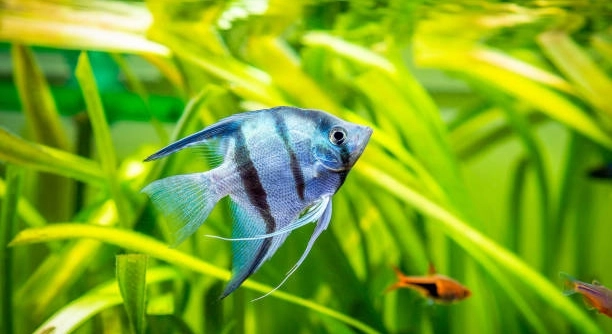
Angelfish are delicate creatures, and their behavior can be influenced by various factors in their environment. Water quality plays a crucial role in maintaining their health and well-being. Understanding how these elements affect them is essential for any angelfish owner.
Water conditions, including temperature, pH levels, hardness, ammonia, nitrites, nitrates, and oxygen levels, significantly impact angelfish behavior. Poor water quality can lead to stress, lethargy, or aggression, which affects their overall health and activity levels.
Maintaining the ideal water conditions can improve their quality of life and ensure they thrive in their environment.
Temperature Fluctuations and Their Impact
Angelfish are sensitive to changes in water temperature, which can directly affect their behavior. If the temperature fluctuates too much, they may become stressed or lethargic. Consistent warmth, ideally between 76°F and 82°F (24°C to 28°C), helps maintain their activity levels and promotes overall health. Rapid temperature changes can cause discomfort and may even lead to illness.
Maintaining a stable temperature can be done by using a reliable aquarium heater. Make sure to monitor the water regularly with a thermometer to ensure it remains within the optimal range. This simple step can significantly improve your angelfish’s well-being.
Inconsistent water temperatures not only affect their behavior but can also interfere with their immune system. When temperatures drop or spike suddenly, it weakens their resistance to diseases. For optimal health, avoid placing the tank near heaters, windows, or air conditioners, where environmental changes are common. Additionally, ensure the heater is not malfunctioning and consistently maintains the desired temperature. These precautions can help reduce stress and support your angelfish in thriving within your tank.
pH Imbalance
The pH level of the water plays a major role in angelfish behavior. The ideal pH for angelfish is between 6.8 and 7.8, and significant deviations can make them agitated.
Low or high pH levels may lead to a variety of issues. Angelfish might appear more aggressive or withdrawn when their environment isn’t balanced. Adjusting the pH gradually can prevent stress.
Ammonia and Nitrites
Ammonia and nitrite levels in the tank can quickly become toxic to angelfish. Even small amounts of these compounds can lead to distress. Ideally, ammonia and nitrite levels should always be at zero. Any presence of these chemicals can severely affect their behavior, causing rapid breathing, lethargy, and potential death.
To keep ammonia and nitrite levels at zero, regular water changes and proper filtration are essential. Testing kits can help you monitor water quality regularly. You should also be cautious when introducing new fish or food, as decomposing organic matter can lead to spikes in ammonia and nitrite levels.
One of the most effective ways to avoid ammonia or nitrite buildup is by maintaining a balanced nitrogen cycle. Live plants and beneficial bacteria can also help break down waste products in the tank. Make sure your filtration system is properly rated for your tank’s size and stocked with the appropriate media. By staying proactive, you can prevent these harmful spikes and support your angelfish’s health.
Nitrate Levels
Nitrate buildup is a common issue in aquariums and can affect angelfish behavior. High nitrate levels can make them feel sluggish, and prolonged exposure can lead to poor health. Keeping nitrates below 40 ppm is key to ensuring they thrive.
Regular water changes are vital to managing nitrate levels. As part of a comprehensive tank maintenance routine, replacing 10-20% of the water every week helps remove excess nitrates. Avoid overfeeding and remove any uneaten food promptly, as decaying organic matter contributes to nitrate accumulation. Keeping plants in the tank also helps absorb some of the nitrates, improving overall water quality.
Oxygen Levels
Angelfish require adequate oxygen levels to stay active and healthy. Low oxygen can lead to sluggish behavior, rapid breathing, and even suffocation. Ensure proper water circulation and surface agitation to maintain oxygen levels in the tank.
If your angelfish are frequently near the surface gasping for air, it’s a sign that oxygen levels are insufficient. Increasing aeration with air stones or a more powerful filter can help. Regularly checking the water temperature is also important, as warmer water holds less oxygen.
Water Hardness
Water hardness affects the overall health of angelfish. Ideal water hardness is between 3-8 dGH. When water is too soft or too hard, it can stress angelfish and impact their behavior.
Monitoring water hardness ensures your fish remain comfortable. It’s easy to adjust hardness using mineral supplements or a reverse osmosis filter.
FAQ
What are the signs of poor water quality affecting my angelfish?
When water quality is poor, angelfish may show signs of stress, such as erratic swimming, hiding, or rubbing against objects. You might notice changes in their appetite, lethargy, or even unusual breathing patterns. If you observe any of these symptoms, it’s essential to test your water for ammonia, nitrites, nitrates, pH, and temperature. Poor water quality can also lead to fin rot or skin lesions. Keeping a close eye on your fish and monitoring the water regularly is crucial to prevent long-term damage to their health.
How often should I change the water in my angelfish tank?
A partial water change of 10-20% should be performed every week to maintain water quality. This helps prevent the buildup of harmful chemicals like ammonia and nitrates. If you have a heavily stocked tank, you might need to increase the frequency of water changes. Regular changes also prevent the growth of algae and remove organic waste. Always treat tap water with a water conditioner before adding it to your tank to avoid introducing harmful chemicals.
Can angelfish tolerate high ammonia or nitrite levels?
Angelfish are very sensitive to high ammonia and nitrite levels. Even small amounts can cause stress and illness. Ammonia poisoning can lead to lethargy, reduced appetite, and damaged gills, while nitrite poisoning can affect their ability to absorb oxygen. Always ensure that ammonia and nitrite levels are at zero by using a reliable filtration system, performing regular water changes, and testing the water regularly.
How do I know if my angelfish are stressed due to temperature changes?
Angelfish are sensitive to temperature fluctuations, and even small changes can cause stress. If the temperature in your tank drops too low or increases too much, your fish may become lethargic, stop eating, or start swimming erratically. They may also try to hide at the bottom or surface of the tank. To prevent this, use a high-quality aquarium heater and monitor the water temperature with a thermometer. Keep the tank temperature steady within the range of 76°F to 82°F (24°C to 28°C).
Why is my angelfish hiding all the time?
Hiding behavior can be a sign that your angelfish are feeling stressed or unwell. Stress can be caused by poor water quality, aggression from other fish, or temperature fluctuations. Angelfish are naturally shy and may hide more if they feel threatened or uncomfortable in their environment. It’s important to check water conditions, ensure the tank is not overcrowded, and remove any aggressive fish. If your angelfish continue to hide, consider isolating them in a separate tank until they recover.
How can I prevent aggression in my angelfish?
Aggression can occur in angelfish, especially when they feel crowded or when tank mates are too assertive. Angelfish are territorial, particularly during breeding. To reduce aggression, ensure the tank is large enough to accommodate their size and provide enough hiding spots for peace. Also, avoid keeping them with overly aggressive fish. If aggression continues, you may need to separate the fish or adjust the tank layout to create more space for each fish.
What should I do if my angelfish are breathing heavily?
Heavy breathing can indicate that your angelfish are experiencing stress or are struggling with poor water quality. Check the oxygen levels in your tank and make sure the water is well-circulated. If oxygen levels are low, consider adding an air pump or increasing water movement with a filter. Heavy breathing can also be caused by high ammonia or nitrite levels, so it’s important to test the water regularly. If the problem persists, consider transferring your angelfish to a quarantine tank and perform water changes.
What are the best tank mates for angelfish?
Angelfish do well with other peaceful species that are similar in size. Good tank mates include tetras, corydoras catfish, and other community fish. Avoid aggressive species like bettas or fast-swimming fish that may stress out the angelfish. It’s important to choose tank mates that don’t compete for food or space. Also, ensure that your tank has enough hiding spots for all the fish, so they can escape from any unwanted attention.
How can I adjust the pH level in my angelfish tank?
To adjust the pH level in your tank, you can use pH buffers available at pet stores. If your pH is too high, you can lower it by adding driftwood, almond leaves, or other natural materials that release tannins. If the pH is too low, adding crushed coral or limestone can help raise it. However, it’s important to make changes gradually, as sudden shifts in pH can stress your angelfish. Always test the pH regularly and make adjustments slowly to ensure the water remains stable.
What is the ideal water hardness for angelfish?
Angelfish prefer soft to moderately hard water, typically with a hardness level of 3-8 dGH. Water that is too soft or too hard can stress angelfish and affect their health. You can adjust the hardness using mineral supplements or a reverse osmosis filter if necessary. Regularly testing your water for hardness will help maintain an optimal environment for your fish.
Final Thoughts
Maintaining the right water conditions is crucial for the health and well-being of your angelfish. Regular monitoring of factors such as ammonia, nitrite, nitrate levels, and water temperature ensures that your tank provides a stable environment. Even small changes in water quality can affect your fish’s behavior and overall health, so it’s important to stay on top of these factors. A consistent water change schedule, proper filtration, and water testing will help keep the water in your tank safe and healthy.
Equally important is maintaining the proper balance in your aquarium’s ecosystem. Avoid overcrowding the tank, and choose compatible tank mates that won’t stress out your angelfish. Providing enough space, hiding spots, and a calm environment can reduce aggression and make your fish feel more secure. Being mindful of your fish’s needs and adjusting their environment when necessary can lead to healthier, more active angelfish.
In the long run, understanding how water conditions affect your angelfish can help prevent behavioral issues and ensure they thrive. While it may take some time to learn the specifics of your aquarium, the effort pays off when you see your angelfish swimming happily and healthily. Regular maintenance, careful observation, and adjustments based on their needs will help you create an ideal environment that promotes their well-being and reduces stress.

Hello,
If you enjoy the content that we create, please consider saying a "Thank You!" by leaving a tip.
Every little bit helps us continue crafting quality advice that supports the health, happiness, and well-being of pets around the world, for pets of all shapes, sizes, and species.
We really appreciate the kindness and support that you show us!