
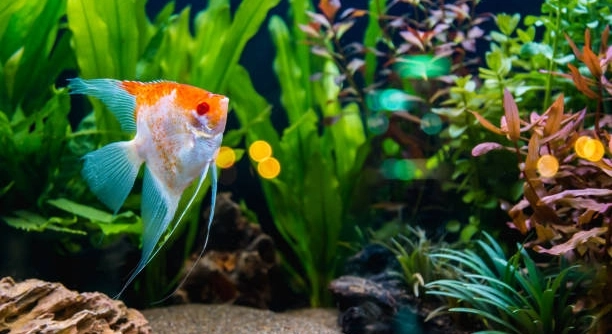
Angelfish tanks are a popular choice for many aquarium enthusiasts, but maintaining a healthy environment can be tricky. A key part of this is ensuring your tank’s filtration system is working properly. Over time, filters can wear out or become less effective.
When your angelfish tank shows signs like poor water clarity, increased algae growth, or excessive fish stress, it may indicate that the filter is no longer sufficient. Regularly assessing the filter’s performance is essential to ensure optimal water quality and fish health.
If you notice these signs, it might be time for an upgrade. Proper filtration can make all the difference in the health and longevity of your angelfish.
Poor Water Clarity and Increased Cloudiness
If you’ve noticed the water in your angelfish tank becoming cloudy or murky, it’s a sign that your filter might not be working as it should. When the filter isn’t functioning properly, debris, uneaten food, and fish waste accumulate, leading to poor water quality. This can cause stress for your fish and encourage algae growth. Cloudy water can also make it harder to spot potential problems like parasites or illness.
A proper filter helps remove suspended particles, providing clearer water and a healthier environment. If the water remains cloudy despite regular water changes, this is a strong indication that your filtration system needs an upgrade.
To address this, you can consider replacing your filter or upgrading to a more powerful one. Improving filtration can keep your tank cleaner, provide your angelfish with a better living environment, and reduce the risk of health problems. Regular maintenance is key to preventing this issue in the future.
Increased Algae Growth
Excessive algae growth in your tank may occur if the filter isn’t providing adequate water flow or filtration. Algae thrive in water with excess nutrients, often caused by poor water circulation and inadequate filtration.
A filter upgrade can help by removing organic matter that algae feed on. It will also improve the water flow, ensuring a more even distribution of nutrients. A filter that can manage your tank’s specific needs will help maintain the right balance for healthy, clear water.
Without proper filtration, algae will continue to grow unchecked, making your tank look unattractive and potentially harming your fish. Upgrading the filter can eliminate excess nutrients and reduce algae blooms, creating a cleaner, healthier environment for both the fish and the plants in your tank.
Fish Stress and Restlessness
When your angelfish seem stressed or restless, it could be a sign that the filter is not maintaining proper water quality. Stress can manifest as erratic swimming patterns, hiding, or even aggression toward other fish. Poor filtration allows toxins like ammonia and nitrates to build up, which directly impacts your fish’s health and behavior.
To address this, make sure your filter is rated for your tank size and is operating effectively. A better filtration system will ensure clean water and help reduce fish stress. This can lead to more peaceful, active angelfish.
A good filter will remove harmful chemicals and improve water circulation. This helps angelfish feel more secure and comfortable in their environment. If you notice consistent stress in your fish, a filter upgrade is a simple step that can improve their quality of life. Your fish will thank you for a more stable, less stressful tank environment.
Increased Fish Waste
As your angelfish grow, so does their waste output. If your filter isn’t powerful enough to handle the increased waste, it can lead to poor water quality. This is especially noticeable if you notice that waste builds up more quickly than it used to.
An underpowered filter won’t effectively remove the additional organic material, leading to higher ammonia levels, which are harmful to your fish. It’s essential to upgrade the filter to handle the demands of your tank as your angelfish mature.
Increased waste is a common problem that shows your filter isn’t doing its job properly. A filter upgrade will ensure that waste is removed efficiently, maintaining a cleaner and healthier environment for your angelfish. A proper filter will also help balance the water chemistry, making it easier for your fish to thrive in a stable habitat.
Filter Noise
If your filter has started making unusual noise, it may be struggling to keep up. Over time, filters can become clogged or worn out, causing them to make rattling or buzzing sounds. This indicates it’s no longer running smoothly.
A noisy filter can also mean the motor is overworked, which reduces its efficiency in filtering the tank. Upgrading to a quieter, more powerful filter will reduce the noise and improve overall performance. This also ensures your angelfish are not stressed by the sounds and can enjoy a more peaceful environment.
Decreased Water Flow
Reduced water flow can result from clogged filter media or an underperforming filter. Angelfish require a steady water flow to help keep the tank clean and oxygenated. Without it, stagnant water can lead to unhealthy conditions.
When the water flow is too weak, debris and waste accumulate, causing poor water quality. You may notice that the water level doesn’t circulate as effectively as it used to. Upgrading the filter to one with better water flow will improve filtration and circulation, ensuring a healthier tank.
Regular Maintenance Becomes Too Difficult
As your filter ages, it may become harder to clean or maintain. Clogged filter media and mineral build-up are common in older filters. Cleaning becomes more frequent and more time-consuming, leaving you with a less effective filter.
With regular maintenance becoming too difficult, it may be time for an upgrade. New filters are more efficient, easier to clean, and better at keeping the water quality consistent. They also often require less maintenance, giving you more time to enjoy your angelfish without worrying about the tank’s condition.
FAQ
What is the best type of filter for an angelfish tank?
The best filter for an angelfish tank is a canister filter or a hang-on-back filter, depending on your tank size and setup. Canister filters provide excellent filtration and are ideal for larger tanks, while hang-on-back filters are more suitable for smaller setups. Both types offer mechanical, chemical, and biological filtration, which is crucial for maintaining clean and healthy water for your angelfish. Canister filters are more discreet and often offer higher flow rates, which is beneficial for larger or heavily stocked tanks. Be sure to choose a filter that’s rated for your tank size to ensure proper filtration.
How often should I replace my angelfish tank filter?
Filters don’t need to be replaced entirely, but you should replace the filter media regularly to maintain efficient filtration. The filter’s mechanical media (such as foam or sponges) should be cleaned every few weeks, while the biological media (like ceramic rings or bio balls) can last longer, typically six months to a year. The actual filter cartridge or pad may need to be replaced every 1-2 months, depending on the type of filter you have. Always follow the manufacturer’s instructions for maintenance intervals to keep your filter functioning properly.
Can I use an aquarium filter for other fish species?
Yes, the filter in your angelfish tank can be used for other fish species, but the size and type of filter you choose should depend on the specific needs of the fish you’re keeping. Many types of freshwater fish require similar water conditions, so an appropriate filter can be used across various species. However, you’ll need to adjust the flow rate and filtration power depending on the size of the tank and the fish in it. For example, smaller or less active fish may not need as powerful a filter as angelfish, which are active and produce more waste.
How can I tell if my filter is working properly?
To determine if your filter is working well, check the clarity of the water and the flow rate. If the water is clear and there’s a steady flow of water, the filter is likely functioning correctly. If the water becomes cloudy or the flow rate decreases, it could be a sign of a clogged filter or one that’s too weak for your tank. Also, listen for unusual sounds; if your filter is making loud noises, it might indicate an issue with the motor or impeller. Regular maintenance and cleaning can help ensure that your filter stays in good working order.
How can I prevent algae growth in my angelfish tank?
The key to preventing algae growth is proper filtration and water circulation. Make sure your filter is providing adequate filtration and that the water is moving well. Algae thrive in stagnant, nutrient-rich water, so maintaining good water flow is essential. Regular water changes, cleaning the substrate, and removing excess uneaten food can help reduce the nutrients that algae need to grow. Additionally, consider using a filter with UV sterilization, which can help kill algae spores and keep your tank clear. Lastly, monitor your light cycle—excessive lighting can encourage algae growth.
Why does my angelfish tank get dirty so quickly?
A tank may get dirty quickly if the filtration system isn’t strong enough for the size of your tank or if there’s excessive waste being produced by the fish. Angelfish are relatively active and produce a lot of waste, so it’s important to have a filter that can handle the bio-load. Overfeeding can also lead to dirty tanks, as uneaten food decomposes and adds organic matter to the water. Regular water changes, proper filtration, and avoiding overfeeding will help maintain cleaner water for longer periods.
Is it necessary to upgrade my filter for a heavily planted tank?
Yes, a heavily planted tank may benefit from a more powerful or specialized filter. While plants help absorb waste and toxins, a filter still plays a crucial role in maintaining the water’s health. Heavily planted tanks can produce more organic matter, including plant debris, which may require more frequent filtration. A filter with a lower flow rate can be ideal for planted tanks, as strong currents might damage delicate plants. However, ensure the filter still provides enough filtration to remove waste and prevent nutrient imbalances, which can lead to algae growth.
What happens if I don’t upgrade my filter when it’s needed?
If you don’t upgrade your filter when necessary, water quality will degrade over time. This can lead to poor health for your angelfish, including stress, disease, and even premature death. Inadequate filtration will cause waste and toxins to build up, leading to cloudy water and algae blooms. It can also reduce oxygen levels in the tank, making it harder for your fish to thrive. By upgrading your filter, you ensure that your tank remains a stable and healthy environment for your angelfish.
Can a filter be too strong for my angelfish tank?
Yes, a filter can be too strong for an angelfish tank. Angelfish prefer calm water, and a filter with too strong a flow can cause stress, making it difficult for them to swim comfortably. This can lead to restlessness and even aggression. If the flow is too strong, consider using a filter with adjustable flow rates or adding a spray bar to diffuse the current. Alternatively, you can use a sponge filter, which provides gentle filtration without creating a strong current.
How can I tell if my filter is overworked?
If your filter is overworked, you might notice several signs, including poor water quality, decreased flow rate, and frequent clogging of the filter media. The filter may also make more noise than usual, indicating that the motor is straining. In these cases, it’s likely that your filter can no longer handle the bio-load, and an upgrade is necessary to keep the water clean and healthy for your angelfish. Regular maintenance, such as cleaning the filter and replacing the media, can also help prevent overworking the filter.
Can I clean my filter media with tap water?
It’s not recommended to clean your filter media with tap water, as it can kill the beneficial bacteria that help break down waste. Instead, rinse the media in water taken from the tank during a water change. This helps preserve the bacteria and keeps the filter media effective. Cleaning with tap water can disrupt the nitrogen cycle, causing water quality issues. If you need to clean your filter media more thoroughly, use aquarium water to avoid harming the beneficial bacteria.
Final Thoughts
Upgrading your filter is an essential part of keeping your angelfish tank healthy and well-maintained. As time goes on, filters can lose their effectiveness, leading to poor water quality and stress for your fish. Understanding the signs that your filter needs an upgrade can help you take action before these issues become serious. Whether it’s a decrease in water flow, increased noise, or difficulties with maintenance, upgrading your filter can make a significant difference in the overall health of your tank. By choosing the right filter for your tank size and water needs, you’ll create a better environment for your angelfish and ensure they thrive.
When selecting a new filter, make sure to consider the needs of your tank. The size of the tank, the number of fish, and the type of plants in your aquarium all play a role in determining the type and strength of the filter you’ll need. A filter that’s too weak won’t keep the water clean, while a filter that’s too strong can create uncomfortable currents for your fish. It’s important to find a balance between good filtration and a peaceful environment. Remember, regular maintenance and cleaning of your filter can also help extend its life, so you don’t have to replace it as often.
In the end, upgrading your filter is a simple yet effective way to ensure the health and happiness of your angelfish. The right filter will improve water quality, reduce the risk of diseases, and help maintain a stable environment. While it’s easy to overlook the importance of filtration, it plays a critical role in the long-term success of your aquarium. By paying attention to your filter’s performance and upgrading when necessary, you’ll create a more enjoyable and safe space for your angelfish to live and grow.

Hello,
If you enjoy the content that we create, please consider saying a "Thank You!" by leaving a tip.
Every little bit helps us continue crafting quality advice that supports the health, happiness, and well-being of pets around the world, for pets of all shapes, sizes, and species.
We really appreciate the kindness and support that you show us!