
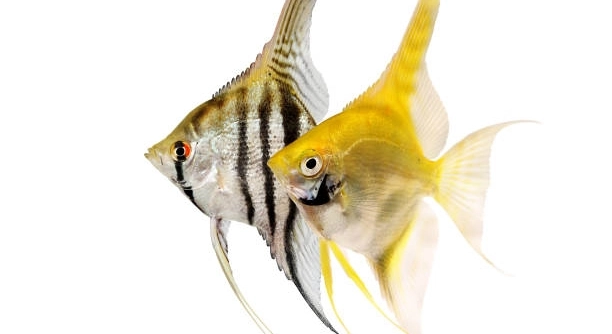
Are your angelfish constantly chasing or nipping at each other, making it difficult to maintain peace in your aquarium? Aggressive behavior can cause stress and even injury if not addressed in a timely manner.
Reducing aggression between angelfish pairs involves careful attention to tank size, layout, and environmental enrichment. Providing hiding spots, separating overly aggressive individuals, maintaining proper group dynamics, and managing feeding routines are all effective strategies supported by behavioral research and aquarium-keeping guidelines.
With these tips in mind, you can create a safer and more comfortable space for your angelfish to live and interact peacefully.
Give Them More Space
Angelfish can become territorial when they don’t have enough room. A cramped tank increases stress and makes aggressive behavior more likely. If you’re keeping a pair, a minimum of 20 gallons is recommended, but more space is always better. Extra room allows each fish to establish its own territory and reduces the chances of constant chasing or fin-nipping. It also provides more swimming space, which is important for their mental stimulation. Overcrowding can lead to tension that grows over time, especially if both angelfish are trying to claim the same areas. Upgrading to a larger tank can make a noticeable difference.
A larger tank gives your angelfish the opportunity to establish boundaries, helping to reduce daily conflicts and tension.
When planning for tank upgrades, also consider vertical space. Angelfish are tall-bodied fish and benefit from tanks with height. Tall plants or driftwood can help divide areas visually, offering a sense of separation. This visual barrier reduces direct interaction and allows each fish to enjoy quiet zones. Even if aggression doesn’t seem constant, the presence of personal space helps prevent occasional stress. Aim for a layout that supports their natural behaviors. Spread out decorations in a way that creates hidden corners, open swim zones, and shaded areas. Balance matters more than decoration density.
Rearrange the Tank Layout
A new layout helps interrupt aggression patterns that may have developed in a static setup.
Redecorating your aquarium forces angelfish to reestablish territory, breaking patterns of dominance and chasing. When everything is rearranged—plants, rocks, and driftwood—it becomes unfamiliar territory for both fish. This makes it harder for one to claim ownership of certain areas and discourages repeated aggressive behaviors. You can place tall plants in corners, scatter décor to break lines of sight, and use items like floating plants to add shade. Changing the setup also allows you to monitor how each angelfish reacts to new boundaries and structures. Do this during a partial water change to minimize stress. It’s helpful to introduce layout changes while the fish are already somewhat distracted. Rearranging once a month or so can keep things fresh and prevent tension from returning. Avoid overly symmetrical designs, as natural-looking layouts are more calming and effective for behavior control. Keep an eye on their reactions after changes and adjust as needed.
Feed Them Separately
Feeding time often triggers competition between angelfish, which can lead to aggressive behavior. Separating their feeding zones helps reduce tension and prevents one fish from dominating the food supply. This also ensures both fish receive proper nutrition.
Try placing food at opposite ends of the tank so each angelfish can eat without interference. Use floating pellets, slow-sinking flakes, or even target feeding tools like pipettes to help guide food to different locations. Watch closely during feeding to ensure one fish isn’t rushing over to steal extra food. If you’re using live or frozen foods, gently spread the portions across the surface. For particularly aggressive pairs, you can temporarily place a clear divider in the tank during feeding. After a few minutes, remove it once both have eaten. Feeding them separately is a simple step that helps balance their energy levels and keeps mealtime from turning into a conflict.
Consistent feeding schedules also help minimize stress. Angelfish respond well to routine, and knowing when food is coming can reduce frantic behavior. Hungry fish are more likely to act out, especially if they’ve been conditioned to expect food at unpredictable times. Feeding twice a day in small portions works best for most pairs. Stick to a regular plan and observe their behavior closely during each meal. If you notice recurring aggression, try slightly altering the timing or food type. Keeping feeding peaceful supports long-term harmony between your angelfish and gives both a fair chance to eat in comfort.
Remove One Temporarily
Sometimes, separating the pair is necessary if aggression becomes constant or severe. A temporary break gives both fish a chance to calm down and reset their behavior without ongoing stress or injury. Use a divider or a separate tank if needed.
Set up a second tank or a quarantine space with similar water conditions. Move the more aggressive fish first and monitor the remaining one’s behavior. After a few days, switch them if needed. This method allows both fish to settle and reduces the pattern of conflict. Use the separation period to adjust the main tank—add more hiding spots or rearrange the layout. When reintroducing them, observe closely and be ready to intervene. Sometimes, just a few days apart can make a difference in their interactions. Be patient and avoid rushing the process. In some cases, permanent separation may be the best solution for long-term health and safety.
Maintain Proper Water Conditions
Poor water quality can heighten stress, making angelfish more prone to aggressive behavior. Keeping the tank clean with stable water parameters encourages healthier and calmer fish. Regular water changes and filter maintenance are essential.
Test the water regularly to ensure it remains within optimal parameters—pH levels around 6.5 to 7.5, temperature between 76°F and 84°F, and ammonia and nitrite levels at zero. High nitrate levels can also contribute to stress. Proper filtration and a consistent water change schedule, at least 25% weekly, will help maintain a healthy environment. Clean tanks are also less likely to harbor harmful bacteria or parasites, further reducing stress. Angelfish that feel comfortable in their environment are more likely to coexist peacefully.
A stable environment minimizes external factors that could trigger aggression. When the water quality is optimal, your angelfish are less likely to feel threatened or agitated. This, in turn, reduces their need to assert dominance. Maintaining the right water conditions also supports their overall well-being.
Avoid Overfeeding
Overfeeding is a common mistake that can lead to aggression. Too much food creates competition and stress, especially if there’s a sense of scarcity. Stick to small, frequent meals instead of large portions.
Angelfish are opportunistic feeders, so feeding smaller amounts two or three times a day helps keep them satisfied. If food is left in the tank too long, it can degrade water quality, further contributing to stress. Feeding them just enough ensures they remain calm and healthy. Adjust portion sizes based on the fish’s appetite and the remaining food after a few minutes.
Introduce Tank Mates Carefully
Adding other fish to the tank can sometimes help ease aggression, but introducing them too quickly can cause chaos. Proceed with caution and choose compatible species.
Research potential tank mates before adding them. Peaceful species that occupy different swimming zones or have similar temperaments are the best options. Avoid species that may compete for the same space or food. Introduce new fish slowly and observe how they interact with the angelfish. If aggression worsens, you may need to separate them again or reconsider the tank mates entirely.
FAQ
What causes aggression between angelfish pairs?
Aggression between angelfish pairs can occur for several reasons. The most common is the establishment of territory. Angelfish are naturally territorial, and when two pairs are in close quarters, they may fight over space, food, or mates. Lack of hiding spots or overcrowding in the tank can also increase stress and lead to aggressive behavior. Furthermore, competition for food or an imbalanced male-to-female ratio can contribute to tensions. Ensuring that both fish feel secure and have enough space will minimize these conflicts.
How can I tell if my angelfish is aggressive?
Aggressive angelfish show several signs. If you notice one fish chasing, nipping, or blocking the other from food or space, it’s a clear indication of aggression. You may also see fin damage, such as fraying or missing portions, from constant fighting. Aggressive behavior tends to escalate around feeding time or if there’s a lack of hiding spots. Pay attention to how the fish behave when they’re near each other—if they constantly show signs of hostility or discomfort, it’s best to intervene.
Can I put two male angelfish together?
Two male angelfish in the same tank can lead to aggression, especially if they feel they’re competing for dominance or territory. Males are more likely to fight with each other, particularly during breeding seasons. If you want to keep two male angelfish, ensure the tank is large enough to provide separate territories. Adding hiding spots and avoiding overcrowding is also important. In many cases, it’s easier to keep one male and one female, as they may be less likely to fight compared to two males.
How do I stop my angelfish from bullying each other?
To stop angelfish from bullying each other, start by increasing the number of hiding spots in the tank. Adding plants, caves, or rocks can give the bullied fish a safe space to retreat. Rearranging the tank layout also helps by disrupting the territorial boundaries. If aggression continues, consider temporarily separating the fish using a divider or moving one to a different tank. Additionally, adjusting their feeding routine so both fish can eat without competition can help reduce tension. Monitoring their behavior and making adjustments as needed is key.
Can I keep angelfish with other fish?
Yes, angelfish can coexist with other species, but careful selection of tank mates is essential. Angelfish are peaceful but can become territorial, especially when breeding. Choose species that are non-aggressive, and avoid fish that might compete for space or food. Some good tank mates for angelfish include peaceful tetras, gouramis, and corydoras catfish. Keep in mind the water requirements of both species to ensure a healthy environment. Aggressive or overly active fish can stress angelfish, which may lead to more aggression between them.
How do I reintroduce angelfish after separating them?
Reintroducing angelfish after separation should be done carefully. After a period of separation, rearrange the tank to confuse their territorial instincts. Gradually reintroduce them by allowing them to see each other through a tank divider. Once they show no signs of aggression through the barrier, try reintroducing them in a neutral part of the tank. Keep a close watch for signs of aggression and be ready to separate them again if needed. In some cases, reintroducing them during feeding time or after a water change can help them focus on something other than territorial defense.
Can stress cause aggression in angelfish?
Yes, stress can significantly contribute to aggression in angelfish. When they are stressed by poor water quality, overcrowding, or the absence of hiding spots, they may become more territorial or easily irritated. Stress can weaken their immune system, making them more susceptible to diseases, which further escalates their behavior. Maintaining a clean tank with stable water parameters, along with offering enough space and hiding places, is essential for minimizing stress. Healthy fish are less likely to show aggression compared to stressed or sick individuals.
How often should I change the water in an angelfish tank?
Water changes are crucial for maintaining a healthy tank. In general, you should aim to change 25-30% of the water every week to keep the water clean and the fish happy. Regular water changes help remove excess waste and toxins that can build up, leading to stress and aggression. It also helps maintain the proper balance of pH, ammonia, nitrite, and nitrate levels. Keep an eye on water quality with tests to determine if more frequent changes are necessary. Over time, regular water changes will create a more stable environment for your angelfish.
How can I tell if my angelfish is healthy?
Healthy angelfish are active, swim steadily, and have vibrant colors. If your angelfish is hiding too much, acting lethargic, or showing signs of disease like faded colors or swollen areas, these could be signs of health issues. Healthy fish will also have clean, intact fins, with no signs of torn or frayed edges. They should be eating regularly and actively searching for food during feeding times. Regular observation and keeping track of any changes in behavior are essential to spot early health problems and prevent further issues.
What should I do if my angelfish are fighting?
If your angelfish are fighting, try separating them immediately to avoid injury. Add a tank divider or move one fish to another tank temporarily. Assess the environment—make sure there are enough hiding spots and territory to reduce competition. Rearranging the tank layout or adding more plants can also help break the territorial conflict. If the fighting persists, consider removing one fish permanently or finding a more peaceful tank mate. Watching their interactions closely will help you take appropriate action to restore harmony in the tank.
Final Thoughts
Aggression between angelfish pairs can be a challenging issue, but with the right approach, it is possible to reduce and manage it. Understanding the causes of aggression, such as territorial behavior, overcrowding, and competition for food, is essential. Ensuring your angelfish have enough space, hiding spots, and a balanced environment can prevent many conflicts from arising. By monitoring their behavior and making adjustments as needed, you can create a peaceful tank where both fish can thrive.
It’s important to remember that not all aggression is severe or damaging. In some cases, angelfish will exhibit mild territorial behavior that doesn’t lead to serious harm. However, if the aggression escalates to the point of injury, it’s necessary to intervene quickly. Keeping a close watch on the dynamics in the tank will allow you to identify early signs of aggression and address them before they become bigger problems. Separation, rearranging the tank, or introducing more hiding spots are simple solutions that can help restore peace.
Lastly, managing aggression in angelfish is a continuous process. You will need to adjust your approach based on the behavior of your fish and the conditions in the tank. Ensuring proper water quality, a stable environment, and a peaceful mix of tank mates will go a long way in preventing stress and aggression. With patience and careful management, your angelfish can live harmoniously together and enjoy a healthy, stress-free environment.

Hello,
If you enjoy the content that we create, please consider saying a "Thank You!" by leaving a tip.
Every little bit helps us continue crafting quality advice that supports the health, happiness, and well-being of pets around the world, for pets of all shapes, sizes, and species.
We really appreciate the kindness and support that you show us!