
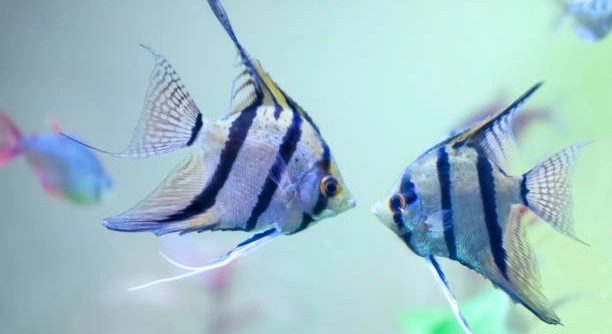
Angelfish are known for their beauty, but they are also prone to fungal infections that can harm their health. Keeping them healthy requires taking preventive measures to avoid such issues. Learning how to protect them can help maintain their well-being.
The best way to prevent fungal infections in angelfish is by maintaining a clean tank environment, ensuring proper water quality, and providing a balanced diet. Regular water changes and reducing stress are key factors in reducing the risk of infection.
By following these steps, you can ensure your angelfish stay healthy and vibrant.
Clean Tank Environment
A clean tank is crucial in preventing fungal infections. Angelfish thrive in environments with clear, oxygenated water. Uneaten food, organic matter, and waste can quickly build up, creating the ideal breeding ground for fungi. Regular tank cleaning is essential, and ensuring proper filtration helps keep the water free of harmful substances.
To keep the water clean, perform water changes weekly and clean the tank’s substrate. This prevents debris from accumulating and lowering water quality, which can weaken the immune system of your angelfish, making them more vulnerable to infection. It’s also important to scrub decorations and glass surfaces to remove any unwanted growth.
Keeping your tank clean also involves maintaining a proper filtration system that ensures good water flow. Using high-quality filters that remove both large debris and microscopic particles helps prevent fungus growth. Additionally, check the temperature and pH levels regularly to ensure they stay within optimal ranges for your fish’s health.
Proper Water Quality
Water quality directly impacts the health of your angelfish. Monitoring parameters like pH, temperature, and hardness ensures they are within the right range. Clean, balanced water keeps angelfish healthy and reduces fungal infections.
The water temperature should be kept between 76°F and 82°F (24°C-28°C). Stable pH levels ranging from 6.5 to 7.5 are ideal for angelfish. Maintaining these conditions minimizes stress and helps the immune system fight off potential fungal threats. Regular testing with water test kits can prevent imbalances that may contribute to infections.
In addition to testing water quality, ensure your filter is functioning properly. A good filter helps maintain a balanced environment, removing waste and promoting oxygen flow. However, be cautious not to overfeed your fish, as uneaten food will pollute the water and lead to fungal growth.
Balanced Diet
A well-balanced diet plays a key role in preventing fungal infections in angelfish. Healthy fish are less likely to succumb to infections. Providing high-quality food ensures your angelfish get the necessary nutrients, strengthening their immune system.
Feeding your fish a varied diet that includes both protein-rich foods, like live or frozen brine shrimp, and plant-based options, such as spirulina flakes, will help them thrive. Avoid overfeeding as it can lead to water quality issues, which contribute to fungal growth.
High-quality fish foods are rich in vitamins, minerals, and other nutrients that boost your fish’s resistance to diseases. A proper diet also aids in healthy growth, ensuring your angelfish are strong enough to fight off potential infections.
Regularly observe your fish’s eating habits and adjust the diet as needed to maintain their health. Proper feeding habits ensure that your angelfish have the energy they need to stay healthy and avoid infection.
Reduce Stress Levels
Stress weakens angelfish, making them more susceptible to fungal infections. Keeping them in a calm, stable environment is essential. Avoid overcrowding and ensure they have enough space to swim freely. Providing hiding spots like plants or decorations can help your angelfish feel secure and reduce stress.
Excessive noise, sudden changes in temperature, or aggressive tank mates can cause stress, leaving your angelfish vulnerable to infection. Stress not only affects their immune system but can also lead to behavioral issues. Monitor their interactions with other fish and ensure that no aggressive behavior is present in the tank.
Another way to reduce stress is by maintaining a consistent feeding schedule. Regular feeding at the same time each day creates stability in the tank and helps prevent anxiety. A stress-free environment will support your angelfish’s overall health and reduce the risk of fungal infections.
Quarantine New Fish
Introducing new fish without quarantining them first can bring diseases into your tank. Quarantining new fish for at least two weeks before adding them to your main tank is crucial. This step helps prevent the spread of fungal infections and other illnesses.
During quarantine, observe the new fish closely for any signs of illness, such as abnormal behavior, sores, or fungal growth. If you notice any symptoms, you can treat them before introducing them to the main tank. Quarantining also allows you to check if the new fish are eating and adjusting well to the environment.
By taking the time to quarantine new fish, you minimize the risk of infecting your existing angelfish. This simple step helps protect the health of the entire tank and ensures that new fish are healthy and free from diseases before they join the community.
Proper Filtration System
A reliable filtration system helps prevent fungal infections by keeping the water clean and free from harmful substances. Angelfish require steady water flow and proper filtration to thrive. Investing in a good filter ensures the water remains free of waste and organic matter, which can lead to fungal growth.
Make sure the filter is sized appropriately for the tank and is in good working condition. Filters should be cleaned regularly to maintain optimal performance. If the water becomes cloudy or stagnant, it can promote the growth of harmful bacteria and fungi, putting your angelfish at risk.
Avoid Overfeeding
Overfeeding is one of the leading causes of poor water quality. When too much food is left uneaten, it decomposes, polluting the tank. This increases the risk of fungal infections. Feed only as much as your angelfish can consume in a few minutes to avoid overfeeding.
Excess food can also attract pests and bacteria, making it even harder to maintain a healthy environment. Uneaten food should be removed promptly to prevent it from breaking down in the tank. Keeping feeding habits controlled contributes to maintaining water quality and lowering infection risks for your fish.
Maintain Stable Temperature
Angelfish need a stable temperature range to stay healthy. Fluctuations in water temperature can cause stress, making them more prone to infections. Keep the tank temperature between 76°F and 82°F (24°C-28°C) for optimal health.
Stable temperatures help the immune system function properly. Sudden drops or spikes in temperature can weaken angelfish, leading to potential fungal issues. Invest in a good heater with a thermostat to ensure the water stays within the proper range. Regularly check the temperature to prevent unexpected fluctuations.
FAQ
How can I tell if my angelfish has a fungal infection?
Signs of a fungal infection include fuzzy, cotton-like growths on the skin, fins, or gills of your angelfish. The infection may start as small spots and spread quickly if left untreated. Other symptoms include lethargy, loss of appetite, and changes in behavior. If you notice any of these signs, it’s important to act quickly.
What causes fungal infections in angelfish?
Fungal infections are often caused by poor water quality, stress, or a weakened immune system. When the environment isn’t clean or when angelfish are stressed, they become more vulnerable to infections. Overcrowding, inadequate filtration, and fluctuations in water temperature can all contribute to the development of fungal growth.
Can I treat a fungal infection at home?
Yes, fungal infections in angelfish can often be treated with antifungal medications that are available at pet stores or online. It’s important to follow the instructions on the medication carefully. In some cases, adjusting the tank’s water quality and reducing stress can also help your fish recover naturally.
What should I do if my angelfish shows signs of stress?
If your angelfish is stressed, it’s important to identify the cause. Check the water quality, make sure the tank is not overcrowded, and ensure that the temperature remains stable. Adding plants or decorations can provide hiding places for your angelfish, which helps reduce stress. If the stress persists, consider isolating the affected fish to avoid spreading it to other tankmates.
How often should I change the water in my angelfish tank?
Water changes should be done regularly to maintain good water quality. Typically, it’s recommended to change 10-20% of the water once a week. This helps to remove waste, uneaten food, and harmful substances that can promote fungal infections. The frequency may vary depending on the size of your tank and the number of fish.
Can poor water quality cause other diseases in angelfish?
Yes, poor water quality can lead to various diseases in angelfish. Ammonia, nitrites, and high levels of nitrates can cause stress and weaken their immune system. Infections like ich, bacterial diseases, and fungal growth are all more likely to occur in unclean water. Regular water testing and maintenance are essential to avoid these problems.
Is it necessary to quarantine new fish before adding them to the main tank?
Quarantining new fish is crucial for preventing the spread of diseases, including fungal infections. Keeping new fish in a separate tank for at least two weeks allows you to monitor them for any signs of illness. This step reduces the risk of introducing harmful bacteria or fungi into your established tank.
How can I reduce the risk of fungal infections when breeding angelfish?
Maintaining clean water and a stable environment is key when breeding angelfish. Fungal infections are more likely to affect eggs and fry, so ensure the breeding tank is clean and free from debris. Remove any uneaten food promptly, and make sure the water temperature is optimal for breeding. Avoid overcrowding and keep the tank well-filtered to prevent fungal growth.
Can I use salt to treat fungal infections in angelfish?
Salt is sometimes used as a treatment for certain external parasites and infections, but it is not effective for fungal infections. In fact, adding too much salt can stress your angelfish and potentially harm them. For fungal infections, it’s best to use an antifungal treatment specifically designed for aquarium use.
Do fungal infections affect other fish species in the tank?
Fungal infections can spread between fish, especially if they are stressed or living in poor water conditions. If you notice a fungal infection in one fish, it’s important to separate it from the others to prevent the spread of the infection. You may also need to treat the entire tank, depending on the severity of the infection.
How long does it take for an angelfish to recover from a fungal infection?
Recovery time can vary depending on the severity of the infection and how quickly it is treated. With proper care and medication, most angelfish can recover from a fungal infection in one to two weeks. However, it’s important to continue monitoring the tank conditions and keep the water clean to prevent re-infection.
Can I use natural remedies for fungal infections in angelfish?
While some natural remedies, like adding aquarium salt or garlic, may help boost the immune system, they are not always effective for treating fungal infections. It’s often safer and more reliable to use antifungal medications specifically designed for aquarium fish. Always ensure the remedy does not harm your fish or water quality.
Can fungal infections spread to other animals in the tank, like snails or shrimp?
Fungal infections primarily affect fish, but they can also impact other aquatic creatures, like snails or shrimp, if they are exposed to infected water. Fungal growth can be spread through contaminated water, so it’s important to maintain proper hygiene and water quality in the tank. Regular water changes and avoiding overcrowding can help reduce this risk.
Final Thoughts
Maintaining a healthy environment for your angelfish is essential to preventing fungal infections. Regular water changes, proper filtration, and keeping the tank clean all contribute to better water quality. This helps reduce the chance of harmful substances building up and encourages your angelfish to thrive. Pay attention to the water temperature and stress levels, as these factors can directly impact the health of your fish. Ensuring that your fish are not exposed to overcrowded conditions and providing them with a balanced diet also play a key role in boosting their immunity.
It’s important to monitor your angelfish for any signs of fungal infections regularly. Early detection is crucial, as the infection can spread quickly if not addressed in time. The sooner you identify symptoms, such as fuzzy growths or lethargy, the faster you can take action to treat the infection. Quarantining new fish before adding them to the tank is another preventive measure that can help prevent the introduction of fungal infections into your established tank. By following these simple practices, you can protect your angelfish and ensure they live in a healthy, safe environment.
In conclusion, preventing fungal infections in angelfish comes down to creating a stable, clean, and stress-free environment. While fungal infections are common in aquarium fish, they can be easily avoided with proper care. Regular monitoring, maintaining good water quality, and addressing stress are some of the most effective ways to protect your fish. With a little attention and the right practices, your angelfish will be able to enjoy a long, healthy life free from fungal infections.

Hello,
If you enjoy the content that we create, please consider saying a "Thank You!" by leaving a tip.
Every little bit helps us continue crafting quality advice that supports the health, happiness, and well-being of pets around the world, for pets of all shapes, sizes, and species.
We really appreciate the kindness and support that you show us!