
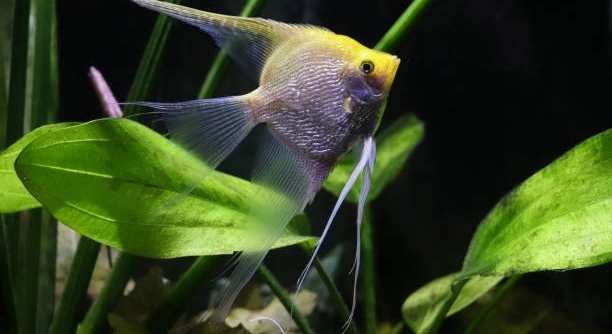
Angelfish fry are a joy to raise, but they often face challenges that can lead to their untimely demise. Keeping them healthy requires attention to several key factors. Let’s explore why your angelfish fry might not be surviving.
The most common reasons why angelfish fry do not survive include improper water conditions, inadequate nutrition, overcrowding, and poor tank hygiene. Stress, temperature fluctuations, or lack of suitable hiding spots can also contribute to their demise.
By understanding the key factors that affect their survival, you can improve the chances of your fry thriving.
Water Conditions
Water quality is the foundation for any aquarium, and angelfish fry are particularly sensitive to changes. If the water isn’t clean or has the wrong temperature, your fry will struggle to survive. Water parameters like pH, ammonia, and nitrate levels need to be kept in check to avoid stress. Even small fluctuations can weaken their immune systems, leaving them vulnerable to disease.
Make sure the water is soft and slightly acidic, between 6.5 and 7.5 pH. Regular water changes are essential, but avoid overdoing it, as drastic changes can stress the fry. Proper filtration is necessary to maintain clean water without causing strong currents. Fry can’t swim well in strong water flow, so adjust your filter to avoid this.
Testing the water regularly for ammonia, nitrites, and nitrates ensures that the tank stays healthy. If the levels are off, they can poison the fry, making it hard for them to grow and thrive. Always keep an eye on the water and do what’s needed to keep it stable.
Nutrition
Proper nutrition is key to growing healthy angelfish fry. Without enough food, they can become weak, and their chances of survival drop significantly.
Fry need high-quality, finely ground food that is suitable for their tiny size. Use powdered or liquid fry food, or live food like infusoria, which is nutritious and easy for them to digest. Ensure that they are fed multiple times a day, offering small portions that can be eaten quickly to avoid water contamination.
The importance of proper nutrition cannot be stressed enough. Angelfish fry are delicate, and their growth depends on how well they are fed. An inadequate diet can result in deformities, weak immune systems, and poor development, making them more likely to die.
Overcrowding
Overcrowding in a tank can stress angelfish fry, making them more vulnerable to disease and stunted growth. Even though it may seem like a good idea to raise many fry at once, too many in a small space leads to competition for food and can lower water quality quickly.
To prevent overcrowding, make sure to provide enough space for each fry to grow. As they mature, separate them into different tanks if necessary. This ensures they have room to swim, eat, and grow without the added stress of fighting for resources. Overcrowding can also lead to higher waste levels, further deteriorating water quality.
Ensure that your tank can comfortably accommodate the number of fry you have. As they grow, their needs for space will increase, and keeping them in a crowded environment will only lead to problems. A bigger tank or splitting the fry into smaller groups will keep them healthy and prevent stress-related issues.
Tank Hygiene
Maintaining a clean tank is crucial for the survival of angelfish fry. If the tank is dirty, harmful bacteria and waste build up, which can lead to sickness and, ultimately, death. Regular tank cleaning and proper filtration are essential.
Start by doing regular water changes to keep the water clean and remove any waste. You should clean the substrate and decorations occasionally as well. Be careful not to disturb the fry too much during the cleaning process, as excessive handling or water movement can stress them. Always use water that’s been treated to match the temperature and pH of the tank.
Make sure the filtration system works well, as it will keep the water flowing and help remove impurities. However, avoid strong currents, as the fry will struggle to swim against them. Consistent tank hygiene will keep the environment stable, allowing the fry to grow without the threat of disease.
Temperature Fluctuations
Angelfish fry are extremely sensitive to temperature changes. If the water is too hot or too cold, their immune system weakens, making them prone to illness. Even slight fluctuations can cause stress and lead to poor survival rates.
Maintaining a consistent water temperature is key to their well-being. Keep the tank between 76°F and 80°F (24°C to 27°C). A reliable heater will help ensure that the temperature stays stable, reducing the risk of sudden drops or spikes that could harm the fry.
Use a thermometer to monitor the tank temperature and adjust as needed. Sudden changes should be avoided as they can be fatal.
Stress
Stress is one of the biggest threats to angelfish fry. When the fry feel stressed, their immune systems weaken, and they become more susceptible to diseases and death.
Stress can be caused by poor water conditions, overcrowding, or even aggressive tankmates. Fry are also sensitive to strong lighting or sudden movements near the tank. Ensure that their environment is peaceful and stable, providing adequate hiding spaces and dim lighting if necessary. Keeping the fry in a low-stress environment will significantly improve their survival chances.
Poor Tankmates
Choosing the right tankmates is vital when raising angelfish fry. Larger or more aggressive fish can harm or eat them, reducing their chances of survival. Even peaceful species might accidentally hurt the fry while looking for food.
It’s best to keep fry with species that are small and non-aggressive, avoiding fish that might see them as prey. If you must have other fish in the same tank, make sure the fry have enough hiding spaces to stay safe. Additionally, keep an eye on potential bullies that could harm the young fry. This will reduce the risk of injury or stress caused by tankmates.
FAQ
What should I feed my angelfish fry?
Angelfish fry need specialized food to ensure proper growth. Start with freshly hatched brine shrimp or infusoria, as these are small and easy for them to eat. You can also use powdered fry food or liquid fry food designed for small fish. Be sure to feed them multiple times a day in small amounts. Overfeeding can lead to water pollution, which will harm the fry.
As the fry grow, you can gradually introduce slightly larger foods like crushed flakes, but it’s important to keep the food finely ground to match their small mouths. Always ensure the food is fresh and hasn’t been sitting in the tank for too long.
How often should I change the water in my fry tank?
Water changes are critical for maintaining good water quality and keeping your angelfish fry healthy. For the first few weeks, change 10-20% of the water every two to three days. After that, you can reduce the frequency to weekly changes, but always monitor water parameters closely. Ensure the new water matches the temperature and pH of the tank to avoid shocking the fry.
Regular water changes help remove harmful waste products, such as ammonia and nitrites, which can accumulate quickly in a fry tank. By keeping the water clean, you help prevent disease and promote healthy growth.
Can I keep angelfish fry in a tank with adult angelfish?
It’s best to separate angelfish fry from adults until they’re large enough to avoid being eaten. Adult angelfish, while generally peaceful, can mistake small fry for food. If you have adult angelfish in the same tank, you’ll need to make sure the fry have plenty of hiding spaces where they can stay safe.
Once the fry grow and reach a sufficient size, they can be gradually reintroduced to the main tank. Be cautious, though, as adult angelfish can still be territorial, and fights may occur if the adults feel threatened by the fry.
What size tank do I need for angelfish fry?
A 10-gallon tank can be sufficient for the first few weeks after the fry hatch. However, as they grow, you will need a larger tank to provide them with enough space to swim freely and avoid overcrowding. Ideally, you should aim for 20 gallons or more for a group of fry once they reach several weeks of age.
A larger tank also helps with maintaining stable water conditions, as smaller tanks are more prone to rapid changes in temperature and water quality. Be sure to provide adequate filtration, but avoid strong currents that could stress the fry.
How do I prevent disease in angelfish fry?
Preventing disease in angelfish fry starts with maintaining excellent water quality. Ensure that the tank is kept clean, and always feed the fry high-quality, properly stored food. Avoid overcrowding, as this can stress the fry and increase the chances of disease. It’s also important to quarantine any new fish or plants you add to the tank.
If you notice any signs of illness, such as white spots, faded colors, or abnormal swimming behavior, treat the tank immediately. Some medications are safe for fry, but always read the label carefully. It’s also helpful to have a separate quarantine tank to treat sick fry, keeping the main tank safe.
Do I need a heater for my fry tank?
Yes, angelfish fry are sensitive to temperature changes, so a heater is essential to maintain a stable, warm environment. Keep the water temperature between 76°F and 80°F (24°C to 27°C) to promote healthy growth and prevent stress.
Use a reliable heater that has an adjustable thermostat to ensure the temperature stays consistent. A thermometer is also important for monitoring the water temperature regularly. Sudden temperature fluctuations can be harmful to the fry and increase their risk of disease.
Can I use live plants in the fry tank?
Live plants are a great addition to a fry tank, as they provide natural hiding spots and help improve water quality by absorbing excess nutrients. Plants like java moss, anubias, or hornwort are popular choices because they’re easy to care for and provide a safe environment for fry to hide from potential predators.
However, make sure the plants are free of pests or chemicals that could harm the fry. Some plants may also have sharp edges that could injure small fry, so always check for potential hazards before introducing them into the tank.
How can I reduce the risk of my angelfish fry being eaten?
To reduce the risk of fry being eaten by adult fish, provide plenty of hiding places such as plants, decorations, or even mesh breeding boxes. It’s also a good idea to separate fry from adult angelfish until they’re large enough to be safely kept together.
If you choose to keep fry with adults, monitor them closely. You might need to relocate any particularly aggressive adults or overly curious tankmates that pose a threat to the fry.
When can I move my angelfish fry to a new tank?
You can move your angelfish fry to a new tank once they’re large enough to avoid being eaten by adults and are strong enough to handle the move. Typically, this will be when they’re about 1 to 1.5 inches long, though it varies depending on their growth rate.
Before moving them, ensure the new tank is properly set up with stable water conditions and no aggressive fish. Gradually introduce the fry to the new environment to reduce stress. Keep a close eye on them for the first few days to ensure they’re adjusting well.
Why are my angelfish fry not growing?
Fry that aren’t growing well could be facing several issues, including poor water quality, inadequate nutrition, overcrowding, or stress. Make sure the tank is clean and the water conditions are ideal. Feed the fry a balanced diet and avoid overfeeding, which can pollute the tank.
If the fry are in a crowded tank, separate them to give each one enough space to grow. Poor tankmates or stress from aggression can also stunt growth. Ensuring a stable, low-stress environment will help your fry grow at a healthy rate.
Final Thoughts
Raising angelfish fry can be a rewarding experience, but it comes with challenges. The most important factors to consider are water quality, food, and the tank environment. Fry are fragile and require careful attention to survive and thrive. If the water isn’t clean or the temperature fluctuates, the fry may not grow well or could even die. Keeping the water stable with proper filtration and regular water changes is essential to maintaining a healthy environment.
Proper nutrition also plays a huge role in the survival and growth of angelfish fry. Feeding them the right kind of food, such as live or powdered food, ensures they get the nutrients they need to grow strong. Overfeeding can be a problem, though, as it can pollute the water, leading to more issues for the fry. By feeding them small portions multiple times a day, you help maintain good water quality while also providing them with enough energy to develop properly.
Finally, the tank environment should be peaceful and safe for the fry. Overcrowding can lead to stress, which weakens the immune system and makes the fry more vulnerable to disease. Providing hiding spots and ensuring there are no aggressive tankmates will help reduce stress and give the fry the space they need to grow. While raising angelfish fry can be a bit demanding, by focusing on these core factors, you increase the likelihood of having healthy, thriving fish in the long run.

Hello,
If you enjoy the content that we create, please consider saying a "Thank You!" by leaving a tip.
Every little bit helps us continue crafting quality advice that supports the health, happiness, and well-being of pets around the world, for pets of all shapes, sizes, and species.
We really appreciate the kindness and support that you show us!