
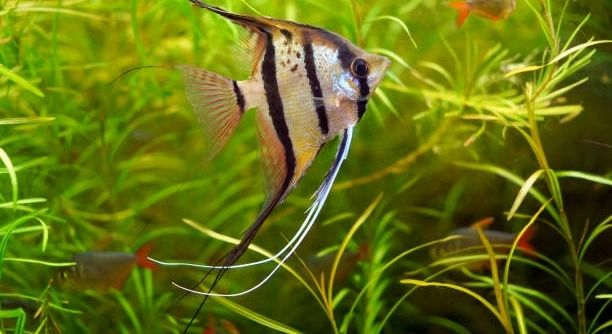
Angelfish are known for their graceful swimming, but if you notice them resting at an angle, it might seem unusual. It’s important to understand the possible causes behind this behavior so you can take the necessary steps to ensure their well-being.
Angelfish resting at an angle is often due to issues such as swim bladder problems, poor water quality, or stress. These conditions can affect the fish’s buoyancy and cause it to adopt an abnormal position in the tank.
Understanding these possible causes will help you take the right steps to address the issue and improve your angelfish’s health and comfort.
Swim Bladder Issues
Swim bladder problems are a common reason for angelfish to rest at an angle. The swim bladder helps regulate buoyancy, and when it’s not functioning properly, the fish can struggle to maintain balance. This can cause them to tilt sideways or even float upside down. The swim bladder can be affected by various factors, including overfeeding, stress, or injury.
If your angelfish shows signs of swim bladder problems, you might notice it swimming sideways or staying near the bottom of the tank. It may also have difficulty staying at the water’s surface. To help, you can try fasting your fish for a couple of days to allow its digestive system to rest. If the problem persists, consider adjusting the water temperature or offering special food like peas, which may help with digestion.
Acting quickly to correct swim bladder issues can prevent more serious health problems for your angelfish. Be sure to monitor your fish closely to make sure the condition improves over time.
Water Quality Issues
Water quality plays a vital role in the health of your angelfish. Poor water conditions can stress your fish and lead to unusual behaviors like resting at an angle. High levels of ammonia, nitrites, or nitrates can cause discomfort for your fish.
Maintaining proper water parameters, such as pH, hardness, and temperature, will ensure a healthier environment for your angelfish. Regular water changes and testing the water for toxic levels are key steps in preventing water quality problems. When your tank’s water quality is in check, your angelfish will have a much higher chance of swimming normally and staying healthy.
Stress and Anxiety
Stress can make an angelfish act in unusual ways, including resting at an angle. Common stressors include overcrowding, sudden changes in water temperature, or the presence of aggressive tankmates. Fish that are stressed may also exhibit other signs like rapid breathing or hiding.
To reduce stress, ensure your angelfish has enough space and that the tank environment is stable. Keeping the tank at a consistent temperature and maintaining a peaceful atmosphere can go a long way in easing your fish’s anxiety. Avoid moving decorations or making frequent changes to the tank setup.
Keeping a calm, stable environment is essential for the well-being of your angelfish. Providing hiding spots, such as plants or caves, can help them feel more secure and reduce the chances of them resting at an angle due to stress.
Injury or Physical Damage
Physical injuries can also cause your angelfish to rest at an angle. Fish can injure themselves by bumping into sharp objects, fighting with tankmates, or even during water changes. Injuries to the fins, body, or swim bladder may lead to abnormal swimming behavior.
If you suspect an injury, carefully examine your angelfish for any visible signs of damage, such as torn fins or swelling. A fish with a damaged swim bladder or fins may struggle to maintain its balance, causing it to tilt to one side. Depending on the severity of the injury, you may need to isolate the fish in a hospital tank for recovery.
Injuries, if left untreated, can lead to further complications. Providing a calm environment and observing your fish’s recovery process closely will help prevent more serious issues down the line.
Poor Diet
An improper diet can affect your angelfish’s overall health, causing it to rest at an angle. Deficiencies in essential nutrients, like vitamins or fats, can make it harder for the fish to maintain balance. Poor diet can also lead to digestive issues, which can affect buoyancy.
Feeding your angelfish a well-balanced diet will help prevent these issues. Offer high-quality fish flakes or pellets, supplemented with live or frozen foods such as brine shrimp or bloodworms. Ensuring they receive proper nutrition will support their health and reduce the likelihood of abnormal swimming behavior.
A varied and balanced diet can also improve your angelfish’s immune system, helping it recover more quickly from any health issues that might affect its swimming posture.
Water Temperature
Water temperature directly affects the health of your angelfish. If the water is too cold or too hot, it can cause stress or even physical damage. A sudden temperature fluctuation can also lead to buoyancy problems, causing your fish to rest at an angle.
Maintaining a consistent water temperature between 76°F and 82°F (24°C – 28°C) is ideal for angelfish. Using a reliable aquarium heater and thermometer will ensure the water stays at the right temperature. Avoid placing your tank near drafty areas or direct sunlight, which can cause temperature swings and stress your fish.
Tank Overcrowding
Overcrowding is another common issue that can lead to your angelfish resting at an angle. If there are too many fish in the tank, it can create a stressful environment, affecting the health and behavior of your angelfish. Lack of space may also result in aggression and competition for resources.
Ensuring the right stocking level for your tank size is crucial. A general rule of thumb is to allow 1 inch of fish per gallon of water. Overcrowded tanks can also lead to water quality problems, which only add to the stress. Consider rehoming excess fish to avoid these issues.
FAQ
Why is my angelfish tilting to one side?
Tilting to one side is often a sign of an underlying issue with the angelfish’s health. It could be due to a swim bladder problem, poor water quality, stress, or injury. Swim bladder issues are particularly common and can prevent the fish from maintaining proper buoyancy. Stress from overcrowding or aggressive tankmates can also cause abnormal swimming behavior. Check your tank’s water conditions, including temperature and filtration, to rule out environmental causes. If you notice any injuries or visible damage, you may need to isolate the fish to help it recover.
Can water temperature cause my angelfish to rest at an angle?
Yes, water temperature plays a significant role in the health of your angelfish. If the water is too hot or cold, it can stress the fish, leading to behaviors like resting at an angle. Angelfish thrive in a temperature range of 76°F to 82°F (24°C to 28°C). When the water temperature fluctuates too much, it can cause buoyancy problems, which can result in the fish being unable to swim properly. Consistent, stable water temperatures are essential for the overall well-being of your angelfish.
Is it normal for angelfish to swim upside down?
No, it is not normal for angelfish to swim upside down. If your angelfish is swimming upside down or having trouble staying upright, it may be experiencing a swim bladder disorder or another health issue. Swim bladder problems can be caused by overfeeding, poor water quality, or injury. If this happens, monitor the water conditions closely and consider fasting the fish for a day or two to help with digestion. If the condition persists, it’s important to address any potential water quality issues or consult an aquarium professional for further advice.
How can I fix swim bladder issues in my angelfish?
To help fix swim bladder issues, start by making sure the water conditions in your tank are optimal. Check for proper filtration, temperature, and pH levels. If your angelfish is overfed, consider fasting it for 1-2 days to give its digestive system a break. You can also try feeding it blanched peas, which may help alleviate constipation or bloating that affects buoyancy. If the problem is more severe, you may need to move the fish to a hospital tank for isolation and further treatment.
How often should I change the water in my angelfish tank?
Regular water changes are essential for maintaining a healthy environment for your angelfish. It’s recommended to change about 25-30% of the water every 1-2 weeks, depending on the tank size and the number of fish. In heavily stocked tanks or tanks with poor filtration, more frequent changes may be necessary. Always check the water parameters, such as ammonia, nitrites, and nitrates, to ensure they are within safe levels. Consistent water changes help prevent toxic buildups that can stress your fish.
Can stress cause angelfish to swim strangely?
Yes, stress is a major factor in abnormal swimming behavior in angelfish. Overcrowding, aggressive tankmates, and changes in the tank environment can all contribute to stress. Stress weakens your angelfish’s immune system and may lead to behaviors like swimming at an angle or even swimming upside down. Reducing stress involves creating a stable environment with proper tank size, hiding spots, and compatible tankmates. Make sure your angelfish has enough space to swim freely and that the water conditions are optimal for its health.
What should I do if my angelfish is injured?
If your angelfish has sustained an injury, such as torn fins or visible bruising, you should first examine it closely to determine the severity of the damage. Move the fish to a hospital tank to reduce the risk of infection and provide a calm, stress-free environment for healing. Depending on the injury, you may need to treat the fish with medications to prevent infection. Always keep an eye on the injury, as untreated wounds can lead to further complications. Ensure the tank’s water quality is pristine to aid in the healing process.
Can poor diet cause angelfish to swim abnormally?
Yes, a poor diet can lead to abnormal swimming behavior in angelfish. Nutrient deficiencies, particularly in vitamins and fats, can affect the fish’s buoyancy and overall health. Feeding your angelfish a varied, balanced diet helps prevent these issues. High-quality pellets or flakes, supplemented with live or frozen foods like brine shrimp or bloodworms, will provide the necessary nutrition. Ensure that the fish isn’t being overfed, as this can lead to digestive problems, including swim bladder disorders.
How do I prevent overcrowding in my angelfish tank?
Overcrowding can create a stressful environment for your angelfish, leading to abnormal behavior such as resting at an angle. To prevent overcrowding, make sure you follow the recommended stocking guidelines for your tank size. A general rule is to allow 1 inch of fish per gallon of water. Keep track of the growth rate of your fish and make adjustments as needed. If you have more than one angelfish, consider creating territorial divisions in the tank with plants or decorations to reduce conflict.
Final Thoughts
Taking care of angelfish requires attention to detail. If you notice one tilting or swimming oddly, it usually means something is off. It could be the water quality, feeding habits, or a health issue like swim bladder disorder. These signs may seem small at first, but they’re important. Fish often show early signs of stress in how they swim or move. Keeping an eye on these details helps prevent bigger problems later. It’s not just about feeding your fish and watching them swim. It’s about creating a balanced tank where they feel safe and healthy every day.
Water conditions play a big role in angelfish health. Clean water, stable temperatures, and good filtration are not optional—they are necessary. When the environment isn’t right, even healthy fish can become sick. Doing regular water changes, avoiding overfeeding, and checking parameters like ammonia and nitrate levels will make a difference. If your angelfish shows strange swimming behavior, checking the tank first is a smart move. Many issues can be fixed just by improving their living space. A clean, stable tank supports not only the angelfish but all your other fish too.
Finally, pay attention to how your angelfish behave each day. Sudden changes—like floating at the surface, resting sideways, or hiding—are signs that something may be wrong. Don’t wait to act. Isolate the fish if needed, adjust the water, or take steps to reduce stress. Feeding a balanced diet also supports long-term health. If you’re unsure what’s causing a problem, a quick check of food, water, and tank mates can help you figure it out. Angelfish are sensitive but rewarding fish to keep. With the right care, they live long and stay active. Watching them thrive in a stable tank setup can be a simple but satisfying part of fishkeeping.

Hello,
If you enjoy the content that we create, please consider saying a "Thank You!" by leaving a tip.
Every little bit helps us continue crafting quality advice that supports the health, happiness, and well-being of pets around the world, for pets of all shapes, sizes, and species.
We really appreciate the kindness and support that you show us!