
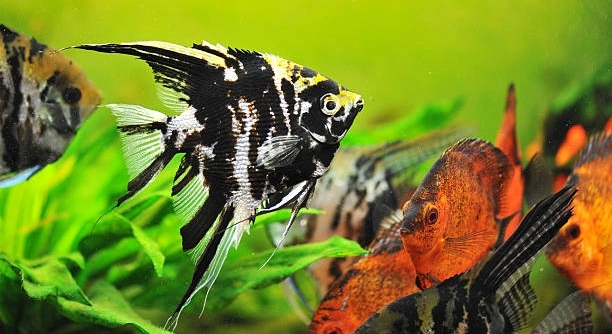
Do you ever find yourself struggling to pick the right companions for your angelfish, hoping to keep the tank calm and balanced?
The best tank mates for a peaceful angelfish community are species that are similarly tempered, not overly aggressive or overly timid. Ideal choices include peaceful schooling fish that thrive in similar water conditions and avoid fin-nipping behaviors.
These peaceful pairings can make aquarium life easier and more enjoyable for both you and your fish.
Neon Tetras
Neon tetras are one of the most popular choices for angelfish tanks. They are small, colorful, and peaceful, which helps create a calm environment. These fish do best in groups of six or more, and they prefer the same warm water conditions as angelfish. Their peaceful behavior means they won’t nip fins or cause stress. It’s best to introduce angelfish when they are still young if you plan to keep them with tetras. This helps avoid territorial behavior as they grow older. Neon tetras tend to stick to the middle or lower parts of the tank, giving angelfish space to move around freely. Make sure your tank is at least 20 gallons to give both species enough room. You’ll also want to add plants or decorations for hiding spots and comfort. Overall, neon tetras make a bright and gentle addition to a well-balanced angelfish community tank.
A group of neon tetras can bring calm movement and color to your tank without bothering your angelfish.
Although they are a good match, always keep an eye on size differences. If your angelfish get too big and the tetras stay very small, there’s a small risk the tetras could be seen as food. To prevent this, raise them together from a young age. It also helps to provide plenty of hiding places using plants or rock structures. Avoid overcrowding the tank, as this can increase stress and lead to aggression. Feed them a balanced diet and make sure food is reaching all tank levels. Neon tetras swim quickly and may grab food before it sinks. Watching how they interact daily helps you notice any changes early on. A calm tank leads to healthier fish, and the mix of these species can bring a peaceful, steady rhythm to your aquarium.
Corydoras Catfish
Corydoras catfish are gentle bottom-dwellers that help keep the tank clean while staying out of the angelfish’s way.
These small catfish are peaceful, social, and prefer to live in groups of at least five. Since they stick to the bottom of the tank, they rarely interact with angelfish, which helps keep the peace. They do best in soft, slightly acidic water, just like angelfish, making care routines easier to manage. Corydoras are known for their active nature and enjoy digging around in the substrate, so use smooth gravel or sand to protect their barbels. They feed on sinking pellets and leftover food, helping to reduce waste in the tank. This not only supports water quality but also adds balance to the community. Watching them move as a group can be soothing, and their calm energy adds stability to the tank environment. Adding Corydoras to your angelfish tank supports both cleanliness and harmony.
Bolivian Rams
Bolivian rams are calm, colorful cichlids that usually stay near the bottom or middle of the tank, keeping a respectful distance from angelfish. Their peaceful nature makes them a solid choice for a shared setup.
They enjoy similar water temperatures and soft water, which simplifies maintenance. Bolivian rams are not aggressive and usually stay out of trouble. They prefer slow-moving tanks with plenty of plants and hiding spots. When paired with angelfish, they tend to mind their own space without showing signs of stress or competition. These fish are also not picky eaters, accepting flakes, pellets, and frozen foods. It’s best to keep them in pairs or small groups. Their swimming patterns are steady and calm, which helps create a balanced dynamic in the tank. Watching them interact with their environment adds life without creating tension.
Even though they are peaceful, space matters. A crowded tank can cause unnecessary stress, even between the calmest fish. Aim for at least 30 gallons if you’re adding Bolivian rams with angelfish. They enjoy establishing small territories but aren’t aggressive about it. Still, offering enough space and visual barriers like plants or rockwork helps prevent any disputes. Balanced feeding is also important—make sure each fish gets its share. Overfeeding can lead to water problems, which affects everyone in the tank. Keeping their environment stable helps them settle in comfortably. With some planning, Bolivian rams and angelfish can thrive side by side without issues.
Platies
Platies are active, colorful fish that bring gentle energy to a tank. They do well in groups and rarely cause trouble. Their peaceful nature fits in with angelfish when the tank is large enough to give everyone space.
These livebearers are hardy and easy to care for. They enjoy similar water conditions to angelfish, though they can tolerate slightly wider ranges. Platies swim in the middle and top parts of the tank, staying mostly out of the angelfish’s way. They are social but not overly active, which helps maintain a peaceful vibe. Just be mindful of their breeding habits—platies reproduce quickly, and a small group can turn into many. If you don’t want a tank full of babies, consider keeping only one sex or adding species that might naturally control the population. Platies add variety and color to the tank while staying friendly and low-stress for angelfish.
Bristlenose Plecos
Bristlenose plecos are peaceful algae eaters that stay near the bottom of the tank. They help keep surfaces clean without disturbing other fish. Their calm behavior and preference for hiding make them easy to keep with angelfish.
They don’t need a group and usually keep to themselves. A single pleco in a tank is enough to manage algae and waste. They enjoy driftwood and caves for shelter, which also makes the tank feel more natural.
Swordtails
Swordtails are active but peaceful fish that can live well with angelfish in a spacious tank. They prefer slightly harder water than angelfish but still adjust well to shared conditions. Keeping only males or controlling the ratio helps prevent overbreeding.
Mollies
Mollies are colorful and peaceful but need stable water conditions. They enjoy swimming in the top areas, avoiding most contact with angelfish. Keep an eye on tank size and feeding to avoid stress.
FAQ
Can angelfish live with other cichlids?
Angelfish can live with other cichlids, but it’s important to choose compatible species. Cichlids can be territorial and aggressive, so it’s best to avoid larger or more dominant species. Smaller, peaceful cichlids like Bolivian rams work well because they share similar water preferences and don’t pose a threat to the angelfish. Larger, more aggressive cichlids, like Oscars or Jack Dempseys, might fight with angelfish for space and food. It’s important to provide plenty of space and hiding spots for both species to reduce stress and encourage peaceful cohabitation.
Do angelfish get along with bettas?
Angelfish and bettas don’t always get along due to the betta’s territorial nature. Bettas, especially males, can become aggressive if they feel threatened by other fish. However, if you have a large tank with plenty of hiding spots, it might be possible to keep them together, especially if the betta has a calm temperament. Angelfish are generally peaceful, but they can become stressed by a betta’s aggressive behavior. Keep a close eye on both fish to ensure no fighting occurs. If aggression becomes an issue, separate them to avoid harm.
Can you put angelfish with goldfish?
Goldfish and angelfish have different care needs, making it difficult to keep them together. Goldfish prefer colder water (65-75°F), while angelfish need warmer temperatures (75-82°F). Additionally, goldfish are messy eaters and produce a lot of waste, which can quickly affect water quality and harm angelfish. Goldfish are also large and can accidentally nip at angelfish fins. For the health and comfort of both species, it’s best to house them separately. If you are looking for tank mates, opt for species that thrive in similar temperature ranges and have similar temperaments.
What are the best tank conditions for angelfish?
Angelfish thrive in warm, slightly acidic water with a pH between 6.5 and 7.5. The water temperature should be kept between 75°F and 82°F. They prefer a well-filtered tank with plenty of plants and decorations, which provide hiding places and make them feel secure. A tank of at least 20 gallons is recommended to give them enough space. Water quality is crucial, so perform regular water changes to keep ammonia, nitrites, and nitrates in check. Stability in water conditions is key to keeping angelfish healthy and stress-free.
Do angelfish eat plants?
Angelfish may nibble on plants, but they are not typically considered plant-eaters. They are omnivores and prefer to eat smaller fish, worms, and insects in the wild. In a tank, they will usually focus on eating fish flakes, pellets, and frozen food. However, some angelfish may nibble on soft-leafed plants, especially if they are hungry or bored. To keep your plants safe, choose hardier varieties like Java fern, anubias, or Amazon sword, which are less likely to be eaten. Providing a balanced diet and avoiding overfeeding can help reduce plant damage.
Can angelfish live with shrimp?
Angelfish can live with shrimp, but it depends on the species of shrimp and the size of the angelfish. Angelfish are predatory and might try to eat small shrimp, especially if the shrimp are newly introduced or too small. Shrimp like ghost shrimp, cherry shrimp, or Amano shrimp can sometimes coexist with angelfish in a well-planted tank with plenty of hiding spots. However, it’s important to keep the angelfish well-fed to reduce predatory behavior. Larger shrimp species or those with strong exoskeletons have a better chance of surviving with angelfish. Observe their interactions closely.
Are angelfish fin nippers?
Angelfish are generally not fin nippers, but their behavior can sometimes be misunderstood. When they feel threatened or are establishing their territory, angelfish may display aggressive behaviors, including chasing or nipping at other fish. This is more common when they are housed with overly active or dominant tank mates. Ensuring the tank is large enough with plenty of hiding spaces can reduce stress and limit aggression. If your angelfish shows signs of nipping, check for overcrowding or tank mates that might be provoking them. Proper feeding and stable conditions can help keep aggression in check.
How many angelfish can you keep in a 20-gallon tank?
In a 20-gallon tank, you can comfortably keep 2 to 3 angelfish. Angelfish grow fairly large and need space to swim and establish territories. If you plan to keep more, you will need to upgrade to a larger tank, such as a 30 or 40-gallon tank. Overcrowding can lead to stress, aggression, and poor water quality. Providing enough space, filtration, and hiding spots will help maintain a peaceful environment. When housing angelfish in smaller tanks, it’s also essential to keep an eye on their growth and adjust the number accordingly.
Can you keep angelfish with other peaceful fish?
Yes, angelfish can live with other peaceful fish, as long as they are not overly small or territorial. Peaceful species like neon tetras, Corydoras catfish, and platies can make great tank mates because they avoid fin-nipping and tend to stick to different areas of the tank. However, angelfish may become territorial, especially when breeding, so it’s important to provide enough space and hiding spots for all fish. Larger fish that don’t display aggression, such as peaceful gouramis or rams, can also coexist with angelfish in a well-maintained tank.
How do you know if angelfish are stressed?
Stressed angelfish often show physical signs, such as clamped fins, faded colors, or a lack of movement. They may also hide more often or refuse to eat. Stress in angelfish can be caused by poor water quality, overcrowding, incompatible tank mates, or sudden changes in their environment. If you notice these signs, check the water parameters, make sure the tank is not overcrowded, and ensure the tank mates are peaceful. Reducing stress and providing a stable, calm environment can help your angelfish recover quickly.
Final Thoughts
When it comes to creating a peaceful community tank with angelfish, choosing the right tank mates is key. The ideal companions are peaceful fish that thrive in similar water conditions and have compatible temperaments. Fish like neon tetras, Corydoras catfish, and Bolivian rams make excellent choices because they won’t stress out the angelfish or cause aggression. It’s also important to consider the size of the tank, as angelfish need space to swim and establish territories. A crowded tank can lead to stress and fighting, so always aim to provide ample room for all the fish.
In addition to choosing the right tank mates, maintaining good water quality is crucial for angelfish and their companions. Regular water changes, proper filtration, and monitoring water parameters like temperature and pH will help keep your tank healthy. Angelfish are sensitive to poor water conditions, so make sure to test the water regularly. Stable conditions are essential for their well-being, and fish that live in a clean, balanced environment are less likely to become stressed or aggressive. Keeping the tank well-maintained also supports the overall health of your fish.
Lastly, patience is important when setting up your angelfish community tank. It can take time for fish to adjust to each other, and some fish may need a few days or weeks to become accustomed to their new environment. Always monitor the fish closely after introducing them to ensure no signs of stress or aggression. If any issues arise, be ready to make adjustments, whether it’s adding more hiding spots or separating incompatible species. With the right planning, your angelfish can live peacefully alongside their tank mates, creating a harmonious and enjoyable aquarium.

Hello,
If you enjoy the content that we create, please consider saying a "Thank You!" by leaving a tip.
Every little bit helps us continue crafting quality advice that supports the health, happiness, and well-being of pets around the world, for pets of all shapes, sizes, and species.
We really appreciate the kindness and support that you show us!