
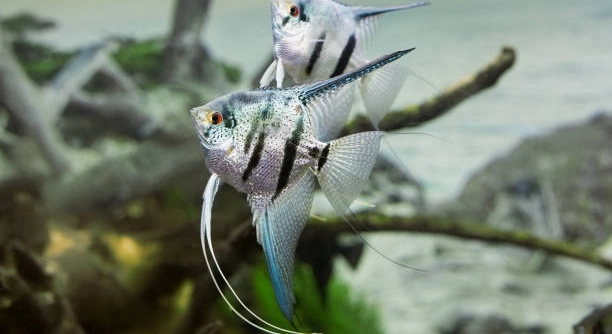
Angelfish are a popular choice for home aquariums, known for their peaceful nature and beautiful appearance. However, like any pet, they can fall ill. Recognizing the early signs of disease is key to their well-being.
Angelfish may show symptoms of illness in various ways. Common signs include changes in behavior, physical appearance, or eating habits. Identifying these symptoms early can help you take action before the disease becomes more serious.
Monitoring your angelfish regularly will help you spot any changes in their health. Knowing the signs of disease ensures they get the proper care they need.
Changes in Swimming Patterns
Angelfish are generally calm swimmers, gliding gracefully through the water. If you notice them swimming erratically or staying in one spot for extended periods, it may indicate stress or illness. These changes in behavior should not be ignored as they can be an early sign of disease. Keep an eye on any unusual movements, such as circling in one area or swimming near the surface.
When angelfish are sick, their natural behavior changes. Stress can cause them to swim oddly or not at all. This shift in swimming patterns can be one of the first indicators that something isn’t right.
In some cases, a lack of movement can be linked to poor water quality or parasites. Angelfish rely on a balanced environment to thrive, so if their habitat is compromised, they might become lethargic. It’s important to regularly check the water parameters in your tank, such as temperature, pH, and ammonia levels. If these are off, adjusting them may help your fish recover. However, if the issue persists, seeking advice from an expert may be necessary to rule out more serious health problems.
Loss of Appetite
Angelfish are typically eager eaters, so if they suddenly stop feeding, it’s a clear warning sign. They may refuse food for several reasons, including stress, poor water quality, or disease.
A decrease in appetite is one of the first signs of illness in angelfish. If your fish seems disinterested in its food, it’s important to investigate further.
This behavior can be linked to internal issues like parasites or bacterial infections. Additionally, stress from changes in the tank environment can cause them to lose their appetite. If the problem is water quality, adjusting the tank setup or performing a water change could make a big difference. However, if the fish still refuses food after these adjustments, you may need to consult with a veterinarian who specializes in aquatic creatures for a proper diagnosis and treatment plan.
Abnormal Fin Movement
Angelfish usually have smooth and controlled fin movements. If you see them fluttering their fins unusually or struggling to move, it could indicate a problem. This might be linked to stress, injury, or disease.
When angelfish show abnormal fin movement, it can be a sign of discomfort. Sometimes, they may flap their fins excessively or even struggle to move forward, which could suggest physical injury or infection. An injury caused by tank mates or decorations may lead to difficulty in swimming, causing them to have a harder time controlling their fins.
Poor water quality or parasites can also lead to abnormal fin movement. A common problem that affects fin control is the presence of external parasites, which attach to the fish’s body and fins. These parasites can create irritation, causing the fish to move erratically. If you notice this behavior, examine the water conditions carefully and consider checking for any visible signs of external parasites.
Physical Changes
Physical changes like discolored patches, bloating, or lesions can point to illness. If you notice any sudden changes in your angelfish’s appearance, it’s important to pay attention and act quickly.
Bloating in angelfish is a clear sign of a potential problem. This could be caused by internal parasites or a bacterial infection. It might also be a symptom of overfeeding, which can lead to digestive issues. Discoloration, on the other hand, can indicate stress or a more serious health issue. If your fish develops white spots, lesions, or strange discolorations, it’s time to assess their environment and diet closely.
While minor changes can sometimes happen due to stress, consistent or worsening physical changes require more attention. In the case of lesions or swelling, isolating the affected fish to prevent the spread of possible infections is essential. Keeping the tank clean and regularly monitoring your fish’s condition will help prevent further complications. If the physical symptoms don’t improve, you should consult an aquarium specialist.
Rapid Gasping at the Surface
Angelfish are typically calm and swim comfortably throughout the tank. If your fish begins rapidly gasping at the surface of the water, it might indicate low oxygen levels or respiratory problems.
Rapid gasping can happen when there’s not enough oxygen in the water. Poor filtration, overcrowded tanks, or high water temperature can lower oxygen levels. If the gasping is accompanied by other symptoms like swelling or discoloration, it may suggest a more serious illness like gill disease or parasites.
Regular water changes and good filtration are essential to prevent low oxygen levels. Check the water quality and temperature, and ensure your fish have adequate space to move. If the gasping persists, it could be time to get professional help.
White Spots or Fuzzy Growths
White spots or fuzzy growths on your angelfish often point to a parasitic infection, like Ich or fungal growth. These conditions are contagious and require immediate attention.
White spots, commonly associated with Ich, appear as tiny white cysts on the skin, gills, and fins. Fungal growths tend to appear as fuzzy, cotton-like patches. Both conditions can spread quickly in a tank, affecting other fish if left untreated.
Ich is a parasite that thrives in poorly maintained water, while fungal infections can occur due to wounds or stress. If you see white spots or fuzzy growths, you’ll need to treat the tank promptly with appropriate medication. Remove any infected fish and maintain high water quality to avoid further issues.
Clamped Fins
When an angelfish’s fins remain clamped tightly against its body, it’s a sign of discomfort, stress, or illness. This behavior is usually linked to pain or an infection.
Clamped fins may indicate that your angelfish is feeling unwell. It often happens when the fish is trying to protect itself from environmental stress, such as poor water quality or high temperature. Infected fish may also exhibit clamped fins as a result of trying to limit the irritation caused by parasites or bacterial infections.
Monitoring the tank’s conditions and observing the fish’s behavior will help determine if the problem is environmental or caused by illness. A careful assessment of water parameters and any potential injuries will help you identify the cause and decide on the right treatment.
FAQ
What should I do if my angelfish stops eating?
If your angelfish stops eating, first check the water quality. Poor water conditions can cause stress, leading to a loss of appetite. Perform a water change and monitor the tank’s temperature, pH, and ammonia levels. If the water conditions are fine and your fish still refuses food, consider the possibility of illness or parasites. Offering a variety of food, including live food, can sometimes encourage them to eat. If the issue persists, consult an aquarium expert or a veterinarian for further guidance.
How can I tell if my angelfish is stressed?
Stress in angelfish can show up in different ways, including abnormal swimming patterns, loss of appetite, or hiding more than usual. Stress can be caused by a number of factors such as poor water quality, overcrowded tanks, or aggression from other fish. Keep an eye on your fish’s behavior to spot signs of stress early. If you notice changes, perform a water test to check the tank’s conditions and consider adjusting the environment, such as adding more hiding places or reducing the number of tank mates.
Why is my angelfish swimming upside down or on its side?
If your angelfish is swimming upside down or sideways, it could be a sign of swim bladder disorder. This condition affects the fish’s ability to control its buoyancy. Swim bladder issues can be caused by overfeeding, constipation, injury, or an internal infection. Adjusting the fish’s diet, offering fewer meals, or adding some high-fiber foods might help with mild cases. In more severe situations, a salt bath or medication might be necessary.
How do I treat external parasites on my angelfish?
External parasites, such as Ich or flukes, can appear as white spots or slimy patches on your angelfish’s body. To treat this, first, isolate the affected fish to prevent spreading the infection. Next, use a medication specifically designed for external parasites. You may need to raise the water temperature slightly to speed up the life cycle of the parasites, allowing the treatment to work more effectively. Make sure to continue monitoring the water conditions and perform regular water changes during treatment to help the healing process.
Can angelfish get diseases from other tank mates?
Yes, angelfish can catch diseases from other fish in the tank. Many diseases, such as parasites, bacterial infections, or fungal growth, can spread quickly among tank mates, especially if the water quality is poor. If one of your fish is sick, isolate it immediately to prevent spreading the illness to the others. It’s important to quarantine new fish before adding them to your tank to ensure they aren’t carrying any diseases. Regular water testing and maintaining a clean tank will also help reduce the risk of disease outbreaks.
How do I prevent my angelfish from getting sick?
The best way to keep your angelfish healthy is by maintaining a clean and stable environment. Perform regular water changes, test for ammonia, nitrites, and pH levels, and keep the tank at a consistent temperature. Overcrowding can also stress your fish, so make sure the tank has enough space for them to move comfortably. Additionally, ensure that you’re feeding your angelfish a balanced diet to keep them strong. Lastly, regularly check for signs of illness and take action quickly if needed to prevent problems from escalating.
Why is my angelfish’s color fading?
Color fading in angelfish can be caused by stress, poor water conditions, or illness. If your fish is stressed, it may lose its vibrant colors as a response to environmental factors like fluctuating water temperature or pH. In some cases, it may indicate an underlying health problem, such as a bacterial or parasitic infection. Check the water quality and temperature to rule out environmental issues. If the fading continues or worsens, take your angelfish to an aquatic vet for a more detailed diagnosis.
How do I know if my angelfish has a fungal infection?
Fungal infections in angelfish typically appear as white, cotton-like growths on their skin or fins. These growths may be fuzzy and might affect multiple areas of the fish’s body. Fungal infections often occur after an injury or stress, which weakens the fish’s immune system. To treat this, remove any affected fish from the main tank and use antifungal medication. Make sure to maintain good water quality and consider lowering the water temperature slightly to help the treatment work more effectively.
Is it normal for angelfish to breathe rapidly?
Rapid breathing in angelfish can be a sign of poor water quality, low oxygen levels, or gill issues. If your fish is breathing rapidly, check the water parameters immediately. Low oxygen levels can occur in overcrowded tanks or if the filtration system isn’t working correctly. You can increase oxygen levels by adding an air pump or improving the water flow. If the issue persists, there might be an underlying health problem affecting the gills or respiratory system, and you may need to consult an expert for a diagnosis.
Can I treat my angelfish at home without a vet?
In many cases, you can treat common issues with your angelfish at home, especially if the problem is related to water quality, diet, or minor injuries. For minor issues, such as low oxygen levels, water changes, or adding salt baths, you can address the problem yourself. However, if your angelfish shows severe symptoms or if treatments aren’t working, it’s important to seek professional help. An aquatic vet can give you a more accurate diagnosis and provide specialized treatments for more serious conditions.
Final Thoughts
Keeping angelfish can be a rewarding experience, but it’s important to stay alert to their health. They are sensitive creatures, and early detection of any issues can make a big difference in their recovery. By regularly observing their behavior and appearance, you can spot early signs of disease and address them before they become serious. Maintaining a stable and clean environment is also crucial. Healthy water conditions and proper tank care are essential to preventing many common problems.
While some health issues can be managed at home with the right treatment, others may require professional help. It’s always a good idea to have a plan in place for when things go wrong, like knowing when to seek advice from an aquarium expert or a veterinarian. Addressing health problems early, whether it’s a change in behavior or physical symptoms, gives your angelfish the best chance for a quick recovery. Regularly checking water parameters like temperature, pH, and ammonia levels is a simple but effective way to avoid many health issues altogether.
Taking care of angelfish requires attention and commitment, but it’s also about creating the right environment for them to thrive. Ensuring they have a balanced diet, a peaceful tank environment, and high-quality water can help prevent many health problems. As you get to know your fish and their habits, you’ll become more attuned to any changes and better able to take action when needed. With proper care and timely intervention, your angelfish can live a long, healthy life.

Hello,
If you enjoy the content that we create, please consider saying a "Thank You!" by leaving a tip.
Every little bit helps us continue crafting quality advice that supports the health, happiness, and well-being of pets around the world, for pets of all shapes, sizes, and species.
We really appreciate the kindness and support that you show us!