
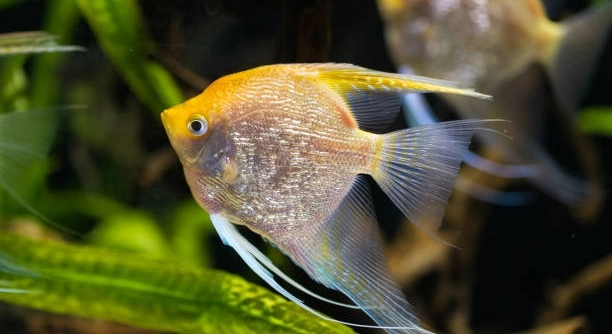
Aggressive behavior in angelfish can be frustrating for any aquarium owner. While these fish are beautiful, their territorial nature sometimes leads to conflicts, especially when they share a tank with other species. Managing aggression is essential for a peaceful aquarium.
To reduce aggression in angelfish, focus on creating a balanced environment. This includes providing enough space, establishing hiding spots, and carefully choosing tank mates. Proper water quality and maintaining a consistent feeding routine can also help minimize aggressive behavior.
By making a few adjustments to your tank setup, you can create a peaceful space for your angelfish. Understanding their behavior and the factors that contribute to aggression is key to improving their well-being.
Provide Enough Space in the Tank
One of the simplest ways to reduce aggression in angelfish is to make sure they have enough space to swim and establish their own territory. Angelfish are naturally territorial creatures, and in a cramped tank, they will often fight for space and dominance. A tank that’s too small can lead to overcrowding, which can increase stress levels and cause them to become more aggressive toward each other and other fish.
Angelfish do best in tanks of at least 30 gallons, especially if you plan to keep more than one. The more space they have, the less likely they are to engage in territorial disputes.
In addition to tank size, it’s important to make sure there’s enough room for hiding spots and areas where the fish can retreat if needed. This gives the angelfish a sense of security, which can reduce stress and aggression. Larger tanks with plenty of plants or decorations offer the opportunity for each fish to claim its own area, which can prevent fights.
Choose Compatible Tank Mates
Choosing the right tank mates can have a big impact on the aggression levels of your angelfish. Some fish species are naturally more peaceful and can coexist with angelfish without causing stress. Others may trigger aggression simply by being in the same space.
When selecting tank mates, avoid species that are overly territorial or aggressive themselves. Fish like tetras, catfish, and other peaceful species work well with angelfish. Be mindful of the size and temperament of each species you choose, as some may become stressed or intimidated by larger or more active fish.
It’s also important to avoid overcrowding, as this can lead to competition for space and food, further increasing aggression. You want to create a peaceful, harmonious environment for your angelfish where they can thrive without feeling constantly threatened.
Create Plenty of Hiding Spots
Angelfish are known for being territorial, but they also need places to hide when they feel threatened. Providing plenty of hiding spots in your tank can help minimize aggression, especially when introducing new fish. Angelfish may become stressed if they are constantly in view of other fish, and creating secure areas will give them the chance to retreat when needed.
Plants, rocks, driftwood, or specially designed aquarium decorations can serve as hiding spots for angelfish. Having these spaces helps reduce their sense of vulnerability, which in turn reduces the likelihood of aggression. These hiding spots allow fish to feel safe and establish boundaries in their territories.
Additionally, hiding spots give fish more opportunities to interact with each other on their terms. Angelfish will often retreat to these areas and avoid direct conflict with other tank mates, thus preventing unnecessary aggression.
Maintain Proper Water Conditions
The quality of the water in your tank plays a significant role in the behavior of your angelfish. Poor water quality can cause stress, which in turn increases the likelihood of aggressive behavior. Keeping your tank water clean and balanced is essential for maintaining peace in your aquarium.
Make sure to regularly test the water for temperature, pH, and nitrate levels. Angelfish thrive in stable environments with clean, slightly acidic water. If the water conditions fluctuate too much, or if they become too dirty, your angelfish will likely become more stressed and aggressive.
Perform regular water changes, ideally around 25-30% every two weeks, to keep the environment clean. Use a reliable filter to keep the water moving and oxygenated, as this will help maintain healthy water conditions. Healthy, stable water conditions create a comfortable environment for your angelfish, allowing them to focus on their surroundings instead of feeling stressed.
Avoid Overfeeding
Overfeeding can lead to water quality problems, which in turn increases stress and aggression in angelfish. If there’s too much food in the tank, it may decay, causing ammonia levels to rise and the water to become polluted.
By feeding your angelfish only what they can consume in a few minutes, you can avoid overfeeding. It’s better to feed smaller amounts of food more frequently. This not only helps keep the water clean but also reduces competition among fish for food.
Feeding angelfish appropriately also ensures they remain healthy and avoid stress. When angelfish compete for food, they often become aggressive, especially if they feel threatened. Keeping their diet balanced and controlled encourages peaceful behavior and a healthier environment for your fish.
Provide a Stable Lighting Schedule
Angelfish are sensitive to light changes, and inconsistency in their light cycle can affect their behavior. A stable light schedule is key to reducing stress and aggression.
A consistent day-night cycle, mimicking natural sunlight patterns, helps angelfish maintain their rhythm. Having light on for about 10-12 hours a day, followed by a period of darkness, encourages a peaceful environment. Constant light can disturb their natural sleep cycles, making them anxious and more likely to act aggressively.
If you’re using artificial lighting, ensure it is not too harsh. Soft, warm lighting mimics the natural sunlight angelfish would experience in their native environment. Keeping the lighting cycle consistent and appropriate helps reduce unnecessary stress and promotes a calmer atmosphere.
Use Tank Dividers
Tank dividers can be a simple and effective way to reduce aggression. They allow you to separate fish without needing to move them into a different tank.
Using dividers gives angelfish their own space while still allowing them to see and interact with each other. This minimizes territorial disputes and reduces stress, especially when introducing new fish.
Dividers are particularly useful for keeping aggressive angelfish apart from more passive ones. By creating designated spaces for each fish, you can avoid conflicts and maintain a peaceful environment. Just be sure the dividers are made from safe, non-toxic material to avoid any harm to your fish.
Reduce Stress with Consistent Tank Maintenance
Routine tank maintenance helps reduce the risk of aggression in angelfish. Consistency is key to maintaining a stable, calm environment for them.
Regular cleaning and water changes will keep the tank conditions optimal. This ensures your angelfish don’t feel stressed by poor water quality or pollution. A well-maintained tank promotes healthier fish, which leads to less aggressive behavior.
Monitoring the health of your tank and its inhabitants also helps you spot any issues before they escalate. Ensuring your fish have a clean and comfortable environment is essential for keeping aggression at bay.
Monitor the Size and Gender Ratio
Angelfish are more likely to display aggression if there is an imbalance in the size or gender ratio. It’s important to avoid having too many males or females in the same tank.
Male angelfish can be territorial and may compete for dominance, which increases stress and aggression. A balanced gender ratio and ensuring they have enough space helps reduce these tensions. Keeping more females than males in a tank can also reduce the chances of aggressive behavior, as males tend to focus their aggression on each other.
FAQ
What are the signs of aggression in angelfish?
Aggression in angelfish can be shown in a few different ways. One of the most common signs is chasing. When an angelfish starts chasing other fish around the tank, it’s usually a sign they’re claiming territory. Flaring fins and puffing up their bodies are also clear signs that an angelfish is trying to intimidate other fish. If you notice one angelfish nipping or attacking others, this can indicate a serious territorial dispute. Fish that are being bullied might also hide more than usual or display signs of stress, such as faded colors or erratic swimming.
Can angelfish live with other fish?
Yes, angelfish can live with other fish, but it depends on the species. They tend to get along well with peaceful fish, like tetras, catfish, or small plecos. However, they can become aggressive with other fish that are similar in size or have long, flowing fins, which they might mistake as a rival. It’s best to avoid placing angelfish with very active or territorial fish like cichlids or fin-nipping species. When introducing new tank mates, always monitor their behavior closely to ensure there are no conflicts.
How many angelfish can be kept together?
Angelfish are territorial, so keeping too many together in a small tank can lead to increased aggression. Ideally, you should keep only a few angelfish in a tank, depending on its size. In a tank that’s 30 gallons or larger, you can typically house 2-4 angelfish, but it’s important to ensure they have enough space to establish their own territories. Too many angelfish can lead to constant fighting and stress, which is not healthy for them. If you want to keep more than one, consider using tank dividers to provide each fish with its own space.
How can I stop my angelfish from fighting?
To stop angelfish from fighting, you need to focus on reducing stress and ensuring they have their own space. First, make sure your tank is large enough and has plenty of hiding spots. A well-planted tank with decorations provides areas where fish can retreat when feeling threatened. If the aggression is between males, adding more females to the tank can help balance things out. Additionally, ensure you’re not overcrowding the tank, as too many fish can lead to more territorial disputes. Regular maintenance of water quality also plays a major role in reducing stress.
What causes angelfish to become aggressive?
Angelfish may become aggressive for a few reasons. One of the main causes is territorial behavior, especially when they feel their space is being invaded by other fish. Males are particularly prone to aggression when competing for territory or mates. Other factors include overcrowding, poor water quality, and stress from sudden changes in their environment, such as water temperature or lighting. A lack of hiding spots can also contribute to aggression, as angelfish may feel they have nowhere to retreat. Proper tank setup and care are essential in minimizing these triggers.
Do angelfish get along with each other?
Angelfish can get along with each other, but it depends on the size of the tank and the number of fish. In a smaller tank, angelfish may fight over territory. However, in larger tanks, you can keep multiple angelfish as long as they have enough space. It’s best to keep a balanced male-to-female ratio to avoid excessive aggression between males. Introducing angelfish in pairs or groups can also reduce fighting, but always monitor their behavior to make sure they are not becoming too territorial.
How can I reduce aggression in a newly introduced angelfish?
When introducing a new angelfish to an existing tank, aggression can often arise as the fish establish their territories. To reduce aggression, start by placing the new angelfish in a separate quarantine tank for a few days to observe its health. Once it’s healthy, you can introduce it slowly to the main tank, ensuring there are plenty of hiding spots for both the new and existing fish. It can also help to rearrange decorations or plants in the tank to break up established territories and give the new fish a chance to settle in.
What size tank do angelfish need?
Angelfish need a relatively large tank to thrive. A minimum of 30 gallons is recommended for a small group of angelfish. A larger tank, 50 gallons or more, is even better, especially if you plan on keeping multiple angelfish or other species. The larger the tank, the more space your fish will have to establish territories without constant conflict. Proper space also helps maintain water quality and ensures that your angelfish have enough room to swim freely, which reduces stress and aggression.
How often should I feed my angelfish?
Angelfish should be fed once or twice a day, but only enough food that they can eat within a few minutes. Overfeeding can lead to poor water quality and stress, which can contribute to aggression. It’s best to provide a balanced diet that includes both high-quality flakes and occasional live or frozen foods, like brine shrimp or bloodworms. Be sure to remove any uneaten food after feeding to prevent it from decaying and polluting the water. A regular feeding schedule helps keep your angelfish healthy and reduces competition for food.
Are angelfish aggressive toward other species?
Angelfish can be aggressive toward other species, especially if they feel their territory is threatened. They may show aggression toward smaller or more passive fish, or toward species with long, flowing fins that resemble rival angelfish. However, angelfish are usually peaceful if kept with compatible tank mates. It’s important to choose non-aggressive fish that won’t provoke your angelfish. Avoid species like fin-nipping fish, as this will cause unnecessary stress and aggression. By selecting the right tank mates, you can reduce the likelihood of conflicts.
Final Thoughts
Managing aggression in angelfish can be a challenge, but with the right approach, it’s possible to create a peaceful and healthy environment for them. Angelfish, like many fish species, have natural instincts to protect their territory. This can lead to conflicts, especially when they feel crowded or stressed. Ensuring that your tank is spacious and well-maintained is the first step toward minimizing aggression. A tank that’s too small or overcrowded can increase tension between fish, leading to fights and other stressful behaviors. Providing enough room for each fish to establish its own space, along with hiding spots, can make a big difference in reducing territorial disputes.
Another important factor to consider is the choice of tank mates. Angelfish tend to do best when kept with other peaceful species. Fish that are too aggressive or too similar in size can lead to more fighting. It’s essential to carefully select fish that won’t provoke your angelfish, and make sure there’s enough space for everyone. Angelfish also benefit from having a stable environment, with consistent water conditions and lighting. Stress can trigger aggression, so regular water changes, proper filtration, and maintaining the right temperature and pH levels are all crucial for keeping your fish calm.
By taking these steps and keeping a close eye on your angelfish, you can minimize aggression and create a more enjoyable tank for everyone. Be patient, as it can take time for the fish to settle into a new environment or adjust to changes in the tank. Monitoring their behavior and making small adjustments, like adding more hiding spots or adjusting the tank’s layout, can go a long way in promoting peace among your angelfish. Ultimately, a peaceful tank environment is key to maintaining healthy fish that can live harmoniously with each other.

Hello,
If you enjoy the content that we create, please consider saying a "Thank You!" by leaving a tip.
Every little bit helps us continue crafting quality advice that supports the health, happiness, and well-being of pets around the world, for pets of all shapes, sizes, and species.
We really appreciate the kindness and support that you show us!