
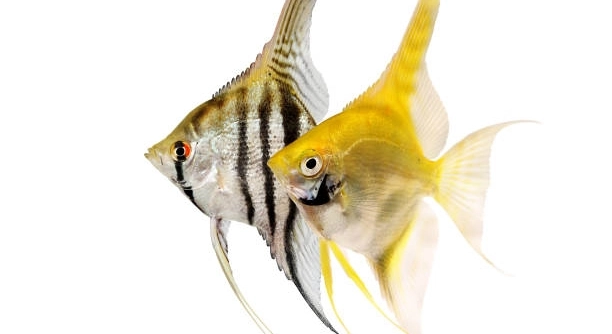
Angelfish are delicate creatures, and understanding their behavior in the tank is essential for their well-being. Observing how they act can tell you a lot about their comfort level in their environment.
Angelfish display various signs that indicate they feel secure in their tank. These include swimming confidently, interacting with other fish, showing curiosity, and maintaining healthy coloring. A calm, active angelfish is often a sign of a happy, secure fish.
Understanding these signs will help ensure that your angelfish remains healthy and thrives in its aquatic home. Keep reading to learn more about recognizing when your angelfish feels truly secure.
Consistent Swimming Patterns
When your angelfish feels secure, you will notice a smooth and consistent swimming pattern. This behavior is typically calm and steady, with the fish moving around its tank without appearing nervous or stressed. Angelfish that are comfortable will swim at different levels of the tank, exploring both the top and bottom. When they are at ease, their movements are graceful and purposeful, not erratic or hiding. This type of behavior is a clear sign that they are confident in their surroundings and feel safe.
Their consistent swimming indicates that they trust their environment. If your angelfish frequently hides or moves frantically, it could be a sign that something in the tank is making them uneasy, such as poor water quality or aggressive tankmates. It’s essential to keep the water clean and ensure there is enough space for all fish to feel secure.
When they swim in a steady, relaxed manner, it suggests that your tank environment is providing the security they need. A stable habitat encourages these peaceful behaviors, and it’s a good sign that your fish is adapting well.
Active Interaction with Tankmates
A secure angelfish is often seen interacting with its tankmates. They may engage in gentle swimming alongside other fish, or even share hiding spots in the tank. This kind of interaction shows that they feel comfortable sharing their space. Angelfish that are not yet settled or feel threatened tend to isolate themselves and stay away from other fish.
For the best tank environment, ensure that your angelfish has compatible tankmates. Aggressive or incompatible fish can make them feel unsafe, leading to stress or hiding. A harmonious tank setup supports these interactions, helping your angelfish thrive.
Active interaction also shows that your fish is not territorial. Angelfish that feel secure are more likely to share their space without aggression. However, you should monitor their behavior closely to ensure no one becomes overly dominant. The right balance between fish species will help your angelfish feel truly secure.
Healthy Coloring
When angelfish feel secure, their colors become vibrant and rich. Healthy, vibrant coloring is a clear indicator that your fish is not stressed. Dull or faded colors can be a sign of discomfort, illness, or environmental issues. You’ll notice your angelfish’s natural beauty shines when they are at ease.
These colors are a result of a healthy and balanced environment. Secure angelfish often display bright, even tones across their bodies, with shimmering scales that reflect light. If you notice any pale or patchy coloring, it could signal a problem with water quality, diet, or tank conditions.
Maintaining good water conditions, proper lighting, and a suitable diet all help in preserving the bright colors of your angelfish. A fish that has healthy, glowing colors is generally happy and secure. Keep an eye on their health by checking for any changes in their coloring over time.
Exploring the Tank
A secure angelfish will feel confident enough to explore every corner of the tank. Whether it’s swimming near plants or investigating new additions, exploration is an important sign of comfort. Angelfish are naturally curious, and a lack of exploration often signals that something in the tank is causing distress.
They may swim in the plants, hide near decorations, or explore the top and bottom areas of the tank. The more confident they feel, the more likely they are to venture out and interact with their surroundings. If your angelfish tends to stay in one area or hide frequently, it could mean they feel threatened or uncomfortable in the environment.
Encouraging a safe, enriching environment with proper tank decor and plants can stimulate exploration. The more secure they feel, the more they’ll explore their habitat freely. If your angelfish is swimming confidently around the tank, it’s a good sign that they feel at home in their space.
Feeding Regularly
When your angelfish feels secure, they will actively eat and show interest in their food. A healthy appetite is a sign that the fish is not stressed and is comfortable in its environment. If they seem disinterested or avoid eating, it might indicate a problem.
Fish that are at ease typically have a steady, regular feeding routine. Secure angelfish approach their food with enthusiasm, and this behavior suggests that they are not dealing with any external stressors. A lack of appetite can often be traced back to water quality, tank mates, or illness.
Maintaining a consistent feeding schedule encourages this behavior. It’s important to provide a balanced diet that promotes both physical and mental well-being. Healthy, active eating habits are key indicators of your angelfish’s security.
Territorial Behavior
When an angelfish feels secure, they tend to establish and defend their territory, but in a calm manner. They will sometimes display territorial behavior by claiming a spot in the tank. This behavior is natural and signifies a sense of ownership over their space.
Territoriality can be a sign of a secure fish, as long as it doesn’t turn aggressive. A secure angelfish will establish its place without acting out in hostility toward other tank mates. If you see your angelfish swimming confidently and staking a claim on a particular area, it’s a good sign that they feel safe.
Active Breeding Behavior
Angelfish that feel secure will often engage in breeding behavior. This includes selecting mates, preparing nests, and guarding eggs. Healthy and secure angelfish will exhibit these behaviors without stress, as they need a stable environment to reproduce. If breeding occurs, it shows that they are comfortable in their tank.
FAQ
How can I tell if my angelfish is stressed?
Signs of stress in angelfish include hiding, erratic swimming, and a lack of appetite. Stress can be caused by poor water quality, aggressive tankmates, or a crowded tank. A stressed angelfish may also show signs of fading colors or unusual behavior, such as swimming in circles. It’s important to monitor these signs to ensure your fish’s well-being.
What should I do if my angelfish is hiding?
If your angelfish is hiding, check the water conditions and tank environment. Poor water quality or aggressive tankmates can cause them to seek refuge. Ensure that your tank has plenty of hiding spots and that the water temperature, pH, and filtration are appropriate. A little time alone isn’t unusual, but persistent hiding should be addressed.
Can I keep multiple angelfish in the same tank?
Yes, you can keep multiple angelfish in the same tank, but it’s crucial to monitor their interactions. Angelfish can be territorial, so ensure there’s enough space and hiding spots. It’s best to keep a small group of similarly sized angelfish to avoid aggression. Providing enough space for them to claim territories can help maintain peace.
How often should I feed my angelfish?
Feed your angelfish 1-2 times a day, giving them as much food as they can consume in about 2-3 minutes. Avoid overfeeding, as it can lead to water quality issues. A balanced diet of high-quality flakes, pellets, and occasional frozen or live foods will keep your angelfish healthy and secure in their environment.
What size tank do angelfish need?
Angelfish need at least a 20-gallon tank to thrive, but larger tanks are always better. A larger tank offers more space for swimming, reduces territorial issues, and helps maintain stable water conditions. If you plan to keep multiple angelfish or other fish species, consider a 30-gallon or larger tank.
What is the best water temperature for angelfish?
Angelfish thrive in water temperatures between 76-80°F (24-27°C). Keeping the water at this range ensures they remain active and healthy. Temperatures outside this range can stress the fish, leading to weakened immune systems and illness. Invest in a reliable heater to maintain a consistent temperature in the tank.
How can I improve my angelfish’s tank environment?
To improve your angelfish’s environment, focus on water quality, tank decoration, and suitable tankmates. Regularly clean the tank, monitor water parameters, and maintain a consistent temperature. Add plants, rocks, and hiding spots to create a natural, comfortable environment for your fish. Also, avoid overcrowding, which can lead to stress.
Do angelfish need a filter?
Yes, angelfish need a filter to maintain clean water. A good filtration system removes waste and maintains the water’s quality, preventing harmful toxins from building up. Ensure that the filter is gentle enough for angelfish, as they don’t do well with strong currents. A well-maintained filter is essential for a healthy tank.
How do I prevent aggression between angelfish?
To prevent aggression, provide plenty of space and hiding spots. A larger tank with multiple plants and decorations allows angelfish to establish their territories without clashing. You can also introduce new fish slowly to reduce stress. It’s important to keep the fish in a peaceful community where they feel secure.
Can angelfish live with other fish?
Yes, angelfish can live with other peaceful species, but be cautious about tankmate compatibility. Avoid keeping them with overly aggressive or fast-moving fish that may stress them out. Good tankmates include tetras, peaceful gouramis, and small plecos. Ensure all fish in the tank are similar in size to prevent bullying.
What should I do if my angelfish has faded colors?
Faded colors can indicate stress or poor water quality. First, check the water parameters and ensure they are within the ideal range for angelfish. If the water quality is fine, look for signs of illness, such as lesions or lethargy. Adjusting the tank environment and diet should help restore their natural color.
How long do angelfish live?
Angelfish typically live for 10 years in optimal conditions. However, their lifespan can be shorter if water quality is poor, or they are exposed to disease. Regular tank maintenance, a balanced diet, and suitable tankmates will help ensure a long and healthy life for your angelfish.
Do angelfish need a light in their tank?
Yes, angelfish benefit from a light cycle to help regulate their natural day-night rhythms. A gentle aquarium light provides the necessary light for plant growth and encourages natural behaviors in angelfish. However, avoid leaving the light on too long, as it can lead to algae growth and disrupt the fish’s sleep cycle.
What should I do if my angelfish is not eating?
If your angelfish isn’t eating, check for environmental stressors, such as water quality or temperature issues. Make sure the food is appropriate for them, and consider offering live or frozen foods to stimulate their appetite. If the problem persists, check for signs of illness or consult a vet.
How can I tell if my angelfish is sick?
Sick angelfish may show signs such as fading colors, loss of appetite, abnormal swimming, or unusual lesions. They may also become lethargic or have clamped fins. It’s important to isolate the sick fish and treat the tank promptly if you notice any of these symptoms to prevent further spread of illness.
Are angelfish aggressive toward other species?
Angelfish are generally peaceful but can be territorial, especially during breeding. They may show aggression toward smaller fish or fish that invade their space. Providing plenty of hiding spots and space within the tank can help reduce aggression. Avoid keeping angelfish with overly aggressive species.
Can I breed angelfish in a community tank?
Breeding angelfish in a community tank is possible but may be challenging. The presence of other fish can stress the angelfish or disrupt breeding behavior. It’s best to breed angelfish in a separate breeding tank to ensure the eggs and fry are protected.
Final Thoughts
Creating a secure environment for your angelfish is essential to their well-being. These fish thrive in stable water conditions, proper tank setups, and regular care. By ensuring a suitable tank size, clean water, and balanced diets, you can help your angelfish feel safe and confident. Monitoring their behavior and adjusting the environment as needed will keep your fish happy and healthy.
Regular maintenance is crucial in maintaining water quality, which plays a significant role in the health of your angelfish. Consistent water changes, proper filtration, and monitoring the temperature will help create an environment where your fish can thrive. Additionally, providing ample space and appropriate tank mates reduces stress and prevents territorial disputes. A peaceful and well-maintained tank will encourage your angelfish to act naturally, whether by showing off vibrant colors or confidently claiming their space.
While it may take time for your angelfish to settle in, the signs of security are evident once they feel comfortable. Watch for behaviors like active swimming, regular feeding, and even territorial claims. These signals suggest that your fish have adjusted well to their surroundings and are living in a secure environment. By staying observant and maintaining optimal conditions, your angelfish will remain healthy and content for years to come.

Hello,
If you enjoy the content that we create, please consider saying a "Thank You!" by leaving a tip.
Every little bit helps us continue crafting quality advice that supports the health, happiness, and well-being of pets around the world, for pets of all shapes, sizes, and species.
We really appreciate the kindness and support that you show us!