
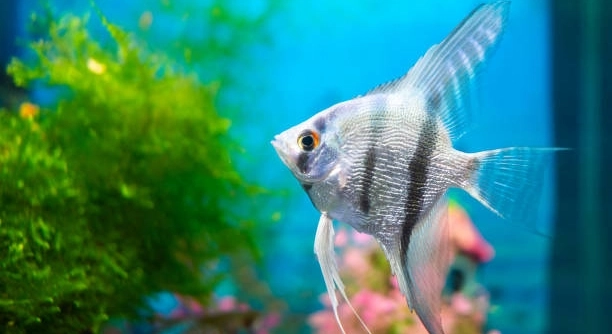
Is your angelfish swimming oddly, with its body tilted to one side more often than usual? You’re definitely not alone in noticing this strange behavior in your home aquarium.
Angelfish commonly tilt their bodies due to swim bladder issues, stress, poor water conditions, or underlying infections. These factors affect their buoyancy and balance, making it difficult for them to swim upright.
Learning the possible causes behind this behavior can help you take better care of your fish and improve its quality of life.
Swim Bladder Disorder
Swim bladder disorder is one of the most common reasons an angelfish might tilt or struggle to stay upright. The swim bladder is a small organ that helps the fish control its buoyancy. When it’s inflamed or not functioning correctly, your angelfish may float awkwardly, sink, or tilt to one side. This issue can be caused by overfeeding, constipation, bacterial infections, or even injury. Overfeeding, in particular, often leads to digestive issues that put pressure on the swim bladder. Feeding smaller portions and including fiber-rich foods like daphnia or peas can sometimes help. In more serious cases, antibacterial treatments or a salt bath may be needed. Always make sure your water parameters are stable, as poor conditions can worsen the situation. If symptoms persist for several days without improvement, it’s a good idea to consult a veterinarian who understands tropical fish health.
Mild cases often improve with fasting and a simple diet change.
Being observant and reacting early can often prevent swim bladder problems from becoming more severe. With proper care and adjustments, many angelfish return to normal swimming behavior within a few days. Regular tank maintenance and a balanced diet are key to supporting their overall health.
Stress and Environmental Factors
Stress can greatly affect how your angelfish behaves, including causing it to tilt.
A tank that’s too crowded, too noisy, or lacks proper hiding spots can lead to constant stress. Sudden temperature changes or water pH shifts can also trigger discomfort and imbalance. Angelfish are sensitive to their environment, and something as simple as frequent water changes or rough handling can cause them to react physically. Try to keep the tank peaceful and steady—this includes consistent lighting, regular feeding times, and a calm atmosphere around the aquarium. Also, check if other fish are bullying your angelfish. Fin nipping or chasing can make them anxious and more likely to swim in a tilted position. Adding some live plants or vertical decorations can help create safe spaces. If you suspect stress is the issue, give your fish time to adjust while monitoring for signs of improvement. Stability and a calm setup often make a big difference.
Poor Water Quality
Dirty water can quickly impact your angelfish’s health and swimming behavior. If the tank hasn’t been cleaned regularly or the filter isn’t working well, harmful toxins may build up and cause stress or illness.
High levels of ammonia, nitrite, or nitrate can cause your angelfish to tilt, gasp, or become sluggish. Test the water weekly to keep these levels under control. A partial water change of about 25–30% every week helps remove waste and keep things balanced. Make sure the filter is running properly and not clogged. Uneaten food and decaying plants can also pollute the tank quickly. Remove debris as soon as possible and avoid overfeeding. Use a water conditioner to make tap water safe before adding it to the tank. A clean, stable environment supports better swimming and helps your fish stay healthy.
Try to keep the temperature between 76–82°F and the pH around 6.5–7.5. Sudden changes can be harmful. Stable conditions will make your angelfish feel more comfortable. If the tank has not been cleaned in a while, improve the water gradually instead of doing a large change all at once. Sudden shifts can cause shock. Always aim for small, steady adjustments to help your fish recover safely.
Injuries or Physical Trauma
Physical injuries from tank decorations, filter intake tubes, or aggressive fish can cause an angelfish to tilt. If you notice torn fins or missing scales, your fish may have bumped into something or been attacked.
After an injury, your angelfish may show signs of pain or weakness, including odd swimming patterns. Keep an eye on tankmates to ensure no one is being aggressive. If needed, separate the angelfish into a recovery tank. Add a little aquarium salt to help reduce stress and prevent infection. Check that all decorations are smooth, without sharp edges. Sponge covers for filter intakes can also help avoid accidents. Injuries often heal with clean water and quiet surroundings, but more serious trauma may require treatment. Watch for signs of infection like swelling, redness, or white patches, and consider using a mild antibacterial product if needed.
Parasitic Infections
Parasites like Hexamita or flukes can cause your angelfish to swim oddly, lose balance, or show signs of weakness. These infections often come with other symptoms like weight loss, clamped fins, or white stringy poop.
Quarantining new fish before adding them to the tank helps prevent the spread of parasites.
Nutritional Deficiency
A poor diet can weaken your angelfish’s immune system and affect its ability to swim properly. If your fish lacks certain vitamins or proteins, it may tilt or act sluggish. Feed a varied diet with high-quality flakes, pellets, and frozen foods like brine shrimp or bloodworms. Avoid feeding only one type of food every day. Try rotating meals and giving them something with more nutrients at least a few times a week. Vitamin-enriched foods are also available and can help support better balance and energy. Malnourished fish are more prone to infections, which can also make tilting worse.
Genetics or Deformities
Some angelfish are born with slight deformities that affect how they swim. These issues might not be fixable but don’t always cause pain. As long as the fish eats well and behaves normally, it can still live a good life.
FAQ
Why is my angelfish swimming sideways?
If your angelfish is swimming sideways or at an angle, it could be due to swim bladder problems. This organ helps the fish maintain its balance and buoyancy. If it’s not functioning correctly, your fish might have difficulty staying upright. Other possible causes include poor water quality, stress, or an injury. A quick check of the water parameters, along with ensuring that the fish isn’t being bullied, can help. Sometimes adjusting the diet or temporarily fasting the fish can resolve mild swim bladder issues.
Can stress cause my angelfish to tilt?
Yes, stress is a common factor that can lead to tilting in angelfish. They’re sensitive to changes in their environment. Sudden temperature shifts, loud noises, or overcrowding can make them anxious and affect their ability to swim properly. Make sure to provide a calm, stable environment for your fish. A peaceful tank with plenty of hiding spots will help minimize stress. Also, avoid making frequent changes to the tank setup or introducing new tankmates too quickly.
How can I tell if my angelfish has an infection?
Infections in angelfish often come with symptoms like faded color, clamped fins, lesions on the body, or unusual swimming behavior. If your angelfish is tilting, it could be a sign of a parasitic or bacterial infection. Look for any changes in their appearance, such as white spots, sores, or a bloated abdomen. If you notice any of these signs, you may need to treat the fish with medication designed for the specific infection. A separate quarantine tank is often the best way to treat infected fish without spreading the issue to others.
How do I treat swim bladder disease?
Treatment for swim bladder disease varies depending on the cause. If your angelfish is suffering from constipation, fasting it for 24-48 hours and offering peas (after boiling and removing the skin) may help. If the issue is related to water quality, do a water change and ensure proper filtration. In cases where the problem persists, antibiotics or antibacterial treatments may be necessary, especially if a bacterial infection is involved. Always avoid overfeeding and feed small, balanced portions to prevent future issues.
What should I do if my angelfish keeps tipping over?
When your angelfish constantly tips over, it could be a sign of an imbalance caused by swim bladder disease, poor water quality, or a more serious infection. First, check your water parameters, as high ammonia or nitrate levels can harm the fish. Ensure the water is clean and the temperature is stable. If there’s no improvement, consider isolating the angelfish in a hospital tank with pristine water conditions and treating it with antibiotics if needed. In mild cases, adjusting the diet and providing a calm environment can help.
Can a poor diet cause tilting in angelfish?
Yes, a poor diet can lead to tilting in angelfish, as it weakens their immune system and affects their buoyancy. Fish that aren’t getting the proper nutrients may develop swim bladder problems or other health issues. A diet rich in high-quality pellets, flakes, and occasional live or frozen foods is essential for keeping your angelfish healthy. Nutrient deficiencies can also make them more susceptible to infections, which could worsen tilting. Always feed a variety of foods and avoid overfeeding, as too much food can lead to constipation.
What causes my angelfish to swim in circles?
If your angelfish is swimming in circles, it could be a sign of neurological issues, parasites, or stress. In some cases, certain parasites affect the fish’s nervous system, causing erratic swimming. Stress from poor water conditions or an overcrowded tank can also make your angelfish behave in abnormal ways. Ensure the tank is clean, and check for other signs of illness like lesions or changes in appetite. If parasitic infection is suspected, treatment with a suitable anti-parasitic medication may be required.
Why does my angelfish swim upside down?
Swimming upside down is usually a sign of severe swim bladder issues. This can happen if the swim bladder is damaged, or if your angelfish is suffering from an infection, injury, or constipation. If this happens, check the water quality first, as poor conditions can exacerbate the problem. You can try fasting the fish and offering fiber-rich foods to help with constipation. In more serious cases, consult a vet who specializes in fish for further diagnosis and treatment. A salt bath may help in some cases, but it should be done carefully.
How can I prevent swim bladder issues in angelfish?
Preventing swim bladder problems in angelfish starts with proper tank maintenance and a balanced diet. Avoid overfeeding, as this can lead to constipation, which is a common cause of swim bladder disease. Provide a variety of foods that include both plant and protein-based options. Keep your tank clean by performing regular water changes and ensuring the filtration system works effectively. Stable water parameters are essential. A tank that’s too crowded, has poor water circulation, or is constantly changing can also increase the risk of swim bladder issues.
Should I remove my angelfish from the main tank if it’s tilting?
If your angelfish is tilting or swimming abnormally, it’s a good idea to isolate it in a quarantine tank, especially if it’s showing signs of illness. This allows the fish to rest and recover without the stress of interacting with other tankmates. A separate tank also prevents the potential spread of any infections or diseases. Make sure the quarantine tank has clean, stable water conditions to help the fish heal faster. You can monitor its progress more closely and treat it with medication if necessary.
Final Thoughts
Angelfish are beautiful and delicate creatures, and noticing them tilting or swimming abnormally can be concerning. There are many potential reasons for this behavior, from swim bladder issues to poor water quality or even stress. The key to addressing this problem is identifying the root cause. Keeping an eye on their environment, diet, and general health will help you spot problems early and take the right steps to correct them. In some cases, tilting may resolve itself with a little change in care, while in others, more direct treatment might be necessary.
Always start by checking the water quality, as poor conditions are a major factor in many fish health issues. High ammonia, nitrate, or nitrite levels can make your angelfish feel unwell and cause them to tilt or struggle with buoyancy. Regular water changes, proper filtration, and a stable tank temperature can go a long way in preventing this. Additionally, overfeeding or feeding inappropriate foods can also lead to digestive issues like constipation, which can contribute to swim bladder problems. Offering a balanced, varied diet and avoiding overfeeding will help keep your angelfish healthy and less prone to these issues.
If your angelfish is still tilting despite making improvements to its environment and diet, consider other possibilities like injury, infection, or stress. Injuries from sharp decorations or aggressive tankmates are common and can cause your fish to tilt as it tries to swim. Infections or parasites can also affect their ability to balance. If you’re unsure about the cause or the situation isn’t improving, don’t hesitate to consult with a veterinarian who specializes in fish care. With the right attention and care, most angelfish can recover and continue to thrive in their tank.

Hello,
If you enjoy the content that we create, please consider saying a "Thank You!" by leaving a tip.
Every little bit helps us continue crafting quality advice that supports the health, happiness, and well-being of pets around the world, for pets of all shapes, sizes, and species.
We really appreciate the kindness and support that you show us!