
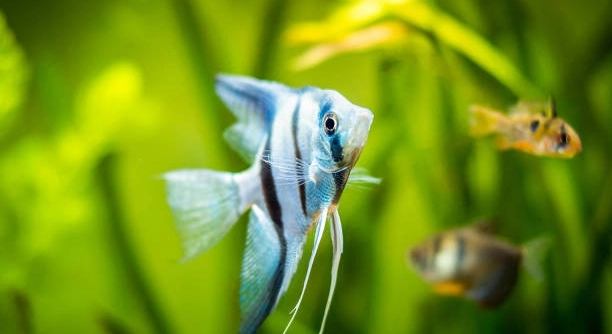
Angelfish are often known for their active and curious nature. When one starts ignoring its reflection, it can leave owners puzzled. Understanding the behavior of these fish is key to maintaining a healthy aquarium environment.
The change in your angelfish’s reaction to its reflection may stem from several factors. Fish can lose interest in their reflection as they become accustomed to it, or it may signify changes in their environment or health.
There are several possible reasons behind this behavior, from their social dynamics to possible changes in their surroundings. Each theory can provide insight into your angelfish’s actions.
1. Changes in the Environment
Angelfish are sensitive to changes in their environment. A sudden shift in water temperature, water quality, or even light levels can affect their behavior. These fish may ignore their reflection as a response to stress caused by these changes. For example, if the water temperature is inconsistent or the filtration system is not working properly, the fish may feel uncomfortable and act differently. Changes in the size or placement of objects in the tank can also trigger altered behavior.
This means that even small alterations, like moving decorations or adjusting the lighting, can cause your angelfish to become disoriented.
When adjusting the setup of your tank, make sure all factors like water temperature, pH levels, and lighting are kept consistent. Monitoring the tank’s stability will ensure the fish feel secure and less likely to ignore reflections.
2. Social Behavior and Territory
Angelfish can be territorial, especially when they are feeling crowded. If another fish is present in the tank, the angelfish may pay more attention to that fish rather than its own reflection. Territoriality is a natural instinct that helps fish defend their space and ensure their survival.
If your angelfish has a lot of space to roam, it may feel less inclined to react to its reflection. However, if the tank is overcrowded or if another fish is competing for attention, your angelfish might focus on its surroundings instead. This can lead to less interaction with the reflection.
In a well-balanced tank, fish can coexist peacefully. However, if you notice territorial behavior, try adjusting the layout or separating aggressive fish to provide each one with its own space. This can help reduce stress and encourage natural behaviors.
3. Age and Maturity
As angelfish age, they may lose interest in their reflection. Young angelfish are often curious and reactive, but as they mature, their behavior can change. This could be due to a decreased level of stimulation or simply because they become accustomed to the environment.
Older angelfish may recognize their own reflection and stop reacting as they once did. They may become more focused on other aspects of their environment, like food or interactions with tank mates. This behavior is natural and often signifies that the fish has settled into its environment.
If you’re noticing that your angelfish is older and less responsive to its reflection, it’s likely a sign of maturity. This behavior doesn’t necessarily indicate a problem, but it’s important to continue monitoring the fish’s overall health and activity.
4. Stress or Illness
Stress and illness can cause your angelfish to behave differently. A stressed fish may withdraw and ignore its reflection as a way of avoiding further disturbance. Similarly, if your fish is not feeling well, it might not react as strongly to visual stimuli.
Illness or stress can be caused by several factors, including poor water conditions, sudden temperature changes, or even interactions with other fish. A sick fish may lose interest in its reflection because it is too weak or lethargic to engage with it. Stress might also cause the fish to seek out quiet or secluded spots in the tank, leading to reduced activity.
To ensure your angelfish is not stressed or ill, perform regular water quality tests, check for signs of disease, and observe its behavior closely. Addressing stress factors can help your angelfish feel more comfortable and active.
5. Light Reflection and Tank Placement
The way light interacts with the tank can affect how your angelfish reacts to its reflection. A tank placed near a window or bright light source may cause changes in how reflections appear, leading to less interest from the fish.
In some cases, reflections can become more distracting when the light is too intense. If the tank is in a location where light changes frequently, it could lead to the fish ignoring the reflection as it adjusts to the new lighting conditions.
Moving the tank to a more controlled area with consistent lighting can help. This can reduce unnecessary visual stimulation and help your fish feel more at ease.
6. Water Quality
Poor water quality is a common factor that affects fish behavior. Angelfish are sensitive to changes in water parameters, such as pH, ammonia, and nitrate levels. When the water quality is low, your angelfish may show less interest in its surroundings, including its reflection.
To maintain good water quality, perform regular water changes and monitor the tank’s filtration system. Testing the water for harmful substances is crucial to ensure your fish remains healthy and active. If the water quality improves, your angelfish may return to its usual behaviors, including interacting with its reflection.
7. Tank Size and Space
Tank size can influence how an angelfish behaves towards its reflection. In a cramped space, the fish may focus more on avoiding obstacles or dealing with stress rather than reacting to its image. A larger tank with enough room to swim comfortably will allow your angelfish to focus on other things.
The tank size also affects the social dynamics within the aquarium. Fish in a larger space may feel less threatened by their reflection and less inclined to act aggressively toward it. Ensuring the tank is large enough to support the fish’s needs will keep it comfortable and focused on its natural behaviors.
FAQ
Why did my angelfish stop reacting to its reflection?
Angelfish may stop reacting to their reflection as they grow older or become accustomed to it. As they mature, they lose the initial curiosity about their image. This behavior can also happen if there are changes in the environment or if they are stressed. In some cases, they simply outgrow the need to engage with their reflection. It’s important to observe other aspects of their behavior to ensure they are healthy and not dealing with other underlying issues.
Can stress cause my angelfish to ignore its reflection?
Yes, stress is one of the main reasons why an angelfish might ignore its reflection. When fish are stressed, they often stop engaging with things around them, including their reflection. Stress can be caused by water quality issues, territorial conflicts, or sudden changes in their environment. A stressed angelfish may seek out hiding spots and appear less active overall. Identifying and eliminating the stressor in the tank can help reduce this behavior.
Is it a sign of illness if my angelfish ignores its reflection?
Not necessarily. While illness can cause a reduction in activity or interest in surroundings, it is not always the cause of your angelfish ignoring its reflection. Illnesses in fish can lead to lethargy, loss of appetite, and changes in behavior. However, a healthy angelfish can also lose interest in its reflection simply due to age, social behavior, or environmental changes. If you notice other signs of illness, such as discoloration, difficulty swimming, or loss of appetite, it’s important to check water parameters and consider a visit to an aquarium professional.
How can I improve my angelfish’s behavior towards its reflection?
Improving your angelfish’s behavior toward its reflection starts with ensuring a stable, healthy environment. Regular water changes, proper filtration, and consistent temperature levels are key to minimizing stress. You can also try moving the tank to a different location to reduce the impact of light reflection. Adding more plants or decorations can also provide the fish with visual distractions, which can help prevent it from focusing on its reflection. Lastly, if the fish is still young, you may notice more curiosity toward its reflection, which will gradually decrease over time as the fish matures.
Could my angelfish be stressed due to tankmates?
Yes, tankmates can definitely contribute to stress in your angelfish. If there are aggressive or overly active fish in the tank, it can cause the angelfish to become stressed. Stress from other fish might lead to changes in behavior, such as ignoring its reflection or hiding more often. If you notice aggressive interactions or your angelfish seems to be constantly avoiding certain fish, it might be worth considering rearranging the tank or separating incompatible species.
How does water quality affect my angelfish’s behavior?
Water quality plays a huge role in the behavior of angelfish. Poor water quality can cause stress, lethargy, and a lack of interest in the environment, including the reflection. High ammonia levels, nitrates, or incorrect pH levels can make the fish feel uncomfortable and lead to abnormal behavior. Regular testing of water parameters and routine water changes are essential to maintaining a healthy environment. Clean water helps your angelfish thrive, encouraging natural behaviors like interacting with its surroundings and reflection.
Can lighting affect my angelfish’s behavior towards its reflection?
Yes, lighting can influence how your angelfish reacts to its reflection. Bright lights or direct sunlight shining on the tank can intensify reflections, making the fish more aware of its image. If the tank is near a window, reflections might change throughout the day, which could cause the fish to become disoriented or less interested in the reflection. To reduce this, consider adjusting the tank’s lighting or moving it to a location where the light is less likely to affect the fish. Dimmer or indirect lighting can help create a more comfortable environment for your angelfish.
Could overcrowding in the tank cause my angelfish to ignore its reflection?
Overcrowding can lead to stress, which may cause your angelfish to ignore its reflection. When fish are kept in cramped conditions, they may be more focused on navigating through limited space or avoiding competition for resources. This can distract them from their reflection. Ensuring your tank has enough space for each fish to swim comfortably can help reduce stress and encourage natural behaviors. A larger tank or better tank arrangements can improve the overall health and activity of your fish.
Should I be concerned if my angelfish ignores its reflection for a long time?
If your angelfish has ignored its reflection for an extended period but is otherwise active, eating well, and swimming normally, there is typically no cause for concern. Fish, like people, have moments of disinterest, and their attention spans can vary. However, if the fish is showing other signs of illness, such as loss of appetite, abnormal swimming behavior, or visible signs of distress, it’s important to evaluate water quality and consider potential health issues. Monitoring your fish’s behavior in combination with environmental factors will help you determine if there is an underlying problem.
Do angelfish get tired of seeing their reflection?
Yes, over time, angelfish can become accustomed to their reflection. Initially, they may be curious or even aggressive toward it, but eventually, they recognize it as nothing more than a constant, non-interactive figure. This is a natural progression as they become more familiar with their environment. As long as the fish is still healthy and engaged in other activities, there is no need to worry. It’s just a sign that the fish is settling into its surroundings and no longer feels the need to interact with its reflection.
How do I know if my angelfish is bored?
Boredom in angelfish can manifest as lethargy, a lack of interaction with other fish or the environment, and sometimes ignoring their reflection. To prevent boredom, ensure that the tank has enough stimulation, such as plants, hiding spots, and moving decorations. A lack of stimulation can lead to unhealthy behaviors, so offering variety in their environment can help keep them engaged. If you suspect your fish is bored, try adding new features to the tank to provide mental and physical enrichment.
Final Thoughts
Understanding why your angelfish is ignoring its reflection can be both simple and complex. While there are several possible explanations, including maturity, stress, or changes in the tank environment, it is often a natural part of their behavior. Fish, like all animals, experience changes as they age, and their interest in things like their reflection can shift over time. It’s important to monitor other aspects of their health and behavior to ensure they remain healthy. If your angelfish seems active, eats well, and behaves normally, there’s no need to worry about their lack of interest in the reflection.
Water quality, tank placement, and the presence of other tankmates can all affect how an angelfish behaves. Poor water conditions can cause stress and lead to changes in how your fish interacts with its environment. Ensuring that your angelfish has access to clean, well-filtered water and a stable tank environment can reduce stress and help keep them healthy. It’s also helpful to consider the placement of the tank, especially regarding lighting, as bright lights or reflections may impact their behavior. Moving the tank or adjusting the lighting can make a difference.
Lastly, while it may seem concerning that your angelfish is ignoring its reflection, it is often a sign that they are settling into their environment and becoming more comfortable. As long as they are not showing signs of illness or distress, this behavior is normal. Providing a stress-free, enriched environment will help your angelfish thrive. It’s always a good idea to continue monitoring their health and behavior, but there’s no need to panic if your fish has simply lost interest in its own reflection.

Hello,
If you enjoy the content that we create, please consider saying a "Thank You!" by leaving a tip.
Every little bit helps us continue crafting quality advice that supports the health, happiness, and well-being of pets around the world, for pets of all shapes, sizes, and species.
We really appreciate the kindness and support that you show us!