
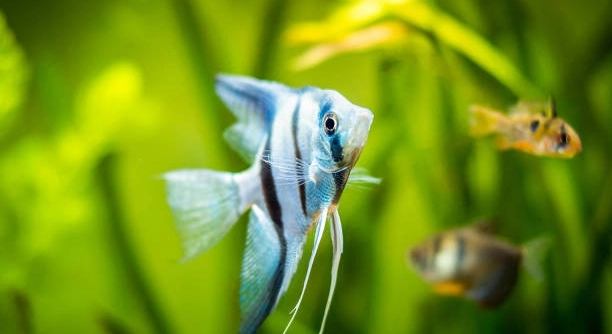
Angelfish are often lively eaters, so it can be concerning when they ignore their favorite foods. Understanding why this happens can help restore your fish’s appetite and overall health. There are a few key reasons behind this behavior.
The main reason your angelfish may stop eating foods they once loved is due to stress, environmental changes, or health issues. Poor water quality, tankmates, or even illness can all contribute to a loss of appetite.
Several factors can contribute to your angelfish’s sudden loss of interest in food. It’s important to identify the root cause to keep your fish healthy and thriving.
Stress from Tank Changes
Angelfish can be very sensitive to changes in their environment, which can lead to stress and a loss of appetite. Whether it’s a recent water change, new tankmates, or even moving decorations around, they may feel unsettled. Stress can trigger many reactions, from hiding to ignoring food, and it’s important to address the root cause of the issue. Keeping their environment stable and predictable is crucial for their well-being. A stable routine, with consistent water conditions and minimal disturbances, will help reduce stress levels and encourage your angelfish to eat.
Sometimes, all it takes is giving your angelfish time to adjust. Fish, like people, can react to changes differently, and they may need a few days to get comfortable with any new circumstances. If your fish is still not eating after a while, it might be time to examine other factors.
One way to reduce stress is by maintaining clean water, as poor water quality can make your angelfish feel unsafe. Test the water regularly to ensure that levels of ammonia, nitrites, and nitrates are within safe limits. You should also keep the tank temperature stable, as sudden fluctuations can trigger stress responses. Adding hiding spots like plants or caves can give your fish a sense of security, helping them feel more comfortable in their surroundings.
Illness or Injury
If your angelfish is ignoring food, it could be due to an underlying illness or injury. Fish can sometimes hide symptoms of sickness, making it harder to notice early on. Physical damage or parasites can affect their ability to eat. Look for signs like swimming difficulties, abnormal behavior, or changes in color. These could be indicators that your fish is not feeling well.
In such cases, it’s important to isolate the fish if necessary and monitor it closely. Providing high-quality food designed for sick fish can support their recovery. Consider consulting a vet who specializes in fish if the condition worsens.
Water Quality Issues
Water quality plays a major role in your angelfish’s appetite. If your water parameters are off, it can cause stress, discomfort, and loss of appetite. High levels of ammonia or nitrites can be toxic, and an improper pH or temperature can also cause problems. Regularly testing the water will help keep your fish healthy and encourage them to eat.
Maintaining clean water isn’t just about changing the water every week. It’s important to ensure proper filtration and avoid overfeeding, which can lead to excess waste. When water quality is poor, your angelfish may stop eating altogether as a sign of distress. Ensure your filter is running properly and that your tank isn’t overcrowded.
To keep your angelfish’s water quality stable, perform regular water tests and make adjustments as needed. Sometimes a partial water change can fix minor issues, but if problems persist, it’s a good idea to troubleshoot filtration or consider using water conditioners to keep levels in check. Also, make sure your water heater is functioning well, as fluctuating temperatures can make your fish uncomfortable and reluctant to eat.
Overfeeding
Overfeeding is a common mistake for many fish owners. It might seem like you’re doing the right thing by offering plenty of food, but it can actually harm your angelfish. Too much food leads to water pollution, and uneaten food creates toxins that can stress your fish and make them less likely to eat.
When you feed your angelfish more than they can consume in a few minutes, the leftover food can rot and affect the water quality. This could lead to a decrease in appetite or even cause digestive issues. Angelfish, like many fish, are better off with smaller, more frequent meals rather than large portions.
If you’ve been overfeeding, start by reducing the amount of food given to your angelfish. Stick to feeding them only what they can consume in about two to three minutes. Keeping portions small will help maintain the water quality and encourage your fish to eat more consistently.
Tank Mates
Aggressive or territorial tank mates can stress your angelfish and make them lose their appetite. Fish that constantly chase or bully your angelfish will create a hostile environment, leading to reduced feeding. It’s important to ensure your angelfish has peaceful companions in the tank.
If you notice your angelfish avoiding food and becoming more withdrawn, it could be because of bullying. Some fish are naturally more aggressive, and even peaceful fish can get territorial. If you think tank mates are the problem, consider rearranging the tank or moving aggressive fish to a separate tank to reduce tension.
A peaceful tank environment encourages your angelfish to feel safe enough to eat. The presence of calm fish will help your angelfish relax and engage in feeding more regularly. Choosing compatible species that won’t compete for food or space will improve your angelfish’s appetite and health.
Feeding Habits
Angelfish can become picky eaters, especially if they are used to certain types of food. They might refuse food if they’ve gotten accustomed to a particular flavor or texture. It’s important to offer variety to keep their interest.
Try rotating different types of food like pellets, flakes, or frozen options. By introducing new food items, you can keep your angelfish’s diet interesting and nutritious. However, avoid sudden changes, as this can upset their digestive system. A gradual switch is the best approach.
Water Temperature
Angelfish are sensitive to temperature changes, and even a slight drop or rise can make them uncomfortable. The ideal temperature for your angelfish is between 76°F and 82°F. If the temperature fluctuates too much, your fish may stop eating.
When water temperature isn’t ideal, your angelfish’s metabolism slows down, which can lead to a loss of appetite. Regularly check the tank temperature and use a reliable heater to maintain consistency. This stability helps your fish feel at ease and supports healthy feeding habits.
FAQ
Why is my angelfish not eating?
There are several reasons why your angelfish might not be eating. Stress from tank changes, poor water quality, or a change in tank mates can all contribute to a loss of appetite. Additionally, illness or injury can also cause your fish to stop eating. Ensure that the water quality is optimal, the temperature is stable, and the tank environment is peaceful. If the issue persists, check for signs of illness and consult a vet if necessary.
How can I tell if my angelfish is sick?
Sick angelfish may display signs such as erratic swimming, fading colors, a lack of appetite, or unusual behavior like rubbing against objects. Physical signs such as sores, lesions, or bloating are also indicators of illness. Keep an eye on your fish for any of these symptoms, and isolate it if needed. Consulting a fish vet can help identify the problem early.
Can overfeeding cause my angelfish to stop eating?
Yes, overfeeding can lead to water pollution, which in turn stresses your angelfish and causes them to lose interest in food. Uneaten food left in the tank can create toxic conditions, which affect the health of your fish. To prevent this, feed your angelfish only what they can eat within a few minutes. Smaller, more frequent feedings are often the best approach.
What is the ideal temperature for angelfish?
The ideal temperature for angelfish is between 76°F and 82°F. If the water temperature is too cold or fluctuates too much, it can cause stress and lead to a loss of appetite. Use a reliable aquarium heater to maintain a stable temperature, and always monitor it with a thermometer to ensure it stays within the ideal range.
How often should I feed my angelfish?
Angelfish should be fed once or twice a day. They will eat what they can within a few minutes, so it’s important to avoid overfeeding. Too much food can pollute the water, making your angelfish reluctant to eat. Stick to small, manageable portions to keep them healthy and encourage regular feeding habits.
Can angelfish become picky eaters?
Yes, angelfish can become picky eaters, especially if they are accustomed to a particular type of food. They may refuse to eat if the food doesn’t meet their preferences. To encourage feeding, offer a variety of foods such as flakes, pellets, and frozen options. Gradually introducing new foods can help stimulate their appetite.
Can tank mates affect my angelfish’s eating habits?
Aggressive or territorial tank mates can certainly affect your angelfish’s appetite. If other fish are constantly chasing or bullying your angelfish, they may become stressed and stop eating. It’s important to ensure that the fish in the tank are peaceful and compatible. If aggression is a problem, consider removing or relocating aggressive fish to separate tanks.
How do I improve the water quality for my angelfish?
To improve water quality, perform regular water changes, and test the water for ammonia, nitrites, and nitrates. Make sure your tank is properly filtered, and avoid overfeeding, as excess food can pollute the water. Regularly check the pH, hardness, and temperature to ensure they remain in the ideal range for your angelfish.
How can I tell if my angelfish is stressed?
Signs of stress in angelfish can include hiding, darting around the tank, faded colors, or a loss of appetite. Environmental factors such as water quality, tank mates, and temperature fluctuations can all cause stress. If your fish is stressed, try to pinpoint the cause and resolve it quickly to avoid long-term health issues.
What can I do if my angelfish is injured?
If your angelfish is injured, first isolate it in a separate tank to prevent bullying from other fish. Ensure the water quality is excellent, and provide a calm, stress-free environment to promote healing. You may also need to treat the injury with an aquarium-safe antiseptic. If the injury seems serious, consulting a fish vet is the best course of action.
Can poor water quality cause my angelfish to stop eating?
Yes, poor water quality is one of the most common reasons for a loss of appetite in angelfish. High levels of ammonia, nitrites, or poor oxygenation can stress your fish and lead to them refusing food. Ensure that you maintain regular water changes, monitor water parameters, and keep the filtration system working well to keep your angelfish healthy and eating regularly.
Is it normal for my angelfish to refuse food for a short period?
It’s not uncommon for angelfish to refuse food for a short period, especially if they are adjusting to new conditions, such as a tank move or water change. However, if the refusal lasts more than a few days, it could indicate stress, illness, or poor water quality. Observe your angelfish closely to determine the underlying cause.
What are some signs that my angelfish is not feeling well?
Signs that your angelfish may be unwell include a loss of appetite, swimming in an erratic manner, or hiding more than usual. You may also notice physical changes such as bloating, lesions, or abnormal coloring. If you notice any of these symptoms, it’s important to investigate and address the problem quickly.
How do I prevent my angelfish from becoming stressed?
To prevent stress in your angelfish, maintain a stable environment with clean water, a consistent temperature, and peaceful tank mates. Avoid sudden changes to the tank, such as rearranging decorations or introducing new fish too quickly. Also, provide your angelfish with hiding spots to help them feel secure and reduce anxiety.
Final Thoughts
Angelfish are beautiful and peaceful creatures, but like all pets, they require the right conditions to thrive. If your angelfish suddenly stops eating, it can be worrying, but understanding the underlying causes can help you address the problem effectively. Stress, poor water quality, illness, and even overfeeding can all contribute to a lack of appetite in angelfish. By paying close attention to their environment, water conditions, and overall health, you can usually pinpoint the issue and work toward a solution.
Maintaining stable water quality is one of the most important things you can do for your angelfish. Regular water changes, proper filtration, and ensuring the right temperature and pH levels will go a long way in keeping your fish healthy. Additionally, keeping your tank mates peaceful and avoiding aggressive or territorial species will reduce stress, helping your angelfish feel safe and secure enough to eat regularly. Keeping an eye on your fish’s behavior, along with offering a balanced and varied diet, will also help keep your angelfish interested in eating.
If your angelfish continues to refuse food despite addressing these issues, it’s important to consider health concerns. If there are signs of illness or injury, isolating the affected fish and seeking professional help can be essential for recovery. In many cases, angelfish can be quite resilient when given the proper care. Remember, understanding their needs and making small adjustments to their environment can make a big difference in restoring their appetite and overall well-being.

Hello,
If you enjoy the content that we create, please consider saying a "Thank You!" by leaving a tip.
Every little bit helps us continue crafting quality advice that supports the health, happiness, and well-being of pets around the world, for pets of all shapes, sizes, and species.
We really appreciate the kindness and support that you show us!